- 0
- 648 words
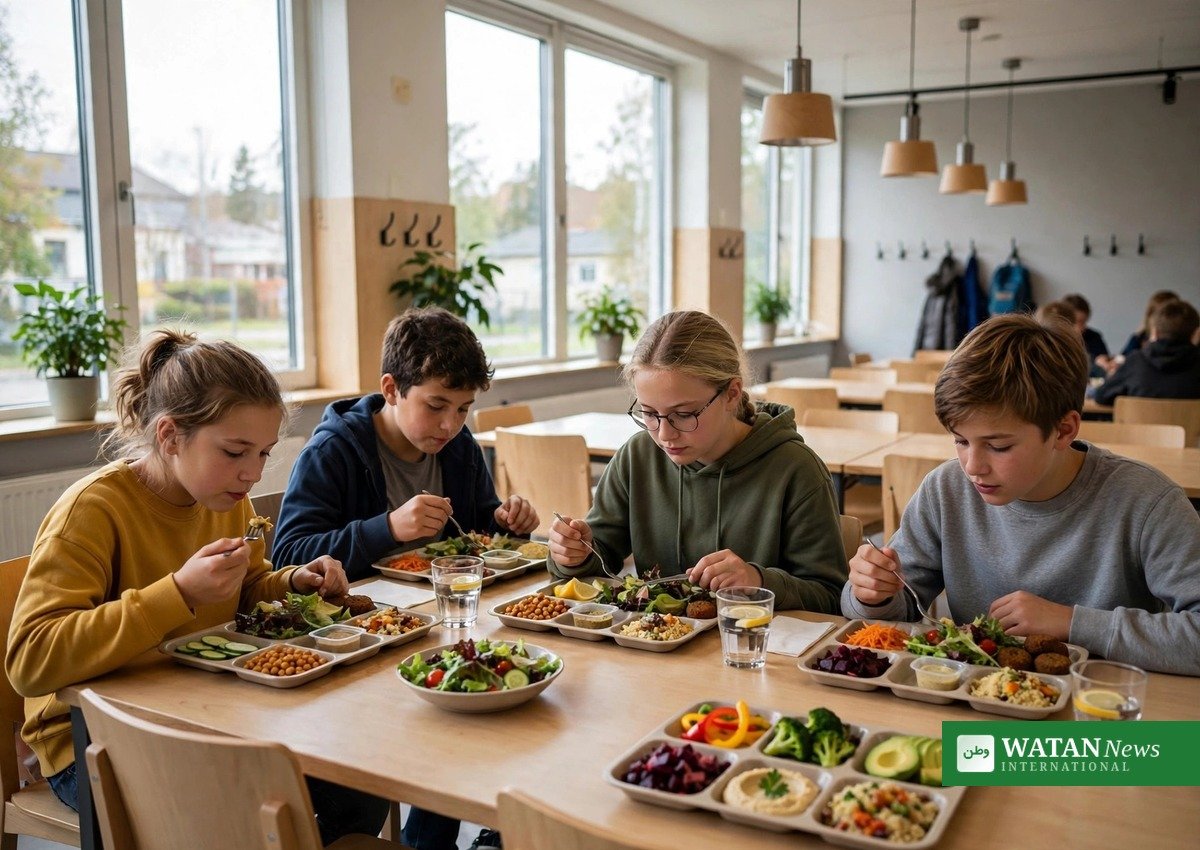
Students are neither clearly positive nor negative about more climate-friendly school meals — and whether they back greener menus depends far more on taste, fullness and familiarity than on what they know about the climate. That is the central finding of a new Swedish study published in the journal Appetite (2026), based on a survey of 1,268 school students.
The research was carried out by scientists at the University of Gothenburg and Chalmers University of Technology in collaboration with Lund Municipality. In the autumn of 2021, the team surveyed students in grades 4–9 at six schools, and held in-depth discussion sessions with 20 students at two of the schools.
Climate-friendly school meals: what the study found
Overall, attitudes were mixed: around four in 10 students were neutral toward more climate-friendly school meals, while roughly equal proportions were positive and negative. Students were somewhat more supportive of reducing the amount of meat in recipes than of having more all-vegetarian days.
Positive attitudes were most strongly associated with students considering the climate important when choosing food, and with eating vegetarian food at school more often. Girls expressed more positive attitudes than boys.
Taste beats knowledge at the lunch tray
Strikingly, awareness that red meat has a larger climate footprint than vegetarian food was high — even among students with more negative attitudes — but this knowledge was only weakly associated with how they felt about the food. When lunch time came, other things mattered more.
“Students are aware of the climate footprints of foods, but when it comes time for lunch, other things become more important. Above all, they think about whether the food tastes good, fills them up and feels familiar,” says Monica Hunsberger, an associate professor of public health at Sahlgrenska Academy, University of Gothenburg.
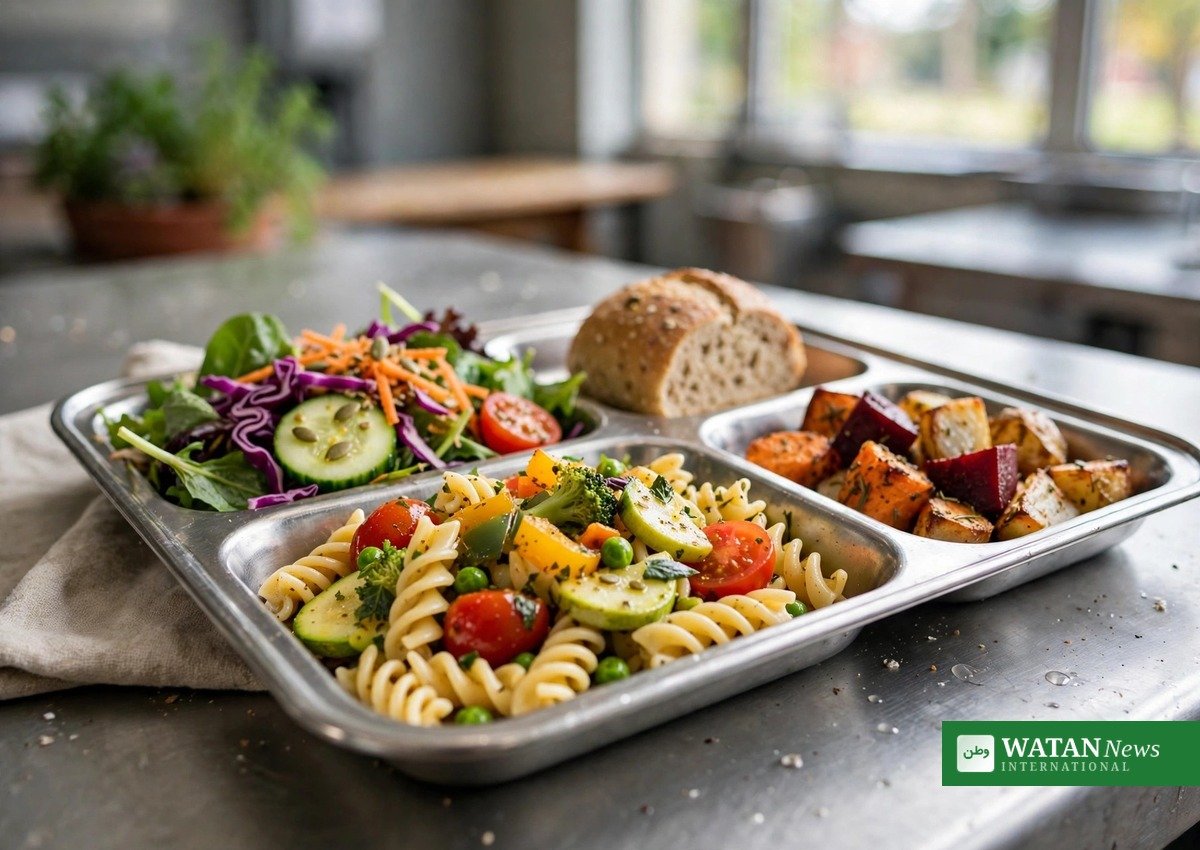
In the group discussions, meat emerged as the norm for what many students considered a proper, filling meal. Vegetarian meals were judged against this norm and were better received when they resembled foods the students already knew.
FAKTA
- Study: “As long as it tastes good” — students’ perceptions of climate-friendly school meals; University of Gothenburg and Chalmers University of Technology, with Lund Municipality; published in Appetite (2026).
- Data: Survey of 1,268 students in grades 4–9 at six schools in Lund, Sweden (autumn 2021), plus in-depth sessions with 20 students.
- Key result: Taste, fullness and familiarity decide support for climate-friendly school meals more than climate knowledge does.
- Preference: Students favour reducing meat in familiar recipes over adding more all-vegetarian days.
- Background: A related intervention cut the carbon footprint of school meals by 20% — down to 0.57 kg CO2e per meal, close to Lund’s 2030 target of 0.5 kg — without affecting how much students ate or how satisfied they were, according to a Swedish policy brief on low-carbon school meals.
A practical recipe for school kitchens
The researchers point to a practical conclusion for school kitchens already working on greener menus. “Many school kitchens already work on modifying recipes so that they contain smaller amounts of ingredients with a high climate footprint, while also serving a high proportion of vegetarian dishes. This study suggests that such recipe reformulation can be a useful complementary approach for reducing climate impact while ensuring that the food is still appreciated by students,” says Erik André, a doctoral student at Chalmers University of Technology and the City of Gothenburg.
The findings fit a wider shift toward household-level action: households account for a large share of global food waste, which itself carries a significant climate footprint from methane. Watan News has examined that link in detail in its explainer on zero waste as a climate strategy.
Schools serve millions of meals every day. If greener plates can be made tasty, filling and familiar — as the Swedish experience suggests — they may shape more sustainable eating habits far beyond the school canteen.
Author

usman2344913@gmail.com
Related Posts
Svensk undersøgelse: Elever bakker op om klimavenlige skolemåltider, når maden smager godt
- 0
- 697 words
Eleverne er hverken klart positive eller negative over for flere klimavenlige skolemåltider — og om de bakker op om grønnere menuer, afhænger...
Read out all
سویڈن کی تحقیق: ذائقہ دار ہوں تو طلبہ ماحول دوست اسکول کھانے کی حمایت کرتے ہیں
طلبہ ماحول دوست اسکول کھانوں کے بارے میں نہ واضح طور پر مثبت ہیں اور نہ واضح طور پر منفی — اور...
Read out all
Islamabad’s renewed plastic-free push puts everyday habits under scrutiny
- 0
- 1,031 word
Islamabad's district administration arrested 122 people, seized 293kg of polythene bags and sealed 7 shops in a renewed plastic-free Islamabad enforcement drive...
Read out all
Sumitomo går ind i Hero Future Energies’ 500 MWp sol- og vindprojekt for vedvarende strøm døgnet rundt i Indien
- 0
- 831 words
Japans Sumitomo Corporation køber en 49%-andel i et nyt 500-megawatt sol- og vindprojekt med batterilagring i den indiske delstat Karnataka, bygget til...
Read out all
بھارت میں چوبیس گھنٹے قابل تجدید بجلی کے لیے سوموٹومو کی ہیرو فیوچر انرجیز کے 500 میگاواٹ شمسی و ہوا منصوبے میں سرمایہ کاری
جاپان کی سوموٹومو کارپوریشن بھارت کی ریاست کرناٹک میں شمسی اور ہوا توانائی کے ایک نئے 500 میگاواٹ منصوبے میں 49 فیصد...
Read out all
Sumitomo backs Hero Future Energies’ 500 MWp solar-wind project to deliver 24/7 renewable power in India
- 0
- 794 words
Japan’s Sumitomo Corporation will take a 49% stake in a new 500-megawatt solar-and-wind project with battery storage in the Indian state of...
Read out all