- 0
- 539 words
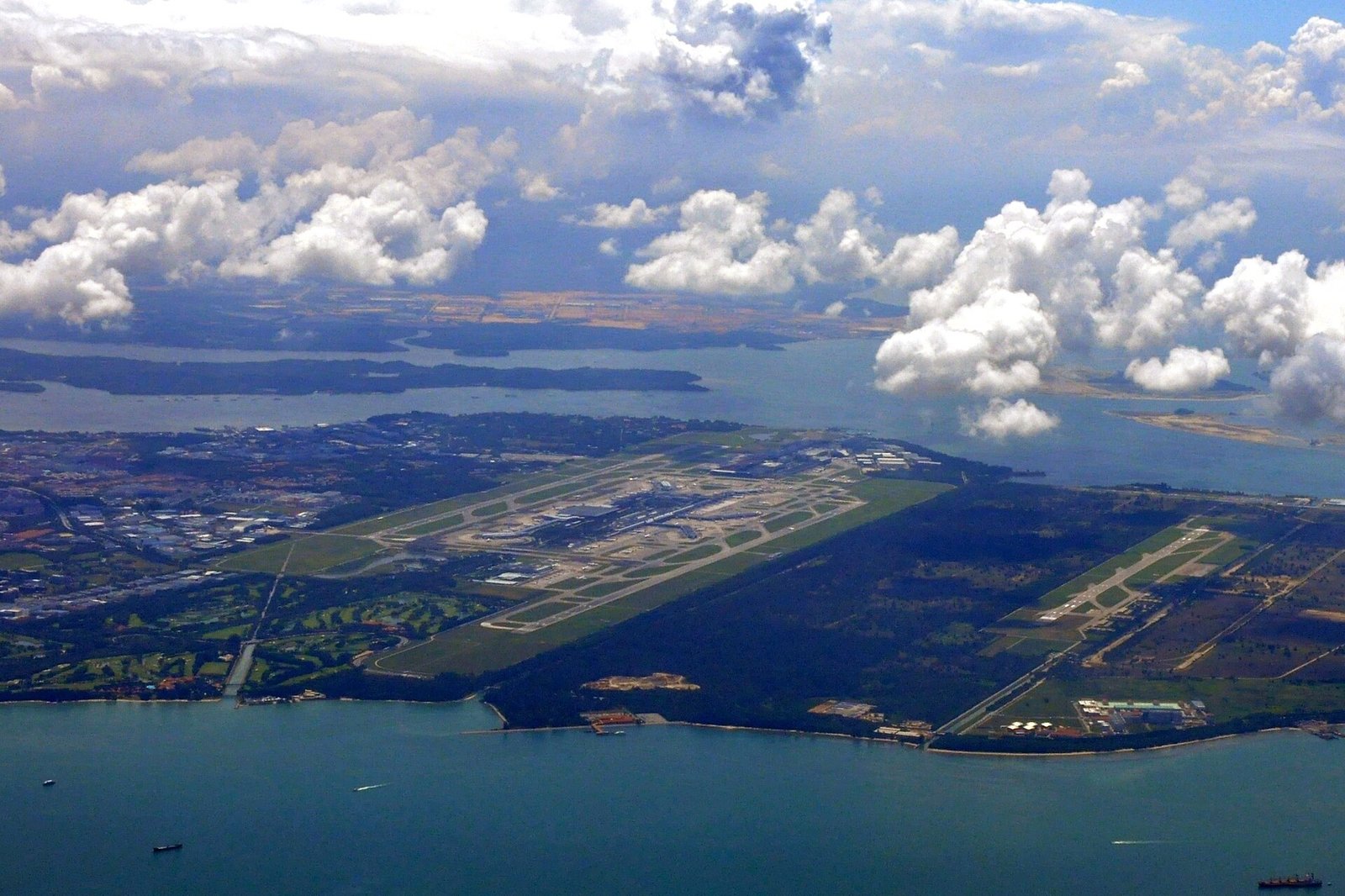
SINGAPORE — The Civil Aviation Authority of Singapore will start collecting its Sustainable Aviation Fuel (SAF) levy on tickets sold from 1 October 2026 for origin-destination passenger flights — and general and business aviation — departing Singapore from 1 January 2027, CAAS confirmed on 3 September 2026.
Singapore has described the measure as a world-first passenger SAF levy structure. The levy must appear as a distinct line item in the fare breakdown. Transit passengers through Singapore are not charged, under rules CAAS set when the scheme was first detailed in November 2025.
Who pays, and when
Only tickets or services sold from 1 October 2026 for Singapore departures from 1 January 2027 attract the passenger levy. Tickets sold earlier escape the charge even if travel falls in 2027, CAAS and subsequent explainers state.
CAAS will defer the air-cargo SAF levy by one year: it will apply to services sold from 1 October 2027 for flights departing from 1 January 2028. CAAS said cargo operations involve a wider set of stakeholders and commercial arrangements; industry feedback prompted the extra year to build a robust collection mechanism.
“CAAS has worked closely with airlines and other global industry partners to set up a robust regime for SAF levy collection, procurement and environmental attributes management,” Director-General Han Kok Juan said in the 3 September statement. “In doing so, CAAS seeks to lay the foundation for Singapore to serve as a trusted hub for SAF-related economic activities in the region.”
Official passenger rates by band and cabin
Rates published by CAAS (10 November 2025 tables; timelines later shifted but amounts unchanged in follow-on coverage) group destinations into four bands. Economy cabin (economy and premium economy) and premium cabin (business and first) pay different amounts; premium is four times economy for the same band, CAAS said, citing industry carbon-calculation norms.
Band I (Southeast Asia): S$1.00 economy / S$4.00 premium. Band II (Northeast Asia, South Asia, Australia, Papua New Guinea): S$2.80 / S$11.20. Band III (Africa, Central and West Asia, Europe, Middle East, Pacific Islands, New Zealand): S$6.40 / S$25.60. Band IV (Americas): S$10.40 / S$41.60. For multi-stop itineraries, the levy uses the immediate next destination after leaving Singapore.
The quantum was set against a 1% SAF target for departing flights and projected SAF price premiums plus certification, blending and delivery costs, CAAS said. Singapore aims to raise the SAF share toward 3–5% by 2030, subject to global supply, which would imply future levy adjustments.
Where the money goes — SAFCo
Levies flow to a statutory SAF Fund. Singapore Sustainable Aviation Fuel Company Ltd. (SAFCo), a non-profit wholly owned by CAAS, is the designated collection agent and will procure, manage, account for and allocate SAF and related environmental attributes (EAs), CAAS said.
In August 2026 SAFCo completed a first voluntary SAF procurement trial with nine companies, including Singapore Airlines and Scoot, plus Boston Consulting Group, Changi Airport Group, DBS Bank, GenZero, Google, OCBC and Temasek. CAAS said SAFCo plans a request for proposal for levy-funded SAF procurement by end-2026, with first uplift expected mid-2027.
Traveller takeaway
From October, origin-destination passengers booking 2027 Singapore departures should expect a visible SAF line item of between S$1 and S$41.60 depending on band and cabin. Cargo shippers get another year before parallel charges. Whether airlines absorb part of the cost on retail fares is a commercial question CAAS does not settle; award-ticket travellers typically see taxes and levies passed through in full.
Author

watannews321@gmail.com
Related Posts
Apple Special-Projects Veteran Emerges With $100M to Put Dual-Arm Robots on Warehouse Floors
- 0
- 709 words
Hamza Derbas co-founded Maven Robotics in 2024 with little more than a robot sketch. Two years later, the Santa Clara startup exits...
Read out all
At 27, Tsinghua’s Youngest AI Professor Raises Nearly $50M for Self-Evolving Models
- 0
- 727 words
Yongchao Chen turned down a DeepMind path to found Beijing-based Apex Intelligence, betting that recursive self-improvement—not bigger chatbots—will define the next wave...
Read out all
Africa No Filter opens 2026 Voices for Climate Justice storytelling grants — deadline 25 September
- 0
- 444 words
Africa-focused green journalism call: 15–20 storytellers, up to US$4,000 grants, training on climate–debt–gender–fossil fuels; applications close 25 Sep 2026.
Read out all
Turkey’s ecological spotlight: Hrant Dink Award meets hard realities for environmental reporters
- 0
- 451 words
Süheyla Doğan’s 15 Sep 2026 Hrant Dink Award elevates Kazdağları ecology as ECPMF and RSF document SLAPPs and information barriers facing Turkey’s...
Read out all
After COP29, Azerbaijan journalists push deeper climate investigations through EaP network
- 0
- 428 words
n-ost’s EaP climate investigations programme pairs Azerbaijan and regional reporters with EU mentors for energy, forest and climate-justice probes after Baku’s COP29...
Read out all
COP31 presidency floats Antalya AI energy pledge and 35×35 electrification at Climate Week
- 0
- 598 words
At Climate Week NYC (21 Sep), Türkiye’s COP31 presidency unveiled Antalya AI energy pledge (draft pending) and 35% electricity share of final...
Read out all