- 0
- 747 words
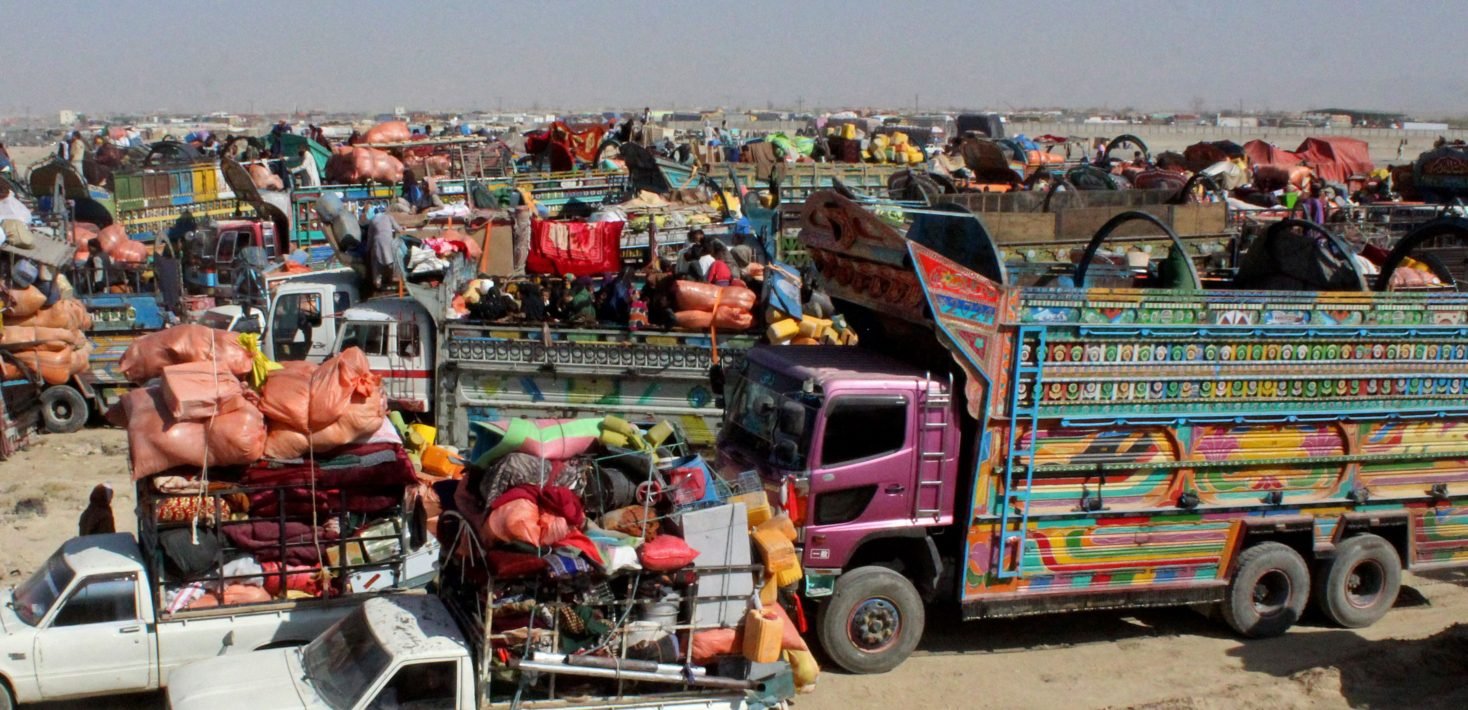
The Torkham crossing, known as Zero Point, has become a symbol of the biggest cross-border movement of people in the world, as millions of Afghans are being forced to return to their home country after decades of living in Pakistan and Iran. For many, like 35-year-old Nazia, this return is a daunting experience, as she has ‘never been to Afghanistan before’ and is now struggling to make a new life for herself and her family.
The deportation crisis has reached unprecedented levels, with the UN Refugee Agency reporting that over six million people have returned to Afghanistan in the past three years, with another million added to this number this year alone. This massive influx of people is putting immense pressure on the country’s already fragile resources and infrastructure.
- Six million Afghans have returned to their home country in the past three years.
- Another million have been added to this number this year alone.
- Many returnees have not set foot in Afghanistan for decades, while others, like Nazia, have never been to the country before.
- The deportation crisis is causing immense challenges and hardships for the returnees, including a lack of food, shelter, and basic necessities.
Torkham Crossing: A New Beginning
The Torkham crossing is where the journey of these deportees begins, as they leave behind the life they knew in Pakistan and Iran. For many, this crossing is a symbol of hope and a new beginning, but it is also a reminder of the immense challenges that lie ahead. As Nazia said, ‘it feels good to be in my own country, but many people here don’t even have enough bread to eat’.
UNHCR Response to the Crisis
The UNHCR has been working tirelessly to provide aid and support to the returnees, erecting tented villages and providing basic necessities like food and shelter. However, the scale of the crisis is overwhelming, and the UNHCR is struggling to keep up with the demand. As Charlie Goodlake, spokesperson for the UNHCR in Afghanistan, said, ‘we’ve never seen in recent history a return movement on this scale’.
Stories of Returnees
The stories of the returnees are heart-wrenching, as they share their experiences of prejudice and harassment by authorities in Pakistan and Iran. Many, like Sarwar, who arrived with his seven brothers and their families, have experienced immense challenges and hardships, but are also relieved to be back in their home country. As Sarwar said, ‘I am finally free of harassment by Pakistan’s police’.
Taliban Rule and the Future of Afghanistan
The future of Afghanistan under Taliban rule remains uncertain, as the country struggles to cope with the influx of returnees. The international community is watching with bated breath, as the situation continues to unfold. The Watan News will continue to provide updates and insights into this developing story.
Conclusion
In conclusion, the deportation crisis in Afghanistan is a complex and multifaceted issue, with far-reaching consequences for the country and its people. As the international community continues to grapple with the challenges of this crisis, it is essential to remember the human stories behind the statistics and to work towards finding solutions that prioritize the dignity and well-being of the Afghan people.
FAQs
Q1: What is the cause of the deportation crisis in Afghanistan?
A1: The deportation crisis in Afghanistan is a result of the crackdown on undocumented migrants by Pakistan and Iran, which has led to the forced return of millions of Afghans to their home country.
Q2: How many people have returned to Afghanistan in the past three years?
A2: According to the UN Refugee Agency, over six million people have returned to Afghanistan in the past three years, with another million added to this number this year alone.
Q3: What are the challenges faced by the returnees in Afghanistan?
A3: The returnees face immense challenges and hardships, including a lack of food, shelter, and basic necessities, as well as the struggle to rebuild their lives in a country that is still recovering from decades of conflict.
Q4: What is the role of the UNHCR in responding to the crisis?
A4: The UNHCR has been working to provide aid and support to the returnees, including erecting tented villages and providing basic necessities like food and shelter.
Q5: What is the future of Afghanistan under Taliban rule?
A5: The future of Afghanistan under Taliban rule remains uncertain, as the country struggles to cope with the influx of returnees and the challenges of rebuilding a fragile state.
Author

usmanjaved13132@gmail.com
Related Posts
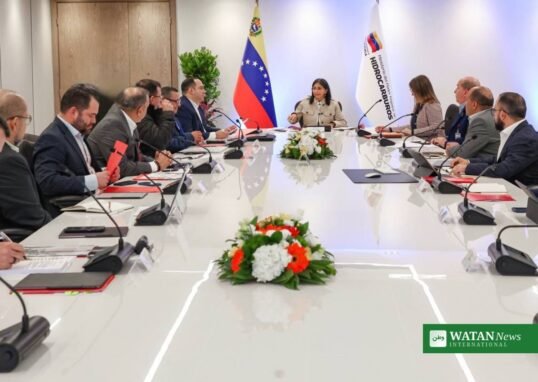
Venezuela Expects $76 Billion in Oil Investment Under 61 New Agreements
- 0
- 452 words
Venezuela expects to attract nearly $76 billion in oil investment over the next five years under a package of recently signed agreements,...
Read out all
Canada Unveils Delegations for COP17 and COP31 With Focus on Indigenous Leadership
- 0
- 918 words
Canada will send high-level delegations to two back-to-back United Nations conferences this autumn, the Canadian government announced on October 16, 2026 —...
Read out all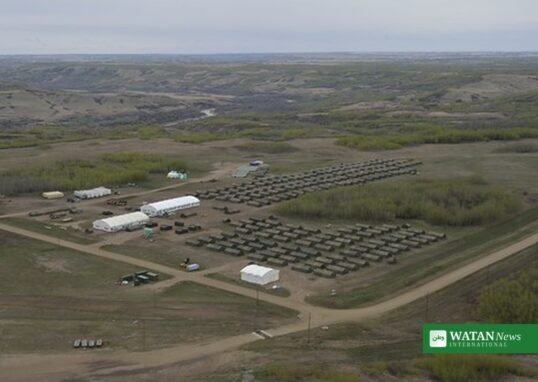
Fatalities Confirmed After ‘Serious Incident’ and Major Fire at Canada’s CFB Wainwright Base
- 0
- 636 words
Canadian Defence Minister David McGuinty has confirmed that a “serious incident” at Canadian Forces Base Wainwright in Alberta has caused fatalities and...
Read out all
Climate Awareness Hits Record: 85% of Britons Say Climate Change Affected Them in Past Year, ONS Finds
- 0
- 972 words
Climate awareness in Britain has reached a new record: more than four in five adults in Great Britain say climate change has...
Read out all
Electric Ferries Could Cut Sea of Marmara Emissions by 63%, IMO Study Finds
- 0
- 1,091 word
Electric ferries could reshape one of the world’s busiest short-sea ferry networks: Türkiye’s Sea of Marmara ferry fleet could cut its greenhouse...
Read out all
Historic Limoges Town Hall Largely Lost as French Riots Escalate
- 0
- 596 words
The Limoges town hall fire has largely destroyed the historic 1883 landmark as cost-of-living riots swept France on October 17, with around...
Read out all