- 0
- 664 words
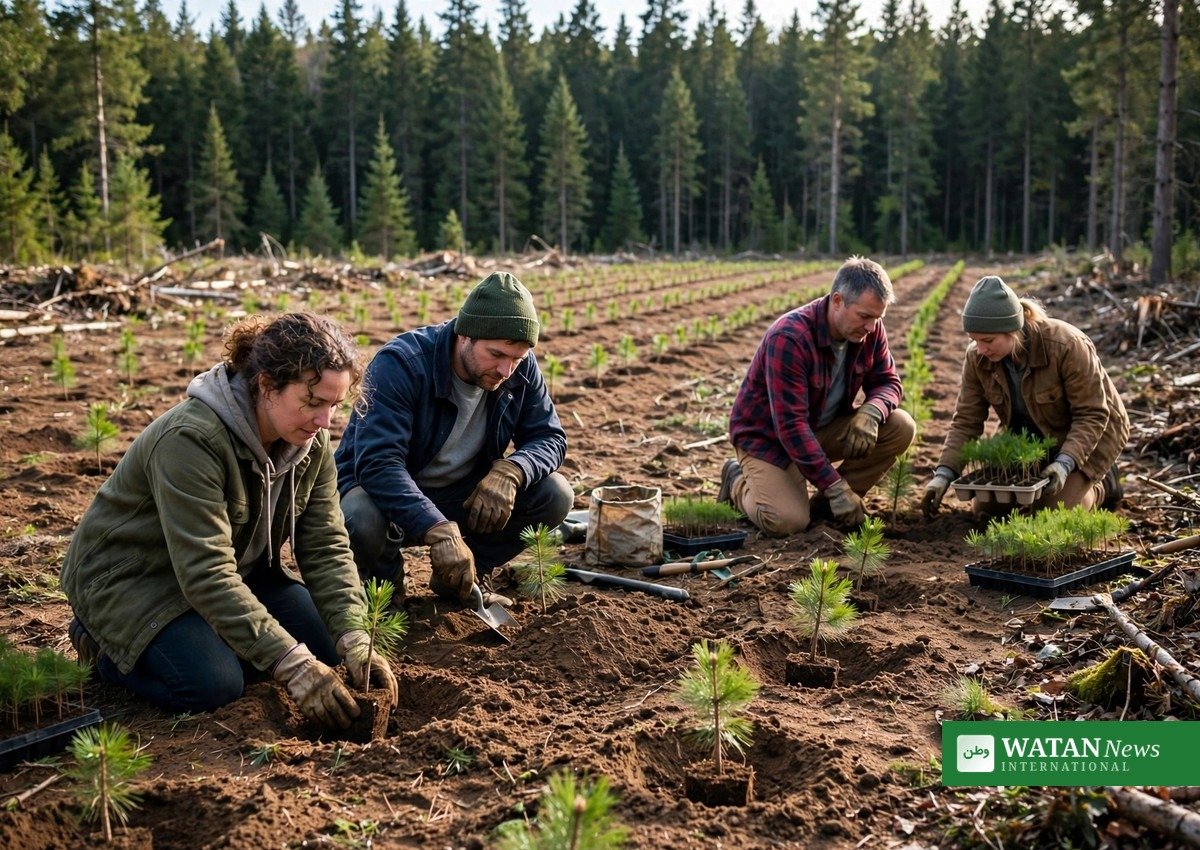
Wisconsin has planted its 50 millionth tree under the state’s Trillion Trees Pledge, the Wisconsin Department of Natural Resources (DNR) announced on October 12, 2026 — a milestone on the road to 100 million trees by 2030.
Key facts
- Wisconsin planted its 50 millionth tree under the state’s Trillion Trees Pledge (announced October 12, 2026).
- The pledge commits Wisconsin to planting 100 million trees by 2030. By the end of 2025, more than 54.7 million trees had been planted — nearly 55 percent of the goal.
- The pledge also commits the state to planting one million of those trees in urban areas and protecting at least 125,000 acres of forestland.
- Governor Tony Evers launched the pledge in 2021; the tree-planting target was raised from 75 million to 100 million trees in April 2024, according to the state’s 2025 annual report.
- The DNR’s Reforestation Program has opened seedling orders for the spring 2027 planting season.
Halfway to a hundred million
The milestone reflects five years of broad collaboration, the DNR says. Municipalities, schools, corporations, nonprofit organizations, agency partners, forest landowners and individual residents have all contributed to the count. According to the state’s 2025 annual report, released in April 2026, Wisconsin planted nearly 12 million trees and conserved more than 7,800 acres of forestland in 2025 alone — bringing the five-year total to over 54 million trees.
The pledge began on Earth Day 2021, when Governor Evers signed an executive order committing Wisconsin to 75 million new trees and 125,000 acres of conserved forest by 2030. On Earth Day 2024 he raised the tree goal to 100 million. The state’s pledge is part of the wider global Trillion Trees movement, which pushes nature-based solutions to shifting precipitation and temperature patterns.
Trees as a climate answer
The DNR calls tree seedlings a frontline tool against climate impacts. Seedlings grow into functioning forests that store carbon, filter water supplies, support wildlife and sustain the economies and communities that depend on them. Trees and forests are, in the department’s words, one of the best ways to mitigate climate impacts such as intense rain events and extreme heat.
Urban planting gets its own target: one million of the 100 million trees are meant for cities and towns, where expanded tree canopy helps counter extreme heat and heavy rainfall. A record of every planted tree can be added to the official Wisconsin Tree Planting Map.
How residents can take part
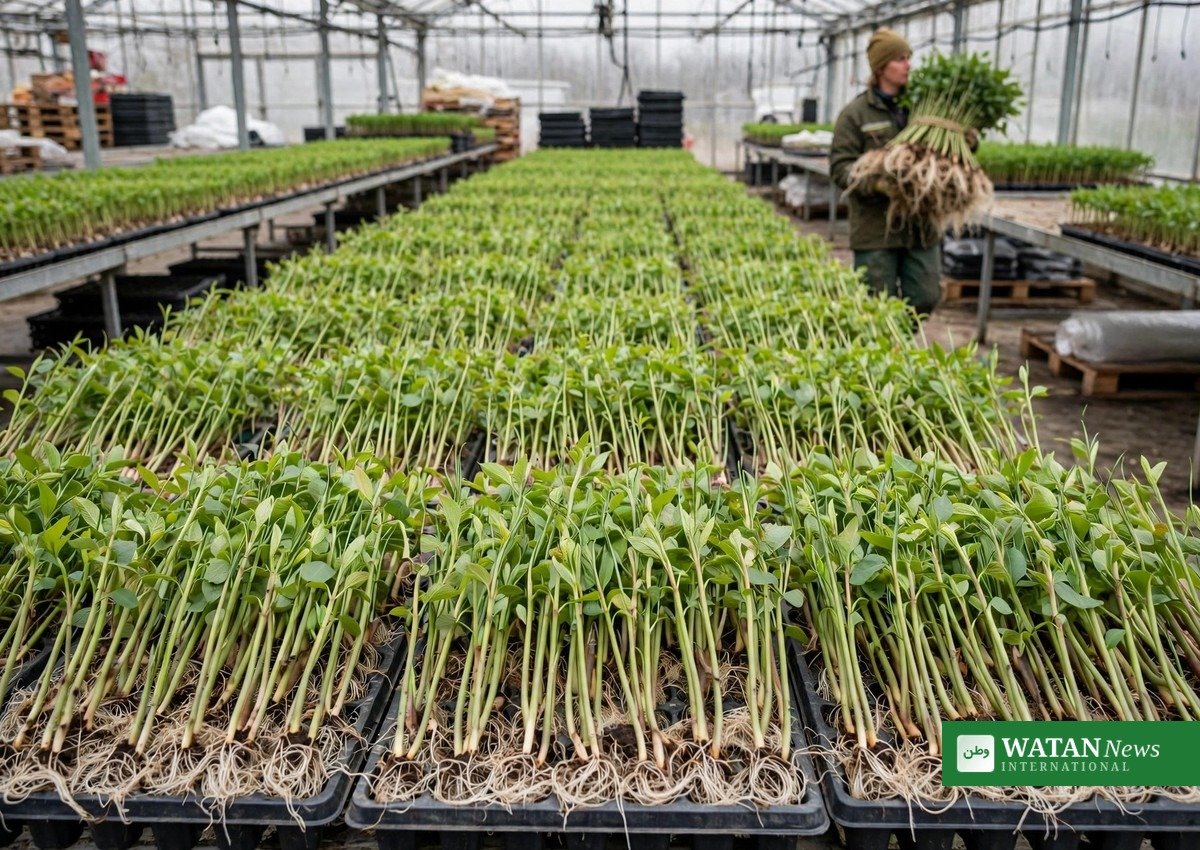
The DNR’s Reforestation Program has opened orders for spring 2027 seedlings, inviting landowners, schools and organizations to join the pledge’s next wave. Residents can also collect and sell tree seed to the state nurseries, care for trees in their own neighborhoods, support planting programs, and help teachers join the annual fourth-grade tree seedling giveaway — an Arbor Day tradition running since 1984.
More climate coverage is available on the Watan News climate desk.
Frequently asked questions
What is Wisconsin’s Trillion Trees Pledge?
It is a statewide commitment, launched by Governor Tony Evers in 2021 and announced in an official DNR release, to plant 100 million trees by 2030, plant one million of them in urban areas, and protect at least 125,000 acres of forestland. It is part of the global Trillion Trees movement promoting nature-based climate solutions.
How many trees has Wisconsin planted so far?
According to the DNR, more than 54.7 million trees had been planted by the end of 2025 — nearly 55 percent of the 100-million-tree goal — and the 50 millionth tree milestone was announced on October 12, 2026.
How do tree seedlings help fight climate change?
The DNR says seedlings grow into forests that store carbon, filter water, support wildlife and buffer communities against climate impacts such as intense rain and extreme heat. Expanded tree canopy also helps cities cope with extreme heat.
Can residents order seedlings for 2027?
Yes. The DNR’s Reforestation Program has opened seedling orders for the spring 2027 planting season, and planted trees can be recorded on the official Wisconsin Tree Planting Map.
Why does the pledge include urban trees?
One million of the 100 million trees are reserved for urban areas, because tree canopy in cities and towns helps communities withstand climate challenges such as extreme heat and heavy rainfall, the DNR says.
Author

usman2344913@gmail.com
Related Posts

Virksomheders køb af SAF-certifikater kan seksdobles i 2030 ifølge ny undersøgelse
- 0
- 1,170 word
Virksomheder kan blive en af de vigtigste finansieringskilder til grønnere flyrejser ved udgangen af dette årti. En ny undersøgelse, som International Air...
Read out all
کارپوریٹ پائیدار ہوائی ایندھن سرٹیفکیٹوں کی مانگ 2030 تک چھ گنا بڑھ سکتی ہے
دنیا کی بڑی کمپنیاں اس دہائی کے آخر تک صاف ستھری ہوائی سفر کی اہم ترین سرمایہ کار بن سکتی ہیں۔ انٹرنیشنل...
Read out all
Corporate SAF Certificate Buying Could Grow Sixfold by 2030, IATA–Airbus–Accenture Study Finds
- 0
- 1,132 word
Corporate buyers could become one of the most important funders of cleaner air travel by the end of this decade. A new...
Read out all
Wisconsin planter træ nr. 50 millioner på vej mod målet om 100 millioner i 2030
- 0
- 685 words
Wisconsin har plantet sit træ nr. 50 millioner under delstatens Trillion Trees Pledge, meddelte Wisconsins Department of Natural Resources (DNR) den 12....
Read out all
وسکونسن میں 50 ملینواں درخت لگایا گیا؛ 2030 تک 10 کروڑ درختوں کا ہدف
وسکونسن نے ریاست کے ’ٹریلین ٹریز پلیج‘ کے تحت 50 ملینواں درخت لگا دیا ہے۔ وسکونسن کے محکمہ قدرتی وسائل (ڈی این...
Read out all
COP31 står over for tillidstest: Tre klimapræsidentskaber mødtes i New York
- 0
- 882 words
Mindre end en måned før COP31 åbner i Antalya, mødtes repræsentanter for tre på hinanden følgende FN-klimapræsidentskaber i FN’s hovedkvarter i New...
Read out all