- 0
- 768 words
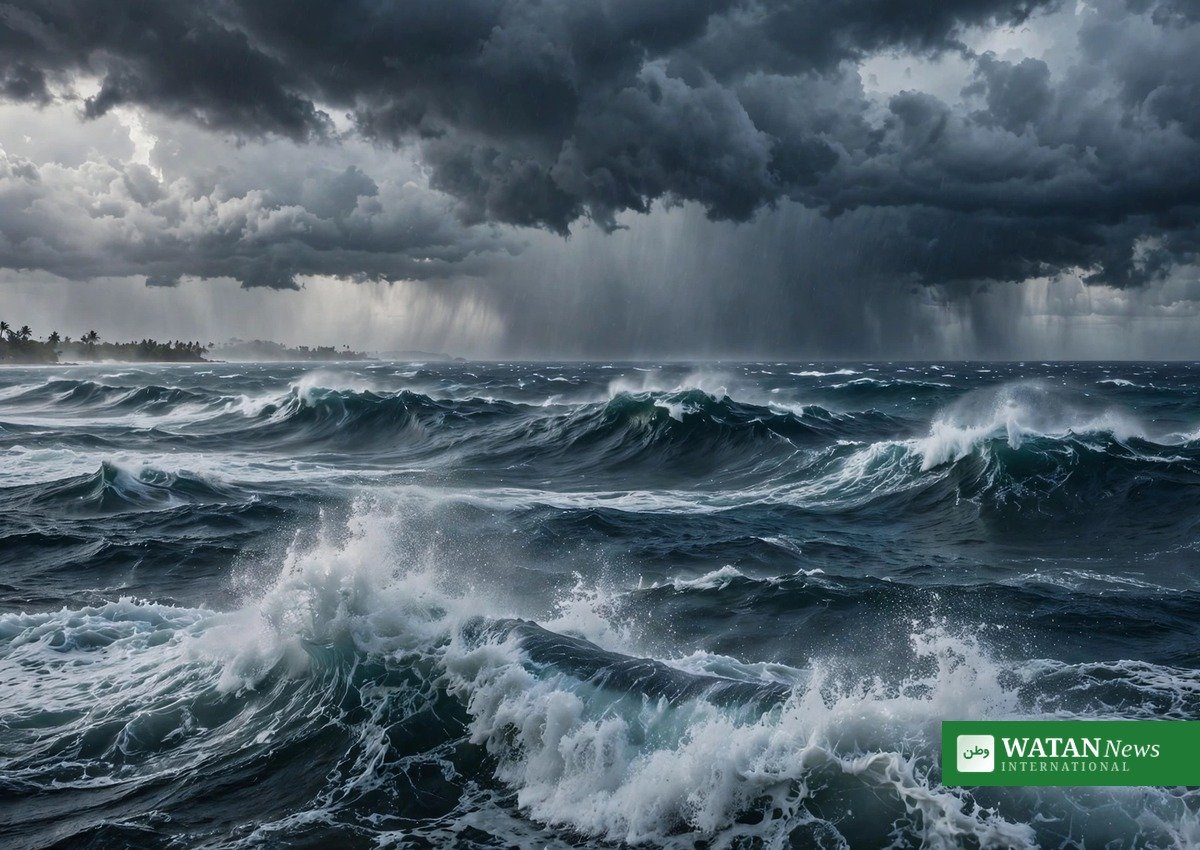
The World Meteorological Organization says El Niño is firmly established in the tropical Pacific and will strengthen into a very strong El Niño before peaking toward the end of 2026, with climate impacts extending well into 2027. In its El Niño/La Niña Update for August 2026, issued on 3 September, WMO reported an “exceptionally high likelihood of nearly 100 percent” that the episode will persist through February 2027 — the first time in the 50-year history of the agency’s updates that the forecast has been so unequivocal, reflecting close agreement across its Global Producing Centres.
FAKTA
- Who: World Meteorological Organization (WMO), the UN weather agency
- What: A very strong El Niño, expected to persist through February 2027 with nearly 100 percent likelihood
- Key data: Niño 3.4 index averaged +1.5°C above normal in May–July 2026 and reached +2.0°C in July; weekly values hit +2.2 to +2.6°C between late July and mid-August
- Below the surface: Ocean temperatures in some areas were more than 8°C above average in July and early August, fueling further strengthening
- Humanitarian stakes: WFP estimates up to 50 million people could be affected over the next six to nine months, according to the UN ENSO Analysis Cell
Very Strong El Niño Driven by Exceptional Pacific Warmth
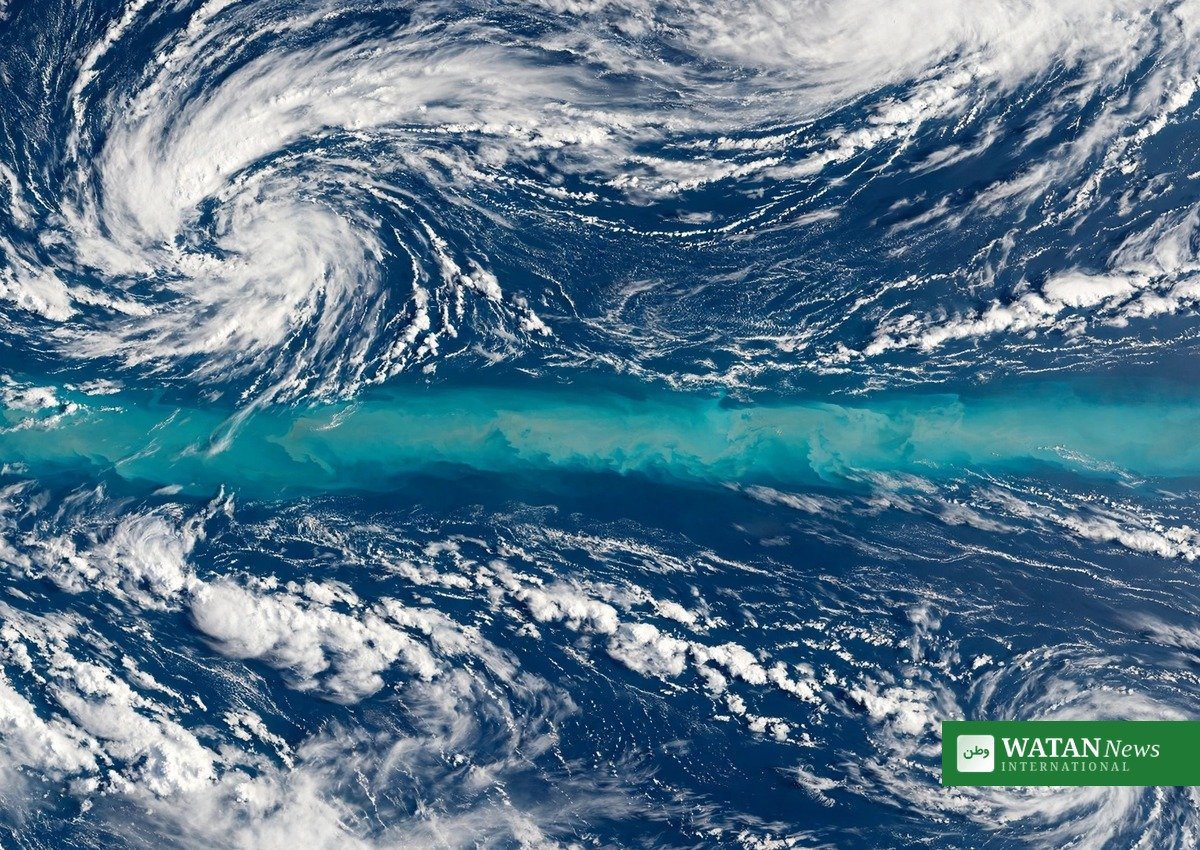
The forecast rests on measured ocean warmth. The Niño 3.4 index, which tracks sea-surface temperature anomalies in the central-eastern equatorial Pacific, strengthened from an average of +1.5°C above normal over May–July 2026 to +2.0°C above normal in July. Weekly values rose further between late July and mid-August, ranging from approximately +2.2°C to +2.6°C above average. Below the surface, WMO reported that subsurface ocean temperatures in some areas were more than 8°C above average during July and early August.
Strong and mutually reinforcing oceanic and atmospheric signals, together with close agreement among seasonal prediction systems, indicate that El Niño will persist at least into early 2027. A very strong event increases the likelihood of major changes in rainfall, temperatures, and atmospheric circulation across many regions of the world.
Very Strong El Niño Does Not Mean the Same Impacts Everywhere
WMO stresses that the strength of an El Niño event alone does not determine how severe its impacts will be in any individual country or region. Its effects vary by location and season and can be modified by other climate drivers, including conditions in the Indian and Atlantic Oceans.
Global Seasonal Outlook for September–November 2026
WMO’s companion Global Seasonal Climate Update for September–October–November 2026 points to an increased likelihood of above-normal temperatures across almost all land areas, alongside rainfall patterns showing a pronounced atmospheric response to the Pacific El Niño. Multi-model forecasts also expect a positive Indian Ocean Dipole, with a seasonal mean near 0.9°C for September–November 2026, while tropical Atlantic sea-surface temperatures are forecast to remain generally above normal.
Humanitarian Risks Mount
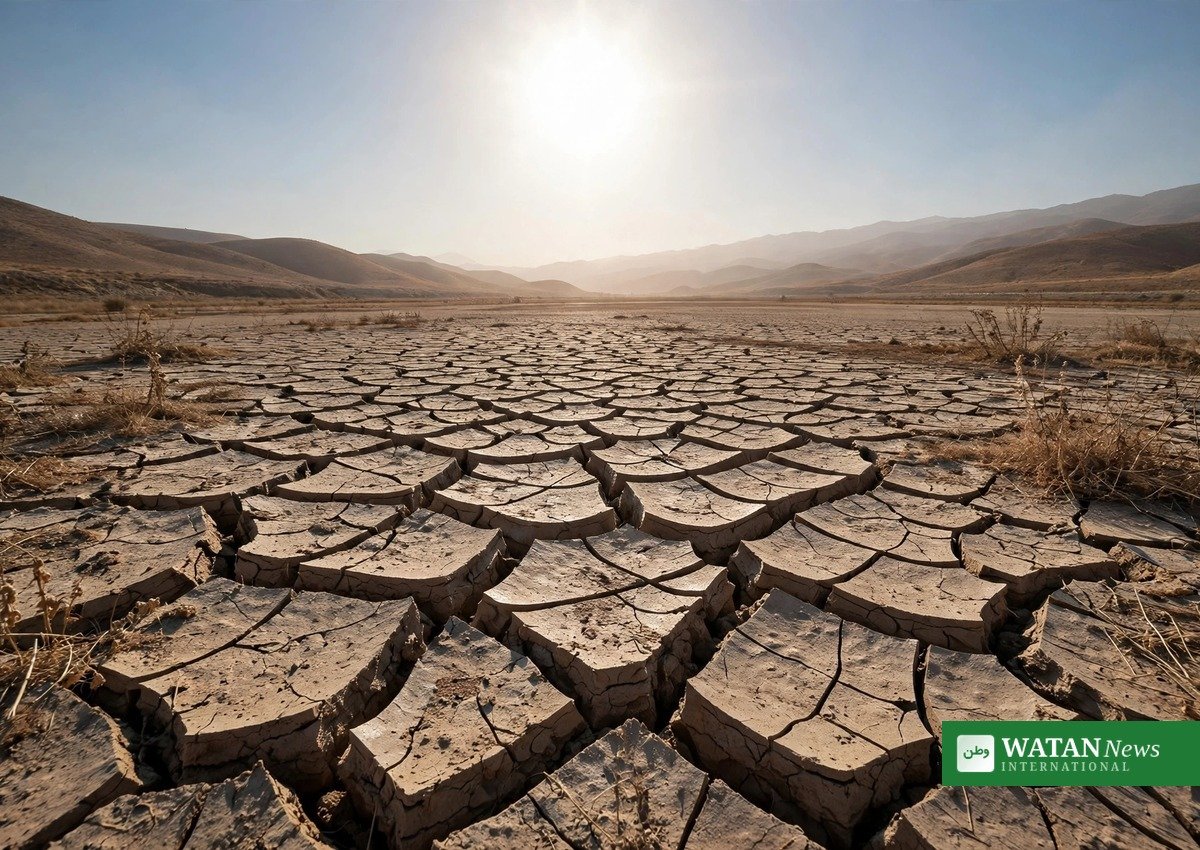
An inter-agency report from the Global ENSO Analysis Cell warns that a very strong El Niño is likely to bring major shifts in rainfall and temperature patterns, increasing the risk of drought, flooding, extreme heat, and other weather and climate hazards. These effects will not be felt everywhere at the same time or in the same way. WFP estimates suggest that up to 50 million people globally could be affected over the next six to nine months, and conditions have not improved since the June update — in many places, repeated shocks have depleted household assets and weakened coping mechanisms.
What Governments Should Do Now
El Niño is a natural phase of the El Niño–Southern Oscillation and one of the most powerful naturally occurring influences on the global climate system, though its impacts now unfold against the backdrop of long-term climate warming. Because the phenomenon typically peaks between November and February and can influence global temperatures into the following year, seasonal forecasts still offer governments, humanitarian agencies, and climate-sensitive sectors a critical window for anticipatory action in agriculture, health, energy, water, and disaster management.
Follow more climate news and El Niño updates on Watan News, and visit the Watan News homepage for the latest global coverage.
Conclusion
With a nearly 100 percent chance of persisting through February 2027, the 2026–2027 very strong El Niño ranks among the most closely watched climate events in WMO’s 50-year update history. The science is unequivocal — what matters now is how quickly early warnings turn into early action.
Read the official sources: WMO media centre, UN OCHA / ENSO Analysis Cell report.
Author

watannews321@gmail.com
Related Posts

Democrats Retake US House as Texas and South Carolina Senate Seats Flip
- 0
- 642 words
CNN and NBC News project Democrats have retaken the US House, while Democrats also flipped Senate seats in Texas and South Carolina...
Read out all
اردن میں نوجوانوں کی موسمیاتی کانفرنس 2026 کا آغاز، کاپ31 کے لیے قومی بیان تیار ہوگا
اردن کی مقامی نوجوان موسمیاتی کانفرنس 2026 یکم نومبر کو عمان میں شروع ہوئی، جہاں نوجوان انطالیہ میں کاپ31 کے لیے قومی...
Read out all
Jordans unge samles til klimakonference i Amman før COP31
- 0
- 1,337 word
Jordans lokale ungdomsklimakonference 2026 åbnede i Amman den 1. november, hvor unge forbereder en national ungdomserklæring til COP31 i Antalya, og ministrene...
Read out all
Jordan Youth Climate Conference Opens in Amman to Shape Youth Statement for COP31
- 0
- 1,296 word
Jordan's Local Youth Conference on Climate Change 2026 opened in Amman on 1 November, with young people preparing a national youth statement...
Read out all
Democrats Flip North Carolina Senate Seat as Midterm Results Roll In
- 0
- 670 words
Democrat Roy Cooper defeated Trump-backed Michael Whatley in North Carolina, giving Democrats their first pickup of a Republican-held Senate seat in the...
Read out all
Shell sikrer eksklusiv aftale om 150.000 ton SAF om året fra planlagt anlæg i Marokko
- 0
- 1,057 word
Shell bliver enekøber af cirka 150.000 ton bæredygtigt flybrændstof om året fra Green Sky Manaras planlagte Port Nador-anlæg i Marokko, der skal...
Read out all