- 0
- 670 words
Democrats have flipped a Republican-held Senate seat in North Carolina, as early results from the 2026 United States midterm elections point to a strong night for the party — although control of Congress remains undecided, with counting still under way across the country.
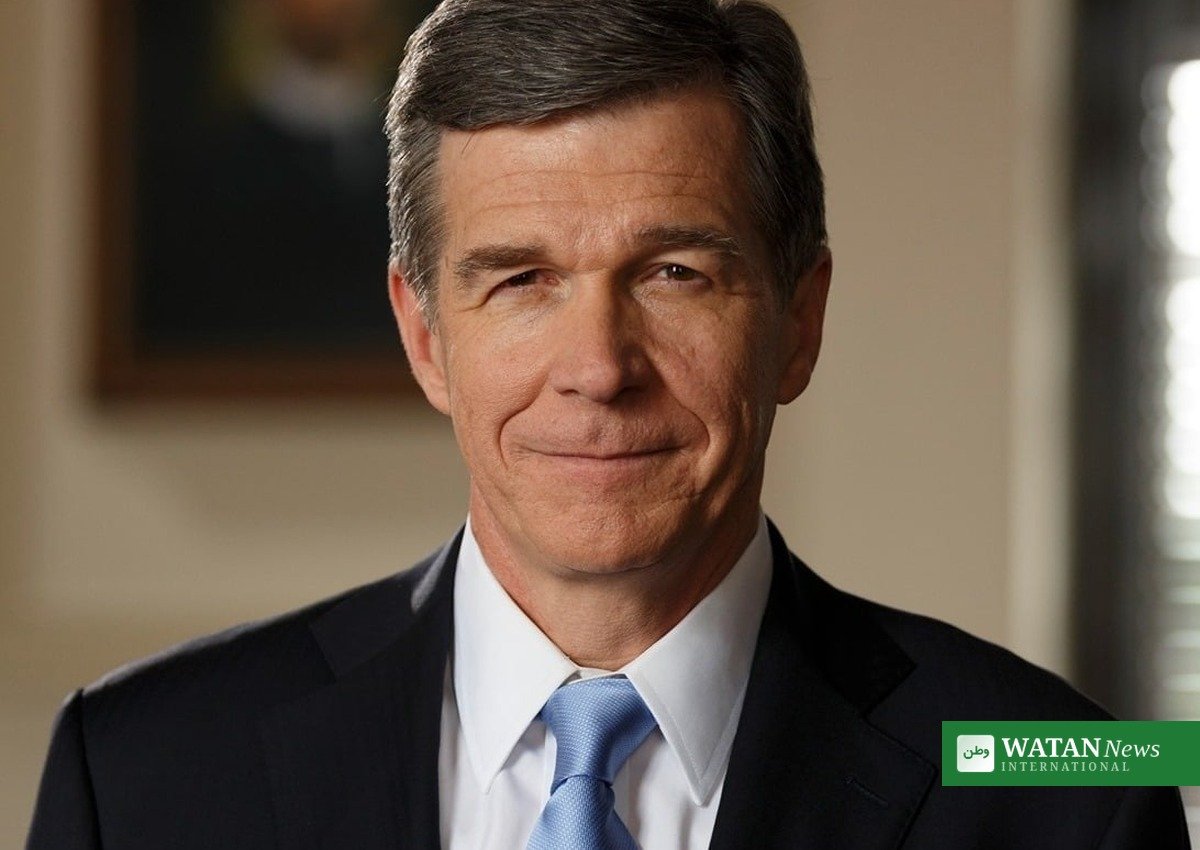
Former North Carolina governor Roy Cooper, 69, defeated Republican Michael Whatley, the candidate backed by President Donald Trump, according to media projections reported by Reuters and the Associated Press. Cooper will succeed Republican Senator Thom Tillis, who retired rather than seek a third term.
Democrats entered election night needing a net gain of four seats to take control of the 100-member Senate from the Republicans, who held a 53–47 majority. Thirty-five Senate seats and all 435 seats in the House of Representatives were on the ballot.
FAKTA: Democrats flip North Carolina Senate seat
- The headline result: Democrat Roy Cooper won North Carolina’s Senate race, defeating Trump-backed Republican Michael Whatley, according to media projections.
- Why it matters: It is the Democrats’ first pickup of a Republican-held Senate seat in the 2026 midterms, in their bid for the net gain of four seats needed for a Senate majority.
- Georgia hold: Democratic Senator Jon Ossoff, 39, was projected to win re-election in Georgia, defeating Republican Mike Collins.
- New Hampshire: Democrat Chris Pappas was projected to win the state’s open Senate seat.
- Florida: Republican Senator Ashley Moody was projected to hold her seat against Democrat Angie Nixon.
- Still undecided: Control of the Senate and the House had not been decided as counting continued in several states; final results in close races may take days.
Cooper’s win in North Carolina
Cooper, a former two-term governor, campaigned on the high cost of food and energy, Reuters reported, as President Trump’s approval ratings fell. He becomes North Carolina’s first Democratic senator-elect since 2008 and only the fourth in the last 50 years, according to the Associated Press.
“I’m going to be a strong, independent senator for North Carolina,” Cooper promised supporters, the Associated Press reported.
Whatley, a former chairman of the Republican National Committee who had never held elective office, campaigned alongside Trump in North Carolina. Tillis, whom Cooper succeeds, announced his retirement after breaking with Trump over Medicaid cuts in the president’s signature tax and spending law, Reuters reported.
North Carolina routinely elects Democrats as governor but usually sends Republicans to the Senate, and the state backed Trump in the last three presidential elections — a pattern Cooper’s victory breaks, the Associated Press noted.
Ossoff holds Georgia, Pappas wins New Hampshire
In Georgia, Democratic Senator Jon Ossoff held his seat against Republican Representative Mike Collins, denying Republicans a seat they had seen as a top pickup opportunity, the Associated Press reported.

In New Hampshire, Democrat Chris Pappas was projected to win the open Senate seat, while in Florida, Republican Ashley Moody held off Democrat Angie Nixon, though the race was closer than expected, USA Today reported.
Democratic incumbents also held Senate seats in Rhode Island, Delaware, New Jersey and Virginia, according to projections reported during the night.
Senate control still undecided
Despite the early Democratic gains, the battle for Senate control was far from settled. Several competitive races in states including Alaska, Iowa, Kansas, Maine, Michigan, Ohio and Texas remained uncalled, and the final balance may not be known for days.
More than 59 million people had already cast ballots before election day, according to an Associated Press analysis, surpassing early-voter turnout from 2022.
Counting in the House of Representatives, where all 435 seats were contested, was also still under way, with Democrats needing a net gain of just a few seats to reclaim the majority they lost in January 2025.
What happens next
Vote counting will continue in the coming days, and several close races may not be called until more ballots are counted. The new Congress is due to be sworn in on 3 January 2027.
For more coverage of politics and elections in the Americas, see Watan News’ America coverage.
Author

usmanch0013@gmail.com
Related Posts

Shell Signs Exclusive Deal for 150,000 Tonnes a Year of SAF From Planned Morocco Plant
- 0
- 1,016 word
Shell will exclusively buy about 150,000 tonnes a year of sustainable aviation fuel from Green Sky Manara's planned Port Nador plant in...
Read out all
Spain’s Transport Minister Óscar Puente Resigns After Deadly Urda Train Crash
- 0
- 588 words
Spain's Transport Minister Óscar Puente has resigned six days after the Urda train crash killed 69 people, saying a minister cannot stay...
Read out all
Planting Trees Can Raise Wildfire Risk, Global Study Warns — Location Matters
- 0
- 989 words
A global PNAS study of 67,248 planted-forest patches finds afforestation raised wildfire occurrence by 26% on average — with the sharpest rises...
Read out all
Western Australia Passes 5.73 Billion Containers Returned in Six Years
- 0
- 694 words
Western Australia's Containers for Change scheme has passed 5.73 billion containers returned since October 2020, generating more than $22.26 million in donations...
Read out all
India Sets Out COP31 Priorities: Predictable Climate Finance, Not New Top-Down Targets
- 0
- 757 words
India has set out its negotiating priorities for COP31 in Antalya, putting predictable, public and concessional climate finance first and insisting that...
Read out all
World Court to Rule in Rohingya Genocide Case on 19 November
- 0
- 621 words
The International Court of Justice will deliver its judgment on 19 November 2026 in Gambia's genocide case against Myanmar over the treatment...
Read out all