
- 0
- 439 words
The planet has just logged its second-warmest July ever recorded, the EU’s Copernicus Climate Change Service (C3S) has confirmed, as extreme heat, drought and wildfires battered multiple regions at once.
July 2026 was only marginally cooler than July 2024 – by just 0.01°C – so the two months are considered the joint-second warmest Julys on record, behind the record set in July 2023. The global average surface air temperature reached 16.90°C: 0.67°C above the 1991–2020 average and 1.47°C above the estimated pre-industrial level.
FAKTA
- July 2026: joint second-warmest July on record (with July 2024), behind July 2023 – Copernicus C3S
- Global average: 16.90°C, 1.47°C above the estimated 1850–1900 pre-industrial baseline
- Ocean temperatures hit a record July high: 20.96°C across extra-polar oceans, beating the 2023 record of 20.89°C
- Western Europe endured its hottest June–July period on record (21.62°C), with its third and fourth heatwaves since May
- Last 12 months (Aug 2025–Jul 2026): 1.45°C above pre-industrial, per C3S
Second-Warmest July: What the Numbers Show
Because July is typically the warmest calendar month of the year, Copernicus notes that July 2026 was also the joint-second-warmest month ever recorded globally. The US NOAA reached a similar conclusion, calling July 2026 and July 2024 more likely than not the warmest months on record since 1850.
Global sea surface temperatures reached a new monthly high for July, driven in part by strengthening El Niño conditions in the Pacific. Record July sea surface temperatures were also recorded along Europe’s Atlantic coast and in the western Mediterranean, where widespread marine heatwaves developed.
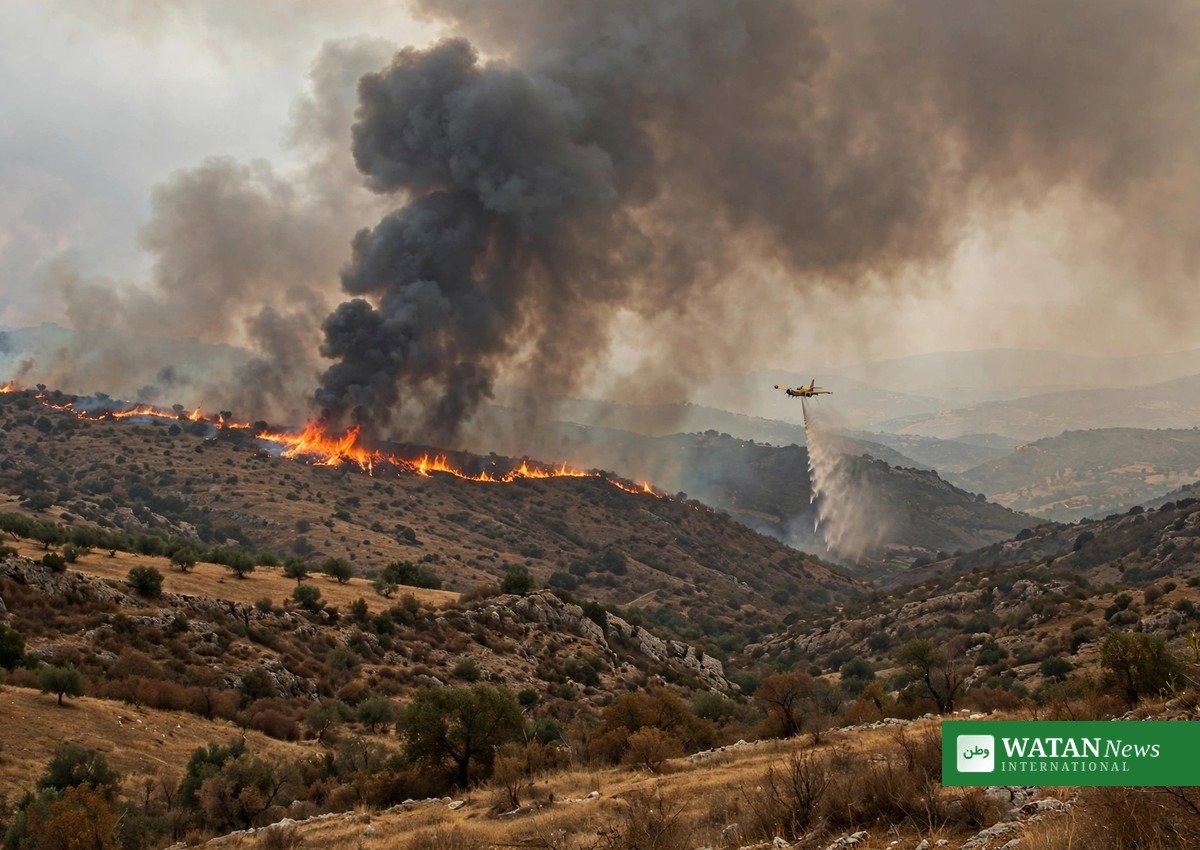
Europe Scorched: Heatwaves, Wildfires and Failing Rivers
“July 2026 was the third consecutive month of exceptional heat in western Europe,” said Samantha Burgess, strategic lead for climate at ECMWF, noting that persistent high-pressure systems trapped heat over the region while dried-out soils lost their natural cooling ability – “a clear example of how climate change is intensifying heat extremes.”
Prolonged hot and dry conditions spread intense wildfires across the region. River flows were much lower than average or exceptionally low – particularly the Seine, Rhine and Danube – straining water supply, irrigation, river transport and energy production in several countries.
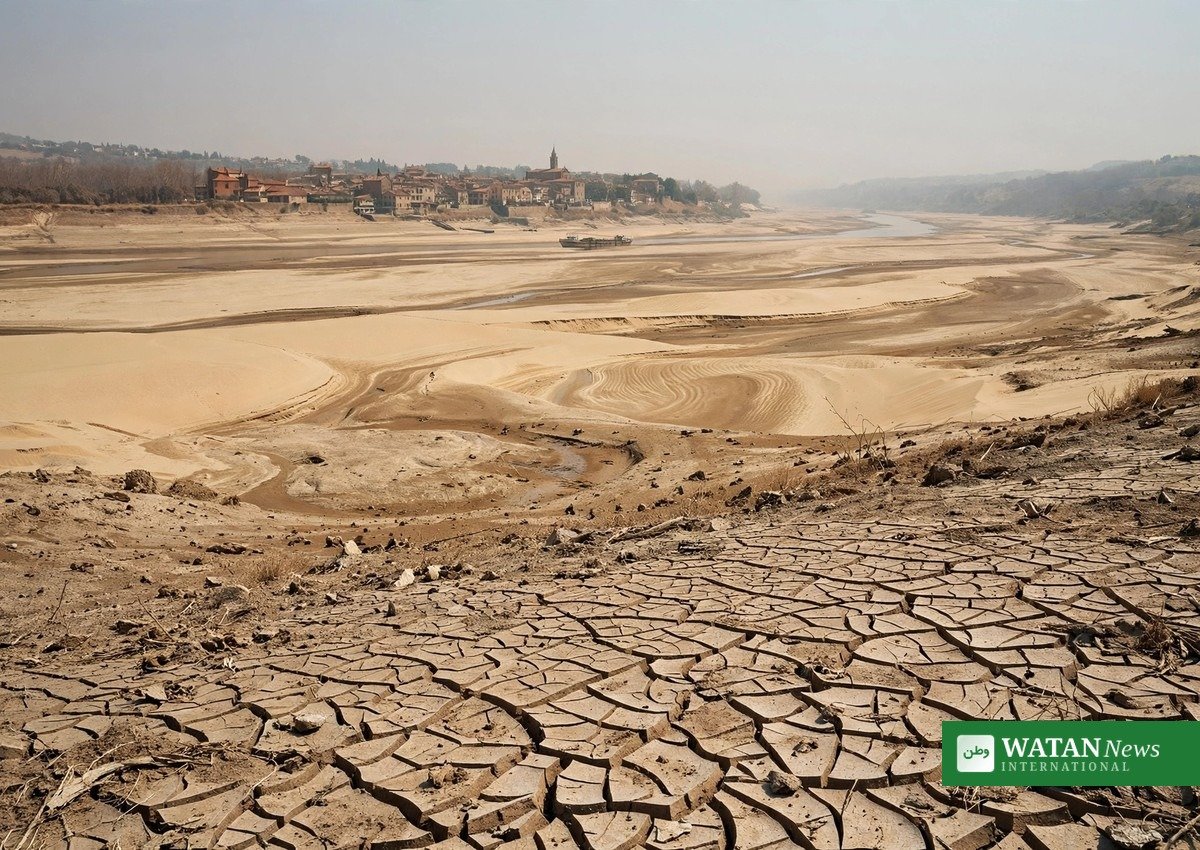
The Call for Early Warnings
The World Meteorological Organization community says the continuing series of high-impact weather and climate events underscores the need for reliable forecasts and early-warning systems to limit cascading impacts on societies and economies. Read related reporting in our El Niño heat-deaths study and climate coverage.
The full figures are published in the Copernicus July 2026 climate bulletin and summarised by China Daily Asia.
Author

asantechpvt@gmail.com
Related Posts

Russian Drone Strikes Kill Three Across Ukraine, Cut Power to 370,000
- 0
- 419 words
Russian drone strikes across Ukraine killed at least three people and knocked out electricity to around 370,000 residents in the northwestern Volyn...
Read out all
Israeli Settlers Torch Olive Trees, Injure Photojournalist in West Bank Harvest Attack
- 0
- 484 words
Dozens of Israeli settlers attacked Palestinian olive harvesters in Abu Falah, West Bank, torching olive trees and injuring two people, including a...
Read out all
Candiru Spyware Ads Planted Zero-Click Spyware on 45 Al Jazeera Devices, Citizen Lab Says
- 0
- 621 words
Researchers have uncovered the first confirmed case of mercenary spyware being delivered to victims through ordinary online advertisements, infecting dozens of devices...
Read out all
Indonesia Forest Fires: Prabowo Approves Foreign Help as Haze Chokes Region
- 0
- 500 words
Indonesia has approved foreign firefighting help as its worst forest fires in a decade choke the region. Hundreds of thousands face breathing...
Read out all
Saudi Coalition Intercepts Cruise Missile Over Medina, Houthis Deny Involvement
- 0
- 678 words
The Saudi-led coalition says it intercepted and destroyed a cruise missile over Medina province on Thursday; the Houthis deny involvement.
Read out all
China Philippines Tensions Rise as Manila Calls Envoy Remarks a Threat
- 0
- 493 words
The China Philippines tensions flared again on Friday after the Philippine government accused Beijing’s ambassador of making what it described as a...
Read out all