
- 0
- 483 words
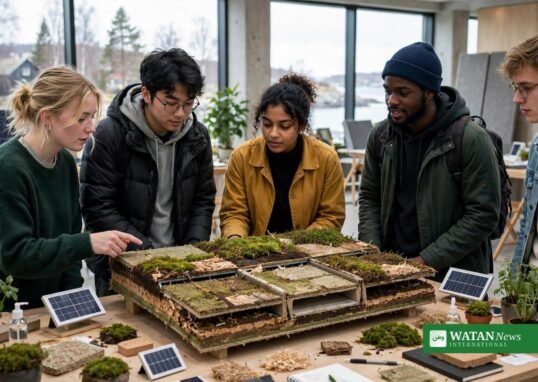
More than 280 young students from Australia, New Zealand, the Pacific and the EU have turned the pressure of looming climate negotiations into working solutions, building 47 prototypes in 60 hours in the European Union’s first regional youth climate hackathon — timed to feed fresh youth-led ideas into COP31.
Called Climate Hack-tion, the fully online event ran from 2 to 4 October 2026, just days before the COP31 Pre-COP in Fiji (5–8 October). Each team tackled one of the COP31 presidency’s priority areas: electrification, waste and methane reduction, resilient cities and buildings, green industrialisation, and climate awareness and education. The solutions reflected the region’s own challenges — flooding, extreme heat, waste and food security.
The winners were announced at an online ceremony on 12 October by EU Ambassador to Australia Lawrence Meredith, EU Ambassador-designate to New Zealand Lucie Samcová-Hall Allen and EU Ambassador to the Pacific Barbara Plinkert.
Youth climate hackathon winner: flood alerts from space
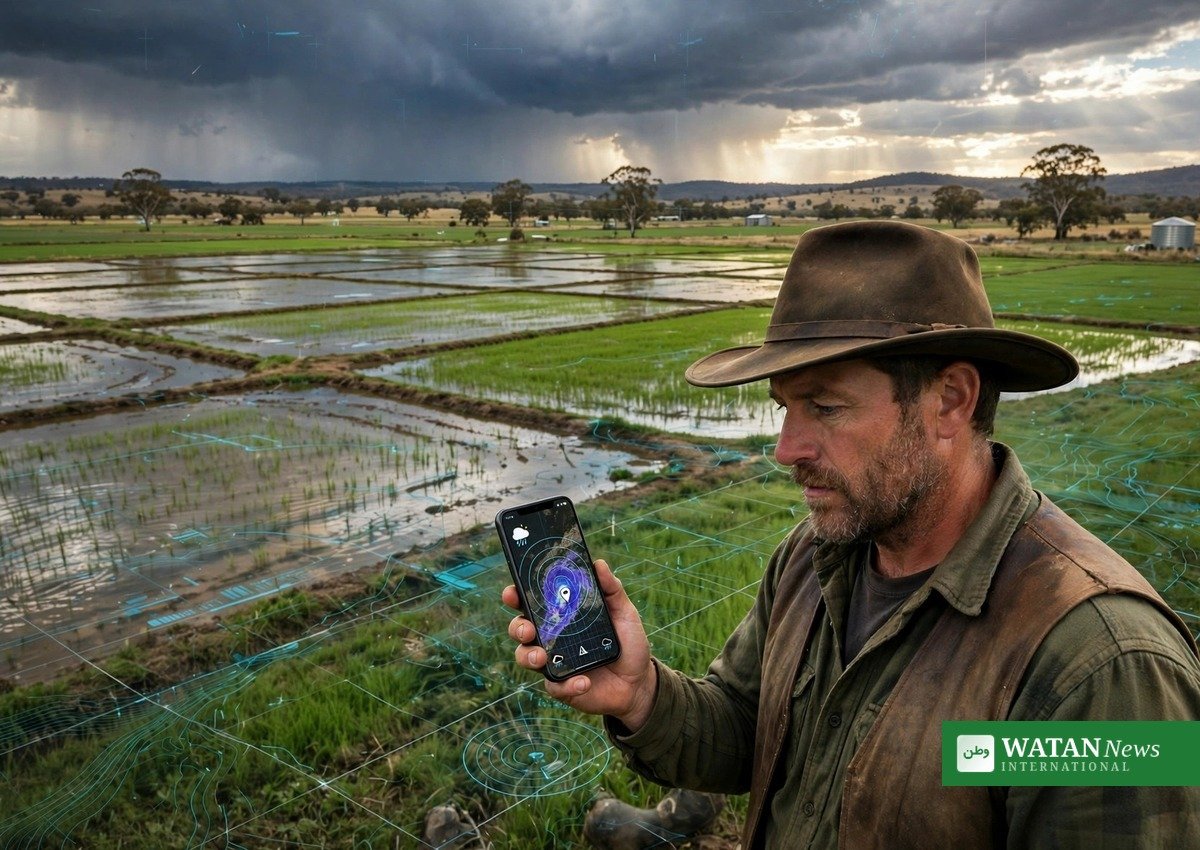
The top prize went to Draki, built by team Pixelers from the University of Queensland. Named after the Fijian word for weather, the tool uses free satellite data from the EU’s Copernicus programme to text farmers which paddocks will flood — and what to move before the water arrives.
Runner-up WasteWise, by Team Fusion (Monash University, University of Adelaide and UNSW), is an interactive game that teaches children to manage waste. The participants’ People’s Choice award went to SweatShell, built by the “Not So Hot” team of RMIT and University of Auckland students — a biodegradable roof sheet that cools buildings without electricity.
Special mentions went to ReSourceX (UNSW and UTS), a marketplace for recycled materials in Australia, and FieldLoss in the Pacific, a tool for measuring food loss.
Why it matters for COP31
With the 31st UN climate summit — COP31 in Antalya, Türkiye, from 9 to 20 November 2026 — only weeks away, the hackathon was designed to turn negotiating momentum into youth-led action. According to Ambassador Meredith, the students “took the climate priorities from the negotiating table to practical solutions for people — farmers, schools and communities could use tomorrow.”
The event was delivered by the EU Delegation to Australia together with the EU Delegations to New Zealand and the Pacific, signalling the EU’s investment in the young people who will carry the region’s climate partnership forward.
FAKTA
- What: Climate Hack-tion — the EU’s first regional youth climate hackathon.
- Who: 280+ university and TAFE students from Australia, New Zealand, the Pacific and the EU; 47 prototypes built.
- When: 60 hours online, 2–4 October 2026; winners announced 12 October 2026.
- Winner: Draki (team Pixelers, University of Queensland) — satellite-based flood alerts for farmers via EU Copernicus data.
- Runner-up: WasteWise (Team Fusion) — waste-management game for children.
- People’s Choice: SweatShell (Not So Hot) — biodegradable cooling roof sheet.
- Context: COP31 takes place in Antalya, Türkiye, 9–20 November 2026.
Young people are not waiting for the negotiating table to act — they are building the tools themselves. Read more climate coverage on the Watan News main site.
Author

usman2344913@gmail.com
Related Posts
280 unge innovatorer hacker klimaløsninger op mod COP31
- 0
- 488 words
Mere end 280 unge studerende fra Australien, New Zealand, Stillehavsøerne og EU har omsat presset fra de forestående klimaforhandlinger til konkrete løsninger:...
Read out all
نوجوانوں کے موسمیاتی ہیکاتھون میں 280 طلبہ نے 47 عملی حل تیار کیے
آسٹریلیا، نیوزی لینڈ، بحرالکاہل کے جزائر اور یورپی یونین کے 280 سے زائد طلبہ نے موسمیاتی مذاکرات کے دباؤ کو عملی حل...
Read out all
US Destroys Iranian-Affiliated Dhow in Gulf of Oman, CENTCOM Says
- 0
- 549 words
US Central Command says American forces destroyed an Iranian-affiliated dhow in the Gulf of Oman on October 6 after removing its crew,...
Read out all
Uttar Pradesh godkender politik for bæredygtigt flybrændstof
- 0
- 709 words
Uttar Pradeshs regering har godkendt en målrettet incitamentspakke til produktion af bæredygtigt flybrændstof fra landbrugsaffald og kommunalt affald med en femårig politikhorisont.
Read out all
اتر پردیش نے پائیدار ہوا بازی ایندھن کی تیاری کی پالیسی منظور کر لی
اتر پردیش کی کابینہ نے کھیتوں کے فضلے اور شہری کچرے سے پائیدار ہوا بازی ایندھن بنانے کے لیے خصوصی مراعاتی پیکیج...
Read out all
Uttar Pradesh approves sustainable aviation fuel manufacturing policy
- 0
- 686 words
Uttar Pradesh's Cabinet has approved a dedicated incentive package for sustainable aviation fuel production from farm waste and municipal refuse, with tiered...
Read out all