- 0
- 605 words
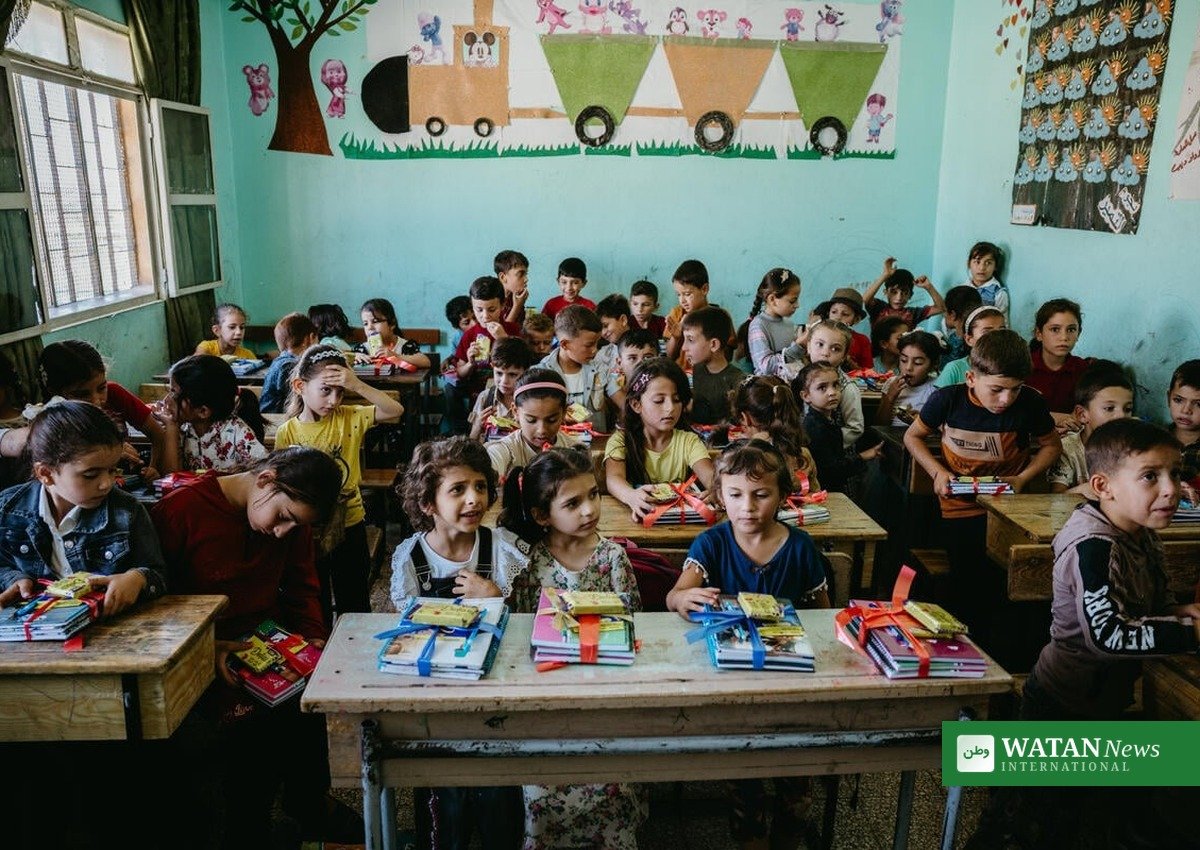
Nearly 5.8 million refugee children were out of school worldwide in 2025, as UNHCR’s 2026 education report warns that deepening funding cuts threaten to reverse years of hard-won progress in refugee children education.
FAKTA
- UNHCR’s annual education report, “Pathways to the Future: Education, Opportunity and Self-Reliance”, was released on October 2, 2026.
- An estimated 5.8 million — 44% of the world’s 13.1 million school-aged refugee children — were out of school in 2025.
- Gross enrolment stood at 65% at primary level, 32% at secondary level and 11% at tertiary level, a record high.
- More than 450,000 refugees were enrolled in higher education — the highest level ever recorded.
- UNHCR and partners are working towards 15% refugee enrolment in higher education by 2030.
Secondary School Is the Breaking Point
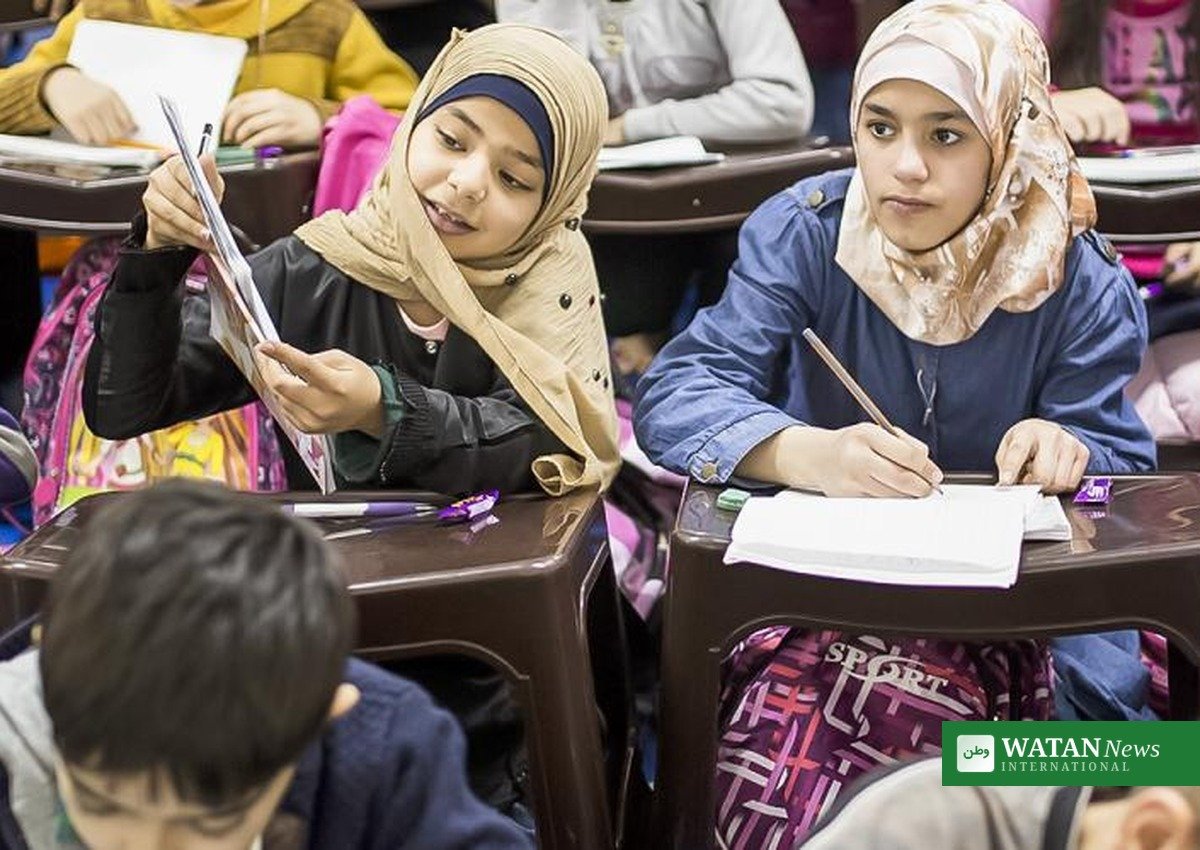
The transition from primary to secondary education remains one of the biggest challenges for refugee learners. While 65% of refugee children of primary-school age were enrolled in primary education in 2025, only 32% were enrolled in secondary education.
For refugee girls, the transition to secondary school is close to breaking point. While girls and boys attend primary school at broadly similar rates, the gap widens sharply in secondary education, as poverty, protection risks, early marriage and other pressures push increasing numbers of adolescent girls out of school.
Higher Education Reaches Record High
Against this backdrop, progress in higher education shows what sustained investment can achieve. Refugee tertiary enrolment reached a record 11% in 2025, up from 9% in 2024, with more than 450,000 refugees enrolled in higher education for the first time — the highest level recorded to date.
The increase keeps UNHCR and partners on track towards the goal of reaching 15% refugee enrolment in higher education by 2030, through expanded access to universities, vocational training, connected learning opportunities, scholarships and third-country education pathways.
| Education level | Refugee enrolment, 2025 |
|---|---|
| Primary | 65% |
| Secondary | 32% |
| Tertiary (higher education) | 11% — record high |
But access remains deeply unequal. In more than 80% of reporting countries, refugee enrolment in higher education stayed below the national average last year. In low-income and conflict-affected countries, just 2% of refugees were enrolled in higher education, compared to 13% of nationals.

Funding Cuts Threaten Progress
UNHCR warns that deepening cuts to humanitarian and development aid threaten to shut millions more children out of classrooms. The agency is urging international communities and development partners to safeguard education funding and invest in the national education systems of refugee-hosting countries.
“Education is protection. But it is also a pathway to opportunity and self-reliance,” said UN High Commissioner for Refugees Barham Salih. “At a time of severe pressure on humanitarian and development financing, cuts to education risk reversing decades of collective investment and closing opportunities for a generation of young people.”
Investing in refugee education also means strengthening the schools that serve refugees and host communities together. As more refugees learn alongside children from their host communities, schools need enough teachers, classrooms, learning materials and financing to make inclusion work in practice.
Related Articles
Read more: US Proposes $70,000 OPT Fee for International Students, Alarming Universities
Frequently Asked Questions
How many refugee children are out of school?
UNHCR estimates that 5.8 million — 44% of the world’s 13.1 million school-aged refugee children — were out of school in 2025.
What is the UNHCR 2026 education report called?
The report is titled “Pathways to the Future: Education, Opportunity and Self-Reliance” and was released on October 2, 2026.
What are the refugee enrolment rates by level?
In 2025, gross enrolment was 65% at primary level, 32% at secondary level and 11% at tertiary level — the highest tertiary figure ever recorded.
What is UNHCR’s 2030 higher education goal?
UNHCR and partners aim to reach 15% refugee enrolment in higher education by 2030.
How do funding cuts affect refugee education?
UNHCR warns that cuts to humanitarian and development financing risk reversing decades of investment and closing opportunities for a generation of young people.
Author

usman2344913@gmail.com
Related Posts
Vatican Confirms Pope Leo XIV Has Lung Cancer After Successful Surgery
- 0
- 459 words
The Vatican confirmed on Tuesday evening that Pope Leo XIV has lung cancer, announcing that surgeons removed the lower lobe of his...
Read out all
Sharlene Mawdsley at 28: The 400m Comeback She Never Imagined
- 0
- 1,036 word
The 2026 season gave Sharlene Mawdsley everything athletics can hand out — four personal bests in one summer, a Diamond League debut,...
Read out all
Duane “Keffe D” Davis Sentenced to 40 Years to Life for 1996 Murder of Tupac Shakur
- 0
- 493 words
Duane “Keffe D” Davis was sentenced to 40 years to life in prison on Tuesday for orchestrating the 1996 murder of rap...
Read out all
Atlanta’s First Climate Week Closes With Roadshow for City’s First Resilience Plan
- 0
- 514 words
Atlanta's first Climate Week (10–15 October) closes on Thursday with the 2026 Climate Resilient ATL Roadshow — the public launch of the...
Read out all
Zimbabwean Founders Raise $2M Pre-Seed for Voice AI Data Startup Ocular AI
- 0
- 864 words
Two Zimbabwean founders have raised $2 million in pre-seed funding for Ocular AI, their San Francisco startup building the training data behind...
Read out all
Dubai Property Q3 2026: 37,429 Sales Worth AED92.9 Billion as Rents Near Record
- 0
- 967 words
Dubai's property market recorded 37,429 sales transactions worth AED92.9 billion in the third quarter of 2026, with off-plan sales from developers continuing...
Read out all