- 0
- 929 words
A long-term “Food Is Medicine” program that gave people free weekly plant-based grocery boxes lowered blood pressure and body weight over nearly three years, according to a new study published in the October issue of the journal Preventing Chronic Disease.
FAKTA
- Study: 68 adults at the Mass General Brigham Revere Community Health Center in the Boston area, receiving plant-based grocery packages through a food pantry over an average of 2.7 years.
- Average participation: 97 food packages per person, each holding enough food for three meals a day for a week for every household member.
- Results per 100 packages: diastolic blood pressure fell by 3.21 mmHg, weight dropped by 2.6 kg (about 5.7 pounds), and BMI declined by 1.04 points.
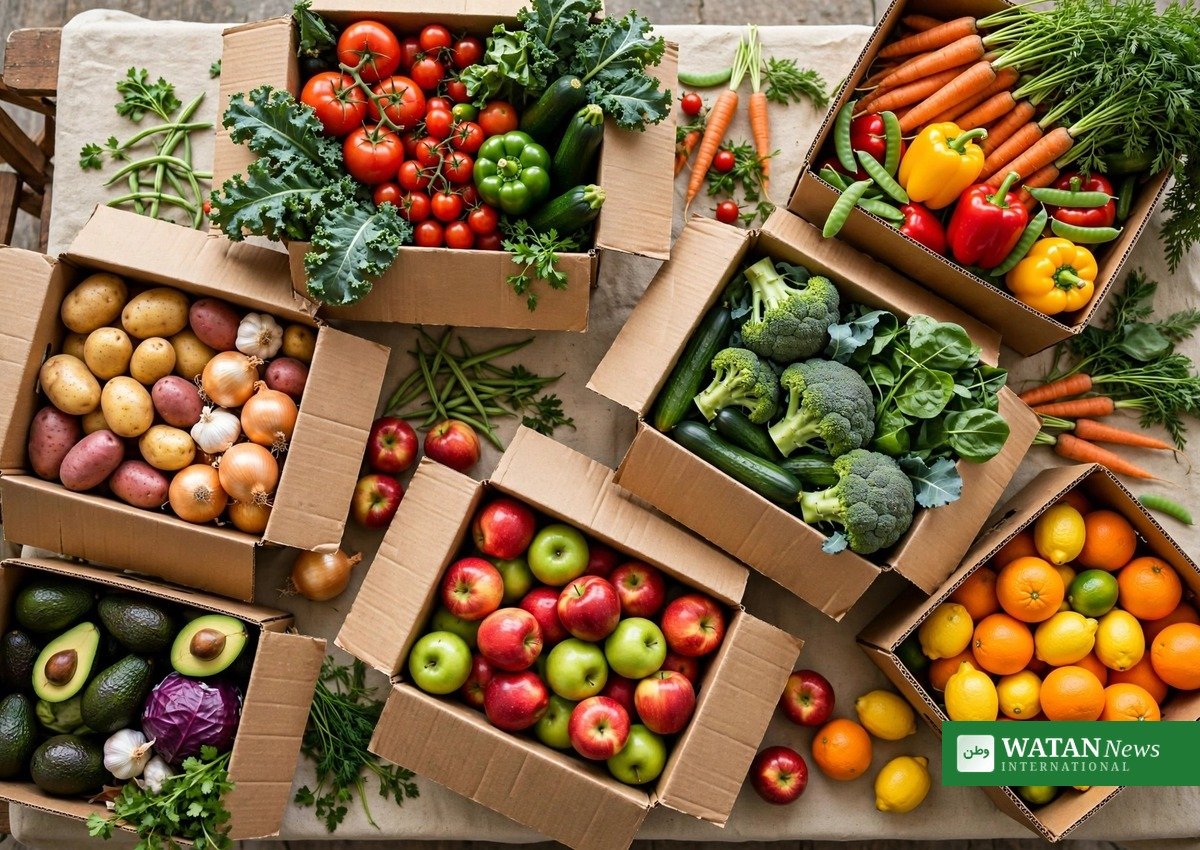
- Contents: fresh fruits and vegetables, canned beans, nut butter and whole grains, designed by a dietitian under the USDA 2020 Dietary Guidelines.
- Limitation: no significant improvement was found in hemoglobin A1c, a marker of diabetes, suggesting food support alone may not be enough for blood-sugar control.
The First Long-Term Look at Food as Medicine
Earlier “Food Is Medicine” research has shown that giving healthy food to sick people can help manage conditions such as type 2 diabetes and high blood pressure — but most studies followed participants for only weeks or months. This study is among the first to track what years of steady, high-quality food support do to long-term health.
Participants who collected more packages showed larger improvements — a clear dose-response relationship. “Our results suggest that plant-based food interventions are promising and, in the future, should focus on longer duration for improving cardiovascular and metabolic health,” said senior researcher Dr. Lauren Fiechtner, division chief of pediatric gastroenterology, hepatology and nutrition at Mass General Brigham for Children in Boston.
What Was in the Boxes
A registered dietitian designed the packages around the federal 2020 dietary guidelines. Each bundle contained fresh fruits and vegetables, canned beans, nut butter and whole grains — enough food for three meals per day for a week for every member of the household.
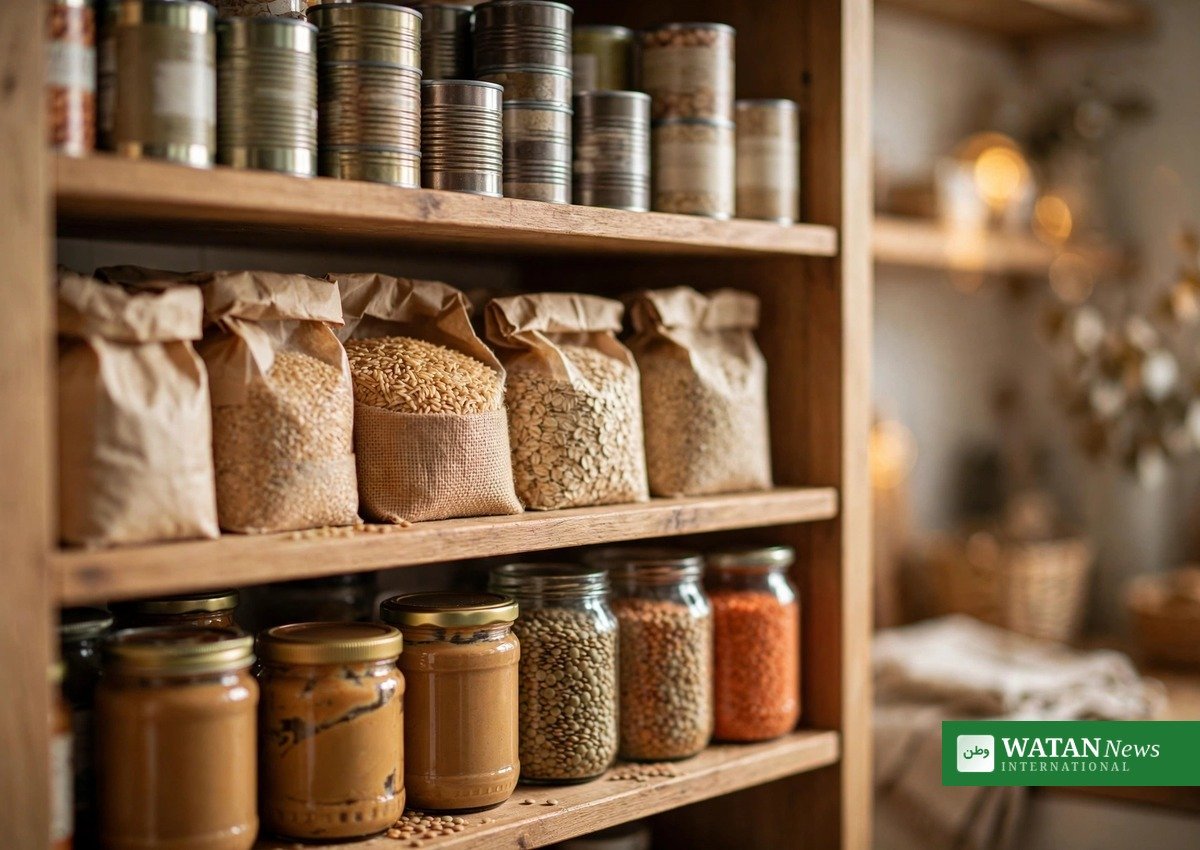
The program runs through a partnership between the Mass General Brigham Revere Community Health Center and the Greater Boston Food Bank, which alone delivered nearly 379,000 pounds of food to the health center’s pantry this year.
Food Is Medicine: The Numbers, Package by Package
Because participants could pick up boxes for as long as they wanted, researchers measured health changes for every 100 packages received — roughly two years of weekly pickups. The results are shown below.
| Health measure | Change per 100 packages |
|---|---|
| Diastolic blood pressure | Down 3.21 mmHg |
| Body weight | Down 2.6 kg (about 5.7 lbs) |
| Body mass index (BMI) | Down 1.04 points |
| Hemoglobin A1c (blood sugar) | No significant change |
People who started with higher blood pressure saw the biggest gains: those with a baseline systolic reading of 130 or above saw their top number fall by 5.83 mmHg per 100 packages, and those with a diastolic baseline of 80 or higher saw a 6.23 mmHg decline.

“High Potency” Food Support
“This paper has the potential to change the conversation about Food Is Medicine interventions,” said first author Dr. Jacob Mirsky, a primary care physician at Mass General Brigham Revere Community Health Center and the medical director for the food pantry. He and his colleagues argue that future programs should offer frequent, high-quality, high-quantity food packages over long periods — “high potency” interventions that give patients the greatest chance of benefiting.
The lack of improvement in hemoglobin A1c is a caveat: researchers say glycemic control may need diabetes-specific components beyond general healthy groceries. Still, for blood pressure and weight, the message is encouraging — steady access to wholesome food can act like a slow, reliable medicine.
For households struggling with food insecurity, the study offers evidence that consistent nutrition support is not just short-term relief. Over time, it may reshape long-term health — one grocery box at a time.
Related Articles
Chronic Insomnia Linked to 26% Higher Stroke Risk, Major Review Finds
Frequently Asked Questions
What is a “Food Is Medicine” program?
It is a health initiative that provides people with healthy food — in this case, weekly plant-based grocery packages — as part of their care, on the idea that good nutrition can help prevent and manage chronic disease.
What did the new study find?
Over about 2.7 years, adults who collected more weekly food packages had lower diastolic blood pressure, lower body weight and lower BMI. Every 100 packages was linked to a 3.21 mmHg drop in diastolic pressure, a 2.6 kg weight loss and a 1.04-point BMI decline.
Where was the study conducted?
The program ran through the Mass General Brigham Revere Community Health Center in the Boston area, in partnership with the Greater Boston Food Bank. The findings were published in the October issue of the journal Preventing Chronic Disease.
What was in the grocery boxes?
Fresh fruits and vegetables, canned beans, nut butter and whole grains — designed by a dietitian according to the USDA 2020 Dietary Guidelines, with enough food for three meals a day for a week for each household member.
Who benefited most?
Participants who began with elevated blood pressure saw the largest improvements: systolic pressure fell by 5.83 mmHg per 100 packages for those starting at 130 or above, and diastolic pressure fell by 6.23 mmHg for those starting at 80 or above.
Did the program help with diabetes?
Not measurably. There was no significant improvement in hemoglobin A1c, a key diabetes marker. Researchers suggest blood-sugar control may need additional diabetes-specific support beyond general healthy groceries.
Why does the duration of the study matter?
Most earlier Food Is Medicine studies lasted only weeks or months. This is one of the first to follow participants for years, showing that the benefits of healthy food support can build up over time — and that longer programs may be more effective.
Author

usman2344913@gmail.com
Related Posts

Vatican Confirms Pope Leo XIV Has Lung Cancer After Successful Surgery
- 0
- 459 words
The Vatican confirmed on Tuesday evening that Pope Leo XIV has lung cancer, announcing that surgeons removed the lower lobe of his...
Read out all
Sharlene Mawdsley at 28: The 400m Comeback She Never Imagined
- 0
- 1,036 word
The 2026 season gave Sharlene Mawdsley everything athletics can hand out — four personal bests in one summer, a Diamond League debut,...
Read out all
Duane “Keffe D” Davis Sentenced to 40 Years to Life for 1996 Murder of Tupac Shakur
- 0
- 493 words
Duane “Keffe D” Davis was sentenced to 40 years to life in prison on Tuesday for orchestrating the 1996 murder of rap...
Read out all
Atlanta’s First Climate Week Closes With Roadshow for City’s First Resilience Plan
- 0
- 514 words
Atlanta's first Climate Week (10–15 October) closes on Thursday with the 2026 Climate Resilient ATL Roadshow — the public launch of the...
Read out all
Zimbabwean Founders Raise $2M Pre-Seed for Voice AI Data Startup Ocular AI
- 0
- 864 words
Two Zimbabwean founders have raised $2 million in pre-seed funding for Ocular AI, their San Francisco startup building the training data behind...
Read out all
Dubai Property Q3 2026: 37,429 Sales Worth AED92.9 Billion as Rents Near Record
- 0
- 967 words
Dubai's property market recorded 37,429 sales transactions worth AED92.9 billion in the third quarter of 2026, with off-plan sales from developers continuing...
Read out all