- 0
- 852 words
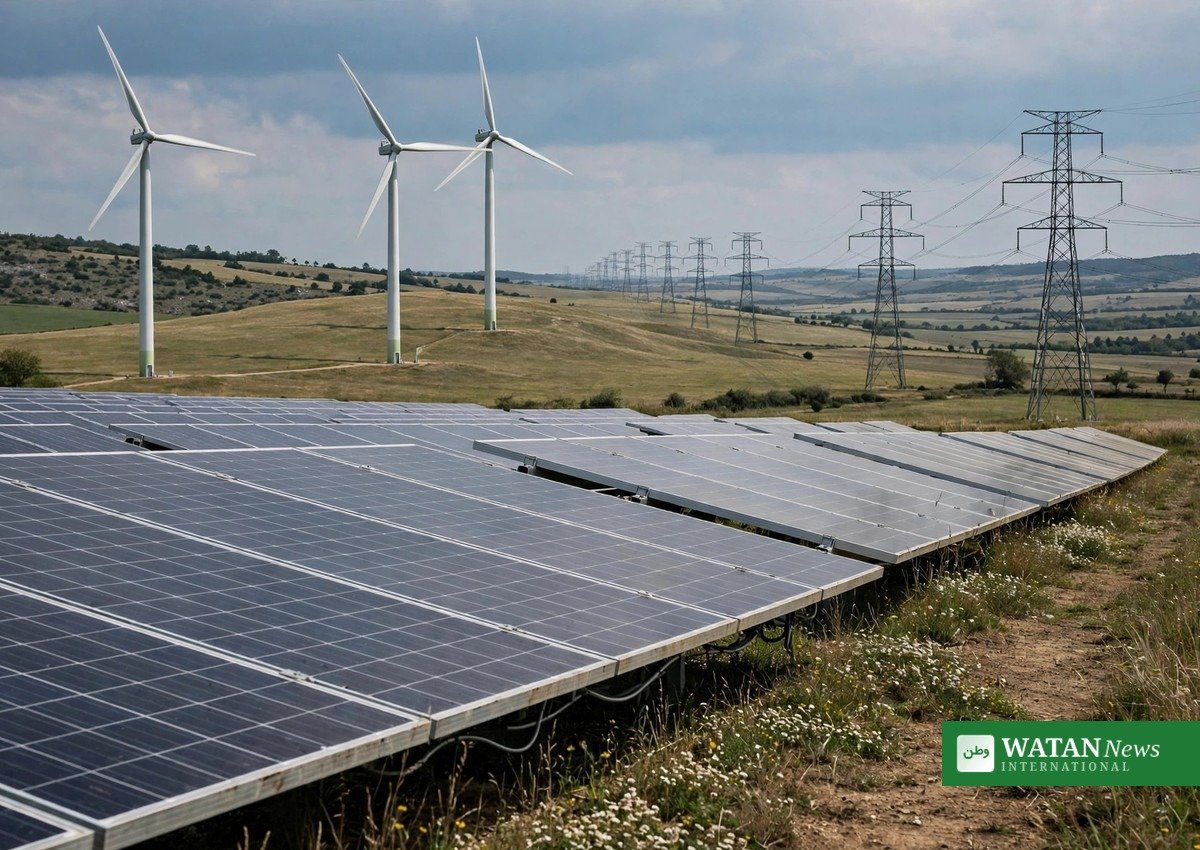
The world will add less clean energy capacity in 2026 than it did last year, for the first time in five years, because electricity grids are not keeping pace with the solar and wind power being built, the head of the International Renewable Energy Agency (IRENA) said on 27 October 2026.
IRENA Director-General Francesco La Camera gave the warning to Reuters on the sidelines of the Singapore International Energy Week conference, pointing to inadequate transmission networks and trade barriers as the brakes on a run of annual growth that has lasted since 2021.
Clean energy capacity growth hits a grid bottleneck
“The main cause of a lack of new record in additions this year is the mismatch between generation capacity and the capacity to distribute and transmit electricity,” La Camera said.
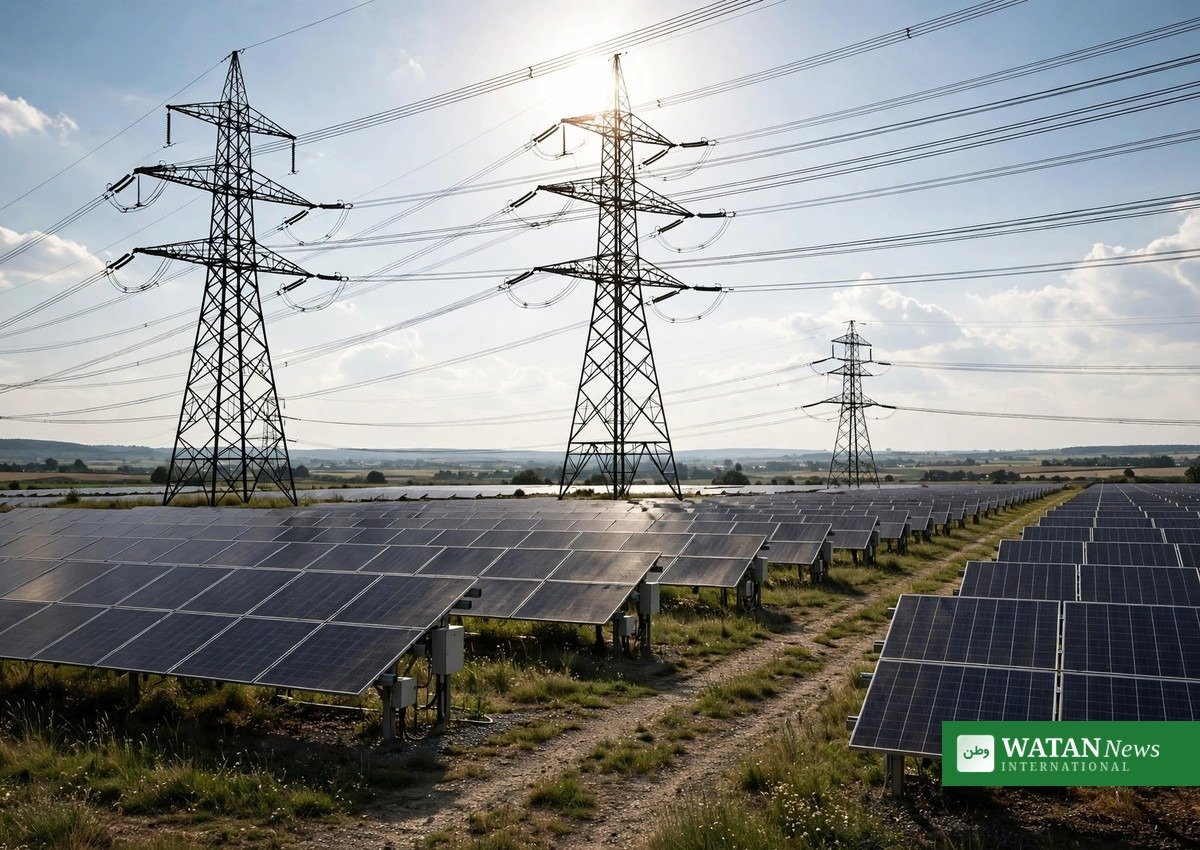
In practice, that mismatch means clean power is being generated faster than it can be carried to homes, factories and cities. Where a grid reaches its limits, operators reject, or curtail, clean electricity — power that is produced but cannot be used.
La Camera said there has been a slowdown in renewables deployment in China because of curtailment. China, the world’s biggest renewable energy producer, turned away enough clean energy in the first half of 2026 to power Mexico for a year, he said.
Networks in Australia and Japan also failed to keep pace with a surging renewables buildout, according to La Camera.
A record year, then a slower one
The warning follows a record year. Clean power installations, including hydropower, surged by a record 692 gigawatts (GW) in 2025, a rise of 15.5 percent, taking total clean power capacity to 5,149 GW — about half of the world’s power capacity.
Growth in solar and wind capacity has accelerated every year since 2021, when the coronavirus pandemic disrupted global supply chains. The 2026 slowdown therefore breaks a five-year pattern of ever-larger annual additions, rather than reversing the buildout itself: new capacity is still being added, but at a lower rate than in 2025.
La Camera said the increase in clean energy capacity in the rest of the world this year is unlikely to offset the slowing down in China. He declined to give a numerical forecast for total additions in 2026.
Why the slowdown matters for climate goals
Renewable energy additions are crucial to reducing global emissions, because every gigawatt of clean power that reaches the grid can displace electricity from fossil fuels. When clean power is curtailed, that climate benefit is lost even though the panels and turbines have already been built.
The warning comes as governments prepare for COP31, the UN climate conference to be held in Antalya, Türkiye, from 9 to 20 November 2026, where turning climate targets into working projects — including stronger grids — is expected to be central to the implementation debate.
The United Nations said in a report last week that urgent and stringent emission cuts are required to slow global warming, a reminder that the pace of clean energy deployment is not only an energy question but a climate one.
Related reading: IRENA: Renewable power must grow to 38.2 TW by 2050 as energy transition comes under stress.
Key Facts
- Warning: the world will add less clean energy capacity in 2026 than in 2025, for the first time in five years — IRENA Director-General Francesco La Camera, 27 October 2026.
- Main cause: a mismatch between generation capacity and the capacity to distribute and transmit electricity, plus trade barriers.
- 2025 record: clean power installations, including hydropower, rose 692 GW (15.5 percent) to 5,149 GW, about half of world power capacity.
- China: the world’s biggest renewable energy producer; curtailment slowed deployment, with enough clean energy turned away in the first half of 2026 to power Mexico for a year.
- Other grids under strain: networks in Australia and Japan also failed to keep pace with the renewables buildout.
- No forecast: La Camera declined to give a numerical forecast for 2026 additions.
Frequently asked questions
What does “adding less clean energy capacity” actually mean?
It means the amount of new solar, wind, hydropower and other clean capacity installed in 2026 is expected to be smaller than the record amount installed in 2025. It does not mean total clean capacity is falling — new capacity is still being added, just more slowly.
What is curtailment?
Curtailment is the rejection of clean power when a grid hits its limits. If transmission lines cannot carry the electricity being generated, operators turn that power away, so it is produced but never reaches consumers.
Why are transmission networks the bottleneck?
According to La Camera, generation capacity has grown faster than the capacity to distribute and transmit electricity. Without enough lines, substations and grid capacity, new wind and solar projects cannot deliver their full output.
How big was the 2025 record?
Clean power installations, including hydropower, surged by a record 692 GW in 2025, up 15.5 percent, taking total clean power capacity to 5,149 GW — about half of the world’s power capacity.
What happens next?
Governments and negotiators meet at COP31 in Antalya, Türkiye, from 9 to 20 November 2026, where implementation — including the grids, investment and projects needed to deliver climate targets — is expected to be a central theme. La Camera gave no numerical forecast for 2026 additions, so the final figure will only be known when full-year data are published.
Author

usmanch0013@gmail.com
Related Posts

برطانیہ نے تاریخی عمارتوں کے لیے ری یوز فرسٹ ہاؤسنگ پالیسی مسترد کر دی
برطانوی حکومت نے اراکین پارلیمنٹ کی ری یوز فرسٹ ہاؤسنگ پالیسی کی تجویز مسترد کر دی ہے، جس کے تحت خالی تاریخی...
Read out all
Storbritannien afviser genbrug-først-boligpolitik for historiske bygninger
- 0
- 951 words
Den britiske regering har afvist et forslag om en genbrug-først-boligpolitik, som ifølge parlamentsmedlemmer kunne omdanne tomme historiske bygninger til omkring 640.000 boliger.
Read out all
UK Rejects ‘Reuse-First’ Housing Plan for Historic Buildings
- 0
- 927 words
The UK government has rejected a 'reuse-first' housing policy that MPs said could turn vacant historic buildings into around 640,000 homes, ruling...
Read out all
China Tightens Drone Export Controls Ahead of November 18 Deadline
- 0
- 472 words
China will require export licences for high-performance drones and key components from November 18, 2026, under new dual-use controls announced on October...
Read out all
Two Men Charged Over RAF Fairford Plot to Assist Iran, UK Police Say
- 0
- 643 words
Two British men have been charged under the UK National Security Act over the September incident near RAF Fairford, with police saying...
Read out all
Verden vil tilføje mindre ren energikapacitet i 2026 for første gang i fem år, advarer IRENA-chef
- 0
- 897 words
IRENA-chef Francesco La Camera advarer om, at verden i 2026 vil tilføje mindre ren energikapacitet end i 2025, for første gang i...
Read out all