- 0
- 927 words
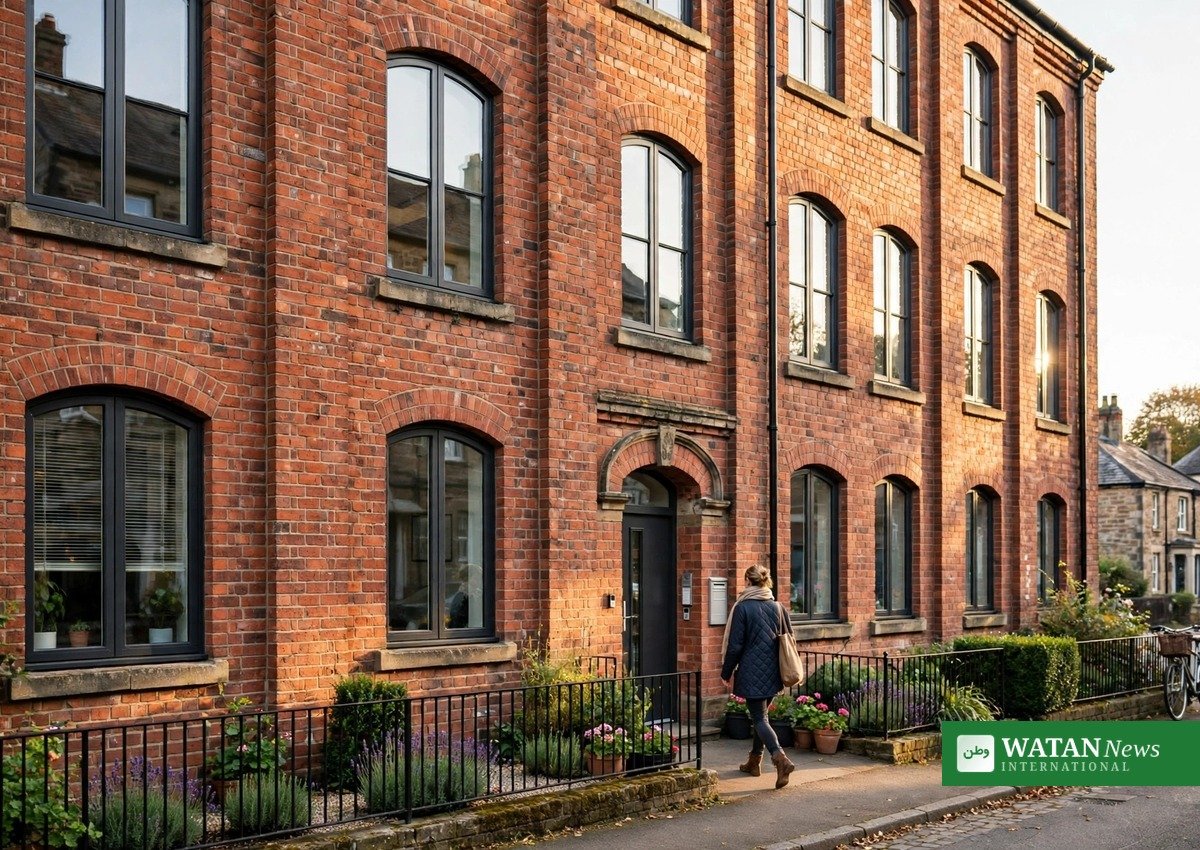
The United Kingdom government has rejected a call from MPs for a “reuse-first” housing policy that would prioritise turning vacant historic buildings into homes instead of building new ones.
The proposal came from Parliament’s Digital, Culture, Media and Sport (DCMS) Committee. Its report, Protecting Built Heritage, published in July 2026 after an inquiry lasting more than 18 months, argued that reusing empty historic buildings could unlock around 640,000 homes — nearly half of the government’s target of 1.5 million new homes.
What the committee proposed
The committee urged the government to adopt a “reuse first” approach to housing policy and to launch a heritage-to-housing scheme that would bring vacant and at-risk historic buildings back into residential use, with financial support for renovation and safeguards to ensure long-term occupation.
It also called on ministers to learn from international approaches, such as Italy’s €1 homes scheme, and to tackle skills shortages in the heritage workforce. The inquiry found listed buildings, churches, old factories and monuments across the country under significant and increasing strain from cost pressures, workforce shortages and a complex and inconsistent planning system.
Why reuse matters for sustainable living
Reusing an existing building avoids demolition waste and the bricks, steel, concrete and energy that a brand-new building would need. It also keeps homes inside existing communities, close to services and transport, rather than consuming new land.
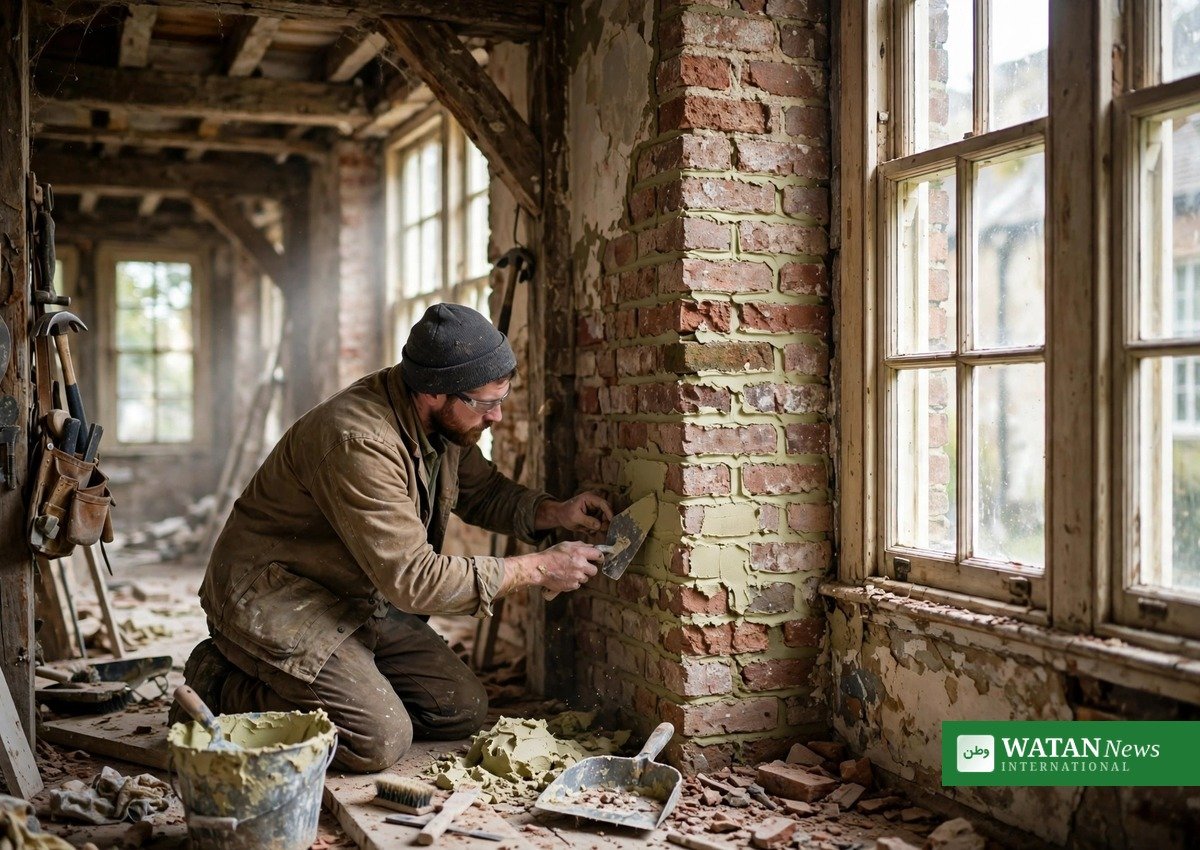
For households, a reused building is also a form of sustainable living in practice: the most resource-efficient home is often the one that already exists, brought back into use and made energy-efficient, rather than demolished and replaced.
The tax barrier
The committee warned that the current VAT regime discourages repairs and reuse by making them more expensive than new construction. Refurbishment work is charged VAT at 20 per cent, and the committee called for targeted relief for maintenance and conversion.
Heritage groups have long made the same argument: when repairing an old building costs more in tax than building anew, owners are pushed towards demolition and replacement.
What the government said
In its formal response, published in mid-October, the government rejected the suggestion that reuse should always be prioritised over new build and ruled out adopting a specific heritage-to-housing scheme.
It said it welcomed the committee’s recognition of the important role heritage buildings can play in tackling the housing shortage, and pointed to the revised National Planning Policy Framework, which makes clear that the long-term reuse of a vacant or underused listed building is an important public benefit to be weighed against any harm in planning decisions.
Ministers also said they were making changes to business rates to support high streets, that developers’ top request was a simple, predictable planning system, and that the VAT system already incentivises reuse: converting a non-residential building into a home, or converting between residential uses, qualifies for a reduced VAT rate of 5 per cent.
Reaction
Dame Caroline Dinenage MP, chair of the DCMS Committee, criticised the response. “We asked the government to show some ambition and imagination when it comes to protecting built heritage,” she said. “Instead, we’ve got a load of wishy-washy words about the importance of our historic environment with very little tangible detail on what is being done to safeguard its future or unlock its full potential.”
She added: “The government needs to wake up to their voices, learn from other approaches and show it has a serious plan to protect and make the most of built heritage in our communities.”
Key facts
- Around 640,000 homes could be unlocked by reusing vacant historic buildings, according to the DCMS Committee’s report.
- That is nearly half of the government’s target of 1.5 million new homes.
- The Protecting Built Heritage report followed an inquiry lasting more than 18 months and was published in July 2026.
- Refurbishment work is charged VAT at 20 per cent; the government notes a reduced 5 per cent rate applies to certain conversions into homes.
- The government has ruled out a dedicated heritage-to-housing scheme, but says the revised planning framework treats long-term reuse as an important public benefit.
Related reading: how repair and reuse shrink household footprints.
Frequently asked questions
What does a “reuse-first” policy mean?
It means that before a new building is approved, developers and owners would first have to show they have considered reusing an existing vacant or underused building — in this case, historic buildings — for homes.
How many homes could reuse unlock?
Around 640,000 homes, according to the DCMS Committee’s Protecting Built Heritage report — nearly half of the government’s 1.5 million-home building target.
Why is VAT part of the debate?
The committee says the current VAT regime charges 20 per cent on refurbishment, making repairs more expensive than new construction and discouraging reuse. The government replies that converting buildings into homes already qualifies for a reduced 5 per cent VAT rate.
What will the government do instead of a reuse scheme?
It points to the revised National Planning Policy Framework, under which the long-term reuse of a vacant or underused listed building counts as an important public benefit in planning decisions, alongside changes to business rates and a simpler, more consistent planning system.
Does this affect only historic buildings?
The committee’s report covers listed buildings, churches, old factories and monuments. But the wider principle — reusing what already exists instead of demolishing and rebuilding — applies to all kinds of buildings and is a core idea of sustainable living.
The debate is not over: with no dedicated scheme adopted, the future of thousands of vacant historic buildings will now be decided case by case through the planning system — and campaigners say the tax question remains unresolved.
Author

usmanch0013@gmail.com
Related Posts
برطانیہ نے تاریخی عمارتوں کے لیے ری یوز فرسٹ ہاؤسنگ پالیسی مسترد کر دی
برطانوی حکومت نے اراکین پارلیمنٹ کی ری یوز فرسٹ ہاؤسنگ پالیسی کی تجویز مسترد کر دی ہے، جس کے تحت خالی تاریخی...
Read out all
Storbritannien afviser genbrug-først-boligpolitik for historiske bygninger
- 0
- 951 words
Den britiske regering har afvist et forslag om en genbrug-først-boligpolitik, som ifølge parlamentsmedlemmer kunne omdanne tomme historiske bygninger til omkring 640.000 boliger.
Read out all
China Tightens Drone Export Controls Ahead of November 18 Deadline
- 0
- 472 words
China will require export licences for high-performance drones and key components from November 18, 2026, under new dual-use controls announced on October...
Read out all
Two Men Charged Over RAF Fairford Plot to Assist Iran, UK Police Say
- 0
- 643 words
Two British men have been charged under the UK National Security Act over the September incident near RAF Fairford, with police saying...
Read out all
Verden vil tilføje mindre ren energikapacitet i 2026 for første gang i fem år, advarer IRENA-chef
- 0
- 897 words
IRENA-chef Francesco La Camera advarer om, at verden i 2026 vil tilføje mindre ren energikapacitet end i 2025, for første gang i...
Read out all
آئرینا کے سربراہ کی وارننگ: 2026 میں صاف توانائی کی نئی صلاحیت میں پانچ سال میں پہلی کمی
آئرینا کے سربراہ فرانسسکو لا کیمرا نے خبردار کیا ہے کہ دنیا 2026 میں 2025 کے مقابلے میں کم صاف توانائی کی...
Read out all