- 0
- 465 words
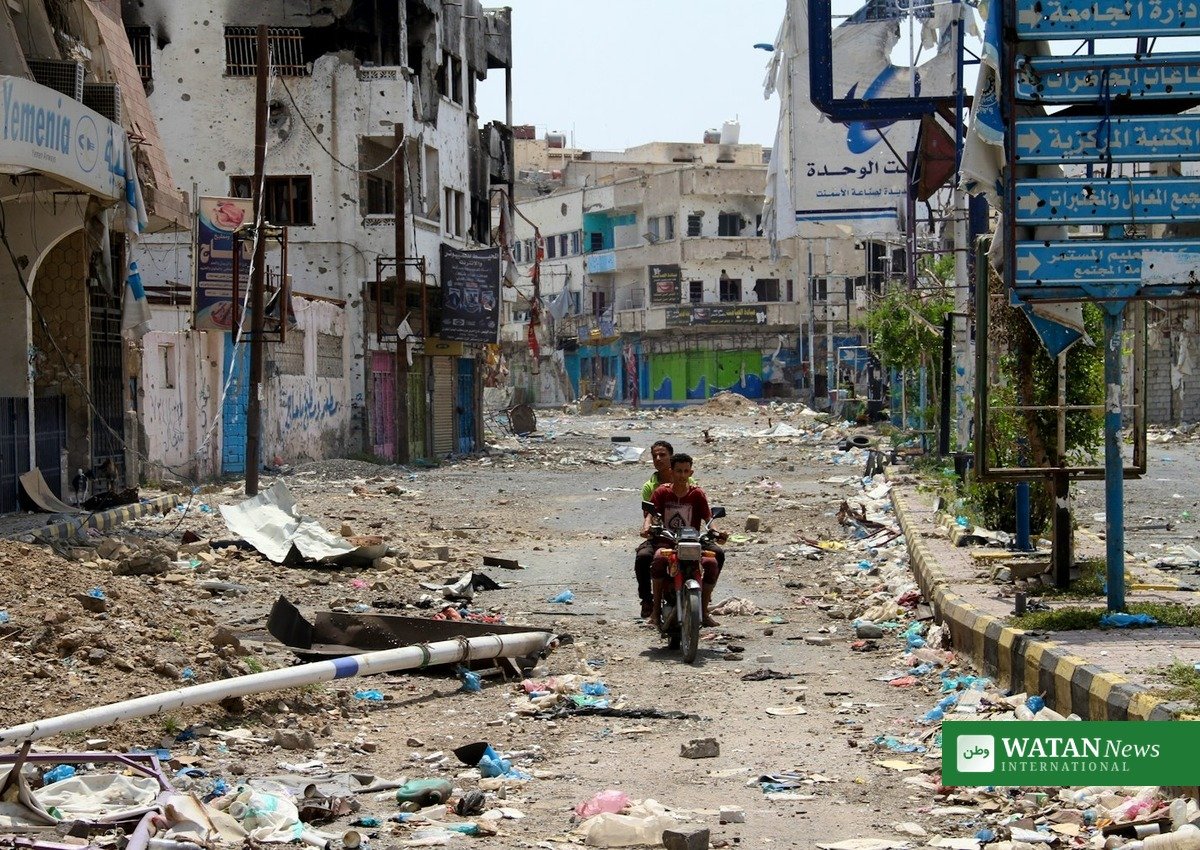
Nearly 1,700 people have been killed and more than 7,300 injured in Yemen since fighting flared again in August, the World Health Organization (WHO) has reported, in a toll that shows how heavily the latest escalation has fallen on civilians and on the health services meant to treat them.
The agency put the Yemen fighting toll at 1,677 deaths and 7,395 injuries. The bloodiest recent stretch came between 20 and 25 October, when 559 people were killed or wounded, an average of 93 casualties a day.
FAKTA: Yemen casualties since August
- Deaths: 1,677
- Injuries: 7,395
- Casualties between 20 and 25 October: 559, averaging 93 a day
- Worst-affected provinces: Taiz, Lahj and Marib
- Emergency aid sent to Taiz on 24 October: 56 trauma and emergency kits and about 30 tonnes of medical supplies
- Mobile medical teams still operating in Marib: 6 of 31
- Hospital hit: Al-Thawra General Hospital in Taiz city came under fire on 20 October, injuring three soldiers and one patient
Yemen fighting concentrated in three provinces
According to the WHO, the fighting has remained concentrated in Taiz, Lahj and Marib, while lower casualty figures were recorded in Aden, Al-Dhalea and Shabwa. Taiz itself remains divided: government forces hold the provincial capital and surrounding areas, while Houthi fighters control other parts of the province.
The latest escalation is part of a war that has run for more than a decade. The Houthis seized the capital, Sanaa, in September 2014, and a Saudi-led coalition intervened in March 2015 in support of the internationally recognised government. The renewed fighting since August has pushed an already fragile system closer to breaking point.
Hospitals struggle to cope
On 24 October, the WHO sent 56 trauma and emergency kits to Taiz, along with around 30 tonnes of medical supplies for three hospitals and one health centre. The shipment included 46 kits for trauma care and 10 for emergency health services. Even so, the agency said medical needs remain high in several areas.
In Marib, only six of the 31 mobile medical teams were still operating, sharply limiting treatment for people caught up in the conflict. Al-Thawra General Hospital in Taiz city came under fire on 20 October, leaving three soldiers and one patient injured. The WHO warned that damage to health facilities, together with shortages of medicine, fuel and water, could raise the risk of infectious disease outbreaks.
A toll that is probably understated
The WHO has previously cautioned that its counts almost certainly understate the true scale of the crisis, because it receives no casualty data from areas under Houthi control, where most of Yemen’s population lives. Independent monitors have put the wider death toll higher still, counting fighters as well as civilians.
The agency’s message is blunt: violence and supply shortages are making it harder for people to receive essential medical care, and health services must be protected and kept within reach. More international news is available on Watan News International’s English pages.
Author

usmanch0013@gmail.com
Related Posts

Hegseth Fires Pentagon’s Top Military Planner as US Weighs New Iran Strikes
- 0
- 789 words
US Defense Secretary Pete Hegseth has fired Lt. Gen. Brett Sylvia, the Pentagon's top military planner, amid an alleged leak investigation, as...
Read out all
UN Restoration Report Gives Climate Journalists a New Global Scorecard
- 0
- 1,185 word
The UN's first comprehensive restoration assessment, published on 29 October 2026, gives climate journalists a verifiable global scorecard: 252 million hectares under...
Read out all
UK Social Housing Upgrades Reach 74,900 Homes in Energy-Efficiency Push
- 0
- 810 words
Around 163,800 energy-efficiency measures have been installed in 74,900 social housing households in the UK, with insulation the most common upgrade, according...
Read out all
ECB Holds Interest Rates as Lagarde Announces Early Departure
- 0
- 658 words
The European Central Bank holds interest rates at 2.50 percent on Thursday, hours after President Christine Lagarde announced she will step down...
Read out all
Abbas Says Cyprus Can Play Key Role in Reviving Peace Talks
- 0
- 476 words
Palestinian President Mahmoud Abbas says Cyprus could play a very significant role in reviving peace talks, as he meets Cypriot President Nikos...
Read out all
US Renewables Supply Over 28% of Electricity as Solar and Wind Surge
- 0
- 869 words
Renewable energy supplied 28.1% of US electricity in January-August 2026, up from 26.2% a year earlier, as wind and solar together beat...
Read out all