- 0
- 588 words
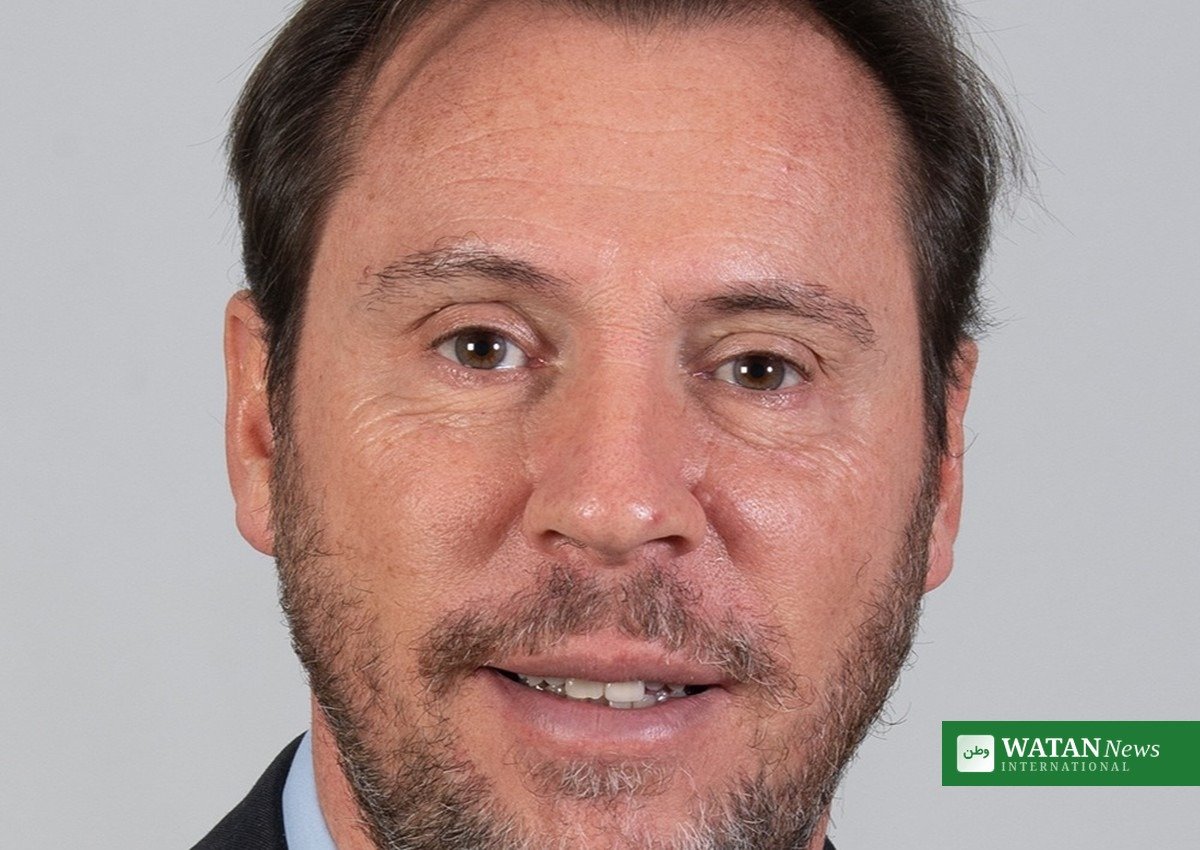
Spain’s Transport Minister Óscar Puente has resigned, six days after a high-speed train collision near the town of Urda killed 69 people, saying a minister cannot stay in office after two deadly rail accidents in less than a year.
Puente announced his decision on Tuesday evening at the end of an hours-long appearance before lawmakers in Madrid, where he had set out the government’s emergency aid package for victims and new rail safety measures. He also said he would not stand in the early parliamentary election due on 29 November.
FAKTA: Why Oscar Puente resigns
- Who: Óscar Puente, Spain’s Minister of Transport and Sustainable Mobility since November 2023.
- What: Puente announced his resignation on Tuesday 3 November and his withdrawal from the 29 November election lists.
- The Urda crash: On 28 October, a state-run Renfe high-speed train ran into a stationary private Iryo train near Urda, about 130 kilometres south of Madrid, killing 69 people and injuring nearly 200.
- The earlier crash: In January, another collision on the same Madrid–Seville line, at Adamuz in Andalusia, killed 46 people.
- His reason: “A transport minister in a country like Spain cannot remain in office after two accidents of this seriousness in less than a year.”
- What happens next: Services on the Madrid–Seville line will be reduced until the Railway Safety Agency reviews the line’s safety system, and the government completes the delayed rollout of the European Rail Traffic Management System.
The announcement in Congress
Puente told lawmakers he had made the decision about his future in the first few minutes after the Urda tragedy, but had chosen to remain in office until the immediate emergency response was under way, preliminary investigations had begun, and the first measures to compensate victims and improve rail safety had been put in place.
His departure had been demanded by opposition parties, and he had previously ruled out resigning on several occasions since the accident. Announcing the decision, he said he was not only stepping down as transport minister but also withdrawing his name from the lists for the early legislative elections on 29 November, an election Prime Minister Pedro Sánchez called less than four weeks ahead of the vote.
What happened at Urda
The 28 October crash took place after a signalling failure halted trains on a stretch of the Madrid–Seville line. Central controllers in Madrid then authorised the Renfe service to proceed, even though a stationary Iryo train was ahead of it and a red signal prohibited movement. Investigators estimated the impact speed at between 160 and 200 kilometres per hour.
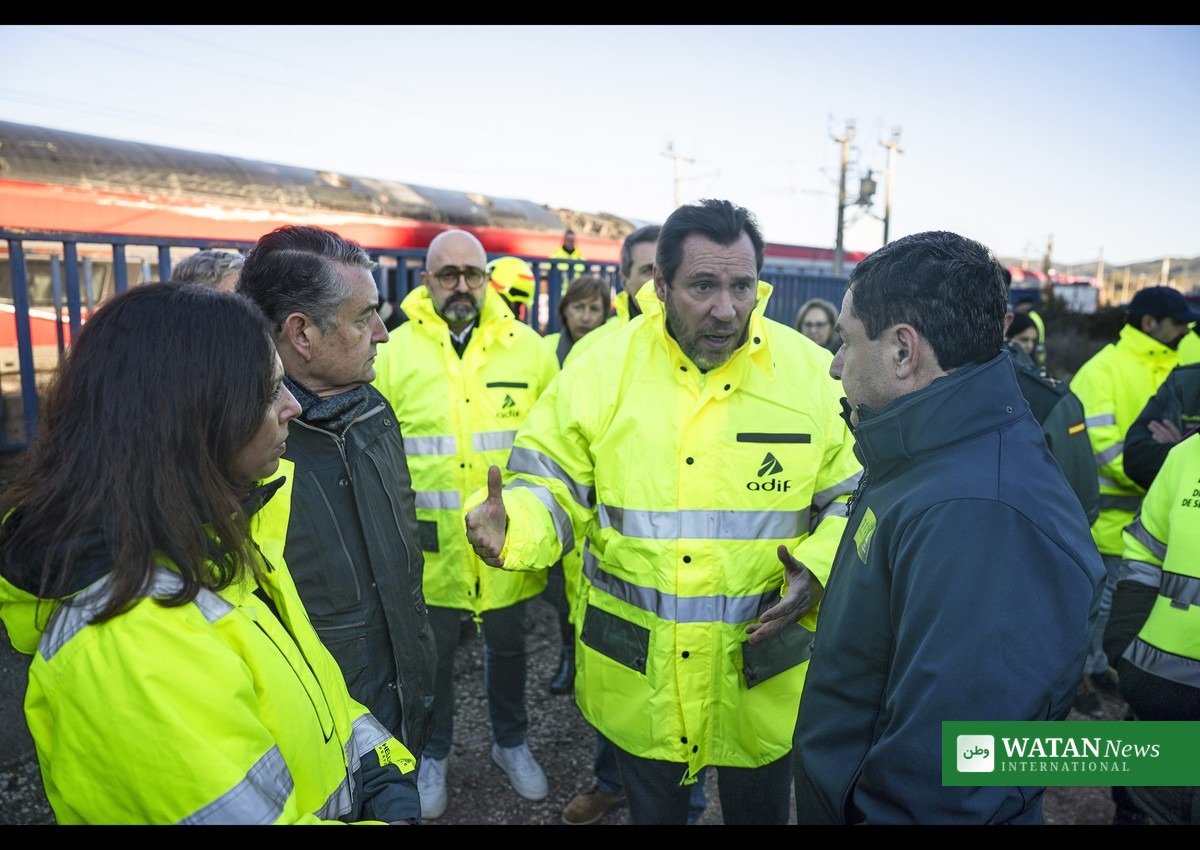
Puente had described the Urda collision last week as the result of a combination of human and computer errors. The crash was one of the worst rail disasters in Europe’s modern history, and Spain’s worst since 2013.
Safety measures and aid for victims
Earlier on Tuesday, before announcing his resignation, Puente set out a €30 million aid package for the families of the dead and those injured. Under the measures, services on the Madrid–Seville line will be reduced until the Railway Safety Agency reviews the line’s safety system and the government completes the delayed rollout of the European Rail Traffic Management System.
The January collision at Adamuz, which killed 46 people, involved the same companies on the same line. Together, the two disasters have overshadowed campaigning for the 29 November ballot.
For more coverage from the region, see Europe news on Watan News.
Author

usmanch0013@gmail.com
Related Posts
Shell Signs Exclusive Deal for 150,000 Tonnes a Year of SAF From Planned Morocco Plant
- 0
- 1,016 word
Shell will exclusively buy about 150,000 tonnes a year of sustainable aviation fuel from Green Sky Manara's planned Port Nador plant in...
Read out all
Planting Trees Can Raise Wildfire Risk, Global Study Warns — Location Matters
- 0
- 989 words
A global PNAS study of 67,248 planted-forest patches finds afforestation raised wildfire occurrence by 26% on average — with the sharpest rises...
Read out all
Western Australia Passes 5.73 Billion Containers Returned in Six Years
- 0
- 694 words
Western Australia's Containers for Change scheme has passed 5.73 billion containers returned since October 2020, generating more than $22.26 million in donations...
Read out all
India Sets Out COP31 Priorities: Predictable Climate Finance, Not New Top-Down Targets
- 0
- 757 words
India has set out its negotiating priorities for COP31 in Antalya, putting predictable, public and concessional climate finance first and insisting that...
Read out all
World Court to Rule in Rohingya Genocide Case on 19 November
- 0
- 621 words
The International Court of Justice will deliver its judgment on 19 November 2026 in Gambia's genocide case against Myanmar over the treatment...
Read out all
US Midterm Elections 2026: Americans Vote as Control of Congress Hangs in the Balance
- 0
- 676 words
Americans voted on 3 November 2026 in midterm elections for all 435 House seats, 35 Senate seats and governors in 36 states,...
Read out all