- 0
- 1,017 word
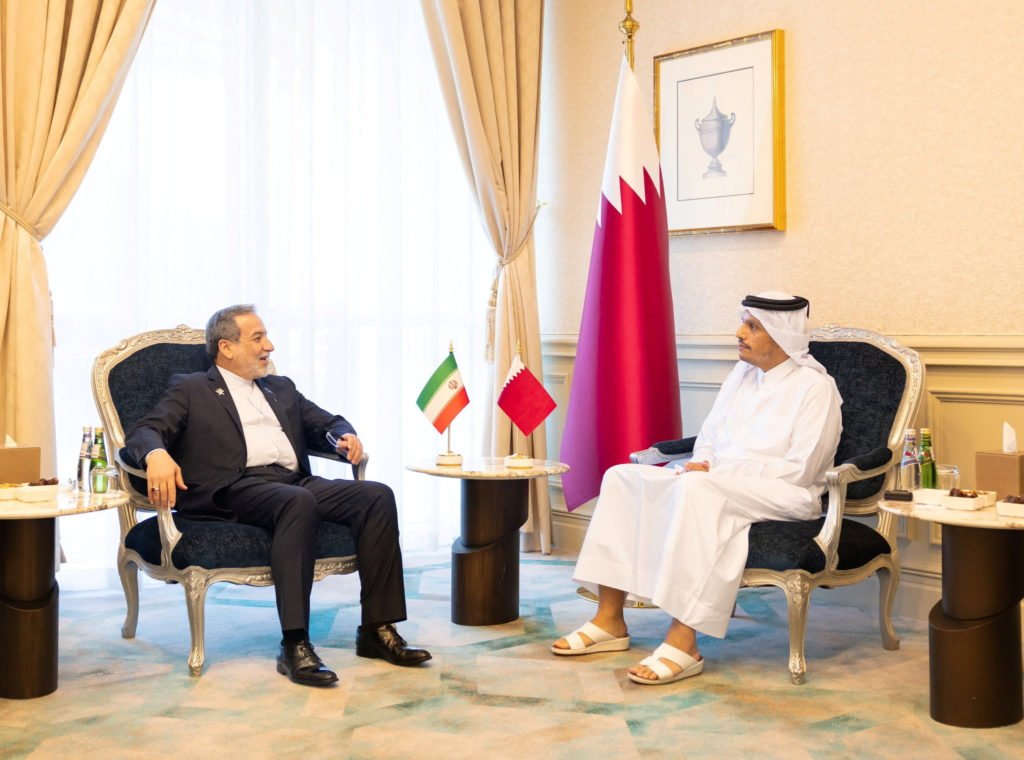
Israeli Prime Minister Benjamin Netanyahu has sparked controversy by labeling Qatar as a hostile state, amid ongoing tensions between the two nations. This statement comes nearly a year after Israel attacked Qatar during ceasefire talks with Hamas, highlighting the deep-seated animosity between the two countries. Netanyahu’s comments have significant implications for the region, particularly in the context of the Israeli-Palestinian conflict and the role of Qatar in facilitating peace talks.
The Israeli Prime Minister’s remarks were made in response to accusations about his government’s alleged ties to Qatar, which he dismissed as ‘one big bluff’. However, he seemed to defend Doha’s funding for Gaza, suggesting a complex and multifaceted relationship between Israel and Qatar. This nuanced stance reflects the intricate web of alliances and rivalries in the Middle East, where nations often navigate conflicting interests and priorities.
- Netanyahu calls Qatar a hostile state, escalating tensions between the two nations.
- The Israeli Prime Minister defends Doha’s funding for Gaza, highlighting the complex relationship between Israel and Qatar.
- The comments come nearly a year after Israel attacked Qatar during ceasefire talks with Hamas, underscoring the deep-seated animosity between the two countries.
Netanyahu’s Statement and Its Implications
Netanyahu’s statement has significant implications for the region, particularly in the context of the Israeli-Palestinian conflict. By labeling Qatar as a hostile state, the Israeli Prime Minister is likely to exacerbate tensions between the two nations, potentially undermining efforts to facilitate peace talks. However, his defense of Doha’s funding for Gaza suggests that there may be room for cooperation and diplomacy, particularly in areas where both countries share common interests.
Qatar’s Role in the Israeli-Palestinian Conflict
Qatar has long played a significant role in the Israeli-Palestinian conflict, providing financial support to Gaza and facilitating peace talks between Israel and Hamas. The country’s efforts have been seen as a positive force in the region, helping to alleviate the humanitarian crisis in Gaza and promote dialogue between the warring parties. However, Netanyahu’s statement suggests that Israel may be reevaluating its relationship with Qatar, potentially jeopardizing these efforts.
Regional Reactions and Future Prospects
The regional reaction to Netanyahu’s statement has been muted, with many countries in the Middle East choosing to avoid taking sides in the dispute. However, the statement is likely to have significant implications for the region, particularly in the context of the Israeli-Palestinian conflict. As Watan News continues to monitor the situation, it is clear that the relationship between Israel and Qatar will be a key factor in shaping the future of the region.
US Involvement and the Broader Geopolitical Context
The US has long been a key player in the Middle East, and its involvement in the Israeli-Palestinian conflict is likely to be significant. The US has historically been a strong ally of Israel, but it has also sought to promote peace and stability in the region. As tensions between Israel and Qatar continue to escalate, the US may be forced to intervene, potentially playing a mediating role in the dispute. Netanyahu’s statement is a clear indication that the situation is complex and multifaceted, requiring a nuanced and diplomatic approach to resolve.
Conclusion
In conclusion, Netanyahu’s statement labeling Qatar as a hostile state has significant implications for the region, particularly in the context of the Israeli-Palestinian conflict. The complex relationship between Israel and Qatar, combined with the involvement of other regional and global players, makes it difficult to predict the outcome of this dispute. However, one thing is clear: the situation requires a nuanced and diplomatic approach, one that takes into account the complex web of alliances and rivalries in the Middle East.
FAQs
Q1: What led to Netanyahu’s statement labeling Qatar as a hostile state?
A1: Netanyahu’s statement was made in response to accusations about his government’s alleged ties to Qatar, which he dismissed as ‘one big bluff’. The statement comes nearly a year after Israel attacked Qatar during ceasefire talks with Hamas, highlighting the deep-seated animosity between the two countries.
Q2: What are the implications of Netanyahu’s statement for the Israeli-Palestinian conflict?
A2: Netanyahu’s statement has significant implications for the region, particularly in the context of the Israeli-Palestinian conflict. By labeling Qatar as a hostile state, the Israeli Prime Minister is likely to exacerbate tensions between the two nations, potentially undermining efforts to facilitate peace talks.
Q3: What role has Qatar played in the Israeli-Palestinian conflict?
A3: Qatar has long played a significant role in the Israeli-Palestinian conflict, providing financial support to Gaza and facilitating peace talks between Israel and Hamas. The country’s efforts have been seen as a positive force in the region, helping to alleviate the humanitarian crisis in Gaza and promote dialogue between the warring parties.
Q4: How has the regional reaction been to Netanyahu’s statement?
A4: The regional reaction to Netanyahu’s statement has been muted, with many countries in the Middle East choosing to avoid taking sides in the dispute. However, the statement is likely to have significant implications for the region, particularly in the context of the Israeli-Palestinian conflict.
Q5: What is the potential role of the US in resolving the dispute between Israel and Qatar?
A5: The US has long been a key player in the Middle East, and its involvement in the Israeli-Palestinian conflict is likely to be significant. The US has historically been a strong ally of Israel, but it has also sought to promote peace and stability in the region. As tensions between Israel and Qatar continue to escalate, the US may be forced to intervene, potentially playing a mediating role in the dispute.
Q6: What is the likely outcome of the dispute between Israel and Qatar?
A6: The outcome of the dispute between Israel and Qatar is difficult to predict, given the complex web of alliances and rivalries in the Middle East. However, one thing is clear: the situation requires a nuanced and diplomatic approach, one that takes into account the complex relationship between Israel and Qatar, as well as the involvement of other regional and global players.
Author

usmanjaved13132@gmail.com
Related Posts
Deadly Clashes Erupt Along Sudan-South Sudan Border, Killing at Least 26
- 0
- 503 words
At least 26 people have been killed and 82 others injured in days of intercommunal fighting in a disputed region on the...
Read out all
Foreign Secretary Holds Farewell Interaction with Diplomatic Corps
- 0
- 587 words
Pakistan’s Foreign Secretary, Sohail Mahmood, held a farewell interaction with the diplomatic corps at the Foreign Office in Islamabad, marking the end...
Read out all
COP31 presidency and OECD announce Paris partnership on climate finance and delivery
- 0
- 504 words
President-Designate Murat Kurum frames climate finance as strategic security at OECD headquarters, cites Türkiye’s SURFF urban-resilience facility as an implementation bridge, and...
Read out all
Federal Urdu University launches beginner Russian language course
- 0
- 488 words
The Federal Urdu University of Arts, Science and Technology (FUUAST) has launched a beginner Russian language course. The one month course has...
Read out all
US House passes sweeping Russia sanctions bill, sending it to Trump
- 0
- 684 words
The US House of Representatives on Wednesday approved a sweeping package of sanctions aimed at squeezing Russia’s war economy, sending the legislation...
Read out all
Morocco’s 2026 Election: A Test of Political Trust and Engagement
- 0
- 532 words
Morocco’s 2026 parliamentary election is set to take place on September 23, with 27 political parties vying for 395 seats in the...
Read out all