- 0
- 1,087 word
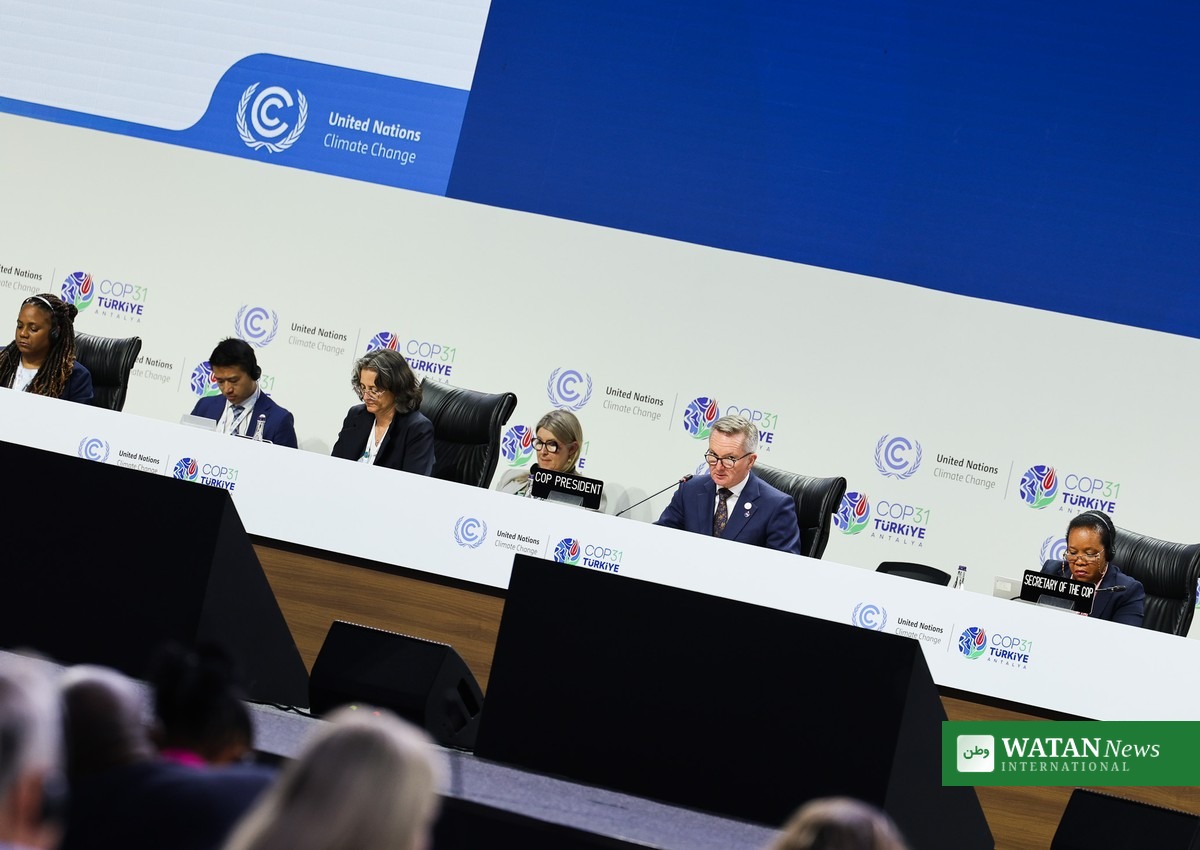
ANTALYA: A total of 3,645 journalists have registered to cover COP31 in Antalya, making it the second-largest press corps in the history of the climate talks — behind only COP3 in Kyoto in 1997, when 3,712 media representatives attended. The figure comes from Carbon Brief’s analysis of the UNFCCC’s provisional delegate lists, published on 10 November and updated on 11 November.
The press corps is part of a record gathering: 92,934 people registered to attend COP31 in person, with another 3,335 signed up virtually, taking the total past 95,000. Provisionally, that makes Antalya the largest COP ever held, topping COP28 in Dubai, which drew more than 80,000 people.
Who is in the room
The media breakdown sits alongside 18,812 party delegates, 13,388 observers, 16,726 overflow delegates and 39,400 other staff. Unusually, 14,285 people registered as host country guests — far above the 1,324 at COP30, 1,651 at COP29 and 4,202 at COP28.
Türkiye’s public broadcaster TRT is the most-represented media group at the summit, with more than 200 delegates. Other outlets with at least a dozen participants each include CNN, the Associated Press, the Financial Times, Bloomberg, Agence France-Presse, Reuters and Sky News.
The corps also includes journalists brought to Antalya specifically to widen coverage. Sixteen journalists from low- and middle-income countries are reporting from the summit as fellows of the Climate Change Media Partnership, as Watan News reported in October, and four Central Asian journalists — from Kazakhstan, Kyrgyzstan, Tajikistan and Uzbekistan — are attending through a funded programme run by MediaNet International Centre for Journalism with n-ost, covering travel, accommodation and a daily allowance. On Sunday 15 November, international journalists and climate policy experts gathered for the traditional COP reporters’ dinner in Kaleiçi, Antalya, organised by E3G and its partners with the Istanbul Policy Center.
Pools, queues and a 24-hour newsroom
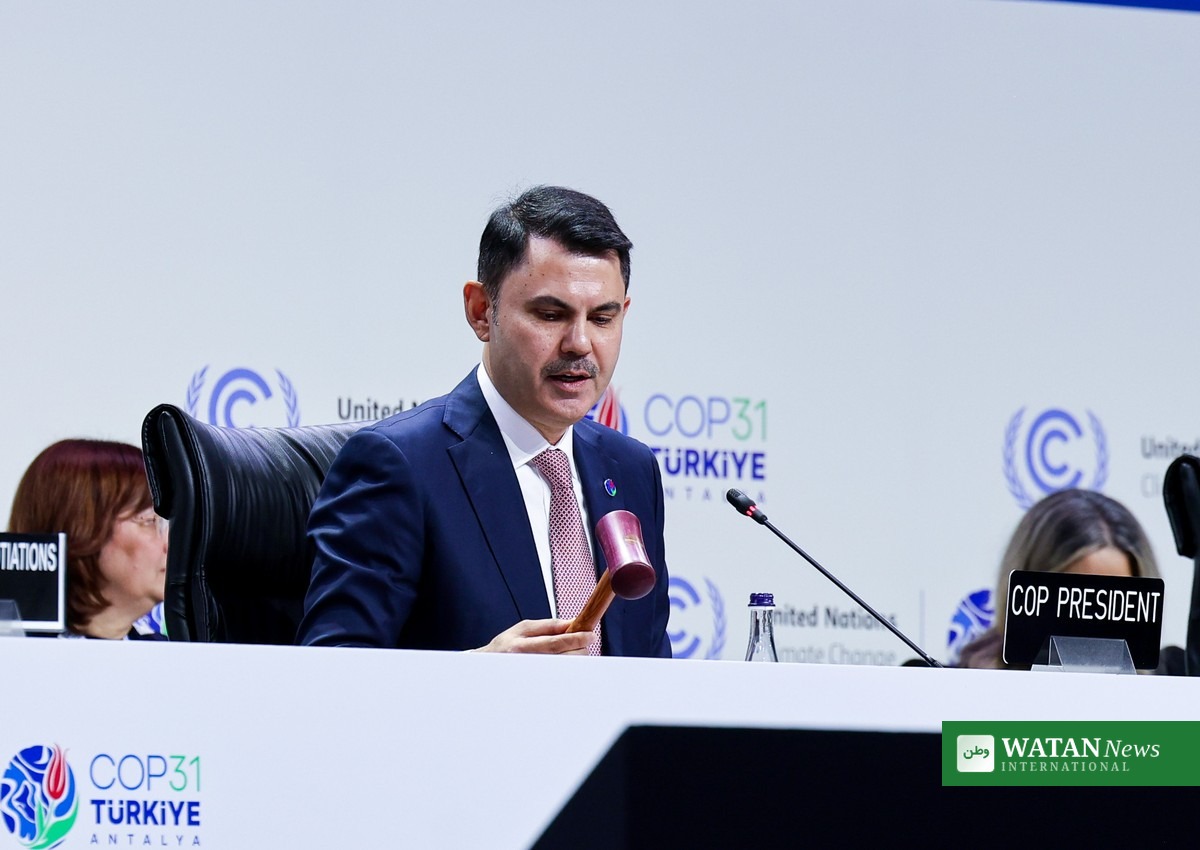
Covering the summit is not easy. The COP31 media centre has an overall capacity of 1,500, with 300 desks in its open writing area available on a first-come, first-served basis, according to the UNFCCC’s media logistics note. Media travelling on party delegation badges could use the centre on 11 and 12 November; from 13 November, only holders of a media badge are admitted.
Access to the biggest moments is tighter still. Media access to the Leaders’ Summit on 11 and 12 November was managed through official pools because of security and room capacity, and Bianet English reported that access to the summit was limited to a pool of about twenty journalists, chosen jointly by UN Climate and the Turkish government’s press services. On opening day, accreditation queues stretched past five hours, according to Premium Times, and The Independent’s correspondent reported taking nearly seven hours to reach the venue.
Once inside, the operation runs around the clock. The media centre is open 24 hours a day, with reduced services overnight; journalists wanting to work between 21:00 and 06:00 must notify the International Broadcast Centre by 18:00. Two press conference rooms divide the programme: Mevlana for UN officials, national delegations and intergovernmental organisations, and Yunus Emre for NGOs. Live broadcast feeds from the main plenary rooms and press conference rooms are provided to broadcasters free of charge.
Why the press corps matters
How many journalists attend a COP shapes what the world sees of it. The 3,645 in Antalya are the people translating twelve days of negotiation — on finance, adaptation, the just transition and the cover decision — into news for audiences in nearly 200 countries. The United States sent no official delegation for a second year, which makes independent reporting from the venue more important, not less: with no American federal voice in the rooms, the record of what was said and decided rests largely on the press.
The fellowships matter for the same reason. Veteran AP reporter Seth Borenstein, covering his eighth COP, called Antalya a smaller, process COP — but one where the details are crucial. Journalists from the countries most exposed to climate change are the ones best placed to report those details for the audiences who live with them, and the fellowship programmes are designed to put them in the room.
Key facts
- The press corps: 3,645 media representatives registered to attend COP31 in person — the second-largest media group in COP history, behind COP3 in Kyoto in 1997 (3,712).
- The summit: 92,934 people registered in person, plus 3,335 virtual delegates — provisionally the largest COP ever, topping COP28’s 80,000-plus.
- The breakdown: parties 18,812; observers 13,388; media 3,645; overflow 16,726; other and staff 39,400; host country guests 14,285.
- Biggest media group: TRT, Türkiye’s public broadcaster, with more than 200 delegates; CNN, AP, Financial Times, Bloomberg, AFP, Reuters and Sky News each have at least a dozen.
- The media centre: capacity 1,500, with 300 desks first-come, first-served; open 24 hours a day; two press conference rooms, Mevlana and Yunus Emre.
- Access: Leaders’ Summit media moments were covered through official pools; Bianet English reported a pool of about twenty journalists chosen jointly by UN Climate and the Turkish government’s press services.
- Fellowships: 16 Climate Change Media Partnership fellows from low- and middle-income countries, plus four Central Asian journalists funded by MediaNet and n-ost.
- Source: Carbon Brief analysis of the UNFCCC’s provisional delegate lists, published 10 November 2026 and updated 11 November.
Frequently asked questions
How many journalists are covering COP31?
According to Carbon Brief’s analysis of the UNFCCC’s provisional delegate lists, 3,645 media representatives registered to attend COP31 in person in Antalya — the second-largest press corps in COP history.
How does that compare with previous COPs?
Only COP3 in Kyoto in 1997 had a larger media group, with 3,712 journalists. The overall summit is provisionally the largest COP ever: 92,934 people registered in person, topping COP28 in Dubai, which drew more than 80,000.
How do journalists get into COP31?
Media must be accredited through the UNFCCC’s online registration system and collect a conference badge in person at the registration centre in Antalya. Media travelling on party delegation badges could use the media centre on 11 and 12 November; from 13 November, only media-badge holders are admitted.
What is the media centre like?
It has an overall capacity of 1,500, with 300 desks in the open writing area on a first-come, first-served basis, and it is open 24 hours a day. There are two press conference rooms — Mevlana for UN officials and delegations, and Yunus Emre for NGOs — and live broadcast feeds are provided free of charge.
Why does the size of the press corps matter?
The journalists in Antalya translate the negotiations into news for audiences in nearly 200 countries. With the United States sending no official delegation for a second year, independent reporting is a large part of the public record of what was said and decided — and fellowship programmes help journalists from the most climate-exposed countries report for the audiences who live with the consequences.
Author

usmanch0013@gmail.com
Related Posts
Imran Khan Appeals for Urgent Medical Help, Warns He ‘May Not Return Alive’
- 0
- 973 words
Pakistan's jailed former prime minister Imran Khan has appealed to the country's top judges for urgent medical treatment, warning that doctors say...
Read out all
3.645 journalister dækker COP31 – det næststørste pressekorps i COP-historien
- 0
- 1,097 word
I alt 3.645 journalister har registreret sig til at dække COP31 i Antalya — det næststørste pressekorps i COP-historien — mens topmødet...
Read out all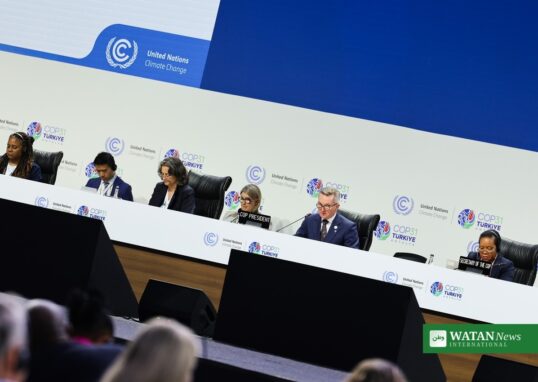
کاپ31 کی کوریج کے لیے 3645 صحافی انطالیہ میں — تاریخ کا دوسرا بڑا صحافتی دستہ
کاپ31 کی کوریج کے لیے 3645 صحافیوں نے انطالیہ میں رجسٹریشن کرائی ہے — موسمیاتی مذاکرات کی تاریخ کا دوسرا بڑا صحافتی...
Read out all
Tyrkiet løber tør for vand, mens COP31 vender sig mod natur og land
- 0
- 1,330 word
Halvdelen af Tyrkiets befolkning risikerer vandmangel i 2030, og 186 af landets 250 søer er udtørret på 50 år, mens COP31 i...
Read out all
کاپ31 کے میزبان ملک ترکیہ میں پانی کا بحران — آدھی آبادی خطرے میں
ترکیہ کی آدھی آبادی 2030 تک پانی کی قلت کے خطرے میں ہے اور 50 برس میں ملک کی 250 میں سے...
Read out all
Türkiye Is Running Out of Water as COP31 Turns to Nature and Land
- 0
- 1,261 word
Half of Türkiye's population faces water shortages by 2030 and 186 of the country's 250 lakes have dried up in 50 years,...
Read out all