- 0
- 1,261 word
ANTALYA: The country hosting COP31 is running out of water. Half of Türkiye’s population is at risk of water shortages by 2030, its lakes are vanishing, and last year brought the lowest rainfall in 61 years — a crisis now in full view as the climate summit in Antalya turns to water, nature and land on Tuesday, 17 November.
The warning was set out on 15 November by Climate Change News, in a report by Efe Baysal, who leads the Türkiye team of the global climate advocacy group 350.org. Its central figures are confirmed by independent reporting: National Geographic reported in December 2025 that 186 of Türkiye’s 250 lakes have dried up in the past 50 years, and a United Nations report warns the country could face severe drought by 2030, with 88 percent of its land at risk of desertification.
A country of vanishing lakes
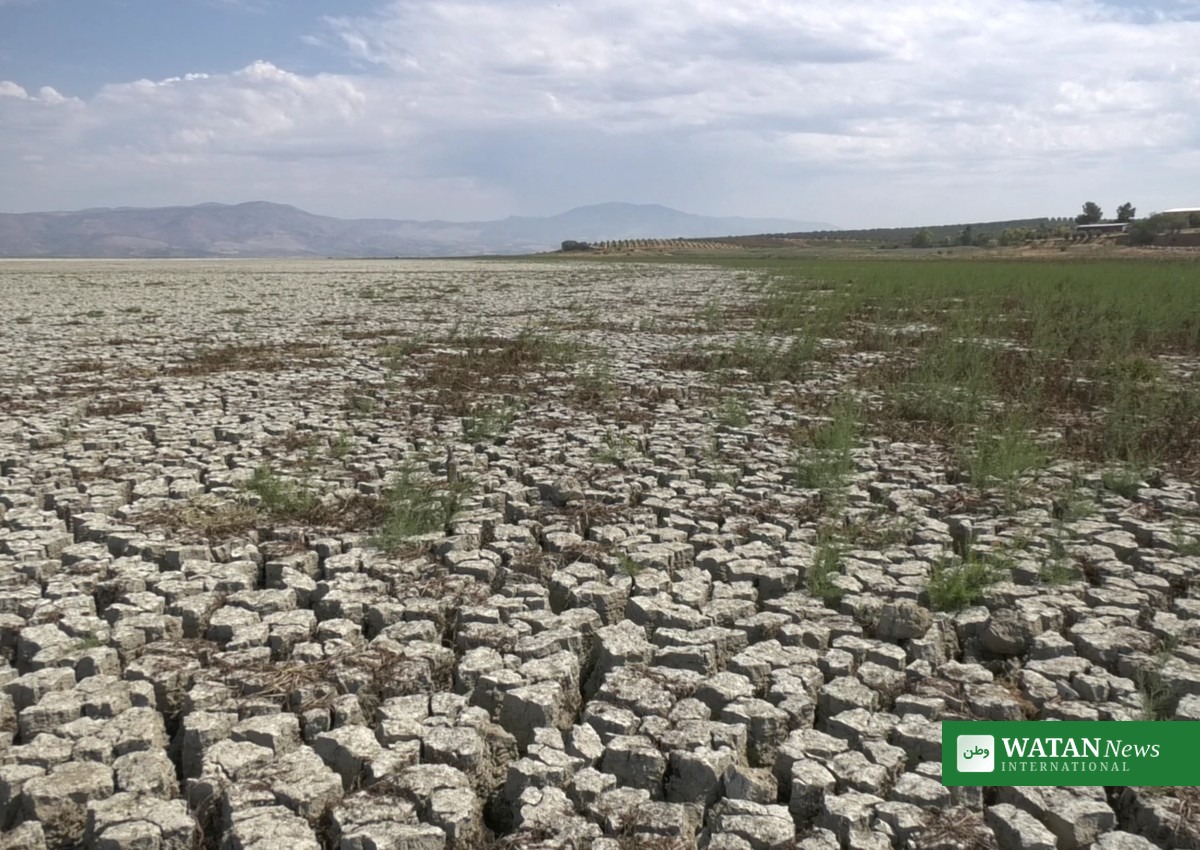
Three-quarters of Türkiye’s lakes have dried up in the past half-century, many of them only in the last decade. About 1.5 million hectares of wetland have dried up alongside them, taking with them ecosystems that sustained generations of farmers and fishermen.
Lake Marmara, once spread across 17 square miles in the province of Manisa, began to dry up in 2011 and had lost 98 percent of its water by 2021. Lake Iznik, the country’s fifth-largest natural lake, has seen its shoreline retreat so far that the ruins of the fifth-century sunken Basilica of Saint Neophytos, first discovered underwater, now stand exposed on dry land. Lake Ladik, on the Black Sea coast, shows the same pattern from the air: wide stretches of exposed lakebed where water once stood.
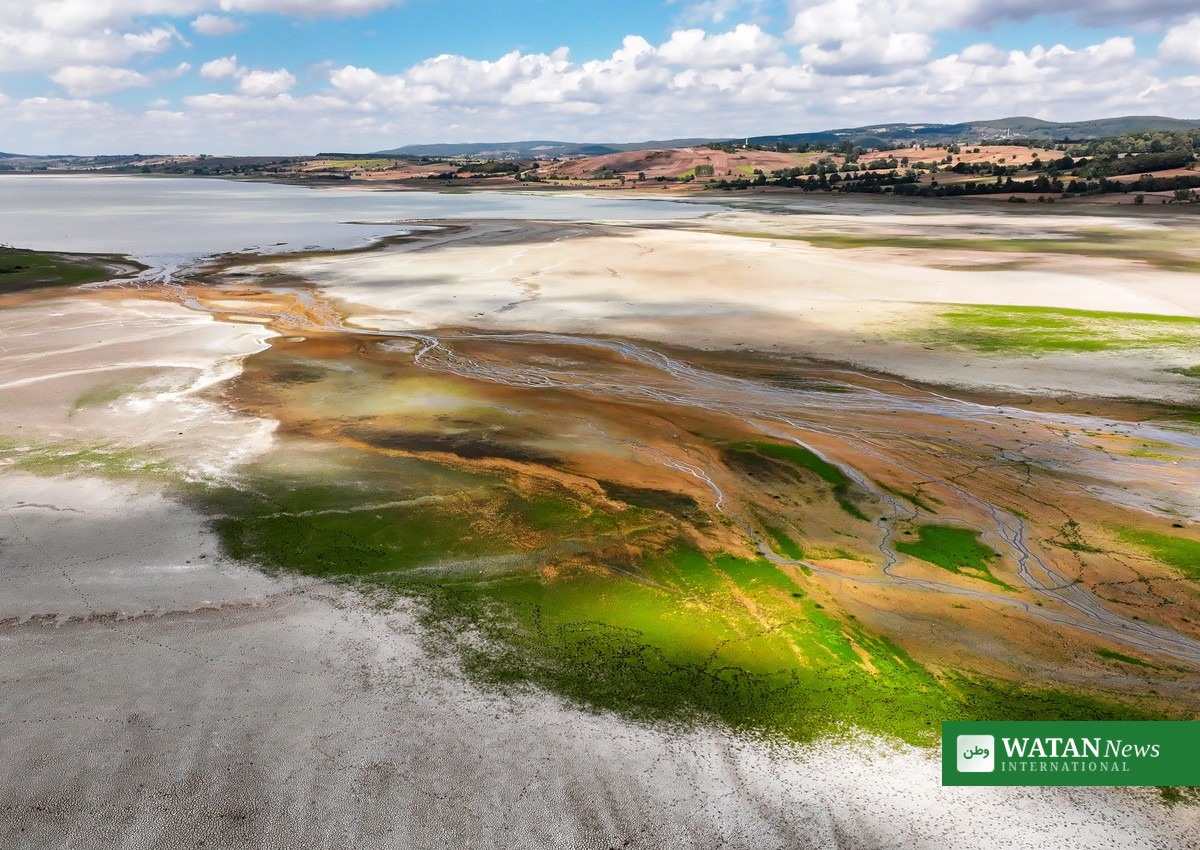
The causes are a mix of climate change and human action. Long droughts and rising temperatures have cut rainfall, while heavy pumping for agriculture and damming have drained lakes and aquifers. Agriculture uses about three-quarters of Türkiye’s water, and farming practices have become more water-intensive even as supplies shrink.
Drought, fires and falling harvests
Extreme weather in Türkiye is becoming far more frequent. The country recorded more than 300 extreme weather events in 2011; by 2023, according to the Turkish State Meteorological Service, the figure had reached almost 1,500.
In the coastal province of Antalya itself, 8,000 hectares have already been lost to forest fires this year alone, and wildfires in September raged a few kilometres from the COP31 venue, injuring several people and forcing hundreds to flee their homes. In 2025, Türkiye’s crop and field production fell by 9 percent, while fruits, beverage and spice plants lost nearly a third of their output; according to the agriculture ministry, drought and frost were the main causes.
Sinkholes are also spreading fast, now numbering more than 1,000, most of them in the Konya Basin, where groundwater levels fall by about two metres a year because of reduced rainfall and excessive extraction.
What it means for daily life
The crisis is already reaching taps and dinner tables. In September 2025, Istanbul’s reservoirs stood at 26 percent of capacity, Ankara’s at 15 percent, Izmir’s at a critical 5 percent and Bursa’s at about 3 percent. Residents of Izmir have lived with daily water cuts and conservation measures for months.
The AXA Türkiye Climate Report 2026, published ahead of COP31, warns that about 65 million people in Türkiye could face high or very high water stress by 2050, while about 66 percent of the country’s land could face significant water shortages. Because farming uses most of the water, drought first hits food: lower harvests push up prices for households, and the report warns that water scarcity will reach from urban supply and farming into industry, energy and transport.
Sustainable living: saving water at home
Households use only a small share of Türkiye’s water, so home savings alone cannot solve the crisis — but they matter, especially in cities under strain, and they are part of the sustainable living the COP31 Green Zone has been showing visitors all week. What the Antalya talks mean for everyday sustainable living is now a practical question for millions of people, not only a summit theme.
Established water-saving practice at home includes fixing dripping taps and leaks promptly, taking shorter showers, turning off the tap while brushing teeth, choosing water-efficient taps, showerheads and washing machines, running washing machines and dishwashers only with full loads, reusing rinse water for plants, collecting rainwater where possible, and watering gardens in the early morning or evening to cut evaporation.
What COP31 can do about water
COP31’s programme turns directly to this issue on Tuesday, 17 November, its Ocean, Seas, Nature and Land Use day, which covers inland water ecosystems alongside oceans, coasts and forests. The opening day on 9 November already covered irrigation and water efficiency under food and agriculture.
The negotiations that matter most for water are the ones on adaptation: how much finance reaches countries to protect water supplies, and how progress is measured. Türkiye’s own experience — vanishing lakes, falling groundwater, sinking farmland — is now part of the evidence on the table in Antalya, in the very city where the talks are being held.
Key facts
- The warning: half of Türkiye’s population is at risk of water shortages by 2030, according to Climate Change News, 15 November 2026.
- Vanishing lakes: 186 of Türkiye’s 250 lakes have dried up in the past 50 years; about 1.5 million hectares of wetland have dried up too.
- Lake Marmara: lost 98 percent of its water by 2021; Lake Iznik’s shoreline has retreated so far that a fifth-century sunken basilica stands on dry land.
- Rainfall: 2025 brought the lowest rainfall in 61 years; extreme weather events rose from more than 300 in 2011 to almost 1,500 in 2023, according to the Turkish State Meteorological Service.
- Harvests: 2025 crop and field production fell 9 percent; fruits, beverage and spice plants lost nearly a third of output, with drought and frost blamed by the agriculture ministry.
- Daily life: in September 2025, reservoirs stood at 26 percent in Istanbul, 15 percent in Ankara, 5 percent in Izmir and about 3 percent in Bursa.
- The outlook: a United Nations report warns of severe drought by 2030 with 88 percent of the country at risk of desertification; the AXA Türkiye Climate Report 2026 puts about 65 million people at high or very high water stress by 2050.
- COP31: 17 November is the summit’s Ocean, Seas, Nature and Land Use day, covering inland water ecosystems.
Frequently asked questions
Why is Türkiye running out of water?
A combination of long droughts, rising temperatures and lower rainfall, plus heavy pumping of groundwater for agriculture and damming of rivers. Agriculture uses about three-quarters of the country’s water, and farming has become more water-intensive even as supplies shrink.
How many lakes has Türkiye lost?
According to National Geographic, 186 of Türkiye’s 250 lakes have dried up in the past 50 years — about three-quarters — along with some 1.5 million hectares of wetland. Lake Marmara alone lost 98 percent of its water by 2021.
What does the crisis mean for people at home?
Reservoirs in major cities fell to critical levels in September 2025, and Izmir residents have faced daily water cuts. Drought also cuts harvests and pushes up food prices: in 2025, crop and field production fell 9 percent.
What is COP31 doing about water?
Tuesday 17 November is COP31’s Ocean, Seas, Nature and Land Use day, which includes inland water ecosystems. The wider negotiations on adaptation finance will shape how much support reaches countries struggling to protect water supplies.
How can households save water?
Fix leaks promptly, take shorter showers, turn off the tap while brushing teeth, use water-efficient taps and appliances, run full loads in washing machines and dishwashers, reuse rinse water for plants, collect rainwater where possible, and water gardens early in the morning or in the evening.
Author

usmanch0013@gmail.com
Related Posts

Imran Khan Appeals for Urgent Medical Help, Warns He ‘May Not Return Alive’
- 0
- 973 words
Pakistan's jailed former prime minister Imran Khan has appealed to the country's top judges for urgent medical treatment, warning that doctors say...
Read out all
3.645 journalister dækker COP31 – det næststørste pressekorps i COP-historien
- 0
- 1,097 word
I alt 3.645 journalister har registreret sig til at dække COP31 i Antalya — det næststørste pressekorps i COP-historien — mens topmødet...
Read out all
کاپ31 کی کوریج کے لیے 3645 صحافی انطالیہ میں — تاریخ کا دوسرا بڑا صحافتی دستہ
کاپ31 کی کوریج کے لیے 3645 صحافیوں نے انطالیہ میں رجسٹریشن کرائی ہے — موسمیاتی مذاکرات کی تاریخ کا دوسرا بڑا صحافتی...
Read out all
3,645 Journalists Are Covering COP31 — the Second-Biggest Press Corps in COP History
- 0
- 1,087 word
A total of 3,645 journalists have registered to cover COP31 in Antalya — the second-largest press corps in COP history — as...
Read out all
Tyrkiet løber tør for vand, mens COP31 vender sig mod natur og land
- 0
- 1,330 word
Halvdelen af Tyrkiets befolkning risikerer vandmangel i 2030, og 186 af landets 250 søer er udtørret på 50 år, mens COP31 i...
Read out all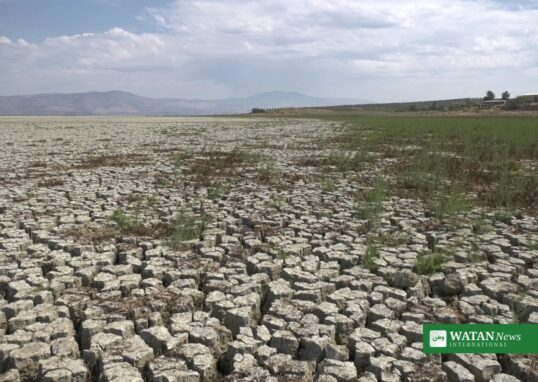
کاپ31 کے میزبان ملک ترکیہ میں پانی کا بحران — آدھی آبادی خطرے میں
ترکیہ کی آدھی آبادی 2030 تک پانی کی قلت کے خطرے میں ہے اور 50 برس میں ملک کی 250 میں سے...
Read out all