- 0
- 1,385 word
Antalya — Zero waste cities took centre stage at COP31 on Tuesday, as a session in the Finland Pavilion showed how towns and cities are turning circular economy ideas into practical climate action — and made the case for writing that local action into national climate plans.
The session, “Zero Waste Cities: Driving climate mitigation through local circular economy transitions”, ran from 11:00 to 12:00 on 18 November in the Finland Pavilion in the Blue Zone. It featured representatives from the City of Turku, the Barcelona Metropolitan Region, the Portuguese environmental association ZERO and Zero Waste Europe, and was led by Zero Waste Europe’s Manon Jourdan and Ismael Casotti Rienda. Its message was direct: the circular economy has significant potential to cut greenhouse gas emissions while lowering demand for virgin materials and strengthening resource security — yet circularity strategies remain insufficiently integrated into climate plans and Nationally Determined Contributions, the national climate pledges known as NDCs.
What the Finland Pavilion session showed
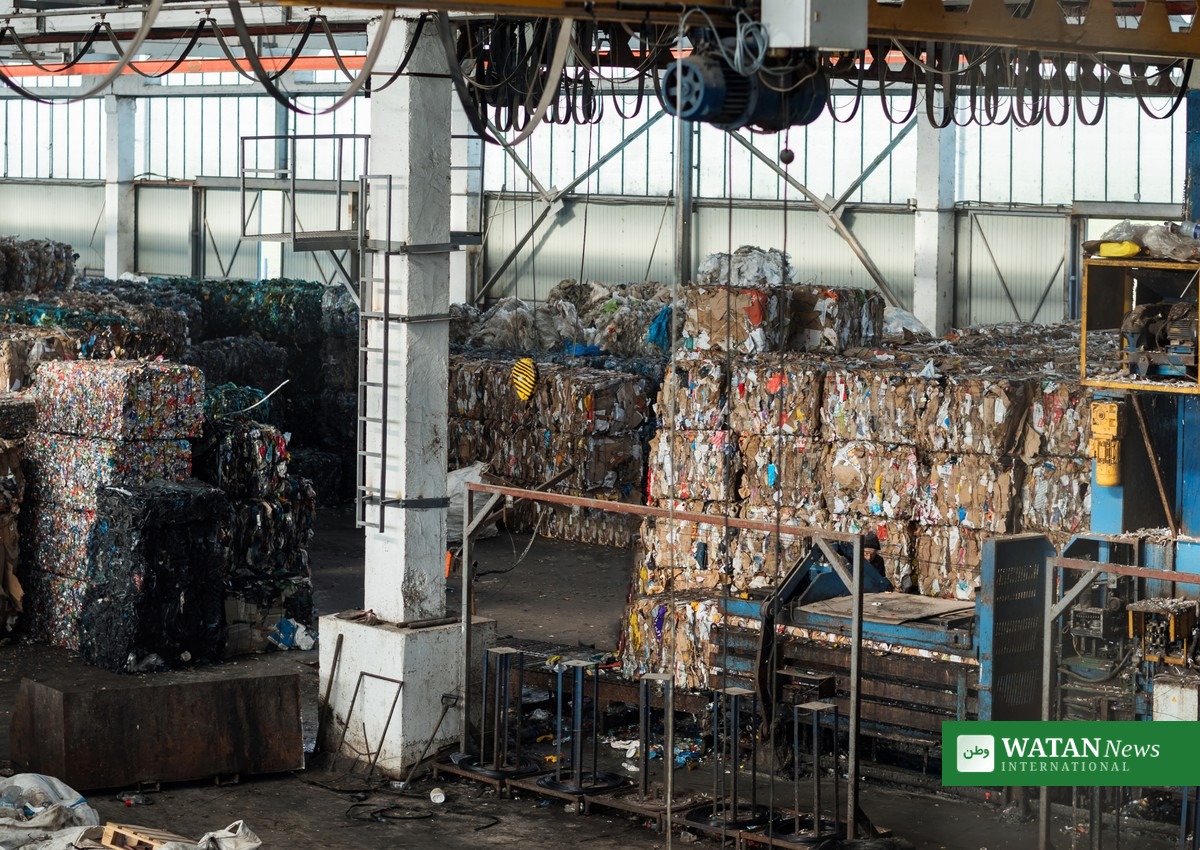
Realising that potential, the session argued, will depend heavily on how policies are designed and implemented at the local level. The cities on stage showed how zero-waste approaches are already working on the ground: separate collection of food and organic waste, composting, reuse and repair systems, and partnerships between municipalities and businesses that close material loops. The session also framed the work as a just transition — one that creates local jobs and protects the people who collect, sort and process materials.
The message fits a wider pattern at this conference. Zero Waste Europe has been part of the Global Alliance for Incinerator Alternatives delegation at COP31, presenting evidence on cutting methane from the waste sector through food waste prevention, separate collection, treatment and biological stabilisation — including Material Recovery and Biological Treatment, known as MRBT, and landfill standards. Its programme across the two weeks has taken the same argument to the Italian Pavilion, where Athens presented its bio-waste management plan and its strategy to cut methane from landfill, and to the German Climate Pavilion, where Mannheim and the Barcelona Metropolitan Area showed how cities and industry can jointly close material loops. At the World Health Organization pavilion, a session on 11 November argued that waste mismanagement is also a health crisis hiding in plain sight, with uncontrolled dumpsites and open burning emitting greenhouse gases and toxic pollutants.
From pavilions to districts
The city-level work now has a delivery vehicle. On 11 November, the first cohort of 20 Zero Waste Districts was announced under the Istanbul Zero Waste Action Platform, led by COP31 Climate High-Level Champion Samed Ağırbaş. The districts span Latin America and the Caribbean, Africa and Asia, and include Pakis District in East Java, Indonesia; Abuakwa South in Kyebi, Ghana; and Bey District in Gaziantep, Türkiye. The goal is a second cohort of 100 districts within five years. The districts are designed to demonstrate practical, measurable solutions at neighbourhood level, with shared composting facilities, reuse and washing systems and repair infrastructure.
Crucially for communities and waste pickers, the Districts initiative has ruled out funding for waste-to-energy incineration: burning waste is not recognised as an eligible intervention and will not receive funding under the initiative. Prevention comes first, followed by reuse and repair, composting of organic waste, reduced dependence on plastics and recognition of waste pickers’ work.
City action is also being measured. The Lowering Methane Emissions from Organic Waste initiative, known as LOW-M, brings together 35 organisations supporting 20 cities to cut methane from food and organic waste, and aims to reach 40 cities by 2030. Since COP30 in Belém, five more cities, including Accra and Nairobi, have completed expert-backed plans setting out their priority actions, and six cities have now costed their priorities. Mexico City aims to reduce food waste by 30 per cent and to treat at least 30 per cent of organic waste by 2030. And the experience is not new: the city of Yokohama in Japan has cut waste by nearly 50 per cent since 2001.

Why waste is a climate issue
Waste is a major, under-addressed source of greenhouse gases. Municipal solid waste and wastewater account for around 20 per cent of human-caused methane, according to the Climate and Clean Air Coalition, and methane is roughly 80 times more potent than carbon dioxide over 20 years. Food waste alone accounts for up to 14 per cent of global methane, according to the UN Environment Programme. The UN Environment Programme projects global waste rising from 2.1 billion tonnes in 2023 to 3.8 billion tonnes in 2050 if nothing changes.
The COP31 Presidency has set two targets for 2035: halving the projected growth in global waste generation, and raising the global circular material use rate to at least 15 per cent, up from 6.9 per cent today, according to the Circularity Gap Report 2025. That is the context for the cities’ argument: national targets need local delivery, and local delivery needs a place in the NDCs. A further Zero Waste Europe session on Thursday morning in the Zero Waste Pavilion looks at what EU zero-waste regulation delivers — and what it does not.
FAKTA
- What happened: The “Zero Waste Cities” session ran on 18 November 2026, 11:00–12:00, at the Finland Pavilion in the COP31 Blue Zone in Antalya.
- Who took part: City of Turku, Barcelona Metropolitan Region, ZERO and Zero Waste Europe, led by Manon Jourdan and Ismael Casotti Rienda.
- The gap: Circularity strategies remain insufficiently integrated into national climate plans and NDCs, according to Zero Waste Europe.
- Districts: A first cohort of 20 Zero Waste Districts was announced on 11 November; a second cohort of 100 districts is planned within five years. Incineration is excluded from funding.
- Methane: Waste and wastewater cause around 20 per cent of human-caused methane; food waste alone accounts for up to 14 per cent of global methane.
- Presidency targets: Halve the projected growth in global waste generation by 2035 and raise circular material use to at least 15 per cent, up from 6.9 per cent.
- City proof: Yokohama has cut waste by nearly 50 per cent since 2001; Mexico City aims to cut food waste by 30 per cent and treat at least 30 per cent of organic waste by 2030.
What comes next
The test for the cities’ argument is whether circular economy measures make it into the next round of national climate plans. The COP31 Presidency’s 2035 targets give cities a yardstick, the Districts initiative gives them a delivery model, and the LOW-M programme gives them measured results to point to. What remains is the political step: writing waste prevention, separate organic collection, composting and reuse into the NDCs themselves, so that the work done on city streets counts in the national climate ledger. Read our earlier coverage of the COP31 declaration on food loss and waste and zero waste tourism on the Turkish coast.
Frequently asked questions
What is a zero waste city?
A city that prevents waste at source, then reuses, repairs, recycles and composts as much as possible, sending as little as possible to landfill or incineration. At COP31, cities such as Turku and the Barcelona Metropolitan Region showed how separate collection, composting and city–business partnerships make that work in practice.
Why does waste produce methane?
When organic waste such as food is buried in landfill, it decomposes without oxygen and releases methane. Methane is roughly 80 times more potent than carbon dioxide over 20 years, according to the Climate and Clean Air Coalition, which is why keeping organics out of landfill is one of the fastest climate wins available.
What are Zero Waste Districts?
They are neighbourhood-level demonstration areas under the Istanbul Zero Waste Action Platform, led by COP31 Climate High-Level Champion Samed Ağırbaş. A first cohort of 20 districts in Latin America and the Caribbean, Africa and Asia was announced on 11 November 2026, with a second cohort of 100 planned within five years. Waste-to-energy incineration is excluded from funding under the initiative.
What is MRBT?
Material Recovery and Biological Treatment is a way of managing residual waste that recovers the remaining recyclables, such as metals, plastics and paper, and biologically stabilises the organic fraction before landfilling, sharply cutting methane emissions. Zero Waste Europe presented it at COP31 as a climate-friendly alternative to incineration.
How do cities fit into national climate plans?
National climate pledges, the NDCs, set the targets, but cities are where most waste is produced and managed. Zero Waste Europe argues that circular economy strategies are still insufficiently integrated into NDCs, and that city-level delivery — collection, composting, reuse and repair — must be written into the plans so it counts towards national goals.
Author

usmanch0013@gmail.com
Related Posts
COP31-formandskabet bruger Tyrkiets Divan-tradition i det afsluttende pres for en aftale
- 0
- 989 words
COP31-præsident Murat Kurum og forhandlingspræsident Chris Bowen indkaldte til en Divan i Antalya for at hjælpe ministrene med at finde fælles grund...
Read out all
کاپ31: معاہدے کی حتمی کوشش میں صدارت نے ترکی کی دیوان روایت اپنائی
کاپ31 کے صدر مراد قوروم اور مذاکرات کے صدر کرس بوون نے انتالیہ میں دیوان بلایا، تاکہ ترکی کی صدیوں پرانی مشاورت...
Read out all
COP31 Presidency Turns to Türkiye’s Divan Tradition in Final Push for Agreement
- 0
- 957 words
COP31 President Murat Kurum and President of Negotiations Chris Bowen convened a Divan in Antalya, drawing on Türkiye's centuries-old tradition of counsel...
Read out all
Nul-affaldsbyer i centrum på COP31: Cirkulær handling skal ind i klimaplanerne
- 0
- 1,398 word
Nul-affaldsbyer indtog tirsdag centrum på COP31, da en session i Finland-pavillonen viste, hvordan byer omsætter cirkulære økonomiske idéer til praktisk klimahandling —...
Read out all
کاپ31: زیرو ویسٹ شہر مرکز توجہ، سرکلر معیشت موسمیاتی منصوبوں کا حصہ بنے گی
کاپ31 میں منگل کے روز زیرو ویسٹ شہر مرکز توجہ بن گئے، جب فن لینڈ پویلین کے سیشن نے دکھایا کہ شہر...
Read out all
COP31 i dødvande: Anden globale statusopgørelse lanceret, nye tekster torsdag
- 0
- 1,689 word
Landene lancerede onsdag den anden globale statusopgørelse på COP31, mens ministrene fortsat er låst fast i uenighed om finansiering, fossile brændstoffer og...
Read out all