- 0
- 830 words
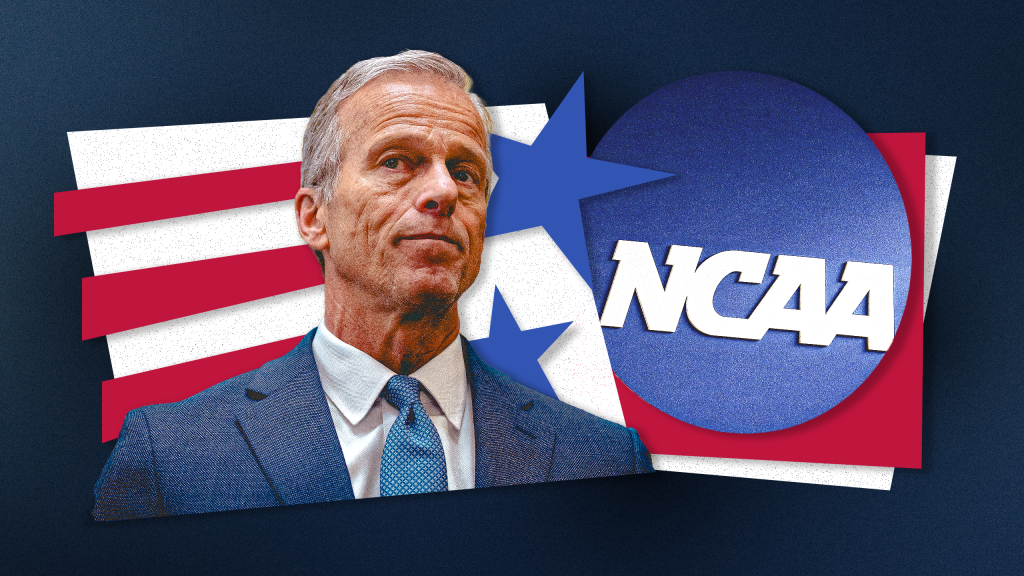
The U.S. Senate has passed the Protect College Sports Act, a bipartisan bill aimed at establishing a more stable framework for college athletics.
Despite clearing a major legislative hurdle, the bill’s ultimate fate remains uncertain as it heads to the House of Representatives.
- The Protect College Sports Act passed the Senate with a bipartisan vote of 77-22.
- Supporters, including the NCAA, argue the bill will end a “Wild West” era of college sports.
- The legislation seeks to restore NCAA eligibility rules and transfer limits, and regulate NIL deals.
- Opponents express concerns that the bill unfairly benefits institutions over athletes.
Reining in the ‘Wild West’
The Protect College Sports Act is designed to address what proponents describe as a chaotic period in college sports, marked by increasing litigation that challenges long-standing rules. The bill’s passage in the Senate represents a significant step towards potentially restoring order and predictability to the landscape of collegiate athletics.
- The NCAA and many prominent college sports programs have actively supported the bill.
- President Trump publicly endorsed the bill, urging its passage on social media.
- Negotiations for the bill spanned over a year, involving key senators from both parties.
Restoring NCAA Authority
Central to the Protect College Sports Act is the granting of a limited antitrust exemption to the NCAA. This exemption would empower the organization to reinstate its five-year eligibility rule and implement stricter transfer limitations for student-athletes.
- The bill aims to restore the NCAA’s five-year eligibility rule.
- It seeks to re-establish limits on student-athlete transfers between institutions.
- The legislation would codify regulations for Name, Image, and Likeness (NIL) deals.
- This aims to provide a clearer framework for athletes profiting from their NIL.
Navigating Name, Image, and Likeness (NIL)
The rapid rise of NIL deals has fundamentally altered college sports, allowing athletes to earn significant compensation. The Protect College Sports Act intends to bring these lucrative arrangements under a more defined regulatory structure, providing clarity for athletes, institutions, and third-party sponsors.
Regulating Athlete Compensation
The current NIL environment has led to substantial financial opportunities for some athletes, but also concerns about fairness and competitive balance. The proposed legislation seeks to create a more consistent and manageable system for these deals.
- The bill aims to create a stable framework for NIL deals.
- This could prevent a situation where only a few athletes benefit disproportionately.
- It seeks to balance athlete compensation with the overall health of college sports.
Opposition and Concerns
Despite broad bipartisan support, the Protect College Sports Act faces significant opposition from various groups. Critics argue that the bill unduly favors collegiate institutions and the NCAA at the expense of student-athlete rights and autonomy.
- Labor groups and athlete advocacy organizations have voiced strong opposition.
- The NAACP has also raised concerns about the bill’s potential impact.
- Twenty-two senators voted against the bill, citing concerns over athlete rights.
Athlete Advocacy Perspective
Opponents contend that the bill could stifle athletes’ ability to negotiate for fair compensation and protections. They argue that the legislation grants too much power to the NCAA, potentially hindering athletes’ progress in challenging existing practices.
- Critics believe the bill prioritizes institutional power over athlete welfare.
- Concerns exist that athletes will not have an equal voice in the new framework.
- Some argue the bill is misnamed, suggesting it primarily protects the NCAA.
The Road Ahead in the House
Following its passage in the Senate, the Protect College Sports Act now proceeds to the House of Representatives. However, the House is currently in recess until after the November midterm elections, and the bill’s prospects for passage remain uncertain.
- The House of Representatives is scheduled to reconvene after the midterm elections.
- The legislative timeline and likelihood of a vote in the House are unclear.
- The bill’s future hinges on its reception and potential amendments in the House.
Conclusion
The Senate’s approval of the Protect College Sports Act marks a pivotal moment in the ongoing debate over the governance of college athletics. While supporters herald it as a necessary step towards order and stability, particularly concerning NIL and eligibility rules, opponents raise valid concerns about athlete empowerment and institutional overreach.
The bill’s journey through the House of Representatives will be closely watched, as its ultimate passage could reshape the future of collegiate sports for years to come.
Frequently Asked Questions
What is the Protect College Sports Act?
It’s a Senate-passed bill aiming to provide a stable framework for college sports, including eligibility and NIL regulations.
Who supports the bill?
The NCAA, many powerhouse schools and conferences, and President Trump have publicly supported the legislation.
Who opposes the bill?
Labor groups, athlete organizations, the NAACP, and 22 senators have voiced opposition, citing concerns over athlete rights.
What is the bill’s next step?
The bill moves to the House of Representatives, but its chances of passing there are currently unclear.
What is NIL?
NIL stands for Name, Image, and Likeness, referring to deals allowing college athletes to profit from their personal brand.
Author

usmanjaved13132@gmail.com
Related Posts

Phuket Shophouse Fire Kills 11 and Injures 16 in Patong
- 0
- 646 words
A fire tore through a commercial shophouse in Patong, Phuket, early on Monday, killing 11 people and injuring 16, police said.
Read out all
Imran Khan Appeals for Urgent Medical Help, Warns He ‘May Not Return Alive’
- 0
- 973 words
Pakistan's jailed former prime minister Imran Khan has appealed to the country's top judges for urgent medical treatment, warning that doctors say...
Read out all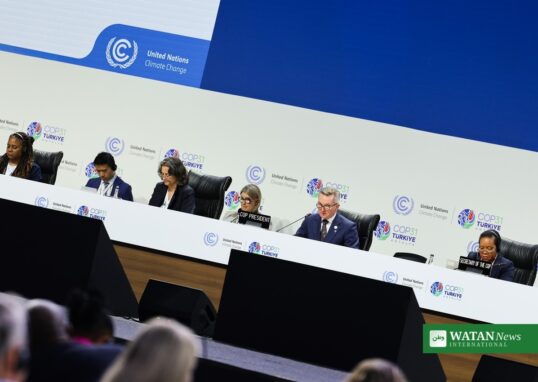
3,645 Journalists Are Covering COP31 — the Second-Biggest Press Corps in COP History
- 0
- 1,087 word
A total of 3,645 journalists have registered to cover COP31 in Antalya — the second-largest press corps in COP history — as...
Read out all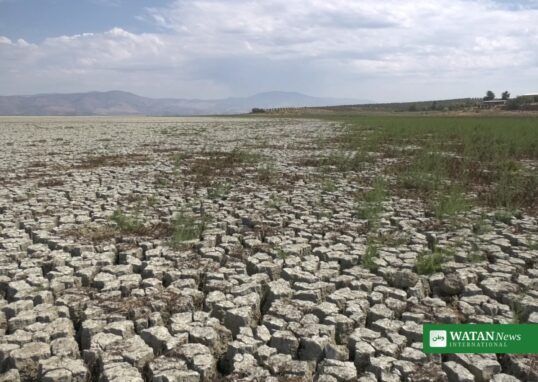
Türkiye Is Running Out of Water as COP31 Turns to Nature and Land
- 0
- 1,261 word
Half of Türkiye's population faces water shortages by 2030 and 186 of the country's 250 lakes have dried up in 50 years,...
Read out all
Lapid Accuses Netanyahu of Attempted Coup Over Election-Day Action Against Arab Parties
- 0
- 494 words
Opposition leader Yair Lapid has accused caretaker Prime Minister Benjamin Netanyahu of an attempted coup after reports of police action against Arab...
Read out all
Houthis Blame Saudi Arabia for Strikes That Killed Three, Including a Child, in Yemen
- 0
- 497 words
Houthi health authorities say three people, including a child, were killed and 15 wounded in two strikes in Sanaa and Amran province...
Read out all