- 0
- 882 words
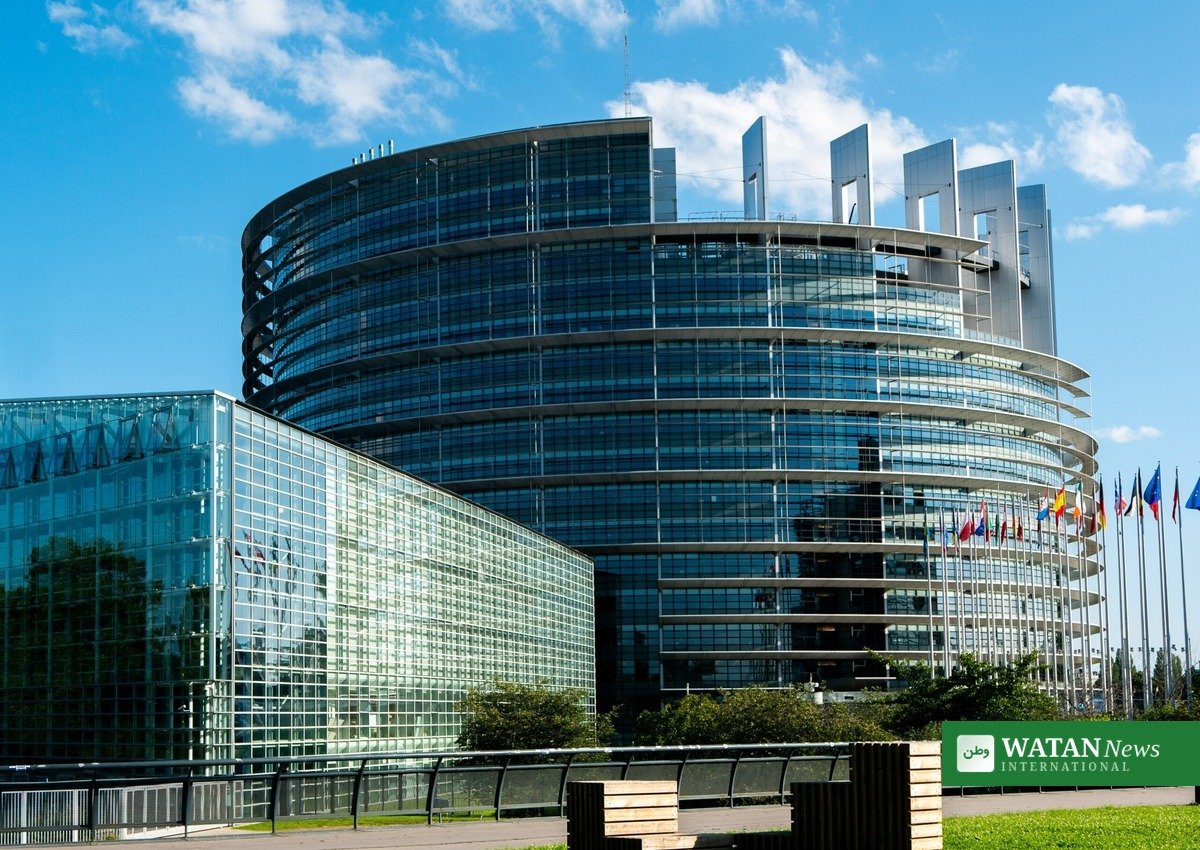
European Union: The European Parliament has voted to demand a European Union-wide strategy against Islamist entryism, adopting a resolution that names the Muslim Brotherhood network and urges the EU Council to examine whether Brotherhood-linked individuals and organisations should be placed on the bloc’s terrorist list.
FAKTA
- What: On 8 October 2026, the European Parliament adopted a resolution calling for a “European methodology to identify signs of Islamist entryism”.
- Vote: 381 in favour, 167 against, 15 abstentions — carried by a right-wing majority spanning Renew Europe and Patriots for Europe.
- Led by: French EPP MEP Céline Imart, who said it was the first time Europe had voted for a text tackling Islamist entryism and the Muslim Brotherhood.
- Key demands: No EU public money for Islamist networks, a ban on the youth organisation FEMYSO from EU premises, and a Council assessment of terrorist-listing criteria for Brotherhood-linked entities and individuals.
- Legal status: The vote is a political signal, not a binding act — any terrorist designation would require a subsequent decision by the Council of the European Union.
The strategy against Islamist entryism
The resolution calls on the EU to develop a common methodology for recognising what it terms Islamist entryism — signs identified in the text include the confusion of religion and politics, financial opacity and the instrumentalisation of the fight against discrimination.
It asks the European Commission to tighten checks and traceability of EU funding “right to the end of the chain” so that no financial support reaches entities or individuals linked to Islamist networks. EU institutions should no longer serve as “certificates of respectability” for such networks, Ms Imart said, pointing to the Forum of European Muslim Youth and Student Organisation (FEMYSO), which the resolution says should be banned from EU premises.
Adopted amendments shaped the final text. An amendment from Renew Europe softened the original wording, condemning “strategies of religious entryism and, in particular, Islamist entryism”, and Parliament declared itself “concerned that religious entryism is at the forefront of efforts to roll back women’s rights and gender equality”. An EPP amendment calls on member states to ensure that actively promoting Islamist ideologies advocating the subordination of women, antisemitism or hatred of Christians carries legal and administrative consequences for access to public funding and social benefits.
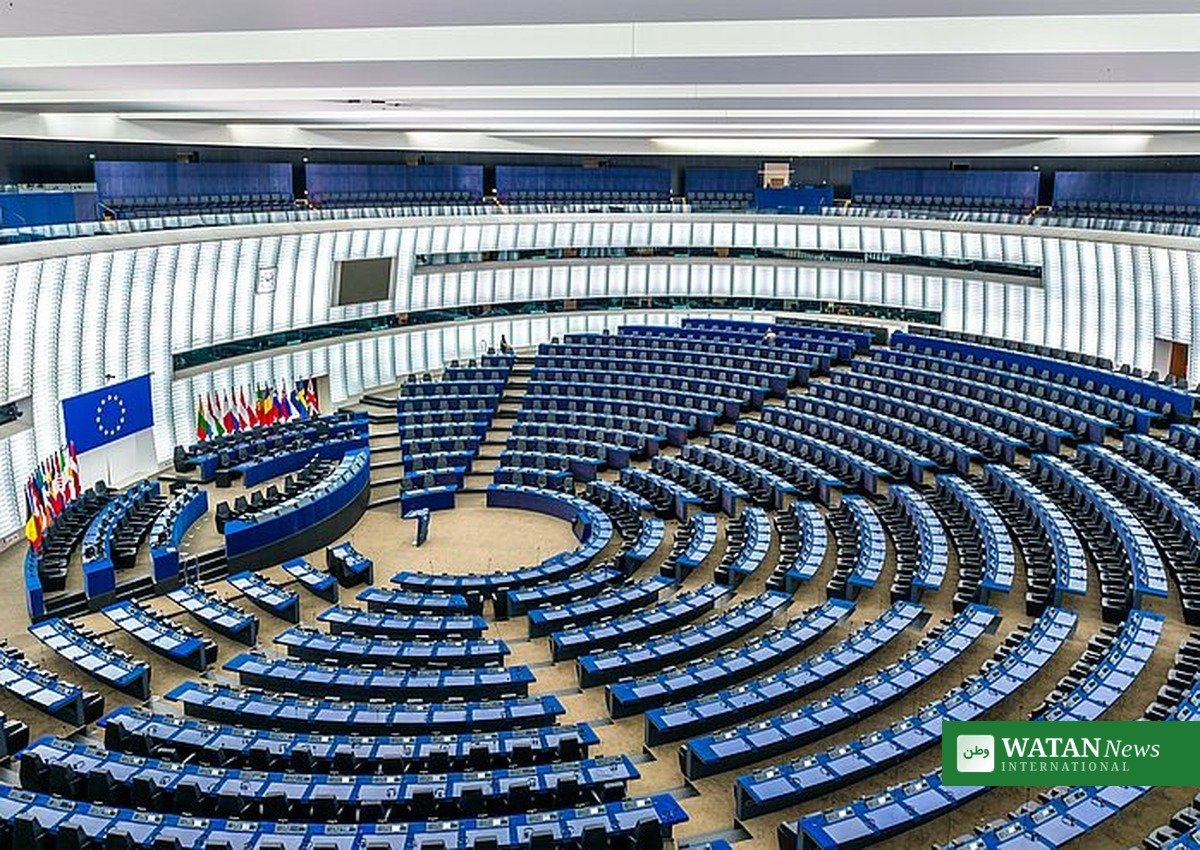
The vote: a divided parliament
| Vote | MEPs |
|---|---|
| In favour | 381 |
| Against | 167 |
| Abstentions | 15 |
| Total votes cast | 563 of 719 |
The EPP, Renew Europe, the European Conservatives and Reformists and the Patriots groups backed the text. The Socialists and Democrats, Greens/EFA and The Left voted against. “This resolution is another symbol of the shift by part of the European right, which continues to chase after reactionary groups, thereby normalising their rhetoric, methods and hatred,” said Mélissa Camara of the Greens/EFA group.
Not aimed at the Muslim community, text insists
An explicit condition set by Renew Europe for its support was that the resolution avoid stigmatising Muslims. The adopted text stresses that “criticism of a political ideology must not be equated with an attack on a religion” and that protecting the Muslim community against discrimination is “a democratic obligation”.
“We need to make sure Europe doesn’t fund Islamists. Islam as a faith and political Islam as an ideology must not be conflated. We must protect both democracy and religious freedom,” Ms Imart said. She added: “Where rules allow, the Council should list individuals and organisations linked to the Muslim Brotherhood as terrorist entities. European money must not fund groups that threaten our rights and freedoms.”
MEPs also adopted an ECR amendment supporting a ban on “full-face coverings (niqab or burqa) in public spaces”.
What happens next
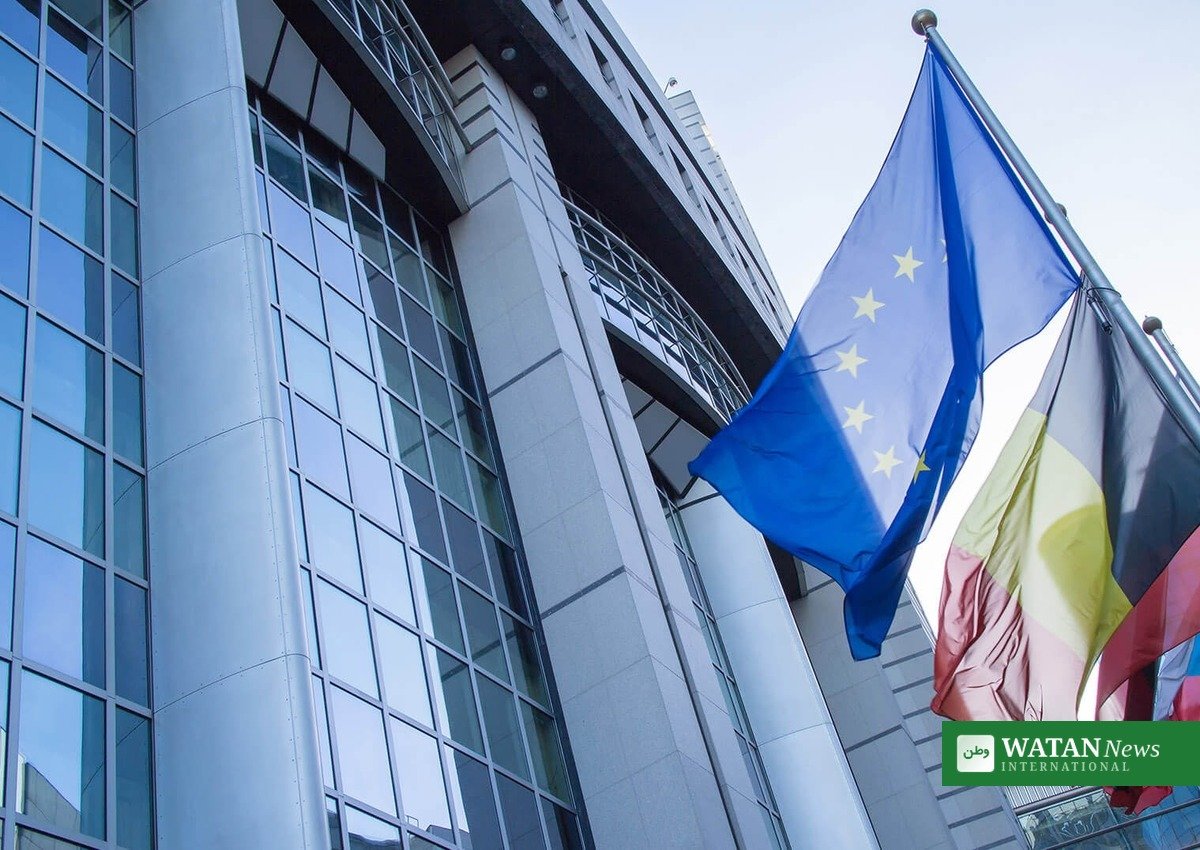
The ball is now in the Council of the European Union, which alone has the power to impose a terrorist designation — a process that would require member states to assess whether the legal criteria are met. The vote itself changes no law, but it places political pressure on EU institutions and national capitals to act.
For more European politics coverage, see Watan News’s report on Spain’s prime minister calling a snap election.
Conclusion
With a clear majority, the European Parliament has made countering Islamist entryism a formal EU-level demand — while insisting the measure is not directed at the Muslim community. Whether the Council follows through with a terrorist designation for Brotherhood-linked networks will be the decisive test in the months ahead.
Frequently asked questions
What did the European Parliament vote on?
A resolution calling for a European strategy to counter Islamist entryism, including tighter controls on EU funding and an assessment of whether Muslim Brotherhood-linked individuals and organisations meet the criteria for the EU terrorist list.
Is the Muslim Brotherhood now on the EU’s terrorist list?
No. The vote is a political signal, not a binding legal act. Any designation would require a subsequent decision by the Council of the European Union.
Does the resolution target Muslims?
According to its text, no. The resolution states that criticism of a political ideology must not be equated with an attack on a religion, and calls protection of the Muslim community against discrimination a democratic obligation.
How did the vote break down?
381 MEPs voted in favour, 167 against, with 15 abstentions — 563 of the 719 members cast a vote.
Author

usman2344913@gmail.com
Related Posts
ICC Rejects New US Sanctions, Vows to Continue Work ‘With Independence and Impartiality’
- 0
- 737 words
The International Criminal Court (ICC) on Friday strongly rejected new United States sanctions imposed on the institution, calling them “an assault on...
Read out all
AZEC Ministers Agree Regional Oil Stockpiling Push at Manila Meeting
- 0
- 751 words
Manila: Energy ministers from across Asia have agreed a new regional push to strengthen oil stockpiling, with Japan, the Philippines, Saudi Arabia...
Read out all
Tech Giants Pledge $2.4 Billion in AI Tools for US Genesis Mission
- 0
- 805 words
Washington: Eleven technology companies have committed a combined $2.4 billion in AI tools and computing credits to the United States' Genesis Mission...
Read out all
Pakistan Cuts Petrol Price to Rs398.30, Raises Diesel to Rs396.24 for Oct 10-12
- 0
- 710 words
Islamabad: The Pakistan petrol price has been cut by 66 paisas per litre to Rs398.30, while high-speed diesel has been raised by...
Read out all
Canada Sheds 68,300 Jobs in September as Unemployment Rises to 6.5%
- 0
- 865 words
Ottawa: Canada's economy shed a net 68,300 jobs in September, the second consecutive monthly decline, as the unemployment rate edged up to...
Read out all
100+ Aid Groups Say Gaza Ceasefire Exists ‘In Name Only’ After a Year
- 0
- 1,072 word
Gaza: One year after the Gaza ceasefire agreement was reached, more than 100 humanitarian, human rights and civil society organizations say the...
Read out all