
- 0
- 751 words
Manila: Energy ministers from across Asia have agreed a new regional push to strengthen oil stockpiling, with Japan, the Philippines, Saudi Arabia and the United Arab Emirates backing coordinated petroleum reserves as Asia’s energy ministers met for the Asia Zero Emission Community (AZEC) Ministerial Meeting on October 8.
FAKTA
- What: AZEC’s ministerial work program was adopted in Manila on October 8, committing member countries to stronger oil stockpiling, emergency preparedness and closer cooperation on petroleum supply.
- Who: Ministers from AZEC’s 11 partner nations — including Japan, Indonesia and Australia — plus Saudi Arabia and the UAE in a special ministerial session.
- Key voices: Philippine Energy Secretary Sharon S. Garin and Japan’s State Minister of Economy, Trade and Industry Takagi Kei led the discussions.
- Deals: About 70 new memoranda of understanding were concluded, bringing cumulative AZEC cooperation projects to more than 600.
- Backing: The plan sits under Japan’s POWERR Asia initiative, backed by $10 billion in financial support announced in April.
The AZEC oil stockpiling plan
The central outcome of the Manila meeting was a ministerial work program aimed at strengthening oil stockpiling capabilities, improving emergency preparedness and deepening cooperation among participating countries. Saudi Arabia and the UAE expressed willingness to cooperate on the initiative during a ministerial-level dialogue on petroleum supply resilience.
“Both countries from the Middle East expressed their willingness to cooperate on strengthening oil stockpiling capacity in Asia,” Takagi told reporters in Manila, adding that the partners would deepen cooperation to strengthen energy security.
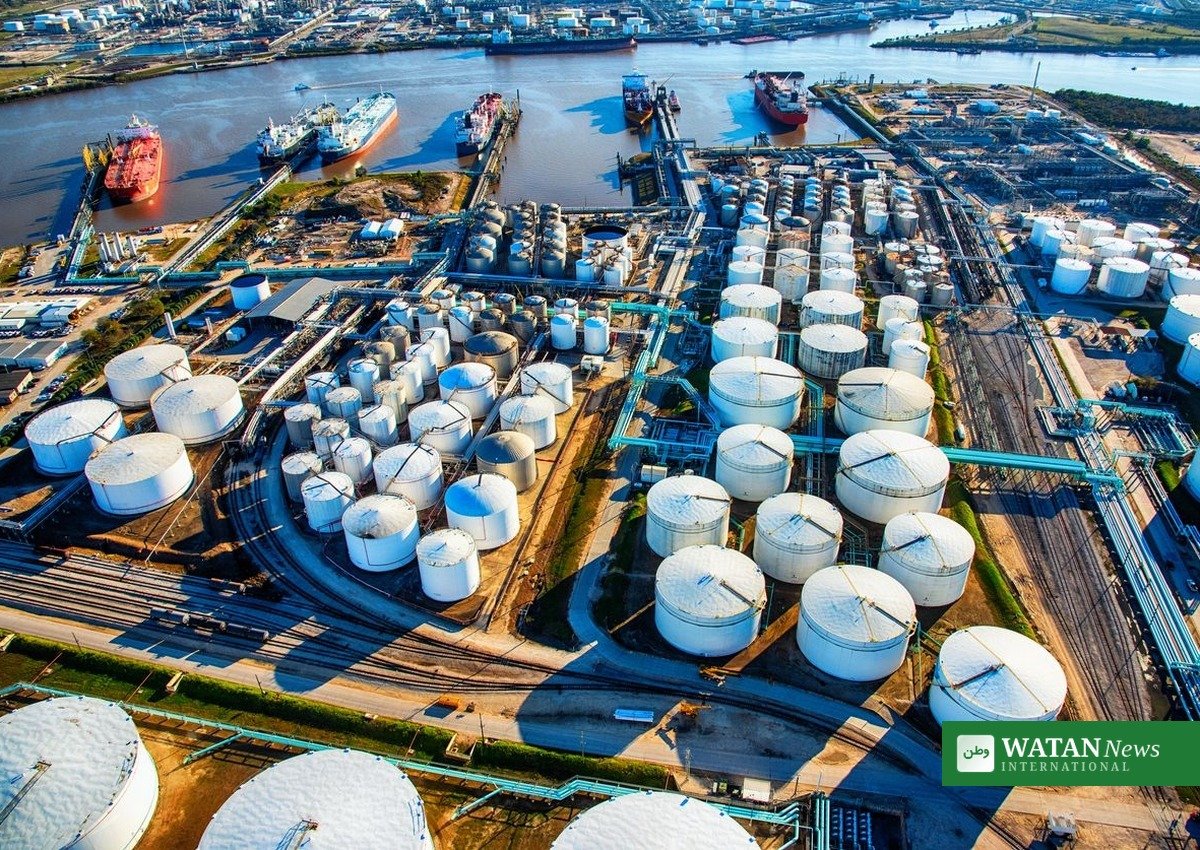
Why reserves suddenly matter
The urgency comes from war-driven disruptions to international energy supplies. Much of Southeast Asia relies heavily on imported crude — before the conflict, more than half of the region’s crude imports came from Persian Gulf producers, while Japan sourced about 90% of its oil from the region, most of it passing through the Strait of Hormuz, according to reporting on the meeting.
Garin said the disruptions, particularly at that critical choke point, had reinforced the importance of collective preparedness against energy supply shocks. With crude prices above $100 a barrel, rebuilding reserves is expensive — which is why the framework could allow buying countries to negotiate bilateral supply arrangements with Middle Eastern producers, positioning more crude closer to Asian customers.
The Philippines itself remains heavily dependent on imported petroleum. Garin disclosed that the country is studying the possibility of establishing a regional petroleum stockpiling facility in cooperation with Japan and other energy partners — a move that could strengthen its strategic role in regional energy security.
Beyond oil: the clean-energy agenda
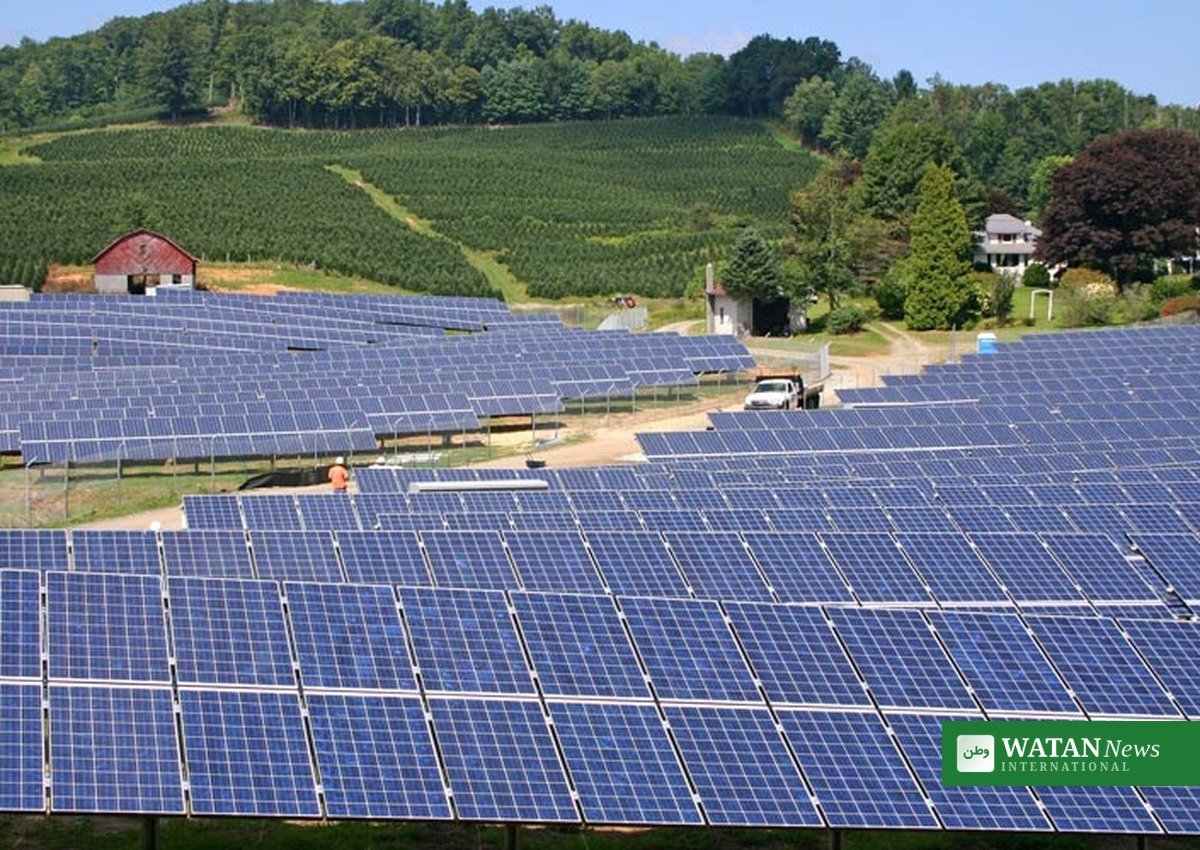
Oil security was only part of the talks. Japan also expressed support for diversified energy pathways involving renewable energy, natural gas, biofuels, nuclear power and improved energy efficiency. Discussions covered cross-border electricity trading, renewable energy certificates, battery storage technologies, carbon capture initiatives and sustainable energy management.
Garin emphasized that ASEAN countries hold different energy resources and development priorities, making regional cooperation essential — with shared renewable resources such as hydropower and geothermal energy flowing through stronger regional connectivity.
What comes next
As the Philippines concludes its ASEAN chairship in 2026, Garin reaffirmed the country’s commitment to turning regional agreements into tangible benefits for people — affordable electricity, reliable fuel supplies and long-term regional stability. The bilateral talks that flesh out the stockpiling framework will determine whether the Manila commitments become real reserves.
For related Philippine energy coverage, see our report on the Philippines’ plan for a 1% sustainable aviation fuel blend by 2030.
Conclusion
The Manila meeting turned Asia’s energy anxieties into a work program: stockpile more oil, prepare for emergencies and cooperate across the region. With producer countries now at the table and $10 billion in financing behind the framework, AZEC’s oil-stockpiling plan has moved from aspiration to a negotiated program — the test will be the bilateral deals that follow.
Frequently asked questions
What is the AZEC?
The Asia Zero Emission Community is a Japan-led framework of 11 partner nations promoting regional collaboration on energy transition and energy security.
What did the Manila meeting decide?
Ministers adopted a work program to strengthen oil stockpiling, improve emergency preparedness and deepen petroleum-supply cooperation, with Saudi Arabia and the UAE joining the effort.
How many cooperation projects does AZEC now have?
About 70 new memoranda of understanding were concluded in Manila, bringing the cumulative total of cooperation projects to more than 600.
Author

usman2344913@gmail.com
Related Posts
ICC Rejects New US Sanctions, Vows to Continue Work ‘With Independence and Impartiality’
- 0
- 737 words
The International Criminal Court (ICC) on Friday strongly rejected new United States sanctions imposed on the institution, calling them “an assault on...
Read out all
Tech Giants Pledge $2.4 Billion in AI Tools for US Genesis Mission
- 0
- 805 words
Washington: Eleven technology companies have committed a combined $2.4 billion in AI tools and computing credits to the United States' Genesis Mission...
Read out all
Pakistan Cuts Petrol Price to Rs398.30, Raises Diesel to Rs396.24 for Oct 10-12
- 0
- 710 words
Islamabad: The Pakistan petrol price has been cut by 66 paisas per litre to Rs398.30, while high-speed diesel has been raised by...
Read out all
Canada Sheds 68,300 Jobs in September as Unemployment Rises to 6.5%
- 0
- 865 words
Ottawa: Canada's economy shed a net 68,300 jobs in September, the second consecutive monthly decline, as the unemployment rate edged up to...
Read out all
100+ Aid Groups Say Gaza Ceasefire Exists ‘In Name Only’ After a Year
- 0
- 1,072 word
Gaza: One year after the Gaza ceasefire agreement was reached, more than 100 humanitarian, human rights and civil society organizations say the...
Read out all
European Parliament Votes 381-167 for EU Strategy Against Islamist Entryism
- 0
- 882 words
European Union: The European Parliament has voted to demand a European Union-wide strategy against Islamist entryism, adopting a resolution that names the...
Read out all