- 0
- 874 words
With less than two weeks to go before COP31 opens in Antalya, the negotiators who will try to bridge the summit’s hardest divides now have names. Five ministerial pairs from ten countries have been appointed to steer consultations on mitigation, adaptation, finance, just transition and oceans, according to a report on the appointments, as Türkiye and Australia step up preparations for the 9–20 November conference.
The appointments were announced by Australia’s Minister for Climate Change and Energy, Chris Bowen, who will serve as COP31 President of Negotiations. Türkiye will hold the conference presidency, with Environment, Urbanisation and Climate Change Minister Murat Kurum as President.
Who will guide the five discussions
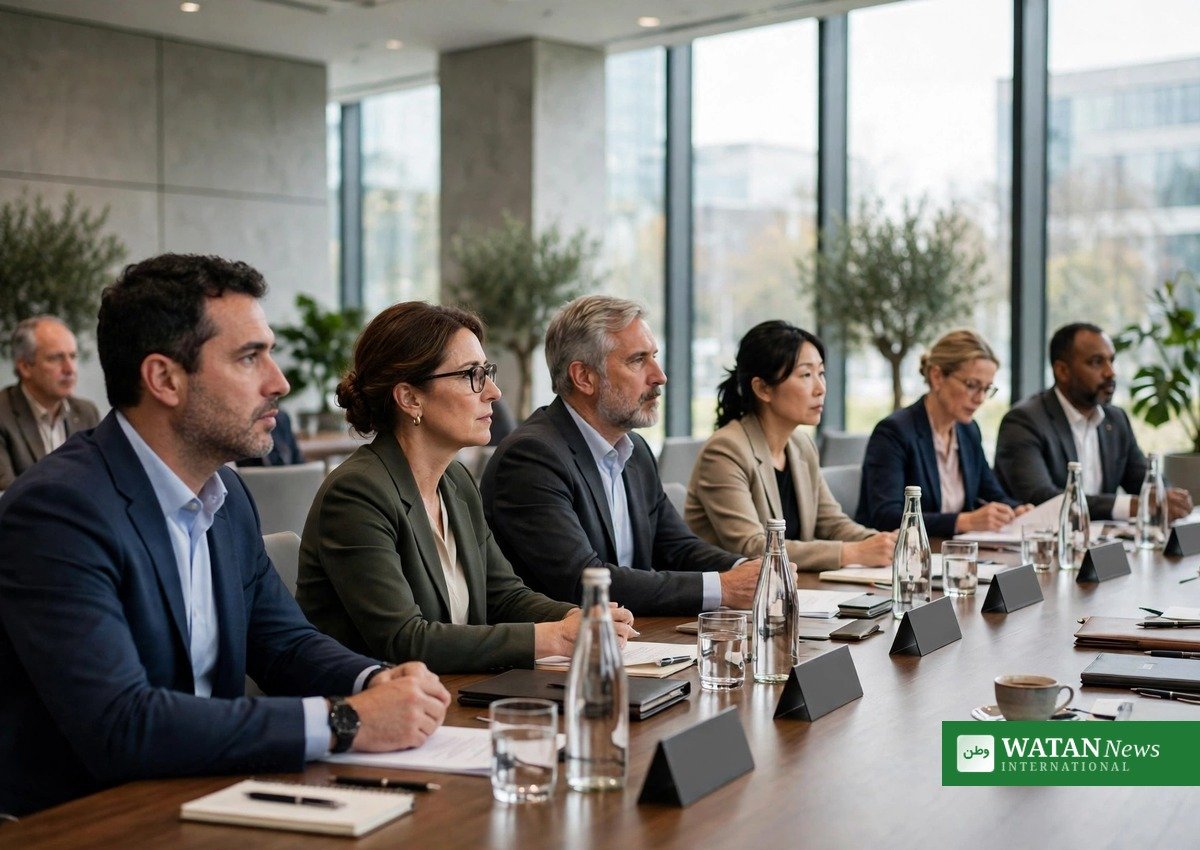
According to the report, the five pairs will focus on the following areas. Each pair brings together representatives from different regions, a design intended to build trust across negotiating groups and help identify common ground.
On mitigation, India’s Environment Minister Bhupender Yadav and Germany’s Environment Minister Carsten Schneider will facilitate discussions on reducing greenhouse gas emissions and strengthening climate action.
On adaptation, the United Kingdom’s Miatta Fahnbulleh and Sierra Leone’s Jiwoh Abdulai will guide consultations on strengthening resilience to climate impacts and supporting vulnerable countries.
On finance, France’s Monique Barbut will work alongside Robert E. A. Borje of the Philippines’ Climate Change Commission.
On just transition, Mexico’s Alicia Bárcena and Poland’s Krzysztof Bolesta will facilitate discussions on ensuring that the shift towards cleaner economies protects workers, communities and vulnerable groups.
On oceans, Palau’s Steven Victor and Canada’s Julie Dabrusin will help gather views on ocean-based climate solutions and coastal resilience.
What facilitators can — and cannot — do
Facilitators do not decide outcomes. Their role is to consult informally with countries and negotiating groups, narrow differences and help ministers find wording they can all accept. Final decisions at COP31 still require agreement among the participating countries.
That limit matters because the issues on their tables are among the most politically sensitive in the negotiations. Finance, the pace of the energy transition and support for vulnerable countries have divided countries at past summits, and the ocean consultations are reported as gathering priorities and opportunities rather than necessarily forming a separate formal negotiating track.
Bowen is reported as hoping the facilitators’ involvement will help deliver “an ambitious outcome based on implementation and acceleration”, and as thanking the appointees on behalf of himself and Kurum.
Why this COP is framed around implementation
Türkiye and Australia have jointly described COP31 as an implementation conference — a summit judged less by new promises than by whether existing commitments become projects, finance and results on the ground. The joint presidency letter sets out six priority areas under the Global Climate Action Agenda, including electrification and the energy transition, the circular economy, resilient cities, sustainable agriculture and food systems, green industrial transformation and climate finance.
Finance is expected to be a central test. At COP29 in Baku, countries agreed that climate finance for developing countries should reach at least 300 billion dollars a year by 2035. Bowen has pointed to the uneven spread of that finance, noting that only 0.2 per cent of worldwide climate finance supports small island developing countries, despite their acute vulnerability.
For background on how finance and the fossil-fuel debate have shaped the road to Antalya, see COP31 in Antalya: Finance, Fossil-Fuel Roadmap and Belém Action Mechanism Take Shape on Negotiation Agenda.
FAKTA
- What: Five pairs of co-facilitators appointed for COP31 talks on mitigation, adaptation, finance, just transition and oceans.
- When and where: COP31, 9–20 November 2026, Antalya Expo Center, Antalya, Türkiye.
- Leadership: Türkiye holds the presidency (Murat Kurum); Australia leads the negotiations (Chris Bowen).
- Role: Facilitators build consensus; they do not impose decisions.
- Key test: Whether finance, adaptation and a fair transition move from pledges to accessible, usable support.
What happens next
The facilitators are expected to consult countries informally before the summit and to help resolve outstanding issues during the conference itself. Their success will be measured in Antalya not by the appointments, but by whether ministers leave with agreements that vulnerable countries can actually use.
Frequently asked questions
What is COP31?
COP31 is the 31st session of the Conference of the Parties to the United Nations Framework Convention on Climate Change. It brings governments together to negotiate climate commitments, review progress and agree collective action.
When and where is COP31 held?
COP31 takes place from 9 to 20 November 2026 in Antalya, Türkiye, at the Antalya Expo Center.
Who leads COP31?
Türkiye holds the presidency, with Murat Kurum as President. Australia leads the formal negotiations, with Chris Bowen as President of Negotiations — an unusual division of responsibilities agreed between the two countries.
What does a co-facilitator do?
A co-facilitator chairs informal consultations on a difficult negotiating issue, helps countries narrow their differences and searches for wording that can gain consensus. Co-facilitators do not take decisions themselves.
Why is climate finance so important at COP31?
Developing countries are pressing for finance that is predictable, affordable and easier to access, so national climate plans can become real projects. At COP29, countries agreed finance for developing countries should reach at least 300 billion dollars a year by 2035, and how that goal is delivered is now a central question in Antalya.
Author

usmanch0013@gmail.com
Related Posts
COP31 udpeger ti medfacilitatorer til de sværeste Antalya-forhandlinger
- 0
- 877 words
Fem ministerpar skal bygge konsensus om reduktion af udledninger, tilpasning, finansiering, retfærdig omstilling og havene før COP31 i Antalya den 9.–20. november...
Read out all
کاپ31 کے لیے دس سہولت کار مقرر، انطالیہ مذاکرات کی رہنمائی کریں گے
کاپ31 سے پہلے پانچ وزارتی جوڑے اخراج میں کمی، موافقت، مالیات، منصفانہ منتقلی اور سمندروں پر اتفاق رائے بنائیں گے، کانفرنس ۹...
Read out all
Kina-pilot omdanner blandet plastaffald til propylen af jomfruelig kvalitet
- 0
- 819 words
COMY's Cangzhou-pilot afprøver kemisk genanvendelse, der omdanner blandet, forurenet plastaffald til højrenset propylen til emballage, biler og medicinsk udstyr.
Read out all
چین کا تجرباتی منصوبہ ملا جلے فضلہ پلاسٹک سے خالص پروپیلین بنائے گا
چانگژو میں کومی کا تجرباتی منصوبہ ملا جلے اور آلودہ پلاسٹک فضلہ کو کیمیائی طریقے سے خالص پروپیلین میں بدلنے کی آزمائش...
Read out all
China Pilot Turns Mixed Waste Plastic Into Virgin-Quality Propylene
- 0
- 802 words
COMY's Cangzhou pilot tests chemical recycling that turns mixed, contaminated plastic waste into high-purity propylene for packaging, cars and medical devices.
Read out all
Russia-Ukraine Oleshky Ceasefire Takes Effect, Opening Way for Aid and Evacuations
- 0
- 656 words
Russia and Ukraine have begun a localised ceasefire in Oleshky, confirmed by both sides on Tuesday, 27 October, to allow aid deliveries...
Read out all