- 0
- 1,277 word
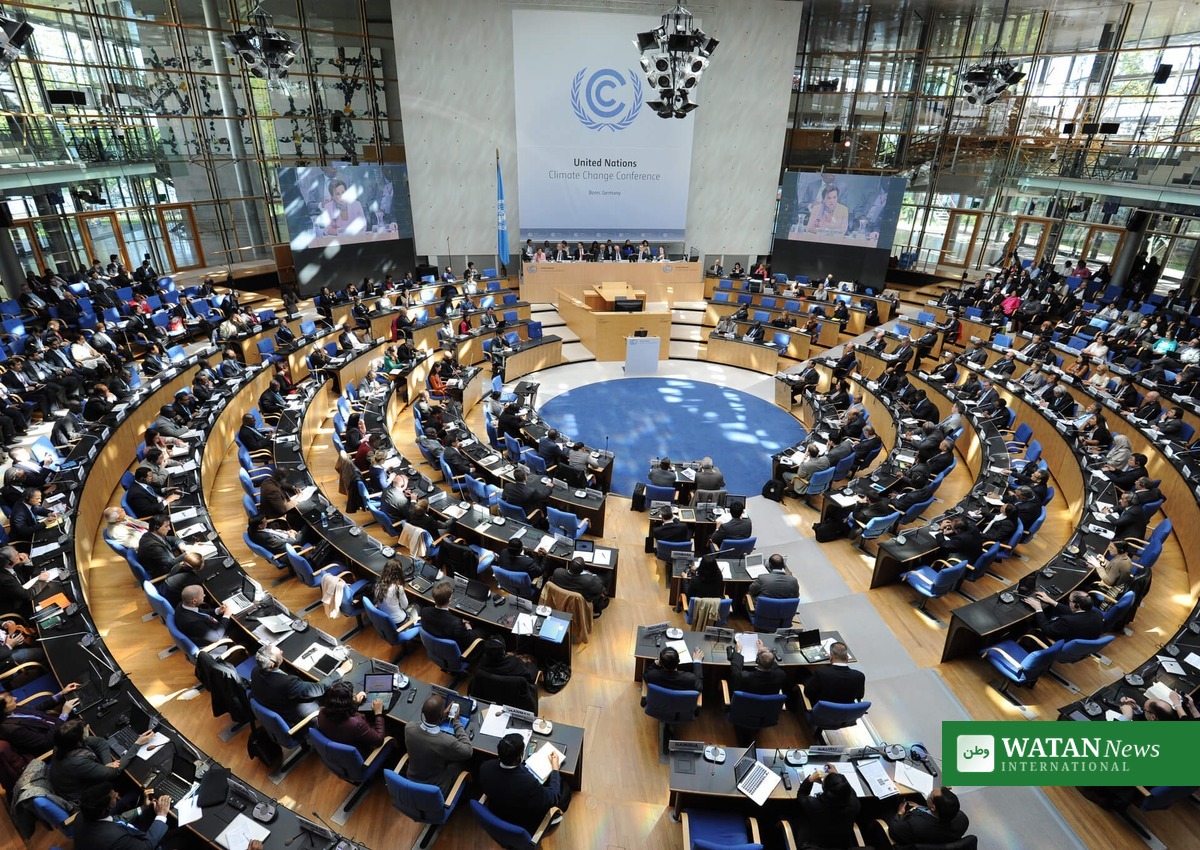
COP31 enters its scheduled closing day on Friday, 20 November 2026, in Antalya, with the closing plenary under way and negotiators still searching for a final deal. Outside the negotiating rooms, the conference’s public Green Zone hosts its last events today before the summit closes.
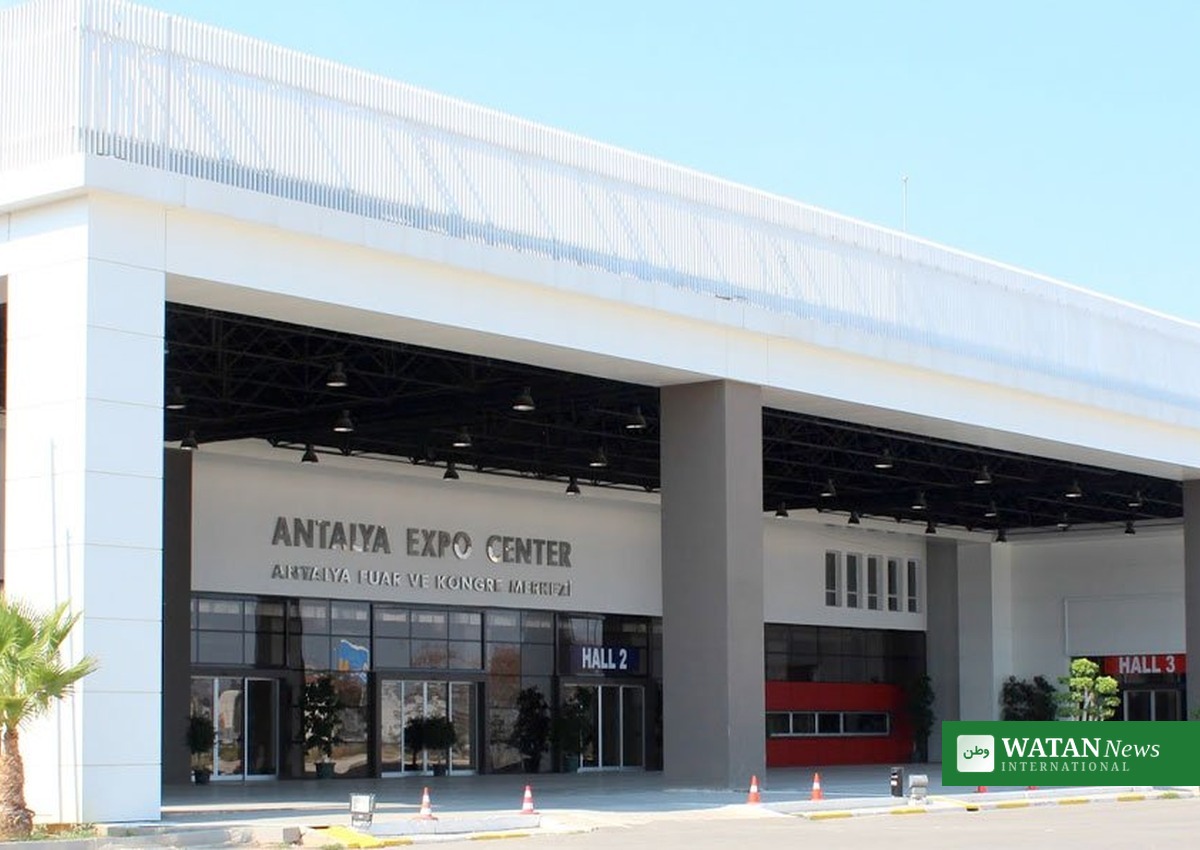
The summit, which opened on 9 November at the Antalya Expo Center, has brought together nearly 200 countries for twelve days of talks. The final hours will decide whether Antalya ends with an agreed outcome or runs into overtime, as recent climate summits regularly have.
The closing plenary and the unfinished text
Closing plenary sessions began on Thursday, even as key tracks on finance, adaptation and a just transition remained unresolved. The final text is due by midnight in Antalya on Friday, but recent climate summits have regularly run more than 24 hours past their deadlines, and observers in Antalya expect at least one extra night of talks.
The revised draft of the summit’s main decision, published on Thursday, was cut from 144 paragraphs to 80. It contains no mention of the word “fossil”, and it names neither coal, oil nor fossil gas. The first draft, issued on Monday, had called for accelerated action to phase out fossil fuels and proposed adaptation finance of at least $120 billion a year for developing countries by 2035. The revised version drops both, leaving only a call for further discussions toward tripling adaptation finance. Watan News reported on the draft cover decision as the summit entered its final day.
Any final decision must be adopted by consensus among nearly 200 countries, so the last hours will decide whether the fossil-free draft stands or is rewritten once more.
What the draft still holds
The revised text still acknowledges that global warming is projected to exceed the Paris Agreement’s 1.5 degrees Celsius limit, a first for a COP cover decision, and it describes the shift to low-emission, climate-resilient development as irreversible. It also gives carbon dioxide removal its first mention in the draft negotiations.
One of the summit’s flagship proposals survives in the revised text, though in softened form. The draft calls for global cooperation to lift electricity to 35 per cent of world energy use by 2035, up from around 23 per cent now, a goal put forward by host country Türkiye and backed by about 75 nations. Separately, the COP31 Presidency presented an electrification package bringing together over 150 countries and the European Union, 37 cities and more than 260 businesses, with over 21,000 kilometres of grids built in 2025 and investment plans worth at least $156 billion a year.
Finance remains one of the hardest gaps to close. A United Nations review published on Thursday found that adaptation finance for developing countries stood at $64.1 billion in 2024, down from $81.5 billion in 2022, while renewables capacity rose 17 per cent from 2024 to 2025.
The Green Zone’s final day
Outside the negotiating rooms, the public Green Zone closes today with a final programme in the Council of Higher Education area at the Antalya Expo Center. The day’s schedule, published by Antalya Bilim University, is:
- 14:00–15:00 — COP31 Antalya Law Meetings: International Law, Constitutional Law and Comparative Environmental Law, in Panel Hall 2. The panel is organised by the Antalya Bilim University Faculty of Law in cooperation with the Lauterpacht Centre for International Law at the University of Cambridge, the International Association of Constitutional Law and the International Centre of Comparative Environmental Law.
- 16:00–16:30 — Cultural Heritage in Climate Action, presented by ICOMOS Türkiye and the Antalya Bilim University Faculty of Fine Arts and Architecture, reporting on the programme held at the university on 11–16 November.
- 16:30–17:00 — The 5th Global Conference on Oral Health and Climate Action (GOHCA-5), presented by the Antalya Bilim University Faculty of Dentistry, Penn Dental Medicine and the University of Zurich. The conference itself ran online from 9 to 20 November.
- 17:00–17:30 — Conference on Public Health, Planetary Health and Human Safety, presented by the Antalya Bilim University Faculty of Dentistry and the Zero Water Day Partnership.
Voices from the final hours
Chris Bowen, Australia’s climate minister who is leading the negotiations, said negotiators were seeking “the most ambitious outcome that consensus will allow”, and he pledged: “We won’t be leaving the rooms of Antalya until we have that consensus.”
COP31 President Murat Kurum defended the text, saying: “I do not think we are taking a step back.” UN Climate Change Executive Secretary Simon Stiell told a press conference on Thursday: “These are crucial days ahead for climate cooperation. And we have no time to lose.”
Campaigners were sharper. Jasper Inventor, head of Greenpeace’s COP31 delegation, warned that “anything that provides a way for the fossil fuel industry to keep polluting the climate would be a profound backwards step”. Mohamed Adow, director of the climate and energy think tank Power Shift Africa, said: “If this version of the text remains, it will be a ghost COP.” Teresa Anderson of ActionAid International said: “Adaptation finance is not nice to have. Adaptation is how we all survive this climate crisis together.” Outside the negotiating rooms, activists staged a “missing cat” protest for “Ambition”, saying the summit had lost sight of the goal of moving away from fossil fuels.
What happens next
If consensus is reached, the COP president will gavel the text through at the closing plenary, formally adopting it as the summit’s outcome. The Global Climate Action high-level closing event was already held on Thursday, 19 November, from 14:00 to 16:00 in Plenary Akdeniz, bringing together the key messages and announcements from the summit’s action agenda.
The summit drew about 92,000 people, described by Professor Tim Naish of Victoria University of Wellington as the largest climate summit ever held. Among the week’s announcements, Niue won the Earthshot 2026 award for locally led climate governance.
The next summit, COP32, meets in Addis Ababa, Ethiopia, next year, where the road from Antalya — including the unfinished argument over adaptation finance — will continue.
FAKTA: COP31’s final day at a glance
- COP31 runs from 9 to 20 November 2026 at the Antalya Expo Center in Türkiye.
- Closing plenary sessions began on Thursday, 19 November; the final text is due by midnight on Friday.
- The revised draft has 80 paragraphs, down from 144, with no mention of fossil fuels.
- Electrification goal: 35 per cent of world energy use by 2035, up from about 23 per cent.
- Adaptation finance for developing countries: $64.1 billion in 2024, down from $81.5 billion in 2022.
- Next summit: COP32 in Addis Ababa, Ethiopia.
Frequently asked questions
What is the COP31 closing plenary?
The closing plenary is the final formal session of the conference, where nearly 200 countries adopt decisions by consensus. The COP president gavels the agreed text through, which formally adopts it as the summit’s outcome.
When is COP31 scheduled to end?
COP31 is scheduled to end on Friday, 20 November 2026, with the final text due by midnight in Antalya. Recent climate summits have regularly run more than 24 hours past their scheduled deadlines, and observers in Antalya expect at least one extra night of talks.
Why is there no mention of fossil fuels in the draft?
The revised draft published on Thursday removed every reference to fossil fuels. The first draft, issued on Monday, had called for accelerated action to phase out fossil fuels, but the revised version drops that language. Negotiators are still debating the wording in the final hours.
What events are happening on the final day?
The public Green Zone closes today with a final programme: law meetings at 14:00, a cultural heritage presentation at 16:00, the oral health and climate conference at 16:30, and a public health conference at 17:00, all in the Council of Higher Education area of the Antalya Expo Center.
Where is the next COP?
The next summit, COP32, meets in Addis Ababa, Ethiopia, next year. The unfinished business from Antalya, including the argument over adaptation finance, will continue there.
Author

usmanch0013@gmail.com
Related Posts
Taiwan Flags Nearly 2,700 China-Linked Accounts to Meta Ahead of Elections
- 0
- 789 words
Taiwan has flagged nearly 2,700 social media accounts to Meta, saying they appear to be part of a Chinese information warfare campaign...
Read out all
COP31’s sidste dag: Afsluttende plenum i gang, mens Green Zone holder sine sidste arrangementer
- 0
- 1,297 word
COP31 går ind i sin planlagte sidste dag i Antalya med det afsluttende plenum i gang, udkastet til aftalen stadig uafklaret og...
Read out all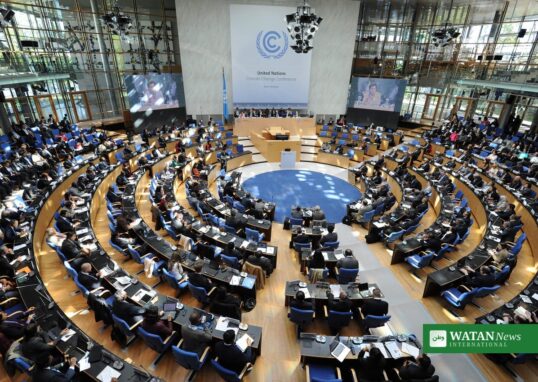
کاپ31 کا آخری دن: اختتامی اجلاس جاری، گرین زون میں آخری تقریبات
کاپ31 آج انطالیہ میں اپنے طے شدہ آخری دن میں داخل ہو رہی ہے، اختتامی اجلاس جاری ہے، مسودہ فیصلہ اب بھی...
Read out all
Ethiopia-Eritrea Tensions Escalate as Drone and Artillery Strikes Hit Badme
- 0
- 830 words
Overnight drone and artillery strikes were reported around the border town of Badme, forcing residents to flee as Ethiopia and Eritrea mass...
Read out all
COP31 slutter i dag, men klimabudskabet har stadig ikke nået de fleste mennesker
- 0
- 1,861 word
COP31 slutter i dag i Antalya, men ny forskning viser, at klimabudskabet stadig ikke har nået de fleste mennesker: Flertal i fem...
Read out all
COP31 Closes Today, but the Climate Message Still Has Not Reached Most People
- 0
- 1,898 word
COP31 closes in Antalya today, but new research shows the climate message still has not reached most people: majorities in five of...
Read out all