- 0
- 1,626 word
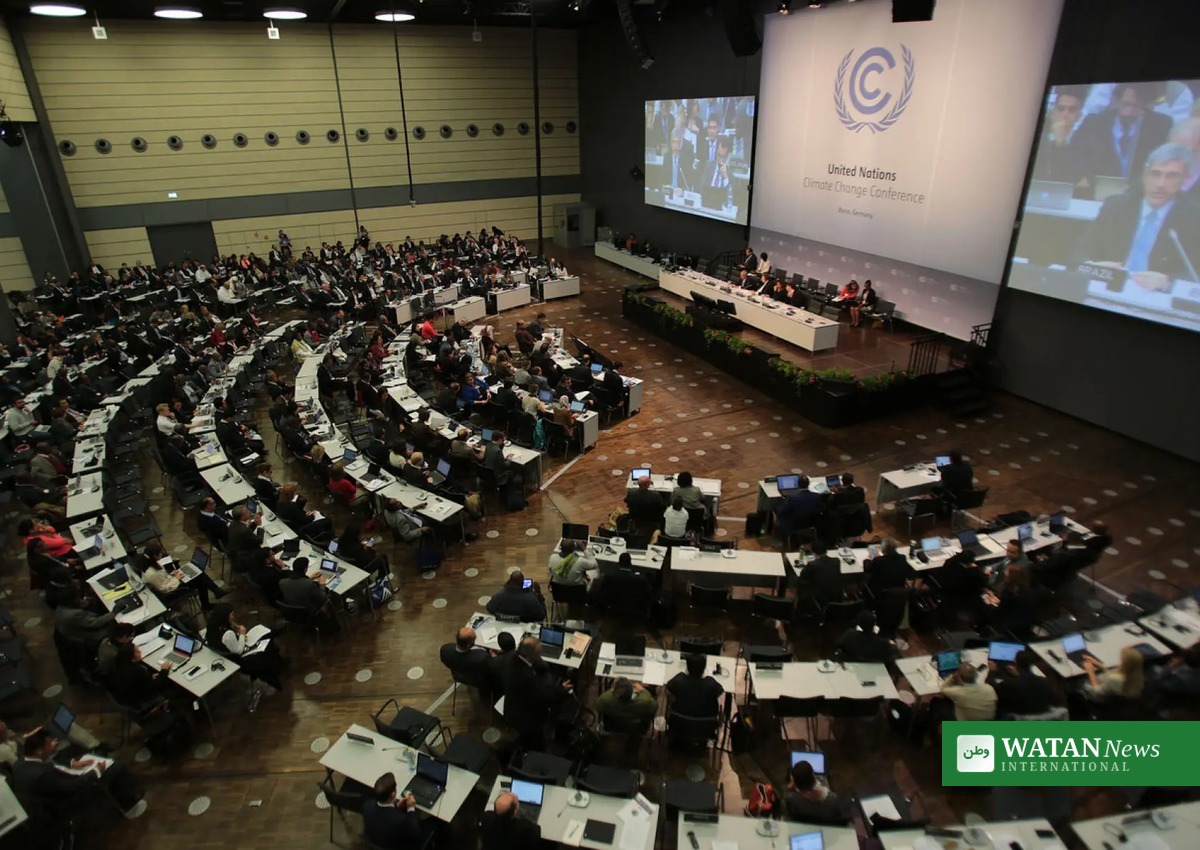
ANTALYA: Negotiators at COP31 have begun shaping the Belém-Antalya Mechanism, the new international body meant to give workers and communities practical support as economies shift away from fossil fuels — and the first days of talks in Antalya have opened on a constructive note.
FAKTA
- What: The Belém-Antalya Mechanism (BAM) — a just-transition mechanism agreed at COP30, now being shaped at COP31
- Agreed: COP30, Belém, Brazil, November 2025
- Negotiating now: COP31, Antalya, 9–20 November 2026
- Structure taking shape: Two tiers — a political and governance body, plus a separate technical operational arm
- Key dispute: Finance — grants or loans, and whether the mechanism needs a new fund
- Next step proposed: A first face-to-face meeting of a just-transition committee in April 2027
- Decision due: By 20 November 2026, when COP31 closes
What the Belém-Antalya Mechanism is
A just transition means supporting workers and communities through the shift to a low-carbon economy, so that the move away from fossil fuels does not leave people behind. The idea is often linked to coal miners and oil workers, but it also covers transitions in agriculture, heavy industry and other sectors, and the people affected include young people, women, Indigenous peoples and informal workers.
The concept has been part of climate talks for years. The preamble to the 2015 Paris Agreement commits countries to take into account “the imperatives of a just transition of the workforce and the creation of decent work and quality jobs”. At COP24 in the Polish coal city of Katowice in 2018, the presidency’s Silesia Declaration carried the same message, signed by 50 countries. At COP27 in Egypt in 2022, governments launched a Just Transition Work Programme, known as the JTWP, to discuss the issue.
But the work programme has remained largely a talking shop — two dialogues a year and one ministerial meeting, with no arm to deliver support on the ground. At COP30 in Belém, Brazil, in November 2025, governments agreed to establish a new institutional mechanism to change that. Civil society groups call it the Belém-Antalya Mechanism, or BAM, after the two COP presidencies that will have overseen its birth, although the formal COP30 text describes it only as a “mechanism”. Talks at COP29 in 2024 had closed without agreement on just transition, so the Belém decision was welcomed by trade unions and civil society as a major win.
Talks in Antalya open on a constructive note
In Bonn in June 2026, negotiators agreed only a “skeleton” draft text, leaving the hard details for Antalya. That work began on Tuesday 10 November, when the Just Transition Work Programme contact group met under co-chairs Federica Fricano of Italy and Joseph Teo of Singapore.
According to the Earth Negotiations Bulletin’s daily report from the talks, broad convergence emerged around a two-tier structure: a political and governance body, with the mechanism as a separate but complementary technical operational arm. The positions behind that convergence still differ. The Environmental Integrity Group stressed a non-prescriptive, voluntary and party-driven approach, and cautioned against establishing a new fund. The African Group said the mechanism must address informal economies and fiscal barriers, and deliver on developing-country needs. Brazil called for facilitating access to finance, technology and capacity-building, while avoiding parallel processes. The European Union proposed a work plan with reinforcing functions, including policy dialogue, sectoral implementation, international cooperation, technical assistance and coherence with bodies outside the UN climate talks.
Climate Action Network International, reporting after three days of talks, said negotiations on the mechanism had “opened on a constructive note”, with governments of the G77 group of developing countries increasingly converging on the kind of institution needed, and the EU showing more flexibility on finance and mobilising resources. The network said other negotiating groups had put forward proposals on participation and governance, and that the challenge now is to bring the pieces together into a mechanism that delivers practical support to workers and communities, with rights and justice at its heart.
Money remains the hardest question
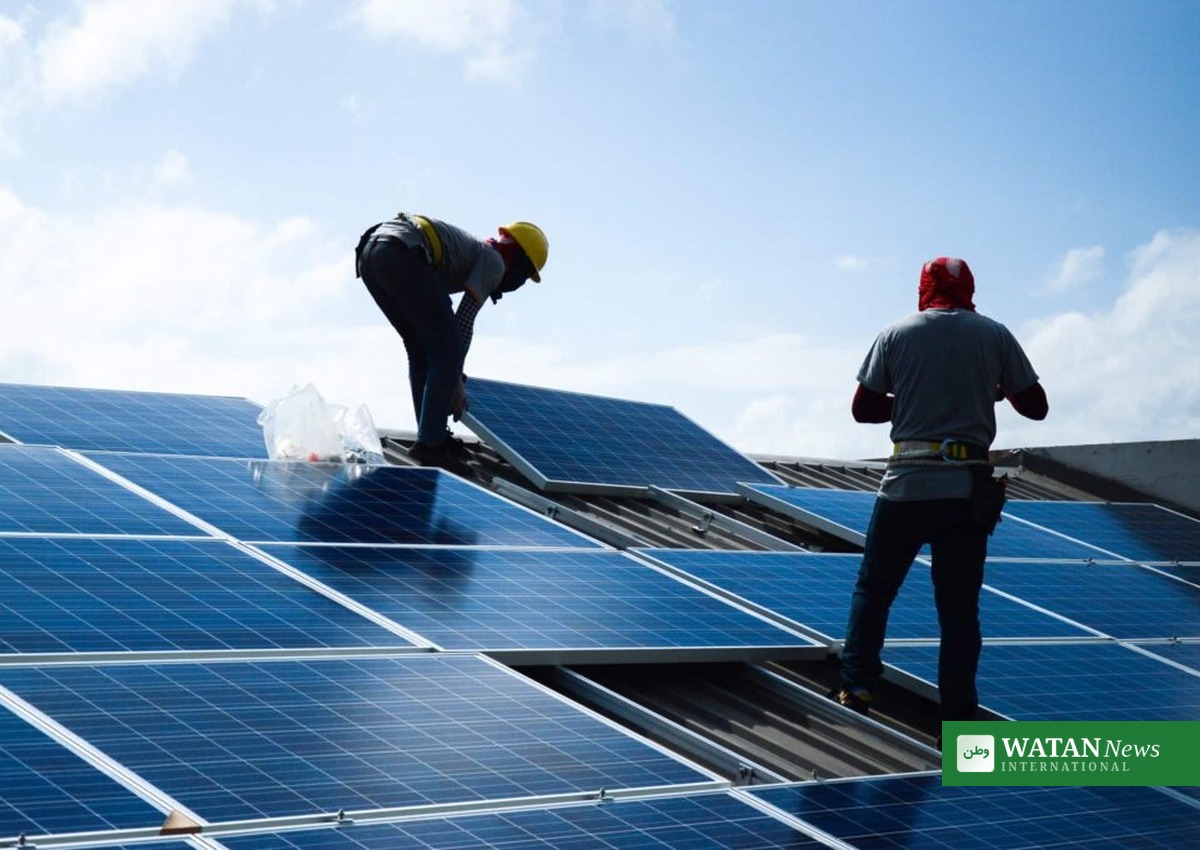
Finance is the sharpest disagreement. Developing countries, including the least developed countries, have put the focus on “means of implementation” — the finance, technology and capacity-building that would make a just transition real. Civil society groups want the mechanism to mobilise fair, accessible, grant-based public finance, not more debt for countries already carrying heavy burdens. The Alliance of Small Island States, the least developed countries and the African Group have all expressed support for a mechanism focused on implementation.
Trade unions say they are not asking for a new fund. Bert De Wel of the International Trade Union Confederation told Carbon Brief: “We’re clearly not asking for a new [just-transition] fund, we want all climate finance to be just-transition proof.” Supporters of the mechanism argue its costs would be modest: Anabella Rosemberg of Climate Action Network International notes that a similar body, the Climate Technology Centre and Network, costs less than $10 million a year.
The argument lands at a difficult moment. The UN climate secretariat itself faces a funding gap after the United States withdrew from the Paris Agreement and other parties delayed or reduced their contributions, forcing it to cancel events and leave posts unfilled. Some governments have therefore questioned creating another body. The debate over money comes to a head on COP31’s Finance and Trade Day on Friday, when trade and investment take centre stage in Antalya.
Who is pushing for a strong mechanism
The pressure for a strong outcome is coming from outside the negotiating rooms as well as inside them. More than 700 groups, including trade unions and disability advocates, have urged negotiators to prioritise a just transition, and organisations from 88 countries have demanded a mechanism at COP31 to turn promises into action, according to an open letter reported at the summit. Lidy Nacpil of the Asian Peoples’ Movement on Debt and Development said workers and communities, especially in the Global South, had welcomed the COP30 decision, but warned that governments of the Global North had sought to limit what the mechanism can do.
On Thursday 12 November, Bangladesh’s Prime Minister Tarique Rahman used the COP31 high-level segment to call for the adoption of the Belém-Antalya mechanism, according to The Business Standard. He also called for at least 50 per cent of international climate finance to go to adaptation, for grants rather than loans, and for debt-relief measures for vulnerable countries. Bangladesh contributes less than 0.5 per cent of global greenhouse gas emissions, he said, while setting out plans for 20 per cent of the country’s electricity to come from renewable sources by 2030, 4,000 megawatts of solar power and 250 million trees. The European Union has said it will work on the operationalisation of the Belém Just Transition Mechanism at COP31.
What happens next
Civil society groups have put forward detailed proposals for how the mechanism should work. A coalition of five organisations proposes a steering body, a knowledge arm and an implementation arm that would act as a hub for technical, financial and knowledge-based assistance. A separate coalition proposes three elements: coordination and coherence, knowledge generation, and international cooperation and support. The Grantham Institute at the London School of Economics suggests capacity-building, technical assistance and knowledge-sharing, in a dual-arm structure with a policy arm and an operational arm.
Climate Action Network International has called for a decision at COP31 on a first face-to-face meeting of a just-transition committee in April 2027. Analysis by the International Institute for Sustainable Development notes that developing countries have floated a phased build-out: design in 2026, institutional establishment in 2027, and scaled implementation by 2028–2030. COP31 President of Negotiations Chris Bowen has named ministerial pairs to steer the toughest files, including just transition, as the talks move into their second week.
The fossil-fuel transition itself is not a formal negotiating item in Antalya, but Brazil’s COP30 presidency presented a roadmap for moving away from fossil fuels at the summit, and former US climate envoy John Kerry told COP31 the United States will return to the climate effort. For the workers and communities the mechanism is meant to serve, the test of COP31 will be simpler: whether governments leave Antalya with a body that can actually deliver help, not only another promise. You can read about the fossil-fuel roadmap and Kerry’s message here: Kerry tells COP31 the US will return as fossil-fuel roadmap takes centre stage.
Frequently asked questions
What is the Belém-Antalya Mechanism?
It is the just-transition mechanism governments agreed to establish at COP30 in Belém in November 2025, and are now designing at COP31 in Antalya. It is meant to be a central hub that coordinates support for workers and communities affected by the shift to clean energy, including technical assistance, knowledge-sharing and help mobilising finance.
Who would it help?
Workers and communities affected by the move away from fossil fuels and other high-carbon sectors — including coal, oil and gas workers, farm workers, and people in heavy industry — as well as young people, women, Indigenous peoples and informal workers, who are often hit first by economic change.
Why is a new mechanism needed?
The existing Just Transition Work Programme, launched at COP27 in 2022, runs only two dialogues a year and one ministerial meeting. Civil society groups say that is not enough to deliver just-transition strategies on the ground, and the new mechanism is meant to turn discussion into practical support.
What is still disputed?
The main disagreements are over finance — whether support should be grant-based, and whether a new fund is needed — over the mechanism’s exact functions, and over how workers, communities and other groups take part in running it.
When could it start working?
If COP31 agrees a decision by 20 November, work would begin straight after Antalya. Climate Action Network International has proposed a first face-to-face meeting of a just-transition committee in April 2027, and developing countries have suggested a phased build-out running to scaled implementation by 2028–2030.
Author

usmanch0013@gmail.com
Related Posts

Fourteen Killed, 30 Injured in Fujairah Pile-Up Involving 23 Vehicles
- 0
- 734 words
Fourteen people were killed and 30 injured in a 23-vehicle pile-up on Sheikh Khalifa bin Zayed Road at the entrance to Fujairah,...
Read out all
COP31: Affaldsindsamlere kræver klimapenge til sig selv – ikke til forbrændingsanlæg
- 0
- 1,491 word
På COP31 i Antalya siger affaldsindsamlere og zero waste-grupper, at klimapengene skal nå de mennesker, der indsamler, sorterer og komposterer affald —...
Read out all
کاپ31 میں کچرا چننے والوں کا مطالبہ: موسمیاتی رقم ان تک پہنچے، جلانے والے پلانٹس تک نہیں
انطالیہ میں کاپ31 کے مالیاتی دن پر کچرا چننے والے اور زیرو ویسٹ تنظیمیں مطالبہ کر رہی ہیں کہ موسمیاتی رقم ان...
Read out all
COP31 Finance Day: Waste Pickers Demand Climate Money Reaches Them, Not Incinerators
- 0
- 1,456 word
At COP31 in Antalya, waste pickers and zero-waste groups say climate finance must reach the people who collect, sort and compost waste...
Read out all
Ten Police Officers Killed in Militant Ambush in Pakistan’s Kohat District
- 0
- 640 words
Ten police officers, including a senior officer, were killed and 12 wounded when militants ambushed a police convoy in Kohat, Pakistan, as...
Read out all
COP31: Mekanismen for en retfærdig omstilling tager form i Antalya
- 0
- 1,732 word
Forhandlerne ved COP31 i Antalya er begyndt at forme Belém-Antalya-mekanismen, med tidlig enighed om en struktur på to niveauer og finansiering som...
Read out all