- 0
- 1,505 word
Sixty-nine mayors representing more than 250 million people have pledged a year of concrete climate action at COP31 in Antalya, turning the world’s biggest climate summit into a showcase for what cities can deliver. From flood warning systems in Addis Ababa to London’s first dedicated heat plan, the pledges are part of the Yearly Offer of Action, an initiative that asks cities to set out exactly what they will do over the next 12 months and then report back on the results.
The announcement came as COP31 opened on 9 November 2026, and the Climate High-Level Champions highlighted it in their daily “Top of the COP” bulletin on 12 November, the summit’s Resilient Cities and Built Environment Day. The Champions, led by COP31 Champion Samed Ağırbaş and COP30 Champion Dan Ioschpe, run the Global Climate Action Agenda, which brings together businesses, cities, regions and civil society alongside government negotiations.
A 60% jump in one year
The Yearly Offer of Action was launched by C40 Cities and the Global Covenant of Mayors for Climate & Energy ahead of COP30 in Brazil. At its launch, 42 cities signed up. For 2027, that number has grown to 69, an increase of almost 60%, according to C40 Cities.
“Climate commitments must deliver real results for people. Cities are central to making that happen,” said Simon Stiell, Executive Secretary of the United Nations Framework Convention on Climate Change. “Mayors are setting ambitious targets and matching them with consistent action on the ground.”
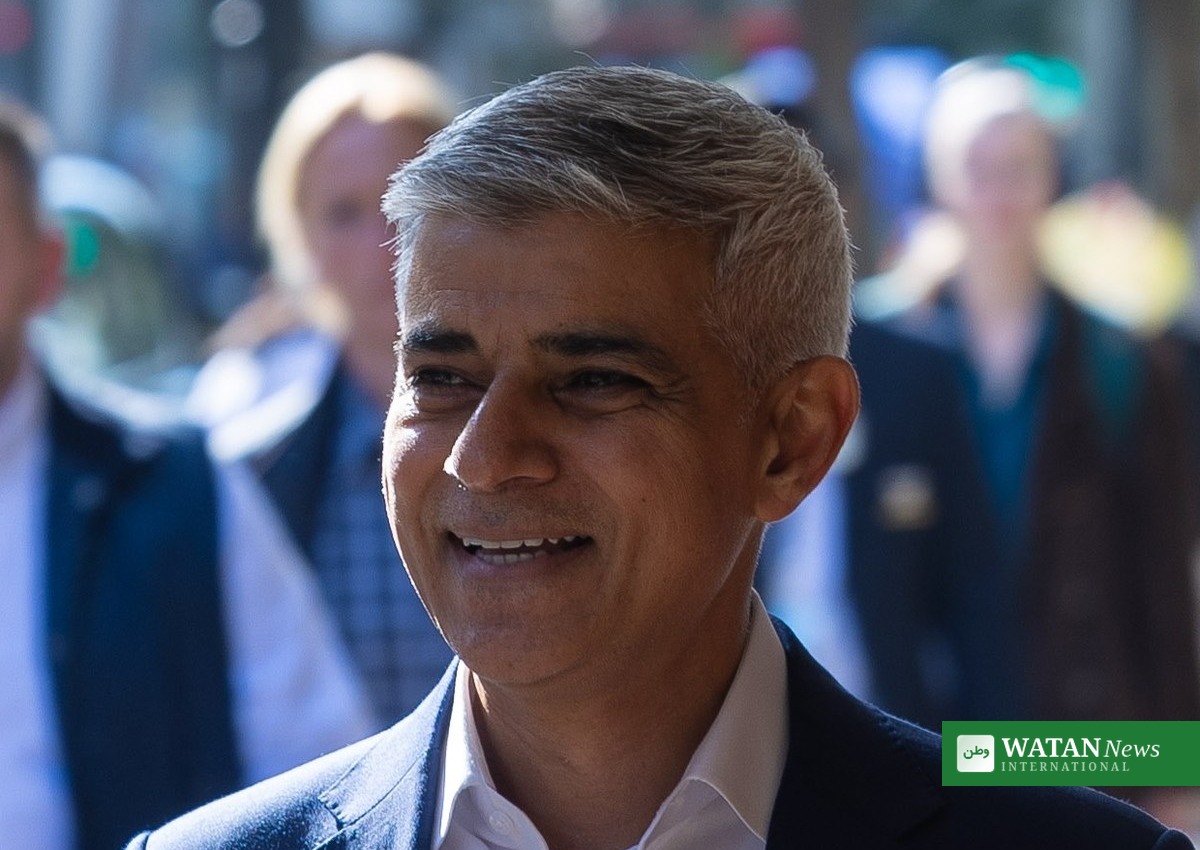
London Mayor Sadiq Khan, Co-Chair of C40 Cities, attended COP31 alongside Addis Ababa Mayor Adanech Abebe and Istanbul Acting Mayor Nuri Aslan. “Cities continue to lead the way in tackling the climate crisis, even when national governments were failing to move quickly enough,” Khan said. “Mayors have shown time and again that climate action isn’t just about distant targets. It’s about cleaner air, safer homes, better transport and protecting our communities from extreme weather.”
What the cities promised
The 69 plans cover the everyday risks that climate change brings to urban life:
Flood warnings in Addis Ababa
Ethiopia’s capital will build a new flood early warning system combining real-time river monitoring with emergency training, helping households living near vulnerable riverbanks prepare before flooding strikes.
Mangroves and clean water in Freetown
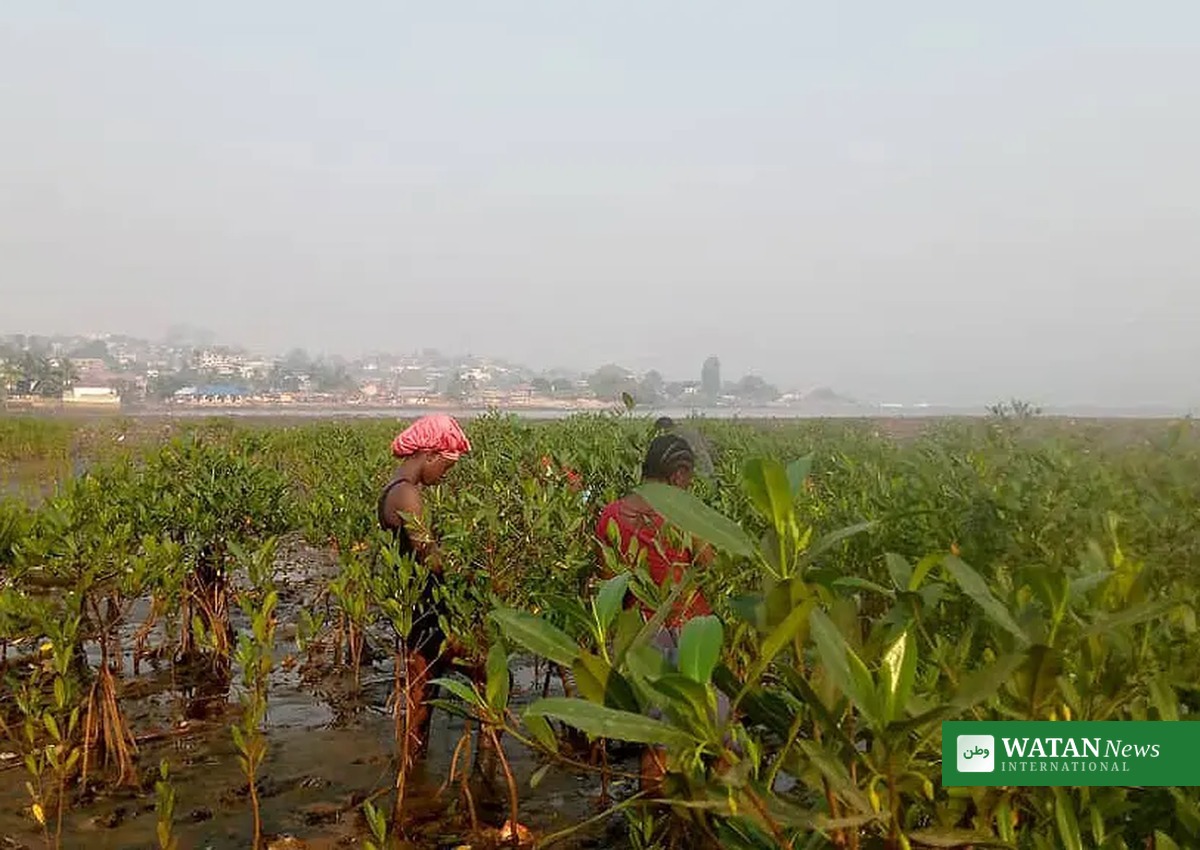
Sierra Leone’s capital will plant another 200,000 mangroves to protect vulnerable coastal communities, building on 1.2 million already planted, and introduce 24 solar-powered water kiosks bringing clean water to more than 7,000 underserved residents.
Energy-efficient buildings in Melbourne
A new financial incentive scheme will help commercial building owners improve energy efficiency, targeting about 400 buildings in its first year and expected to save more than 4,400 tonnes of emissions over ten years.
London’s first heat plan
The city will coordinate action through Heat Ready London, its first dedicated heat plan, protecting residents from dangerous temperatures in homes, schools, hospitals, care settings and public spaces.
Other pledges include urban greening in Paris, a new extreme heat early warning system in Rio de Janeiro, electric buses in Bogotá, and cooperation between 20 municipalities around Curitiba in Brazil to tackle flooding linked to El Niño.
The first results are already visible
The new commitments follow a year of progress by the cities that signed up at COP30. In Freetown, 27,000 households have been connected to private waste collection through the city’s #DortiMusGo initiative, while Melbourne has created 6,000 square metres of additional green open space in priority areas.
That record is the point of the initiative, according to C40 Cities Executive Director Mark Watts. “The Yearly Offer of Action is a simple idea: climate leadership is about what gets done, not just what gets promised,” he said. “National governments cannot meet their climate commitments without cities.”
Banks step in to fund city climate plans
Money remains the biggest obstacle. Cities face a yearly funding gap of USD 4.5–5.4 trillion for climate-resilient infrastructure, according to UN-Habitat figures cited by the Climate High-Level Champions.
Subnational development banks are beginning to close that gap. The Global Alliance of Subnational Development Banks has disbursed USD 308 million in urban climate finance this year, paying for flood and stormwater work in Senegal and for energy efficiency, drinking water and river clean-up in Colombia. In Cameroon, the subnational bank FEICOM has verified 23 projects on flood management and reforestation worth USD 11 million, with another 30 awaiting verification. In Madagascar, nine major cities have built a USD 35 million pipeline for waste, sanitation and road projects.
An EU-supported pilot called “Finance Your Cities” is helping channel finance to the local level through a new generation of multilevel country platforms, and is in talks to scale to 14 more countries across Africa. Separately, in Brazil, the Mutirão programme has formalised procurement for more than 200 electric buses, with a pipeline of nearly 600 more in development.
Buildings: the other half of the city story
The buildings and construction sector produces 37% of global CO₂ emissions, according to the United Nations Environment Programme, and much of the building stock expected to exist in 2050 in Africa and Asia-Pacific has yet to be built. The COP31 Presidency is targeting a reduction in operational energy intensity for global building stock by 25% by 2035 under its Antalya Compact for Energy Efficient Buildings.
Progress is accelerating. The World Green Building Council’s #BuildingLife programme reports that more than 970 companies have now endorsed national decarbonisation roadmaps, up 20% since 2024, and the number reporting progress on cutting building emissions has risen nearly fivefold in a year, to more than 300. With USD 5.5 million in new funding since COP30, the Council will expand its roadmaps to 19 countries, with China, Ethiopia, Nigeria and South Africa next on the list. Cities from Helsinki to Milan are writing carbon limits into their building codes, and Spain is moving to write life-cycle carbon into its codes as every EU member state has to set carbon limits for new buildings from 2030.
Ports, too, now have a common way to measure how well they would stand up to climate shocks. The Resilience4Ports indicators, launched at COP31, score a port across five areas, from assets and governance to coastal and marine ecosystems. Climate disruption already puts an average of USD 122 billion of economic activity at risk each year across 1,320 ports.
Key facts
- 69 cities have signed up to the Yearly Offer of Action for 2027, up from 42 at COP30, an increase of almost 60%.
- More than 250 million people live in the cities that made the pledges.
- USD 4.5–5.4 trillion is the yearly funding gap cities face for climate-resilient infrastructure, according to UN-Habitat.
- 37% of global CO₂ emissions come from the buildings and construction sector, according to UNEP.
- USD 308 million in urban climate finance has been disbursed this year by the Global Alliance of Subnational Development Banks.
The mayors are also asking national governments for more. C40 Cities is calling at COP31 for climate finance to be made more accessible to cities, for local leaders to have a meaningful role in planning and delivering a just transition, and for stronger cooperation between national, regional and local governments. For the first time at a UN climate conference, the COP31 Leaders’ Summit dedicated a high-level dialogue to urban resilience, adaptation and climate action, a sign that cities have moved from the sidelines of the negotiations to their centre. As negotiators work towards the final decisions in Antalya, the mayors’ message is that delivery has already begun in their streets, and they want the support to go further. Read our COP31 midpoint report from Antalya.
Frequently asked questions
What is the Yearly Offer of Action?
It is an initiative launched by C40 Cities and the Global Covenant of Mayors for Climate & Energy ahead of COP30. Each participating city identifies specific climate actions it will undertake over the following 12 months and shares its progress, so that delivery can be tracked year after year.
How many cities have signed up for 2027?
Sixty-nine cities have signed up for 2027, up from 42 at the launch at COP30, an increase of almost 60%. Together they represent more than 250 million people.
What kinds of actions are the cities taking?
The plans include flood early warning systems in Addis Ababa, mangrove planting and solar water kiosks in Freetown, a building-efficiency incentive in Melbourne, London’s first dedicated heat plan, urban greening in Paris, heat early warnings in Rio de Janeiro and electric buses in Bogotá.
Why do cities matter so much for climate action?
Cities are where most climate impacts are felt and where many of the decisions that determine whether climate commitments succeed are made, from transport and buildings to waste and protection against extreme weather. UN News reported that up to three billion people lack adequate housing and more than one billion live in informal settlements, often exposed to floods, landslides and extreme heat.
Who are the Climate High-Level Champions?
The Champions are appointed by each COP Presidency to mobilise climate action by businesses, cities, regions and civil society. Samed Ağırbaş, President of Türkiye’s Zero Waste Foundation, is the COP31 Champion, working alongside Dan Ioschpe, the COP30 Champion. Together they lead the Global Climate Action Agenda and publish the daily “Top of the COP” bulletin during the summit.
Author

usmanch0013@gmail.com
Related Posts
Eswatinis 15-årige børneambassadør tager kampen for børns mad til COP31-forhandlerne
- 0
- 1,447 word
Femtenårige Hlelolwenkhosi Nsibandze, Eswatinis første børnerepræsentant ved en COP, talte til afrikanske forhandlere ved COP31 i Antalya og opfordrede lederne til at...
Read out all
ایسواتینی کے 15 سالہ بچہ سفیر نے کاپ31 میں بچوں کی بھوک کا معاملہ مذاکرات کاروں تک پہنچا دیا
پندرہ سالہ ہلیلووینخوسی نسیبانڈزے ایسواتینی کے پہلے بچہ نمائندے ہیں جنہوں نے کاپ31 میں افریقی مذاکرات کاروں سے خطاب کیا اور بچوں...
Read out all
Eswatini’s 15-Year-Old Child Ambassador Takes Children’s Hunger Fight to COP31 Negotiators
- 0
- 1,405 word
Fifteen-year-old Hlelolwenkhosi Nsibandze, Eswatini's first child representative at a COP, addressed African negotiators at COP31 in Antalya and urged leaders to put...
Read out all
Yemen Forces Withdraw from Bab el-Mandeb Area, Leaving Houthis in Control of Vital Strait
- 0
- 574 words
Yemeni government forces have withdrawn from the area overlooking the strategic Bab el-Mandeb Strait, leaving the Houthis in control of one of...
Read out all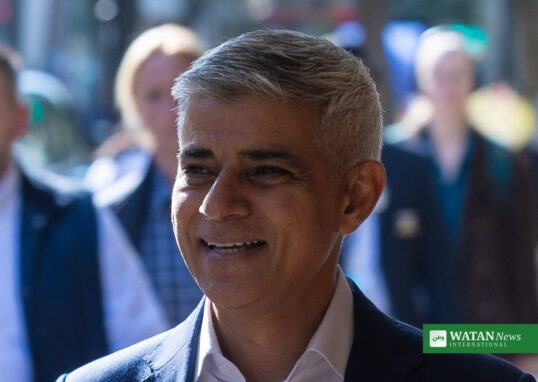
69 borgmestre lover et år med klimahandling ved COP31
- 0
- 1,553 word
69 borgmestre, der repræsenterer mere end 250 millioner mennesker, har lovet et år med konkret klimahandling ved COP31 i Antalya, fra varsling...
Read out all
کاپ31 میں 69 میئرز کا ایک سال کی موسمیاتی کارروائی کا عہد، شہر آگے بڑھے
انطالیہ میں کاپ31 کے موقع پر 69 میئرز نے، جو 25 کروڑ سے زیادہ افراد کی نمائندگی کرتے ہیں، ایک سال کی...
Read out all