- 0
- 1,119 word
ADANA: As COP31 champions zero waste in Antalya, the country hosting the summit is also the European Union’s biggest destination for plastic waste. In 2025, Türkiye imported 510,000 tonnes of plastic waste from the EU and a further 140,000 tonnes from Britain, a trade valued at €94 million by the European Commission — and campaigners say much of it ends up polluting the Mediterranean and the farmland of Adana province.
FAKTA
- What: Türkiye imported 510,000 tonnes of EU plastic waste in 2025, plus 140,000 tonnes from Britain
- Where it goes: Nearly 60% to Adana province, home to around 170 recycling companies
- Measured impact: Microplastic levels in the Mediterranean up to 65 times higher than previously seen, researchers say
- Official position: Environment Minister Murat Kurum says Türkiye does not import waste, only recyclable raw material
- What changes: An EU ban on plastic waste exports to non-OECD countries takes effect on 21 November
Adana: the front line of the trade
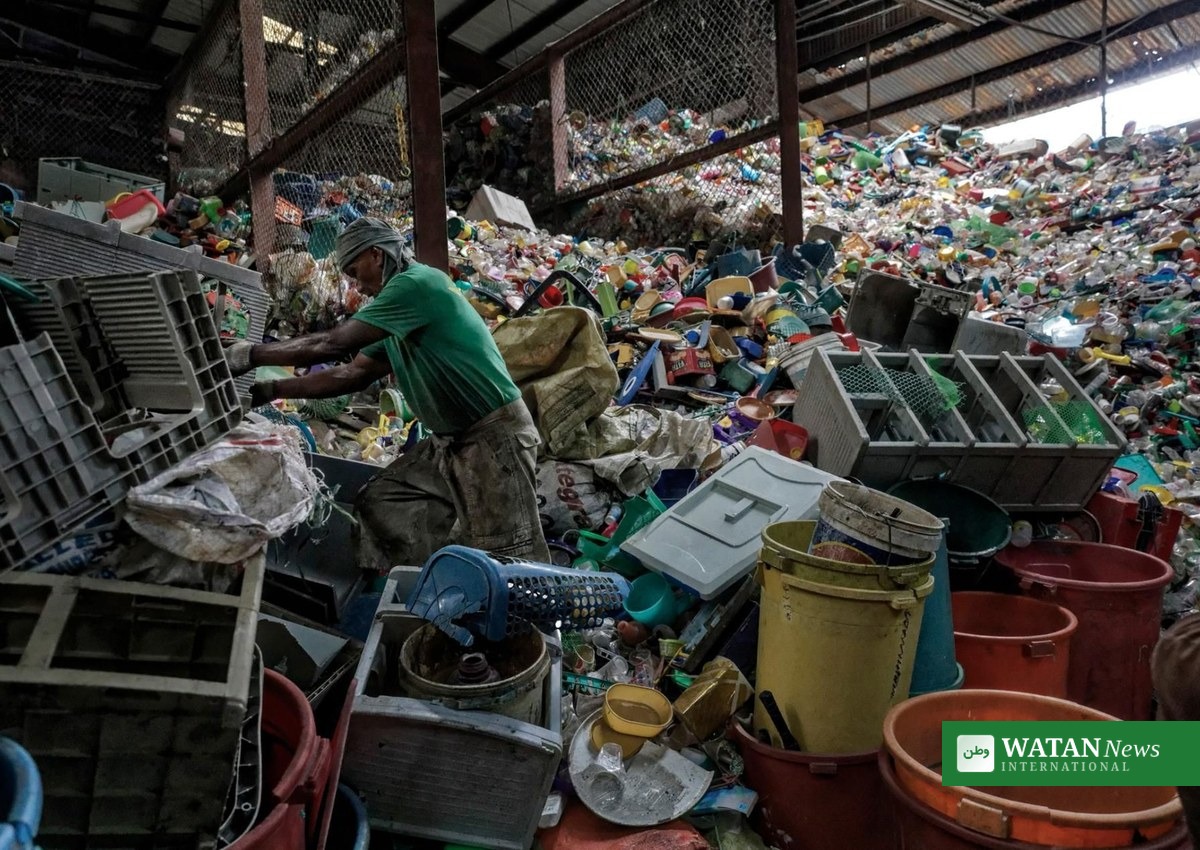
Nearly 60% of the imported waste is transported to Adana, in the heart of fertile farmland that produces more than a third of Türkiye’s citrus fruit. There, around 170 recycling companies operate amid the fields. Abandoned in nature or burned in the open air, the waste becomes mountains of filthy plastic shavings, AFP reported from the province this week.
Near the canal where 65-year-old shepherd Ibrahim Yildiz grazes his sheep, the water runs past piles of shredded plastic. “It’s been like this for a decade. Around here, we call it the ‘canal of filth.’ My animals no longer produce milk,” he told AFP. Poorly shredded, the remains often reveal their origins: a plastic pack of French ham, an empty potato chip bag from Austria, a used packet of tomato sauce from Britain.
Marine biologist Sedat Gündoğdu of the Microplastics Research Group says the particles are carried by rivers and floods from Adana to the Mediterranean, where they built up along the Turkish coast this summer. “We measured microplastic concentrations in the Mediterranean up to 65 times higher than levels previously seen. Up to 93 percent come from waste shredded at recycling centers,” he told AFP. “It’s an ecological disaster because it’s permanent. Once it reaches the sea, the entire Mediterranean is polluted.”
Residents of Küçükdikili, a deprived suburb of Adana, accuse recycling firms of routinely burning waste in the open air and portraying it as accidental fires. Nearly 200 fires are recorded every year at recycling plants across Türkiye, according to a count by the Microplastics Research Group. “Adana is not Europe’s dumping ground!” protesters chanted at a demonstration in August. Murat Esin, who lives next to a recycling site, told AFP: “We can’t breathe because of the smell and the ash that covers everything.” Environmental activist Yasar Gokoglu says burning is the cheapest way for companies to dispose of non-recyclable waste: “Europeans might be easing their consciences by sorting their waste. But they need to know their waste ends up poisoning us.”
The official response
Environment Minister Murat Kurum, who is also COP31 President, has denied that rubbish is being imported. “We absolutely do not allow waste imports. What does come in? Ground granule material which is used as raw material in production,” he told journalists on 23 October. He said that where illegal waste imports had been identified in Adana, the businesses concerned had been closed down and penalties imposed.
Samed Ağırbaş, president of the Zero Waste Foundation, told AFP that plastic waste imported for recycling “must be processed without harming the environment, and waste management systems must be effectively monitored and traceable”. Gündoğdu argues that fines and inspections are not enough: “We need to end the waste trade once and for all; it’s a new form of colonialism,” he said, adding that only 9% of plastics are recyclable. “Trying to recycle a material designed to be thrown away is expensive. That’s why Europe sends them to other countries. In this case, recycling is an illusion.”
Why it matters at COP31
The Zero Waste campaign, led by First Lady Emine Erdoğan, is a key element of Türkiye’s COP31 agenda, according to the environment ministry, and waste and methane were the theme of the leaders’ summit’s first day — Zero Waste Day. The COP31 Action Agenda aims to halve the growth of waste generation by 2035, and food waste and methane have been central to the summit’s waste programme.
Yet the trade itself is about to shift. An EU ban on exporting plastic waste to non-OECD countries comes into force on 21 November, and campaigners say it looks set to further increase shipments to Türkiye, an OECD member. Critics, including climate policy analyst Ümit Şahin, argue that Türkiye takes in more European plastic waste than any other nation and burns or dumps much of it, and that a sincere zero-waste policy should start with banning plastic waste imports. “COP31 offers an opportunity,” Gündoğdu said. “A call to end the waste trade would put Turkey in a leadership position. The goal of zero waste can only be achieved by ending these imports.”
What to watch next
Whether COP31 produces any call on the waste trade will be watched closely in Adana, where residents have waited a decade for the canal of filth to run clean. The summit’s waste targets — halving waste growth by 2035 and cutting methane from rotting waste — will be judged not only by what is promised in Antalya, but by what happens to the next shipload of European plastic.
Frequently asked questions
How much plastic waste does Türkiye import?
In 2025, Türkiye imported 510,000 tonnes of plastic waste from the European Union and a further 140,000 tonnes from Britain, according to European Commission figures reported by AFP — a trade valued at €94 million.
Where does the imported plastic waste go?
Nearly 60% is transported to Adana province in southern Türkiye, where around 170 recycling companies operate amid farmland that produces more than a third of the country’s citrus fruit.
What have scientists measured in the Mediterranean?
Marine biologist Sedat Gündoğdu of the Microplastics Research Group says microplastic concentrations in the Mediterranean reached up to 65 times higher than previously seen levels, with up to 93% coming from waste shredded at recycling centres.
What does the Turkish government say?
Environment Minister Murat Kurum says Türkiye does not import waste at all, and that incoming material is ground granule used as raw material in production. He says businesses found to import waste illegally have been closed and penalised.
What changes on 21 November?
An EU ban on exporting plastic waste to non-OECD countries takes effect, which campaigners say is likely to increase shipments to Türkiye, an OECD member, unless the trade itself is addressed.
Author

usmanch0013@gmail.com
Related Posts

Russia Reportedly Seeks Finland’s NATO Exit in Abu Dhabi Peace Talks
- 0
- 500 words
Bild reports Russian negotiators in Abu Dhabi put forward demands including Finland leaving NATO, a ban on alliance bases in the Baltic...
Read out all
UN Chief Guterres Holds Press Conference at COP31 as Finance Day Ends
- 0
- 1,016 word
United Nations Secretary-General António Guterres held a press conference at COP31 in Antalya on Friday, closing his final day at the conference...
Read out all
Germany Pledges €200 Million in Winter Aid for Ukraine
- 0
- 455 words
Germany has announced an extra €200 million ($221 million) in winter aid to help Ukraine keep electricity, heating and water running as...
Read out all
Tyrkiet og Kina underskriver aftale om vedvarende energi for 15 milliarder dollar ved COP31
- 0
- 1,012 word
Tyrkiet og Kina har underskrevet en aftale om vedvarende energi for 15 milliarder dollar ved COP31 i Antalya med 7 GW sol-...
Read out all
کاپ31 میں ترکیہ اور چین کے درمیان 15 ارب ڈالر کا قابلِ تجدید توانائی معاہدہ
کاپ31 انتالیہ میں ترکیہ اور چین نے 15 ارب ڈالر کے قابلِ تجدید توانائی معاہدے پر دستخط کیے، جس میں 7 گیگا...
Read out all
Türkiye and China Sign $15 Billion Renewable Energy Deal at COP31
- 0
- 1,104 word
Türkiye and China signed a $15 billion renewable energy agreement at COP31 in Antalya, covering 7 GW of solar and wind, energy...
Read out all