- 0
- 688 words
Around 40,000 students from 57 upper-secondary schools across Denmark went on strike on Wednesday, 4 November, in protest against government plans to cut student grants, with up to 13,000 young people marching through the streets of Copenhagen in a nationwide Danish students strike.
FAKTA
- The strike: Around 40,000 students at 57 upper-secondary schools took part in a nationwide strike on 4 November 2026.
- The Copenhagen march: Up to 13,000 students marched from City Hall Square (Rådhuspladsen) to the Danish parliament at Christiansborg under the slogan “Enough is Enough”.
- The proposal: Students living at home would lose their grant if their parents’ combined annual income exceeds DKK 710,077 (about €95,000).
- Who is affected: About 14,000 students would lose their grants entirely and another 8,000 would see them reduced, according to the Higher Education Ministry.
- The system: Denmark’s student grant, SU, has been paid automatically to students over 18 since 1970, regardless of their parents’ income.
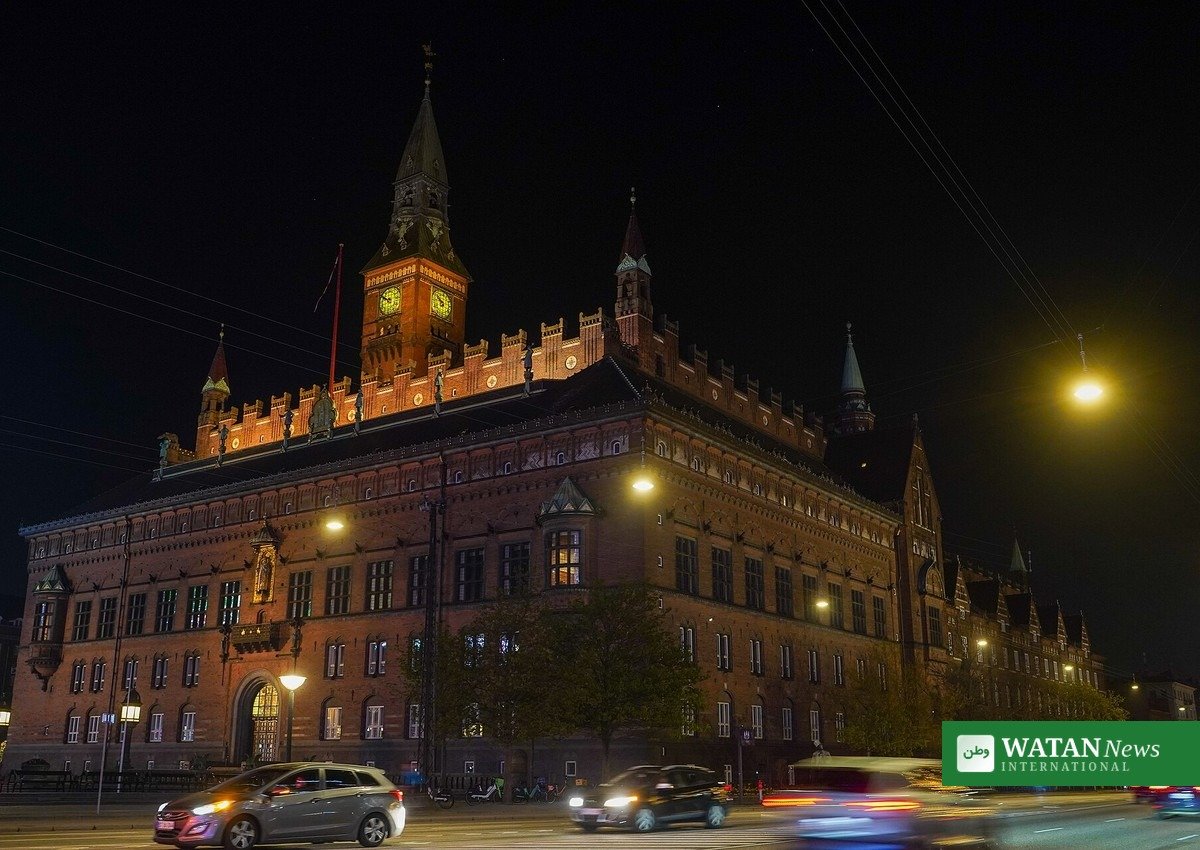
The Danish students strike marches through Copenhagen
The demonstration, held on Wednesday, 4 November, brought together students from high schools and universities who marched from Copenhagen’s City Hall Square towards the Danish parliament. Protesters carried banners reading “Less Support, Less Educated”, “Broken Promises” and “Don’t Cheat the Young”, and chanted “Save SU”, referring to the Danish name for the student allowance.
Oscar Tønsberg Hoffmann, president of the Danish Association of Upper Secondary School Students (Danske Gymnasieelevers Sammenslutning, DGS), said students were proud of Denmark’s education support system. The figures for the strike – 40,000 students at 57 schools – were provided by DGS, according to the Ritzau news agency.
The protest in Denmark was part of a wider wave of youth demonstrations across Europe over education funding and public spending.
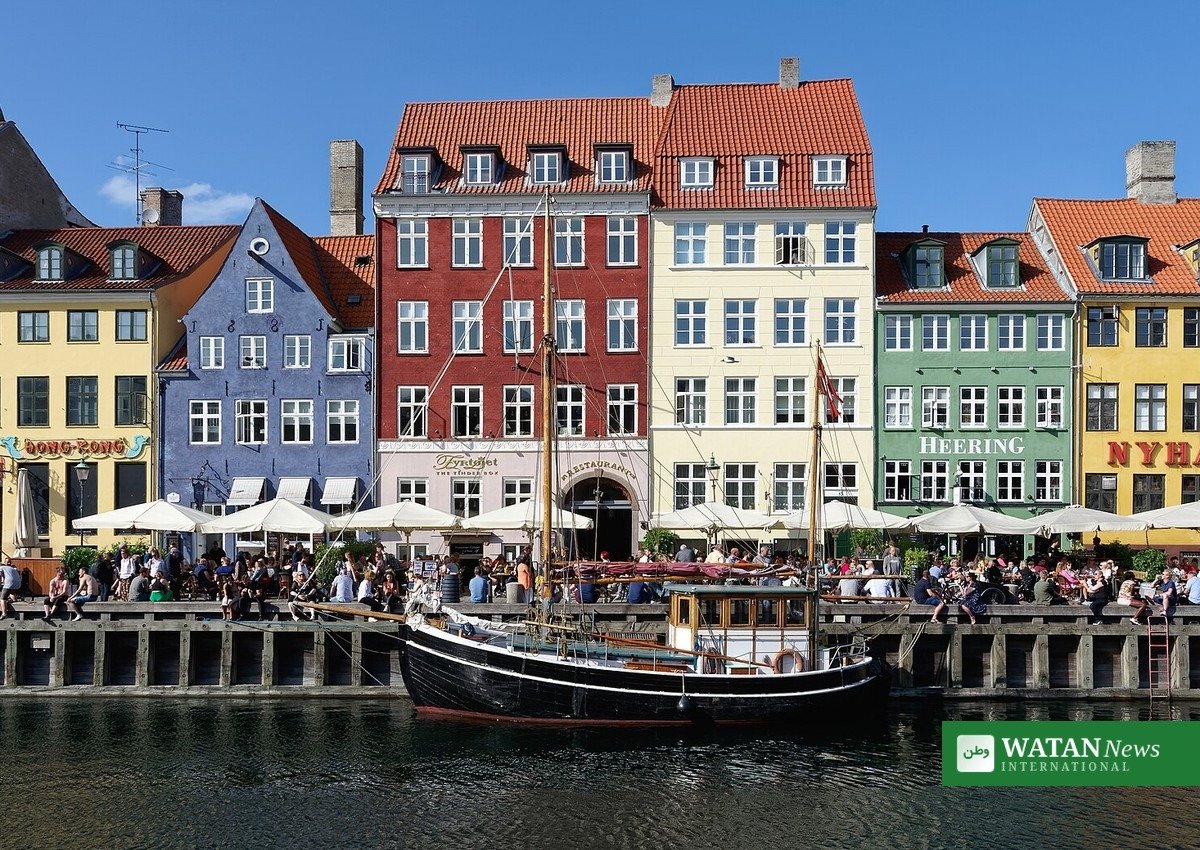
Nyhavn in Copenhagen. Students from 57 schools across Denmark joined the strike on 4 November, with the largest march taking place in the capital.
What the government proposes
Under the government’s proposed 2027 budget, students living at home would lose their SU grant if their parents’ combined annual income exceeded DKK 710,077 (about €95,000) before tax. Grants would be progressively reduced for students whose parents earned between DKK 419,589 (about €56,100) and that upper threshold.
Currently, students aged 18 and above are generally eligible for the SU allowance regardless of their parents’ income. The monthly support stands at DKK 1,154 (around €154) for students living with their parents and DKK 7,426 (around €993) for those living independently.
The government also wants to change eligibility for graduate unemployment benefits. Recent graduates would need to have worked an average of at least four hours a week for 18 of the final 24 months of their studies to qualify.
Who would be affected
According to Denmark’s Higher Education Ministry, approximately 14,000 students could lose their grants entirely if the proposal is implemented, while another 8,000 would face reductions. Reports say the proposed changes are intended to free up money for defence spending.
Both measures are proposals, not changes already in force. They are part of the 2027 state budget process, which remains under negotiation, and final adoption by parliament is expected in December.
Read more Denmark news on Watan News International – Denmark.
Conclusion
The student strike was one of the largest youth protests Denmark has seen in years, and it put the future of the country’s 55-year-old student grant system at the centre of the budget debate. Whether the government holds to its plan will become clear when parliament votes on the 2027 budget in December.
Frequently Asked Questions
What is SU?
SU, or Statens Uddannelsesstøtte, is Denmark’s state educational support grant. Since 1970, students over 18 enrolled in school or university have automatically received it, regardless of their parents’ income.
How many students went on strike?
Around 40,000 students from 57 upper-secondary schools took part in the strike on 4 November, according to the Danish Association of Upper Secondary School Students. Up to 13,000 marched in Copenhagen.
What exactly is the government proposing?
Students living at home would lose their grant if their parents earn more than DKK 710,077 a year combined, with reduced grants for parental incomes between DKK 419,589 and DKK 710,077. Graduate unemployment benefits would also require part-time work during studies.
Has the change already taken effect?
No. The measures are proposals in the 2027 state budget, which is still being negotiated. Final adoption by parliament is expected in December.
Author

usmanch0013@gmail.com
Related Posts

Copenhagen Shines as Alchemist and Kadeau Enter World’s Top 10 Restaurants
- 0
- 728 words
Alchemist placed third and Kadeau eighth in The 50 Best Restaurants 2026, unveiled in Lima on 4 November, giving Copenhagen two restaurants...
Read out all
Tankers Hit Again in Strait of Hormuz as Iran Reports Mine Strikes
- 0
- 809 words
Three more tankers were reported damaged in the Strait of Hormuz on Thursday, 5 November, as attacks on shipping continued at a...
Read out all
Eurozone Inflation Hits 4% in October as Energy Prices Surge
- 0
- 708 words
Eurozone inflation rose to 4.0 percent in October 2026, its highest in three years, as energy prices surged 20.8 percent and Asian...
Read out all
Denmark’s Citizenship Freeze Leaves 487 Applicants in Limbo
- 0
- 815 words
Two Danish opposition parties want 487 citizenship applicants granted Danish citizenship before a new screening system is introduced, after their cases were...
Read out all
China Blocks SoftBank’s $5.4 Billion ABB Robotics Deal as Chip Stocks Slide
- 0
- 910 words
China has blocked SoftBank's $5.4 billion acquisition of ABB's robotics unit, the Financial Times reported on 5 November, as chip stocks including...
Read out all
Paraguay President Santiago Peña Resigns After Bank Collapse Freezes Millions of Accounts
- 0
- 1,072 word
Paraguay President Santiago Peña resigned on Thursday after the collapse of Ueno Bank left millions of customers unable to access their money,...
Read out all