
- 0
- 708 words
Eurozone inflation rose to 4.0 percent in October, its highest level in three years, as a sharp surge in energy prices pushed up the cost of living across the 21 countries that share the euro.
FAKTA
- Headline inflation: 4.0% in October 2026, up from 3.8% in September – the highest since September 2023.
- Energy prices: up 20.8% from a year earlier, the biggest rise since December 2022.
- Core inflation: unchanged at 2.5%, in line with expectations.
- Interest rates: markets are pricing in two to three further rate rises to the European Central Bank’s 2.5% deposit rate over the coming year.
- Markets: Asian shares slid on Thursday, with South Korea’s Kospi down about 4.8% and Japan’s Nikkei down about 1.5%.
Energy drives the Eurozone inflation rise
Inflation in the eurozone accelerated to 4.0 percent in October from 3.8 percent in September, flash data from Eurostat showed on Wednesday, 4 November. The figure matched economists’ expectations and was the highest since September 2023, when the rate was 4.3 percent.
Energy prices posted the largest annual increase, climbing 20.8 percent, as continued fighting in the Middle East pushed up the cost of oil and gas. Services inflation, the largest item in the consumer price basket, rose to 3.3 percent from 3.2 percent, and unprocessed food prices rose 4.6 percent from 4.0 percent.
Inflation across the eurozone
The picture varied sharply between the bloc’s largest economies. Inflation accelerated in France, Italy and the Netherlands, while it eased in Germany and Spain.
| Country | October 2026 | September 2026 |
|---|---|---|
| Germany | 2.8% | 3.3% |
| France | 3.8% | 3.4% |
| Italy | 5.6% | 4.2% |
| Spain | 4.9% | 5.0% |
| Netherlands | 3.3% | 3.0% |
Germany’s inflation rate eased partly because of a temporary fuel tax cut, while Italy saw the sharpest acceleration, from 4.2 percent to 5.6 percent. In Belgium, inflation reached 5.2 percent in October, according to Eurostat.
What it means for interest rates
The figures are likely to firm up market bets on another European Central Bank rate rise in December. Headline inflation is clearly higher than in the ECB’s baseline scenario from September, ING economist Carsten Brzeski said, strengthening the case for another rise.
However, muted underlying price pressures suggest the December rise could also be the last one, Brzeski added. Core inflation, which strips out volatile food and energy prices, held steady at 2.5 percent, and economists noted that energy inflation has so far produced only limited second-round effects on other prices.
The ECB now expects inflation to hold above 4 percent for much of the first half of 2027 before falling quickly towards the low twos, when high year-earlier figures drop out of the annual comparison.
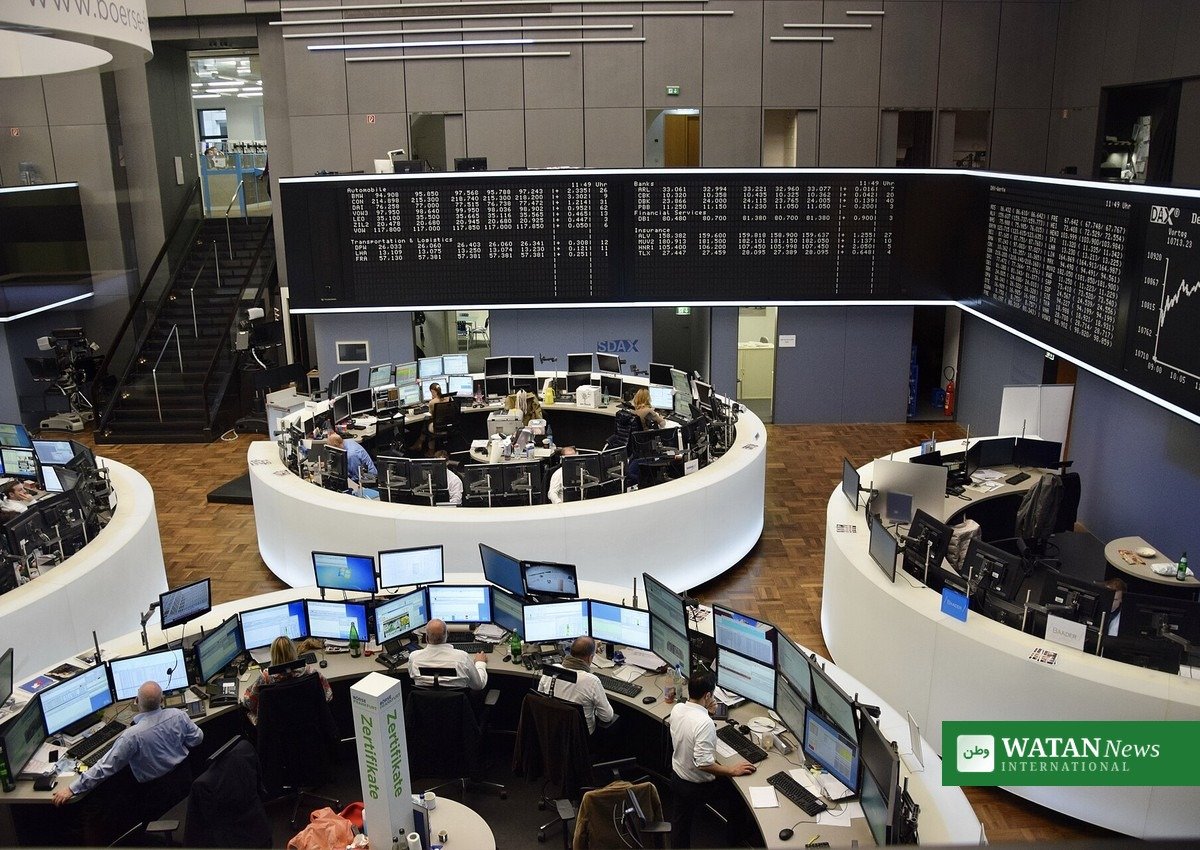
The Frankfurt Stock Exchange. European markets are pricing in further interest rate rises from the European Central Bank after inflation hit a three-year high.
Markets slide in Asia
Asian markets split sharply on Thursday as investors rotated out of artificial intelligence and chip stocks. South Korea’s Kospi fell about 4.8 percent, with selling heavy enough to trigger a halt in programme trading, and Japan’s Nikkei fell about 1.5 percent. US tech futures also slid, while gold extended its rise to around $4,135 an ounce.
Brent crude, which had traded near $119 a barrel in October, fell to about $93.65 a barrel on Thursday, offering some relief to energy importers but underlining how volatile markets have become.
Read more business news on Watan News International – Business.
Conclusion
Eurozone inflation at 4.0 percent is a reminder that the cost-of-living squeeze is far from over. Energy prices are driving the rise, the ECB is expected to raise rates again in December, and households and businesses across Europe face months of higher prices before inflation is expected to ease in 2027.
Frequently Asked Questions
What is eurozone inflation now?
Eurozone annual inflation was 4.0 percent in October 2026, up from 3.8 percent in September, according to Eurostat’s flash estimate. It is the highest rate since September 2023.
What caused the rise?
Energy prices, which rose 20.8 percent from a year earlier, were the main driver, as fighting in the Middle East pushed up oil and gas costs. Services and food prices also rose.
What is core inflation?
Core inflation excludes energy and food prices. It remained unchanged at 2.5 percent in October, suggesting that underlying price pressures are more muted than the headline figure.
Will the ECB raise interest rates?
Markets expect another rate rise in December, with two to three rises priced in over the coming year. Economists say the December move could be the last one if core inflation stays subdued.
Author

usmanch0013@gmail.com
Related Posts

Copenhagen Shines as Alchemist and Kadeau Enter World’s Top 10 Restaurants
- 0
- 728 words
Alchemist placed third and Kadeau eighth in The 50 Best Restaurants 2026, unveiled in Lima on 4 November, giving Copenhagen two restaurants...
Read out all
Tankers Hit Again in Strait of Hormuz as Iran Reports Mine Strikes
- 0
- 809 words
Three more tankers were reported damaged in the Strait of Hormuz on Thursday, 5 November, as attacks on shipping continued at a...
Read out all
Denmark’s Citizenship Freeze Leaves 487 Applicants in Limbo
- 0
- 815 words
Two Danish opposition parties want 487 citizenship applicants granted Danish citizenship before a new screening system is introduced, after their cases were...
Read out all
40,000 Danish Students Strike Over Planned Student Grant Cuts
- 0
- 688 words
Around 40,000 Danish students from 57 schools went on strike on 4 November 2026 against planned cuts to student grants, with up...
Read out all
China Blocks SoftBank’s $5.4 Billion ABB Robotics Deal as Chip Stocks Slide
- 0
- 910 words
China has blocked SoftBank's $5.4 billion acquisition of ABB's robotics unit, the Financial Times reported on 5 November, as chip stocks including...
Read out all
Paraguay President Santiago Peña Resigns After Bank Collapse Freezes Millions of Accounts
- 0
- 1,072 word
Paraguay President Santiago Peña resigned on Thursday after the collapse of Ueno Bank left millions of customers unable to access their money,...
Read out all