
- 0
- 853 words
The Denmark gambling bill known as L37 is back before parliament with a whistle-to-whistle ban on gambling advertising around live sports, a new legal duty of care for operators, and tighter rules on marketing, online casinos and unlicensed websites — with the first parliamentary debate scheduled for October 22, 2026.
FAKTA
- Bill L37 was tabled on October 7, 2026 by Minister for Taxation and Growth Jakob Engel-Schmidt.
- It re-tables the lapsed bill L127 and implements Spilpakke 1, a cross-party agreement from October 2025.
- A whistle-to-whistle ban would keep gambling ads off live sports broadcasts from 10 minutes before kickoff until 10 minutes after.
- Operators would face a formal duty of care: monitor player behaviour, intervene on harm and document responsible-gambling procedures.
- The bill cites figures showing almost 500,000 Danish adults had some degree of gambling problem in 2021.
What the Denmark gambling bill proposes
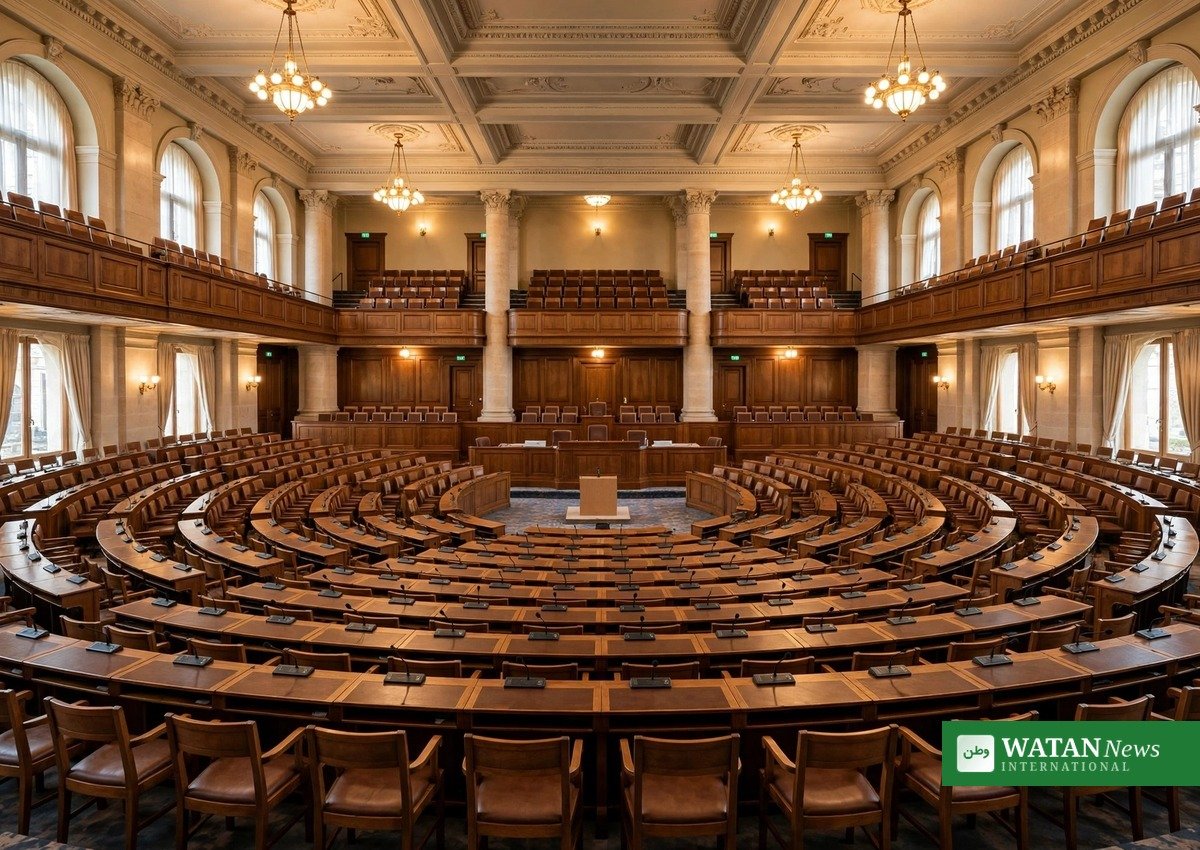
Bill L37, tabled on October 7, 2026 by Minister for Taxation and Growth Jakob Engel-Schmidt, re-introduces gambling reforms that lapsed when Denmark held a general election earlier this year. The bill implements Spilpakke 1, the cross-party agreement reached on October 24, 2025 between the then government and seven other parties, and its first reading is scheduled for October 22, 2026.
At its core is a new legal duty of care for licensed operators. Companies would be required to monitor player behaviour, step in when signs of problem gambling are detected, document their responsible-gambling procedures, deliver staff training and regularly assess whether their controls work. The regulator Spillemyndigheden would gain stronger enforcement tools, including powers aimed at unlicensed offshore websites serving Danish players.
On marketing, the bill tightens the rules substantially. Advertisements could not portray gambling as entertainment or as life-changing, could not feature people under 25, and could not target anyone under 18. Operators would have to include gambling risk warnings in their advertising, and further requirements could follow through separate regulations.
Whistle-to-whistle ad ban returns
The most eye-catching measure is the return of the whistle-to-whistle ban. Gambling advertising would be prohibited around live sports broadcasts on linear TV and streaming services — from 10 minutes before the event starts until 10 minutes after it ends. The ban would cover ad breaks during the event, live odds shown on screen and even live odds displayed at the venue itself, such as inside a football stadium. Stadium banners and shirt sponsorships, however, fall outside the ban.
The bill also pushes gambling ads away from young people. Advertising would be prohibited on public transport and in connection with it, and in public spaces within 200 metres of schools and upper-secondary institutions, measured from each institution’s outer property boundary.
For online casinos, the proposal would ban bonus-buy features in slot games, so players could no longer pay for direct access to bonus rounds — a rule covering both online and land-based slots. Operators could no longer offer predefined deposit limits; players would have to choose their own amounts. Customer funds would also have to be kept separate from company money.

Denmark gambling bill timeline: phased rollout
The reforms would not land all at once. The law itself is expected to take effect in January 2027, while the advertising restrictions and the new duty of care would apply from July 1, 2027 — six months later. Certain provisions, including clarified supplier licensing rules, would take effect in October 2027.
| Date | What happens |
|---|---|
| October 7, 2026 | Bill L37 tabled by Minister Jakob Engel-Schmidt |
| October 22, 2026 | First parliamentary debate scheduled |
| January 2027 | Law itself takes effect |
| July 1, 2027 | Advertising restrictions and duty of care apply |
| October 2027 | Supplier licensing provisions take effect |
Industry observers note the bill gives compliant licensees time to adapt: operators are being advised to map their current systems against the new duty of care and advertising standards now, since stronger black-market enforcement may advantage companies that follow the rules if penalties are applied consistently.
In short, Denmark is preparing one of Europe’s stricter gambling marketing regimes — not by banning gambling, but by fencing off the moments and places where its advertising hits hardest: live sport, public transport and the school run.
Related Articles
More Denmark news: Esbjerg Opens Nominations for 2026 Integration Prize.
Frequently Asked Questions
What is the Denmark gambling bill L37?
Bill L37 is a gambling reform proposal tabled on October 7, 2026, introducing a duty of care for operators, advertising curbs including a whistle-to-whistle ban, and stronger enforcement against unlicensed operators.
When will parliament debate the bill?
The first parliamentary reading is scheduled for October 22, 2026. The bill has not yet been approved.
What is the whistle-to-whistle ban?
It would prohibit gambling advertising around live sports broadcasts on TV and streaming from 10 minutes before the event until 10 minutes after, including live odds shown on screen or at the venue.
When would the new rules take effect?
The law itself would take effect in January 2027, with advertising restrictions and the duty of care applying from July 1, 2027, and supplier provisions from October 2027.
What is the duty of care?
Licensed operators would be legally required to monitor player behaviour, intervene when harm is detected, document responsible-gambling procedures, train staff and regularly assess their controls.
Does the bill ban gambling advertising entirely?
No. It restricts where and how gambling can be advertised — around live sport, near schools, on public transport, and in ways targeting young people — rather than banning advertising outright.
Author

usman2344913@gmail.com
Related Posts

Denmark Moves to Let Teachers Use Physical Force on Disruptive Pupils
- 0
- 952 words
Denmark plans to allow teachers to use physical force to maintain order in schools for the first time in nearly 60 years,...
Read out all
Iceland, Greenland and Faroe Islands Agree Annual Arctic Leadership Summits
- 0
- 924 words
Iceland, Greenland and the Faroe Islands have agreed to hold annual summits between their heads of government, creating a regular political forum...
Read out all
New York Comic Con Marks 20th Anniversary With Record Crowd at Javits Center
- 0
- 857 words
The 20th anniversary edition of New York Comic Con transformed Manhattan's Javits Center into the East Coast's biggest celebration of pop culture...
Read out all
South Africa’s MaXhosa Africa Makes Historic Paris Fashion Week Runway Debut
- 0
- 877 words
MaXhosa Africa Paris Fashion Week history was made on September 28, 2026, when South African designer Laduma Ngxokolo presented his label's first...
Read out all
Free Weekly Groceries Cut Blood Pressure and Weight Over Years, Study Finds
- 0
- 929 words
A long-term "Food Is Medicine" program that gave people free weekly plant-based grocery boxes lowered blood pressure and body weight over nearly...
Read out all
UNHCR: 5.8 Million Refugee Children Still Out of School
- 0
- 605 words
Nearly 5.8 million refugee children were out of school worldwide in 2025, as UNHCR's 2026 education report warns that deepening funding cuts...
Read out all