- 0
- 952 words
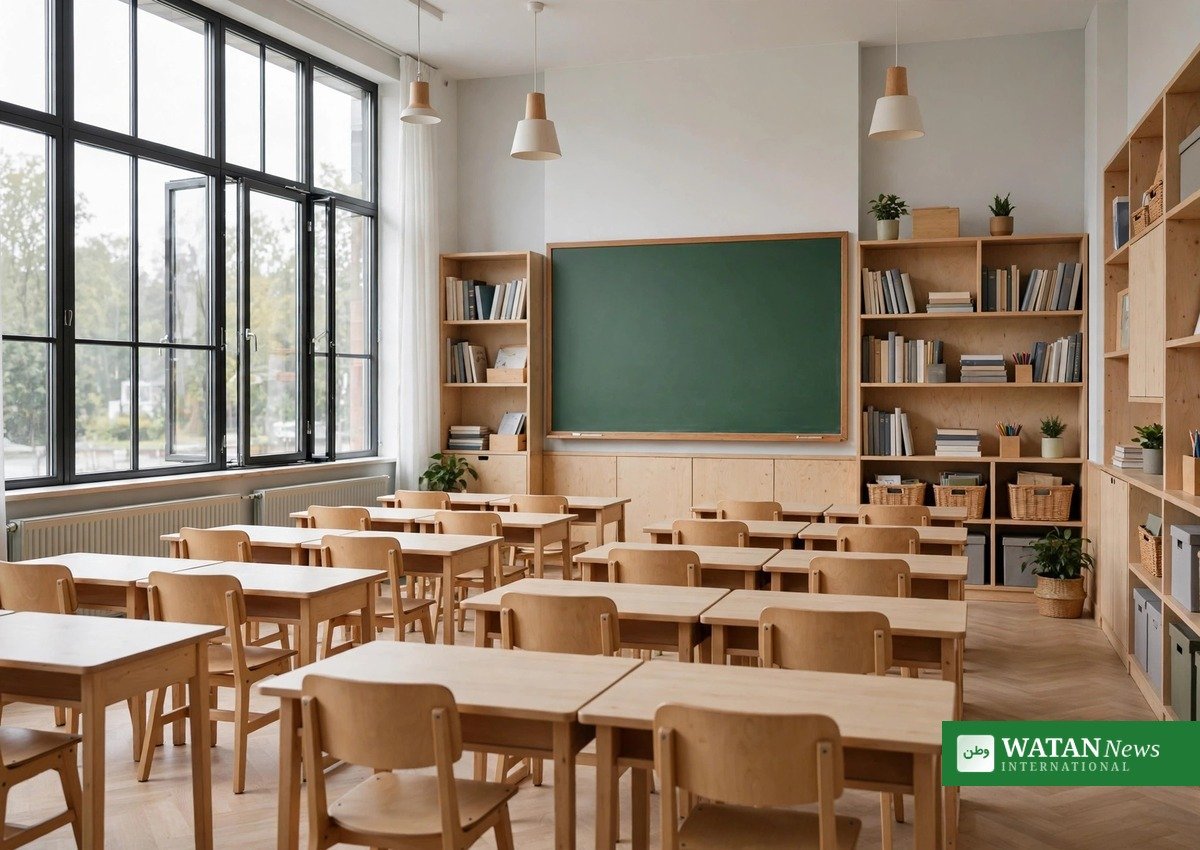
Denmark plans to allow teachers to use physical force to maintain order in schools for the first time in nearly 60 years, under a reform bill introduced in Copenhagen on October 8, 2026. The proposal would let teachers hold a disruptive pupil, keep them in place or move them to another room against their will from August 2027 — a major shift from rules in place since Denmark banned corporal punishment and the use of force in schools in 1967.
FAKTA
- The Danish Ministry of Education presented the reform bill on October 8, 2026; it would take effect in August 2027
- Teachers could physically intervene when a pupil harasses or insults others, or “significantly” disrupts lessons — not only when there is a danger to people or property, as under current law
- Permitted measures include holding a student, keeping them in place, or taking them to another room against their will
- Force would be allowed only “in exceptional cases” and must never replace care and educational action
- Any intervention must be “as gently and briefly as possible” and carried out “with the utmost respect for each student’s personal integrity”
- The national teachers’ union, Danmarks Lærerforening, has long called for greater flexibility in handling disruptive pupils
Denmark schools physical force: what the bill proposes
Under current legislation, Danish teachers may use force only if a student poses a danger to themselves, others or school property. The proposed law would widen that to situations where a student harasses or insults others, or “significantly” disrupts lessons. The Ministry of Education gave examples: a student who throws food during a home economics class and, despite repeated warnings, refuses to leave the room when asked — or a student who plays loud music on a phone and refuses to turn it off or hand over the device.
The ministry stressed that physical intervention would only be permitted “in exceptional cases” and must “never replace care and educational action.” Teachers would be expected to prioritise less restrictive measures, such as dialogue or guiding a student away from a conflict, whenever possible.

Why the change is being proposed
The government points to rising reports of violent and disruptive behaviour in schools. Figures presented by the Ministry of Education show that more than one in four teachers believe such behaviour has worsened at their school, while violence against teachers has reportedly occurred in one in five classrooms. A ministry survey published on October 1 found that physical violence between pupils had been reported at least once in 55% of classes during 2025, with incidents occurring at least monthly in 36% of those classes.
Education Minister Magnus Heunicke said teachers needed clear guidance when classroom situations escalate. “Teachers must not be left in doubt about what they are allowed to do when a situation escalates,” he said, adding that “no teacher should fear being fired for stepping in when necessary in a violent situation.”
Teachers’ union backs clearer rules
The Danish Union of Teachers has long argued it is increasingly difficult to manage students who disturb class and refuse to keep quiet or leave when asked. A recent study found that 43% of class teachers said broader powers to intervene physically would help them deal with future incidents, while 78% said more teaching hours with two adults present in the classroom would leave them better prepared.
The government says it plans to allocate DKK 5 billion (about €669 million) a year to a broader package covering schools, children, daycare and leisure services, partly to make two-adult classrooms more common. “School should not be a place where either pupils or teachers are afraid to be. Period,” Heunicke said of the scale of violence reported.
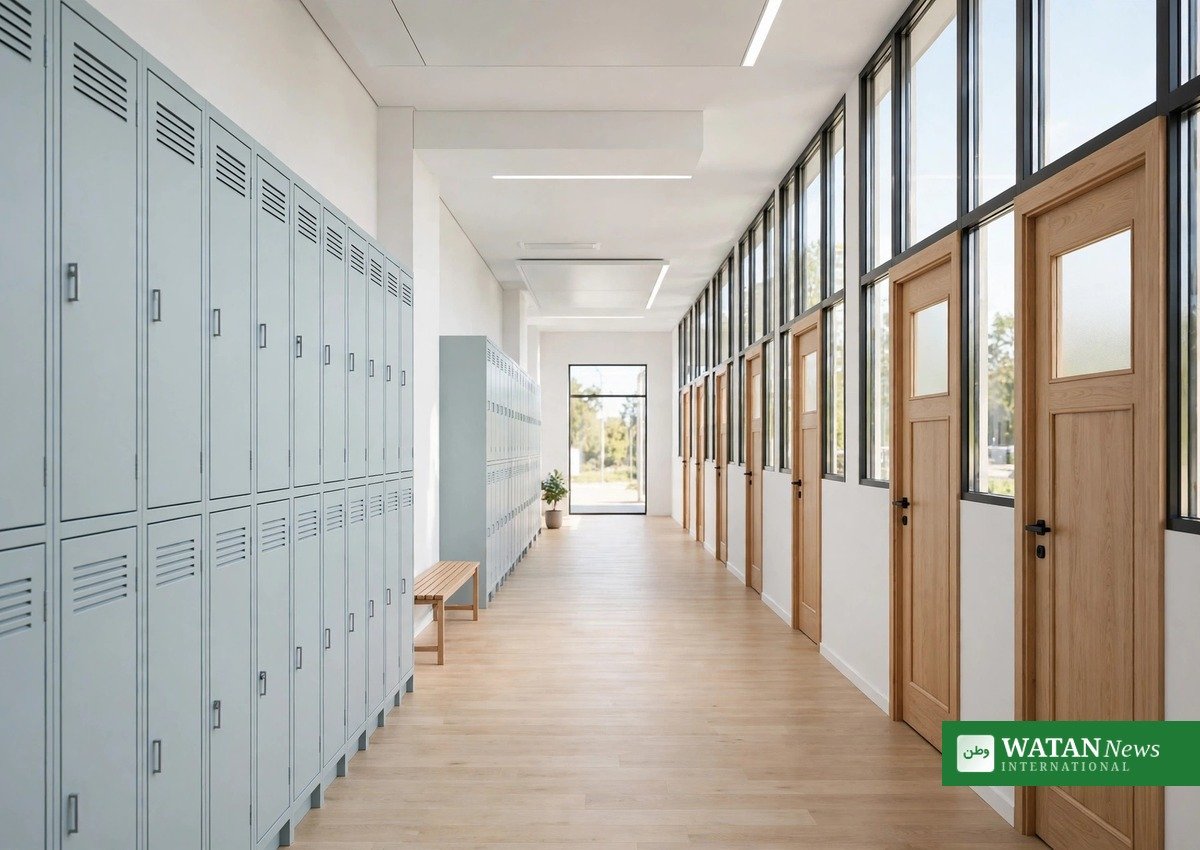
Current law vs. the proposed reform
| Current law | Proposed reform (from Aug 2027) | |
|---|---|---|
| When force is allowed | Only if a pupil poses a danger to themselves, others or school property | Also when a pupil harasses or insults others, or “significantly” disrupts lessons |
| Permitted measures | Physical restraint in danger situations | Hold a student, keep them in place, or take them to another room against their will |
| Conditions | Danger threshold | “Exceptional cases” only; gentle, brief, respectful; never a substitute for care and education |
| After use | General reporting rules | Parents and the municipal council must be informed |
Conclusion
The proposal marks the most significant change to classroom discipline rules in Denmark in nearly six decades. Whether it brings clearer boundaries for teachers or opens a wider debate about children’s rights will become clearer as the bill moves through parliament — but the government has framed it as clarification, not punishment, with strict limits and mandatory reporting built in.
Related Articles
For more on Danish government policy this autumn, read: Denmark’s 2027 Budget Proposal: Tax Cuts, Free Transport for Under-22s, Defence at 3.5% of GDP.
Frequently Asked Questions
What does Denmark’s new school bill propose?
It would allow teachers to use physical force — such as holding a pupil, keeping them in place or moving them to another room — when a student harasses or insults others or significantly disrupts lessons.
When would the new rules take effect?
The reform was introduced on October 8, 2026, and is planned to take effect in August 2027.
What safeguards does the bill include?
Force would be permitted only in exceptional cases, must be as gentle and brief as possible, must respect each student’s personal integrity, must never replace care and educational action, and parents plus the municipal council must be informed whenever it is used.
What does the teachers’ union say?
Danmarks Lærerforening, the national teachers’ union, has long called for greater flexibility, arguing it is increasingly difficult to manage pupils who disturb class and refuse to keep quiet or leave when asked.
Author

usman2344913@gmail.com
Related Posts
Vatican Confirms Pope Leo XIV Has Lung Cancer After Successful Surgery
- 0
- 459 words
The Vatican confirmed on Tuesday evening that Pope Leo XIV has lung cancer, announcing that surgeons removed the lower lobe of his...
Read out all
Sharlene Mawdsley at 28: The 400m Comeback She Never Imagined
- 0
- 1,036 word
The 2026 season gave Sharlene Mawdsley everything athletics can hand out — four personal bests in one summer, a Diamond League debut,...
Read out all
Duane “Keffe D” Davis Sentenced to 40 Years to Life for 1996 Murder of Tupac Shakur
- 0
- 493 words
Duane “Keffe D” Davis was sentenced to 40 years to life in prison on Tuesday for orchestrating the 1996 murder of rap...
Read out all
Atlanta’s First Climate Week Closes With Roadshow for City’s First Resilience Plan
- 0
- 514 words
Atlanta's first Climate Week (10–15 October) closes on Thursday with the 2026 Climate Resilient ATL Roadshow — the public launch of the...
Read out all
Zimbabwean Founders Raise $2M Pre-Seed for Voice AI Data Startup Ocular AI
- 0
- 864 words
Two Zimbabwean founders have raised $2 million in pre-seed funding for Ocular AI, their San Francisco startup building the training data behind...
Read out all
Dubai Property Q3 2026: 37,429 Sales Worth AED92.9 Billion as Rents Near Record
- 0
- 967 words
Dubai's property market recorded 37,429 sales transactions worth AED92.9 billion in the third quarter of 2026, with off-plan sales from developers continuing...
Read out all