
- 0
- 779 words
Early voting began Tuesday in Georgia for the November 3 midterm elections, opening nearly three weeks of in-person balloting in one of the country’s most closely watched battleground states. Voters will decide the governor’s office, a U.S. Senate seat and a full slate of statewide offices, with several races polling within the margin of error.
FAKTA
- Georgia early voting runs from Tuesday, October 13 through Friday, October 30; Election Day is November 3
- On the ballot: governor, U.S. senator, lieutenant governor, attorney general, secretary of state, Public Service Commission seats and other statewide offices
- The governor’s race pits Democrat Keisha Lance Bottoms against Republican Rick Jackson; the Senate race pits incumbent Democrat Jon Ossoff against Republican Mike Collins
- If no candidate reaches 50% in a race on November 3, a runoff follows on December 1
- Recent polls show the governor’s race effectively tied, well within the margin of error
- Voters must present photo identification; sample ballots are available on the Secretary of State’s website and the My Voter Page
Georgia early voting: the schedule
Georgia’s early voting window opened Tuesday, October 13, and continues through Friday, October 30, according to the Secretary of State’s office and multiple local reports. During the early voting period, registered voters may cast ballots at any designated early voting location within their county — unlike Election Day, when voting is restricted to the assigned precinct. Several counties will also open polls on two Saturdays, October 17 and 24.
Athens-Clarke County, for example, opened its elections office on October 13 and will expand to additional locations through the window, according to county election officials. Election officials across the state encouraged voters to check registration status, confirm polling locations and review sample ballots before heading out.
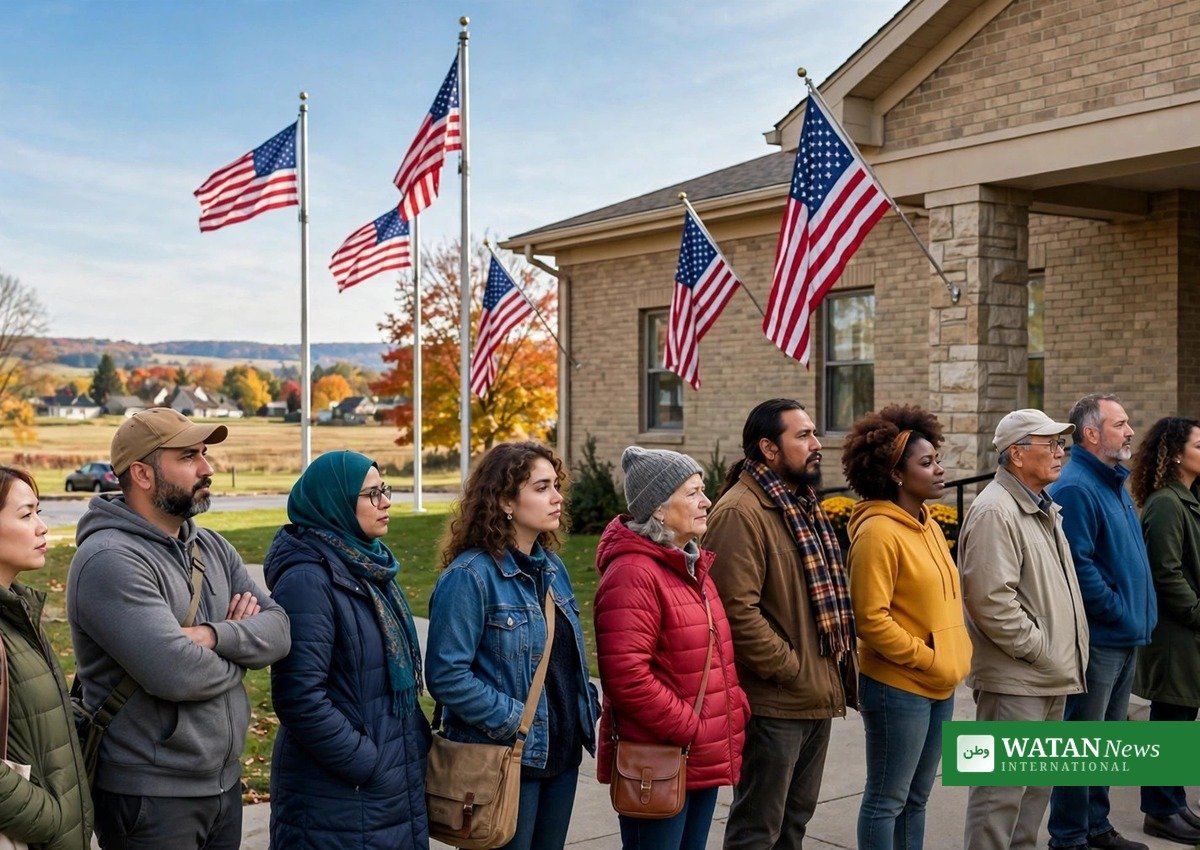
The races on Georgia’s ballot
The governor’s contest between Democrat Keisha Lance Bottoms and Republican Rick Jackson has been consistently close. Recent polls put the candidates within a few points of each other: Decision Desk HQ on October 4 showed Jackson at 48.8% and Bottoms at 46.8%, while a Silver Bulletin average showed Jackson at 47.8% and Bottoms at 46.9% — both well within the margin of error. If neither candidate reaches 50%, the race goes to a December 1 runoff.
The U.S. Senate race pits incumbent Democrat Jon Ossoff against Republican Congressman Mike Collins. The Atlanta Press Club hosted debates for candidates seeking statewide offices on Monday and Tuesday, covering lieutenant governor, attorney general, secretary of state and Public Service Commission seats; the governor’s debate slot was affected by a candidate’s decision not to attend.

What Georgia voters need to know
State law requires voters to present an acceptable photo ID when voting in person, such as a Georgia driver’s license, Georgia voter identification card, valid U.S. passport, military ID or tribal ID, according to county election officials. Voters may bring a printed sample ballot or personal voting guide into the booth, but cell phones and other electronic devices may not be used as voting aids inside the polling place.
Registration status, early voting dates, hours and locations, and sample ballots are available through Georgia’s My Voter Page at mvp.sos.ga.gov.
Read more political coverage at watannews.dk, including our report on emergency rule in Pakistan’s Khyber Pakhtunkhwa.
Conclusion
With three weeks of early voting ahead and the governor’s and Senate races both effectively tied, Georgia’s 2026 midterms are set for a finish as tight as any in the country. Turnout during the October 13–30 window — and whether any race clears the 50% threshold to avoid a December runoff — will shape not just the state’s leadership but the balance of power narrative heading into November 3.
Frequently Asked Questions
When does early voting start and end in Georgia?
Early voting began Tuesday, October 13, and runs through Friday, October 30, with some counties also opening on two Saturdays. Election Day is November 3.
What is on the Georgia ballot?
Governor, U.S. senator, lieutenant governor, attorney general, secretary of state, Public Service Commission seats and other statewide offices, plus any local races and ballot questions.
Where can I vote early?
At any designated early voting location within your registered county. On Election Day, you must vote at your assigned precinct.
What ID do I need to vote in Georgia?
Photo ID is required for in-person voting: a Georgia driver’s license, Georgia voter ID card, valid U.S. passport, military ID or tribal ID, among others.
What happens if no candidate gets 50%?
A runoff election follows on December 1 for races where no candidate reaches the 50% threshold.
Author

usman2344913@gmail.com
Related Posts

Vatican Confirms Pope Leo XIV Has Lung Cancer After Successful Surgery
- 0
- 459 words
The Vatican confirmed on Tuesday evening that Pope Leo XIV has lung cancer, announcing that surgeons removed the lower lobe of his...
Read out all
Sharlene Mawdsley at 28: The 400m Comeback She Never Imagined
- 0
- 1,036 word
The 2026 season gave Sharlene Mawdsley everything athletics can hand out — four personal bests in one summer, a Diamond League debut,...
Read out all
Duane “Keffe D” Davis Sentenced to 40 Years to Life for 1996 Murder of Tupac Shakur
- 0
- 493 words
Duane “Keffe D” Davis was sentenced to 40 years to life in prison on Tuesday for orchestrating the 1996 murder of rap...
Read out all
Atlanta’s First Climate Week Closes With Roadshow for City’s First Resilience Plan
- 0
- 514 words
Atlanta's first Climate Week (10–15 October) closes on Thursday with the 2026 Climate Resilient ATL Roadshow — the public launch of the...
Read out all
Zimbabwean Founders Raise $2M Pre-Seed for Voice AI Data Startup Ocular AI
- 0
- 864 words
Two Zimbabwean founders have raised $2 million in pre-seed funding for Ocular AI, their San Francisco startup building the training data behind...
Read out all
Dubai Property Q3 2026: 37,429 Sales Worth AED92.9 Billion as Rents Near Record
- 0
- 967 words
Dubai's property market recorded 37,429 sales transactions worth AED92.9 billion in the third quarter of 2026, with off-plan sales from developers continuing...
Read out all