- 0
- 627 words
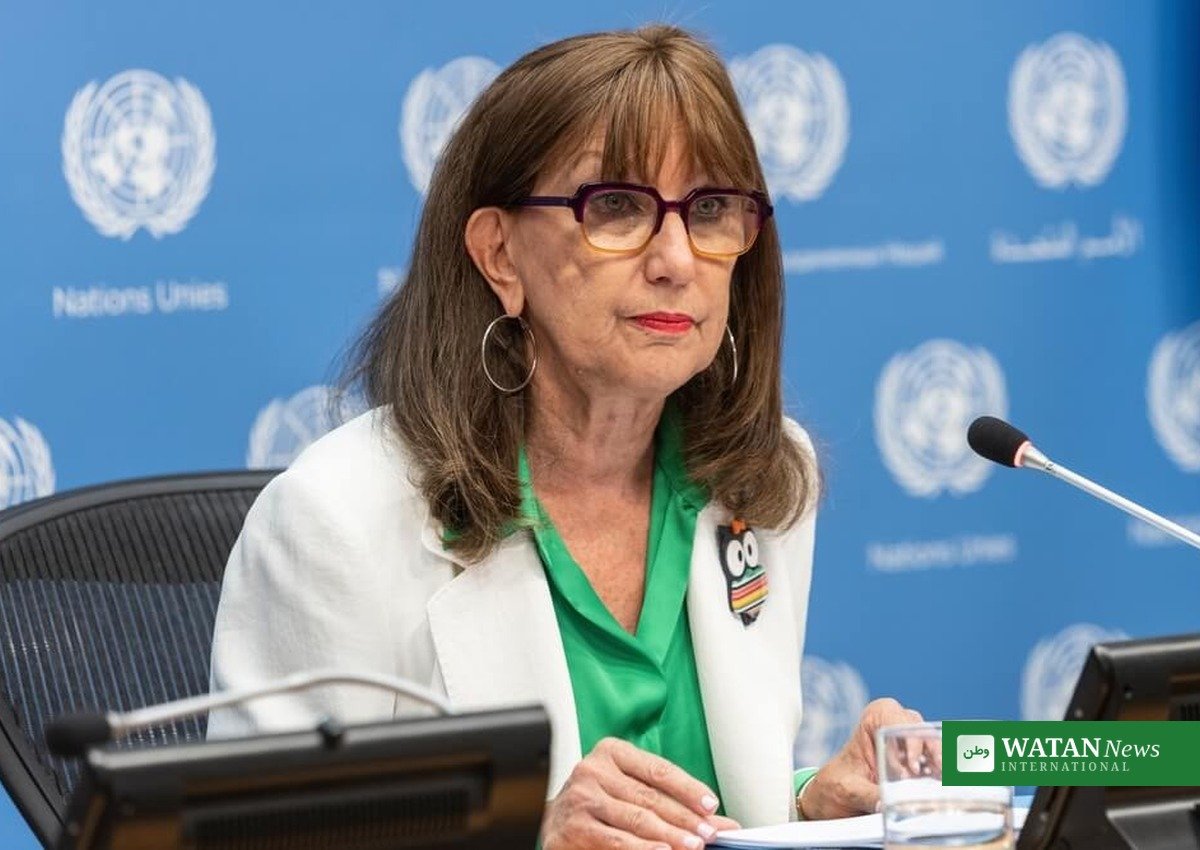
The race to choose the 10th secretary-general of the United Nations entered its decisive stage on Friday, with a secret Security Council straw poll placing former Costa Rican vice president Rebeca Grynspan narrowly ahead of her rivals. The Grynspan leads UN chief race tally, however, still falls short of what she needs to win, after the council used color-coded ballots for the first time to reveal whether any of the five veto powers opposes a candidate.
An informal poll by the 15-member council on Friday put Grynspan, 70, in the lead with nine “encourage”, five “discourage” and one “no opinion” vote, according to two people close to the process. But every candidate received two or more opposing votes from the veto powers — Russia, China, the United States, France and Britain — meaning no one has yet cleared the bar for the council’s recommendation: at least nine positive votes of the 15 and no “discourage” votes from the five permanent members.
FAKTA
- When: Friday, October 16, 2026 — the sixth secret Security Council ballot
- Leader: Rebeca Grynspan (former Costa Rican vice president) — 9 encourage, 5 discourage, 1 no opinion; two of the opposing votes came from veto powers
- Nearest rivals: Guyana’s UN ambassador Carolyn Rodrigues-Birkett (8 encourage, 6 against); IAEA chief Rafael Grossi (near-identical to Birkett, with one fewer permanent member in support)
- Rule to win: at least nine of 15 council votes and zero “discourage” votes from the five permanent members
- Deadline: council has less than three months to pick the successor to António Guterres, whose term ends December 31
- Why decisive now: first use of color-coded ballots showing whether a veto power blocks a candidate
How Grynspan Leads the UN Chief Race
Four of the five straw polls held in recent months have shown Grynspan narrowly ahead. The only exception came in August, when Guyana’s UN ambassador Carolyn Rodrigues-Birkett took the top spot. Friday’s poll did not fundamentally change that picture: Grynspan’s nine-to-five margin over Birkett’s eight-to-six keeps the Costa Rican in front, though both frontrunners face at least two opposing votes from the permanent members.
Rafael Grossi, director general of the International Atomic Energy Agency, finished with a near-identical result to Birkett — eight in favour, six against — but with one fewer permanent member supporting his bid, leaving him further from the consensus the council needs.
Diplomats and observers say the fact that every candidate drew at least two negative votes from the veto powers leaves the door open for new candidates to enter the race before the final selection.
A Leader for Turbulent Times
Whoever secures the council’s recommendation and is then approved by the 193-member General Assembly will take over an organisation under exceptional strain. The next secretary-general will face multiple active wars, deep cutbacks in American financial contributions to the UN, and a decline in the body’s political relevance as Washington has pulled out of dozens of its agencies.
Grynspan, currently serving as secretary-general of the UN trade and development agency UNCTAD, would become the first woman to lead the United Nations if she wins the race — a milestone that has added weight to her candidacy.
What Comes Next
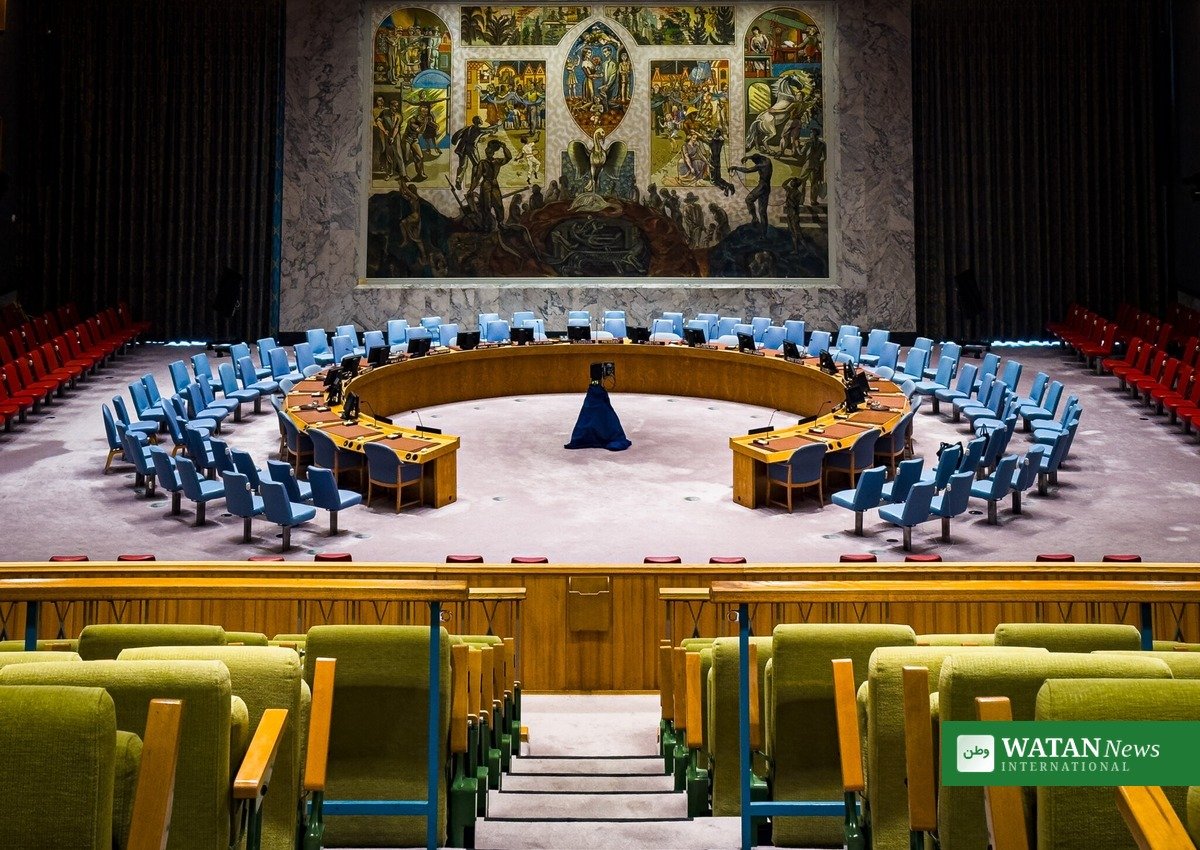
The council has less than three months to reach the consensus that has eluded it through six ballots. Further straw polls are expected in the coming weeks, and the introduction of color-coded ballots means each round will now show precisely where the veto powers stand. Until a candidate can win nine votes with no “discourage” from the permanent five, the race remains open — and the possibility of fresh names entering the field grows with every inconclusive round.
Read more world coverage on Watan News World.
Author

usman2344913@gmail.com
Related Posts

South Africa’s Circular Economy Summit: Waste Sector Becomes Engine of Green Growth
- 0
- 842 words
South Africa’s waste sector must stop being treated as a problem for government to manage and start being recognised as an engine...
Read out all
COP31 Faces Trust Test as Three Climate Presidencies Meet at UN in New York
- 0
- 835 words
Less than a month before COP31 opens in Antalya, representatives of three successive UN climate presidencies gathered at United Nations Headquarters in...
Read out all
Forest Governance Media Workshop: EJN to Train 30 Journalists on Forest Reporting
- 0
- 765 words
The Earth Journalism Network (EJN) is bringing around 30 journalists together for a two-day forest governance media workshop on 21–22 October 2026,...
Read out all
Missiles Strike Aden Airport as Saudi Coalition Intercepts Ballistic Missile Bound for Yanbu
- 0
- 690 words
Two missiles landed on the grounds of Aden International Airport in southern Yemen on Friday, while the Saudi-led military coalition said it...
Read out all
Oil Tanker Catches Fire in Gulf of Oman Near Restricted Zone East of Hormuz, Iran’s Navy Says
- 0
- 571 words
Iran’s navy says an oil tanker caught fire on Friday in the Gulf of Oman while attempting to pass through a restricted...
Read out all
The World’s Best Island and Seaside Escapes: A 2026 Guide to Shores of Wonder
- 0
- 1,234 word
Some coastlines you visit; others you remember for the rest of your life. This guide to the best island seaside escapes brings...
Read out all