- 0
- 1,392 word
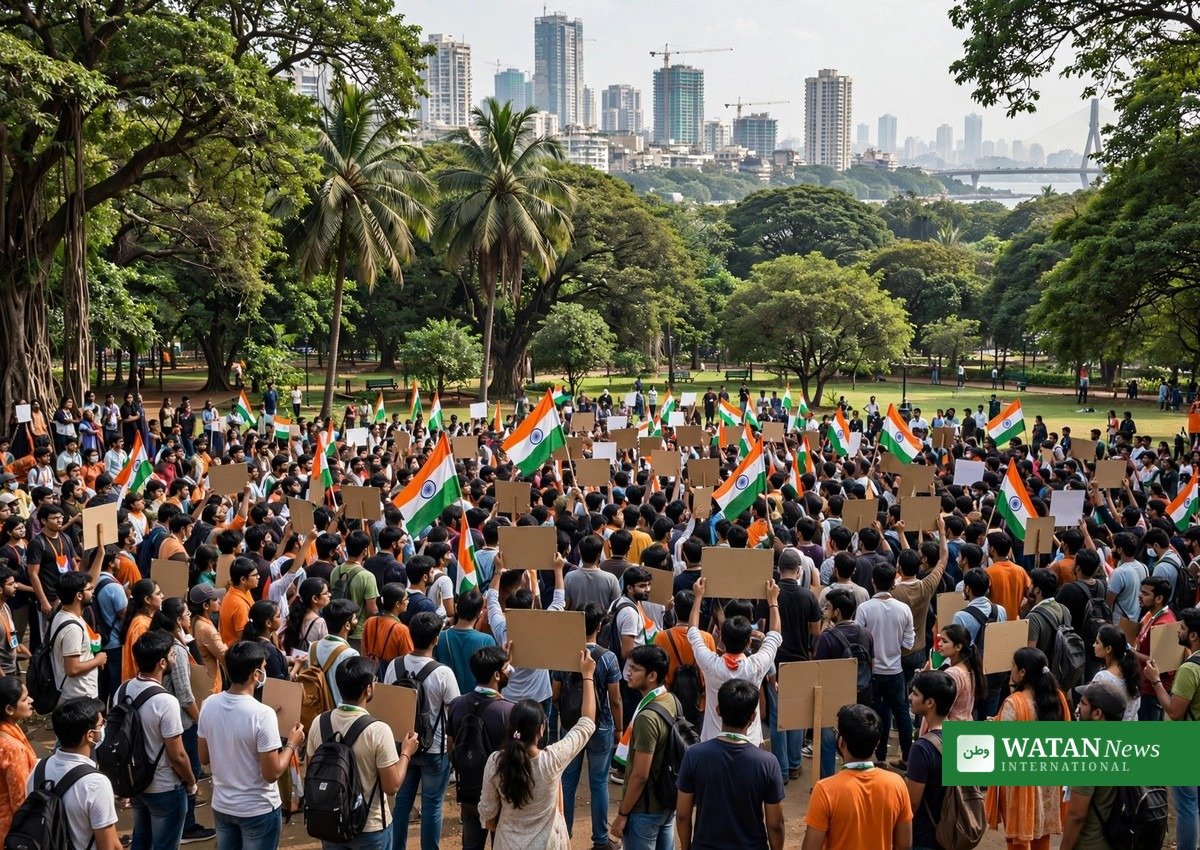
India’s youth-led Cockroach Janta Party (CJP) launched a new Cockroach Janta Party protest in Mumbai on Friday, demanding the resignation of Chief Election Commissioner Gyanesh Kumar over alleged irregularities in the Special Intensive Revision (SIR) of electoral rolls. Supporters gathered at Shivaji Park on Gandhi Jayanti despite police denying permission for the demonstration. The agitation marks the movement’s return to the streets after its July campaign forced the resignation of Education Minister Dharmendra Pradhan.
FAKTA
- CJP supporters gathered at Mumbai’s Shivaji Park (near Gate No. 6) on Friday, 2 October 2026 — Gandhi Jayanti — demanding CEC Gyanesh Kumar’s resignation.
- The party alleges around 13 crore (130 million) names have been deleted from electoral rolls since 2024 — the party’s own claim, not an officially confirmed figure.
- Three demands: Kumar’s resignation with criminal proceedings; freeze the SIR and restore the validated January 2025 voter list; repeal the 2023 CEC appointment law and create a transparent appointment process with civil society participation.
- Mumbai Police denied permission for the gathering, citing restrictions at Shivaji Park; the CJP answered with a “Jail Bharo Andolan”, saying leaders were prepared to court arrest.
- The trigger: an Indian Express report that Election Commissioners Sukhbir Singh Sandhu and Vivek Joshi raised objections at least 14 times over 10 months on SIR-related decisions; the Commission denies any split and says decisions were unanimous.
- Background: the CJP began in May 2026 as Instagram satire after the Chief Justice’s “cockroaches” remark; founder Abhijeet Dipke, 30, is a Boston University student formerly associated with the Aam Aadmi Party; the movement claims over 19 million followers.
A Gandhi Jayanti showdown at Shivaji Park
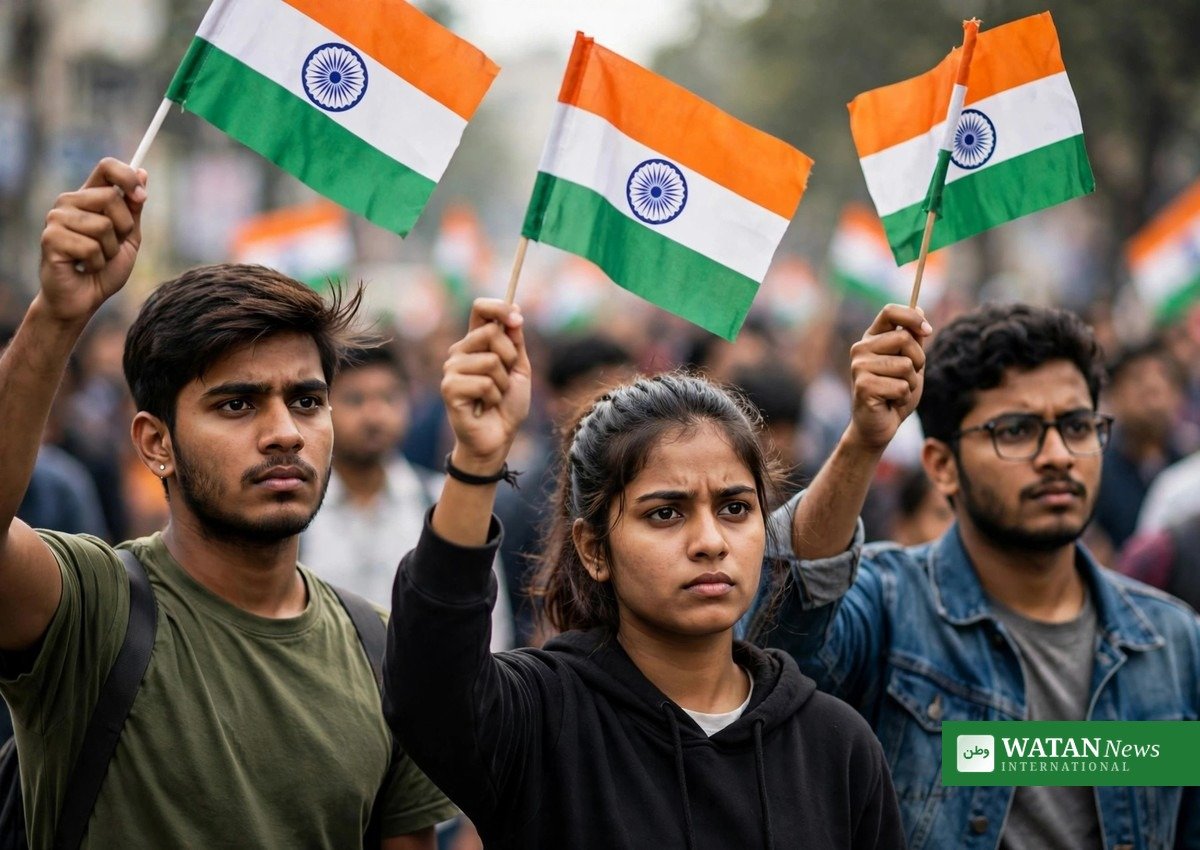
The protest began at 4 pm near Gate No. 6 of Chhatrapati Shivaji Maharaj Park in Dadar, with supporters waving the tricolour and carrying satirical placards. Actor Naseeruddin Shah and music composer Vishal Dadlani were among the public figures who joined the demonstrators, while actor Prakash Raj extended solidarity through a video message.
Earlier in the week, CJP founder Abhijeet Dipke had posted on X that the nationwide agitation would begin in Mumbai on 2 October unless Kumar resigned — “This Gandhi Jayanti let’s pledge to save democracy,” he wrote. With the deadline passing unmet, the movement made good on its threat, choosing the symbolism of Mahatma Gandhi’s birthday for its launch.
Police had refused permission for the gathering, pointing to restrictions on the use of Shivaji Park and its status as a silence zone. In response, the CJP announced a “Jail Bharo Andolan” (fill-the-jails agitation), with leaders declaring they were prepared to go to jail if it ensured accountability for the election chief.
What the Cockroach Janta Party protest is demanding
The CJP has put three formal demands to the Union government and the President of India. First, the immediate resignation of Gyanesh Kumar and the initiation of criminal proceedings against him over the alleged voter-list manipulation. Second, an immediate freeze on the ongoing Special Intensive Revision and the reinstatement of the validated January 2025 electoral roll as the baseline for upcoming polls. Third, the repeal of the 2023 law governing the appointment of the Chief Election Commissioner, replaced by a transparent process with civil society participation.
Dipke has alleged that around 13 crore names — 130 million voters — have been deleted from electoral rolls since 2024, linking the scale of deletions to the close vote-share gap between the BJP-led NDA and the opposition INDIA bloc in the 2024 general election. These figures are the party’s own claims; the Election Commission has not published a matching accounting of deletions.
The Indian Express report that lit the fuse
The immediate trigger for the agitation was a report by The Indian Express that Election Commissioners Sukhbir Singh Sandhu and Vivek Joshi had raised objections at least 14 times over 10 months concerning decisions and procedures related to electoral rolls, voter registration and the Commission’s digital systems during the SIR exercise.
The reported objections have become a rallying point for critics who question how SIR decisions were taken. The Election Commission, however, has rejected suggestions of a split within the three-member panel and said its decisions, including those concerning the SIR, were taken unanimously. It has not yet issued a comprehensive response to the CJP’s specific allegations.
Opposition parties have separately alleged that the voter lists have been manipulated to benefit the ruling Bharatiya Janata Party — a charge the government and the Commission reject.
From Instagram satire to street power
The CJP’s rise has been unusually fast. The outfit was born on Instagram in May 2026 as satire, after Chief Justice of India Surya Kant used the terms “parasites” and “cockroaches” during a Supreme Court hearing — remarks he later said were misquoted and directed at individuals entering the legal profession through fake degrees. The “party”, with the insect as its symbol, pitched itself as the voice of young Indians tired of being dismissed, and exploded online.
Its founder, 30-year-old Abhijeet Dipke — a Boston University student from Maharashtra’s Chhatrapati Sambhajinagar who was earlier associated with the Aam Aadmi Party — returned from the United States to lead the movement on the ground. Within weeks the CJP claimed more than 19 million followers, and its June–July protests at Delhi’s Jantar Mantar over NEET paper leaks and exam controversies ended with the resignation of Education Minister Dharmendra Pradhan on 25 July.
As The Hindu BusinessLine reported, the movement’s overnight fame even left Dipke’s parents fearing for his safety — a measure of how seriously the establishment has taken the satirical outfit turned protest machine.
What happens next
The Mumbai protest is only the opening act. The CJP says the campaign will travel to Bengaluru, Kolkata, Patna, Ranchi and Uttar Pradesh through October, culminating in an indefinite sit-in at Delhi’s Jantar Mantar by the end of the month. Dipke has vowed the agitation will continue until Kumar resigns, warning that the movement will next seek the prime minister’s resignation if its demands are ignored.
Whether the Election Commission engages with the protesters’ core complaint — the integrity of the voter rolls — will determine how long this confrontation lasts. For continuing coverage of the agitation and India’s electoral integrity debate, see Watan News’ world coverage.
Conclusion
The Cockroach movement’s pivot from exam reform to electoral integrity shows a youth movement testing how far satire-turned-activism can go against the country’s most powerful institutions. Its claim of 13 crore deleted voters remains its own allegation, not an established fact — but the reported dissent inside the Election Commission has given the protests a harder edge than the government can easily dismiss. The coming weeks, as the campaign marches toward Delhi, will show whether this is a moment or a movement.
Frequently Asked Questions
What is the Cockroach Janta Party?
A youth-led movement founded in May 2026 by Abhijeet Dipke as Instagram satire after the Chief Justice’s “cockroaches” remark. It evolved into a protest movement claiming over 19 million followers, and its July 2026 campaign ended with the resignation of Education Minister Dharmendra Pradhan.
Why is the CJP protesting on 2 October?
The party launched the agitation on Gandhi Jayanti at Mumbai’s Shivaji Park to demand CEC Gyanesh Kumar’s resignation over alleged irregularities in the SIR voter-roll revision, after its ultimatum for him to quit went unmet.
What is the Special Intensive Revision (SIR)?
An Election Commission exercise to revise and update electoral rolls, begun in 2025. The CJP and opposition parties allege it has been used to delete large numbers of genuine voters; the Commission says the process is routine and its decisions unanimous.
What are the protesters’ three demands?
Kumar’s resignation with criminal proceedings; a freeze on the SIR and restoration of the January 2025 voter list; and repeal of the 2023 CEC appointment law in favour of a transparent process with civil society participation.
How have the authorities responded?
Mumbai Police denied permission for the Shivaji Park gathering, citing the venue’s silence-zone status; the CJP responded with a “Jail Bharo” call and leaders offered to court arrest. The Election Commission denies internal division but has not addressed the CJP’s specific allegations in detail.
What happens next?
The CJP plans protests in Bengaluru, Kolkata, Patna, Ranchi and Uttar Pradesh through October, ending with an indefinite sit-in at Delhi’s Jantar Mantar. Dipke says the agitation will continue until Kumar resigns.
Author

usmanjaved13132@gmail.com
Related Posts

In Pictures: Autumn Paints Copenhagen in Gold and Amber
- 0
- 476 words
October is peak season for Copenhagen's autumn colours. From Rosenborg Castle's golden gardens to Nyhavn's glowing waterfront and Kastellet's red ramparts —...
Read out all
YouTube Unveils New Tools for Newsrooms: Memberships Hub, AI Likeness Protection
- 0
- 676 words
YouTube has unveiled new tools for newsrooms: a Channel Memberships hub with $1.5 billion paid out to creators, video previews, members-only communities,...
Read out all
Argentina Introduces Cash-for-Citizenship Program
- 0
- 826 words
Argentina has launched South America's first citizenship-by-investment program: a $350,000 non-refundable contribution or an $800,000 bond. Applications open in Q4 2026.
Read out all
World Animal Day Marked at UAF with Awareness Walk for Responsible Care
- 0
- 725 words
The University of Agriculture Faisalabad held an awareness walk ahead of World Animal Day (October 4), urging students and citizens to practise...
Read out all
Pakistan National Council of Arts Holds Puppetry Workshop for NCA Students
- 0
- 947 words
The Pakistan National Council of the Arts (PNCA) held an interactive rod puppetry workshop and live performance for NCA students at the...
Read out all
Kenya Unveils Draft National Environment Policy With 2035 Climate Targets
- 0
- 671 words
Kenya has launched the first draft of a new National Environment Policy, with 2035 targets of a 35% emissions cut and 30%...
Read out all