- 0
- 617 words
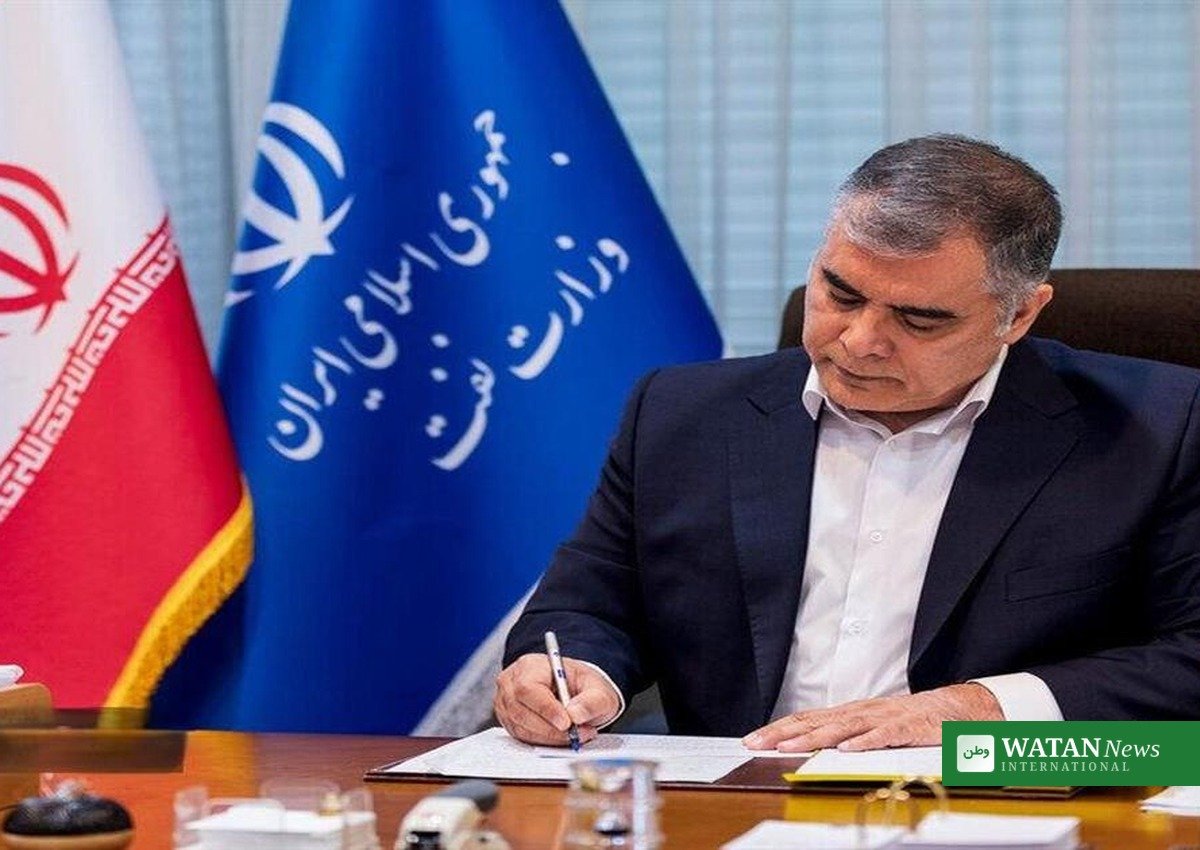
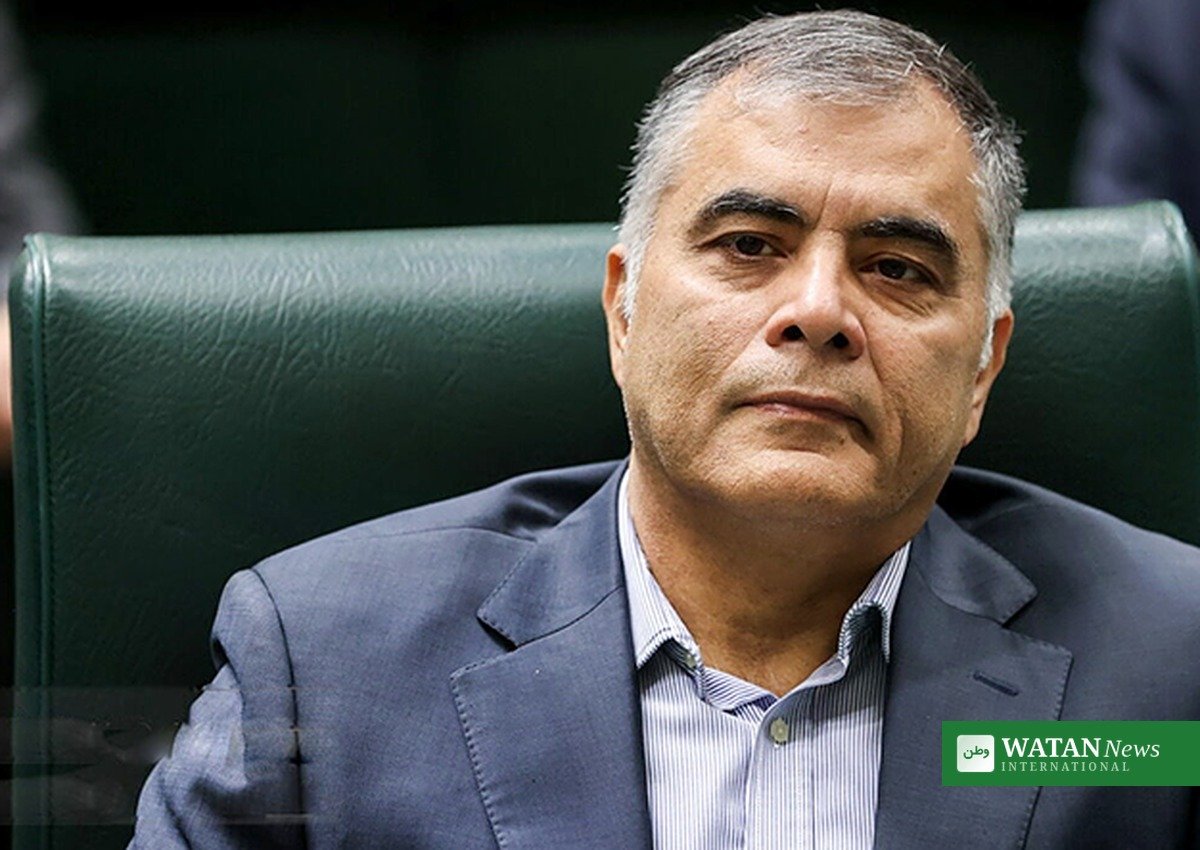
Iran’s Oil Minister Mohsen Paknejad has resigned, Iranian state media announced on Sunday, in a major shake-up at the top of the country’s energy sector. Hamid Bovard, chief executive of the state-owned National Iranian Oil Company, has been appointed acting oil minister by presidential decree, as a United States blockade on Iranian oil exports tightens during the seven-month war between Iran and the US.
FAKTA
- Who resigned: Oil Minister Mohsen Paknejad, who had led Iran’s oil ministry since August 2024.
- Successor: Hamid Bovard, chief executive of the government-owned National Iranian Oil Company, appointed acting Minister of Oil by a decree from President Masoud Pezeshkian.
- Stated reason: personal reasons. Mehdi Tabatabaei, communications deputy in the president’s office, told state TV that Paknejad had offered his resignation “a long time ago”, that Pezeshkian initially rejected it and asked him to stay, but accepted it at the minister’s insistence — commending his “efforts and sincere service”.
- Context: the resignation comes seven months into the war between Iran and the US, with Washington enforcing a blockade on Iranian oil exports and the Strait of Hormuz the focal point of the confrontation.
- Unconfirmed: some Iranian media have pointed to a dispute between the oil ministry and the Persian Gulf Petrochemical Industries Company as a possible factor. This has not been officially confirmed.
Pezeshkian accepts resignation after earlier refusal
According to the statement from the president’s office, carried by state broadcaster IRIB: “Following the acceptance of Mohsen Paknejad’s resignation, Hamid Bovard, the CEO of the National Iranian Oil Company, has been appointed as acting Minister of Oil by a decree from the president.”
In a news bulletin on the resignation, state television aired an interview with an official from the Iranian presidential office who said Paknejad had initially offered his resignation some time ago “due to personal issues”, but it was rejected. President Masoud Pezeshkian had asked Paknejad to continue in his post, but is now accepting his departure, as the minister has insisted on leaving.
US blockade squeezes Iran’s oil lifeline
The departure comes as the seven-month-old war between Iran and the US puts mounting pressure on Iran’s economy. After US and Israeli strikes against Iran in late February, the crucial Strait of Hormuz waterway became the focal point of the conflict. Tehran has been blocking the passage of commercial ships and firing on vessels it accuses of unauthorised crossings, while Washington responded with a counterblockade of Iranian ports to prevent Tehran from exporting its oil.
Earlier in the war, long queues built up at petrol stations in Tehran and other Iranian cities as Washington choked the country’s economy. Shortly before the resignation was announced, Paknejad was quoted by state media insisting that “revenues of the oil that we have sold are still coming and that will continue God willing”.

Internal dispute reports unconfirmed
Some Iranian media have suggested a dispute between the oil ministry and the Persian Gulf Petrochemical Industries Company may have played a role in the minister’s exit. The reports have not been officially confirmed, and the presidency’s account attributes the resignation to personal reasons that the minister had raised previously.
What happens next
With Bovard now acting minister, Iran’s oil sector faces the immediate challenge of sustaining exports under the US blockade while ceasefire negotiations continue. Tehran and Washington have exchanged statements on ending the war, but Iranian officials have warned that a final deal is not imminent.
Follow the latest developments on Watan News International’s Middle East page.
Author

usman2344913@gmail.com
Related Posts

Iran Ready for US Attacks Amid Intensified Yemen Fighting
- 0
- 1,163 word
Yemen's government has announced a major offensive to retake all Houthi-held territory, while Iran says its armed forces are ready to confront...
Read out all
Pacific leaders urge climate action as UN pre-COP talks open in Fiji
- 0
- 1,166 word
Pacific island leaders have issued an urgent call for climate action as the first-ever United Nations pre-COP31 Fiji talks opened in Nadi...
Read out all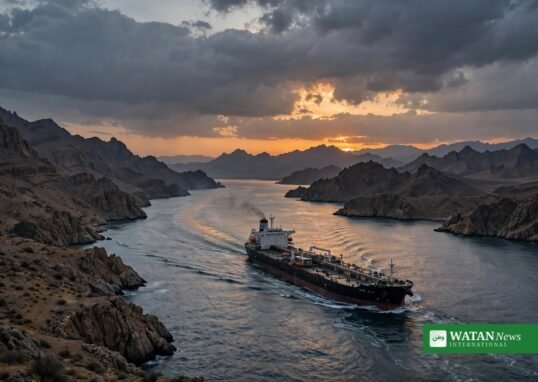
Iran: No Military Solution to War Amid Stalled US Peace Talks
- 0
- 1,004 word
Iran's Foreign Minister Abbas Araghchi said on Sunday there is no military solution to the war with the US, as peace talks...
Read out allUK Conservatives Pledge to Abolish Environment Agency, Natural England
- 0
- 799 words
The UK Conservative party is set to announce a significant deregulation agenda, including the proposed abolition of the Environment Agency and Natural...
Read out allImran Khan’s party launches march to Islamabad demanding his release
- 0
- 769 words
Pakistan Tehreek-e-Insaf (PTI) has initiated a significant march towards Islamabad, with the primary demand being the immediate release of its founder, Imran...
Read out all
Polls close in Bosnia-Herzegovina’s divisive election
- 0
- 1,076 word
Polls have closed in Bosnia-Herzegovina's general election. Early results point to leads for Denis Bećirović, Darijana Filipović and Željka Cvijanović in the...
Read out all