- 0
- 560 words
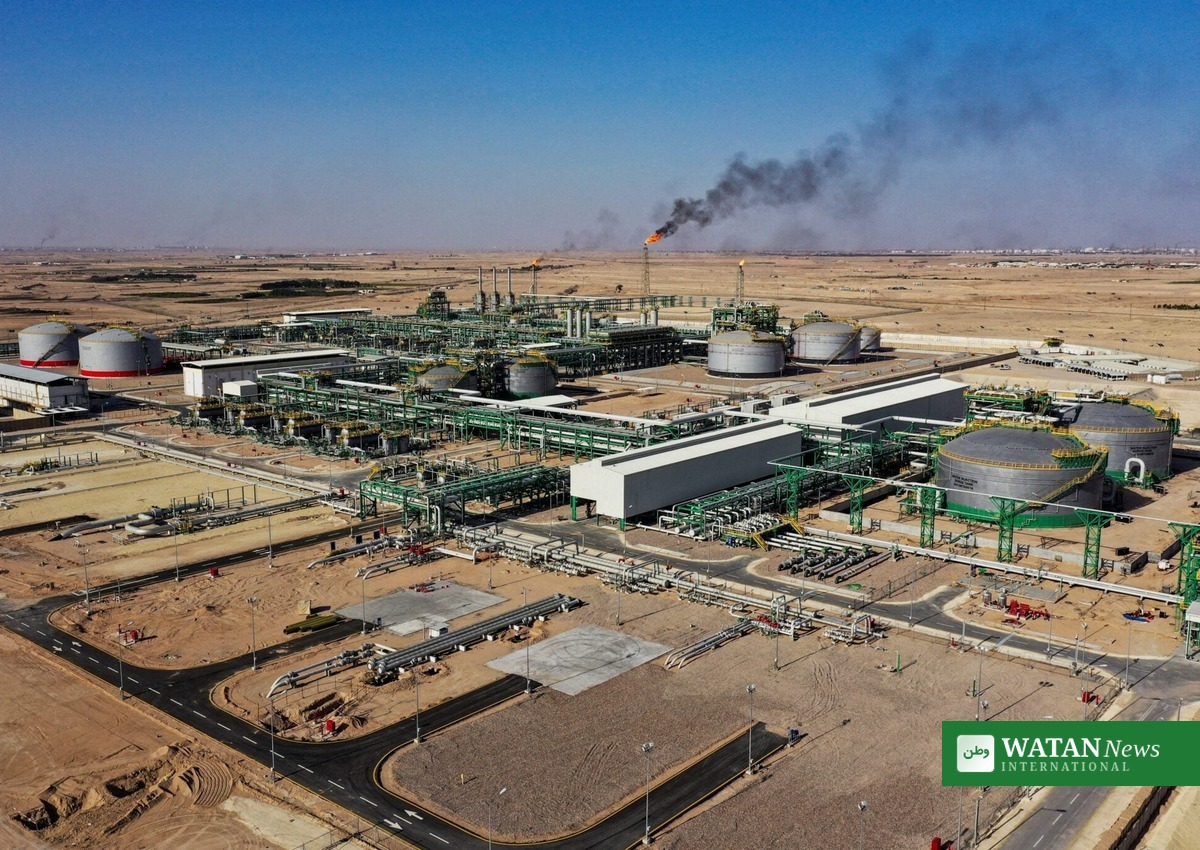
Iraq’s Prime Minister Ali al-Zaidi has dismissed nine senior security officials after an investigation into an alleged Iraq oil smuggling network worth up to $30 million a month, centred on a district controlled by the Iran-backed Kataib Hezbollah group.
The prime minister chaired an emergency security meeting on Saturday to review the findings of an investigative committee looking into smuggling in Jurf al-Nasr, in Babil province south of Baghdad, military spokesperson Sabah al-Numan told the Iraqi News Agency (INA). Those accused of involvement have been referred to the judiciary.
FAKTA
- Nine senior security and energy officials were dismissed on Saturday, 14 November 2026.
- The probe centres on Jurf al-Nasr in Babil province, a stronghold of the Iran-backed Kataib Hezbollah group.
- Investigators uncovered illegal oil refineries and evidence that two strategic crude pipelines south of Baghdad had been tapped.
- The alleged smuggling network is said to be worth up to $30 million a month.
- Those accused of involvement in the smuggling have been referred to the judiciary.
- Babil Governor Ali Turki al-Jamali resigned on Thursday; he denied the allegations.
Iraq oil smuggling probe reaches into militia stronghold
According to Shafaq News, the nine dismissed officials are the Babil police chief; the North Babil police director; the Interior Ministry’s intelligence and counterterrorism director in Babil; the provincial director of the National Security Service; the Defence Ministry’s intelligence and security director in Babil; the Babil intelligence director; the Popular Mobilization Forces commander in the province; the commander of the Interior Ministry’s Sixth Energy Police Brigade; and the director of the Oil Pipelines Company at the Oil Ministry.
“In light of the investigation’s findings, [the prime minister] ordered that all individuals accused of involvement in oil smuggling operations be referred to the judiciary,” al-Numan said.
Tapped pipelines, illegal refineries and satellite images
On Wednesday, the INA reported that “intelligence documents” containing satellite images showed crude oil and oil-derivatives smuggling operations carried out by an armed faction in Jurf al-Nasr, accusing an unnamed group of tapping into a pipeline there. A confidential intelligence report obtained by Shafaq News documented five years of activity consistent with suspected illegal oil extraction near pipelines in the district.
Al Jazeera’s Peter Smith, reporting from Baghdad, said two strategic oil pipelines running through the south of the country, just south of Baghdad, “had effectively been tapped into”, citing a leaked intelligence report. He said previous Iraqi governments had been “careful not to address the issue” of an alleged oil smuggling network worth up to $30 million a month.
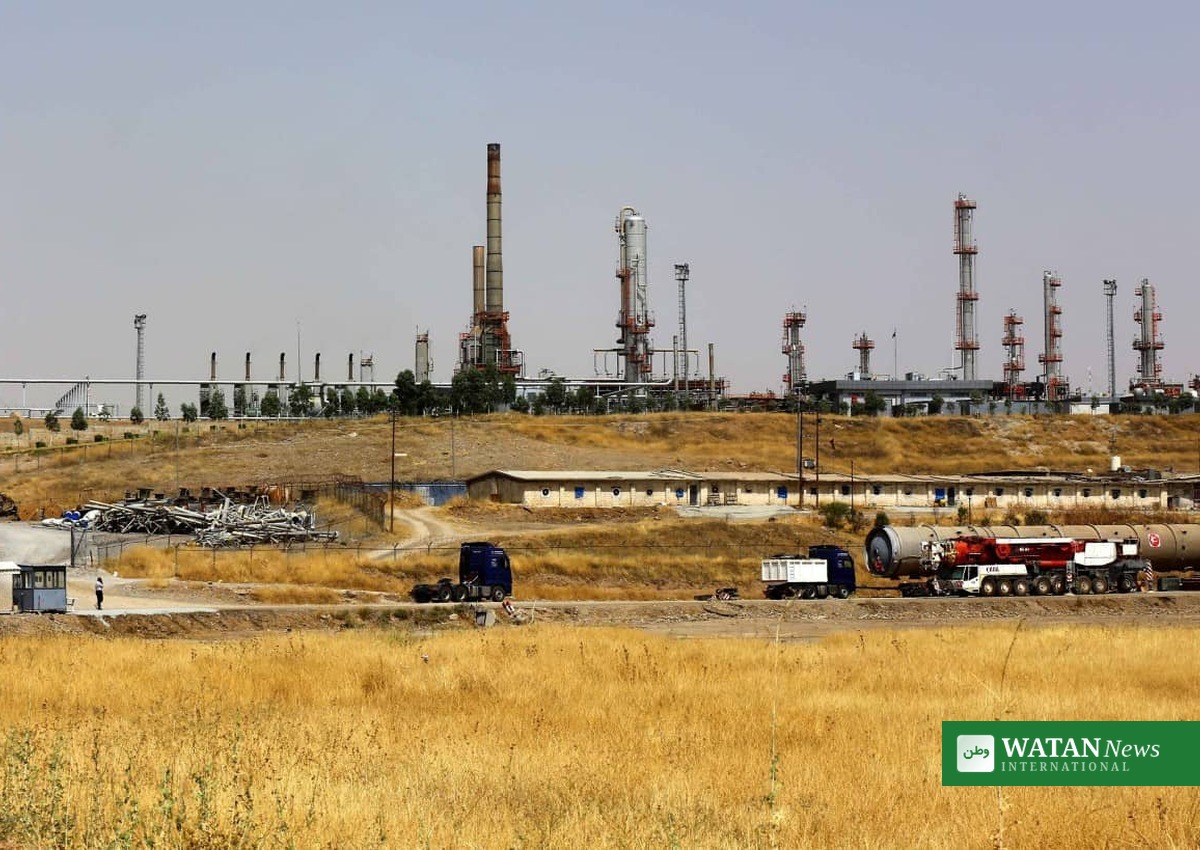
An oil refinery in Iraq. Investigators found illegal refineries processing crude siphoned from state pipelines. (TRENDS MENA)
A rare confrontation with a powerful militia
Jurf al-Nasr, also known as Jurf al-Sakhr, is the primary bastion of Kataib Hezbollah, one of Iraq’s most heavily armed paramilitary forces. The group has recently issued several sharp statements against the prime minister, threatening his government and accusing him of corruption.
Akeel Abbas, a senior non-resident fellow at the Iraq Initiative within the Atlantic Council, told Al Jazeera that oil smuggling by various political factions and armed groups “is common in Iraq” due to “commercial rather than political or strategic” gains.
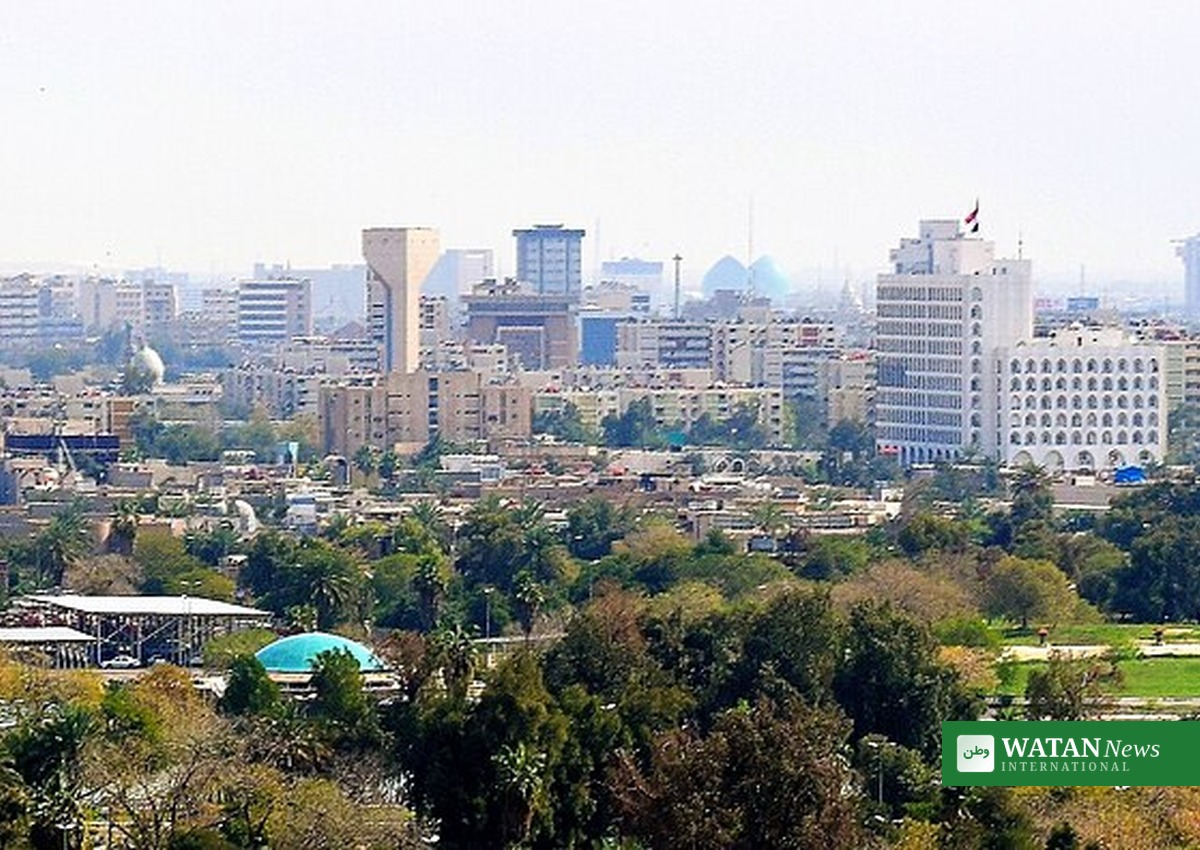
Baghdad, Iraq. The prime minister chaired an emergency security meeting before announcing the dismissals. (Wikimedia Commons)
The investigation remains ongoing, and officials said further action could follow. Read more of our Middle East coverage.
Author

usmanch0013@gmail.com
Related Posts

COP31 Youth Day: Children Hand Over Climate Demands as Education Alliance Hits 100 Countries
- 0
- 1,341 word
Children and young people took centre stage at COP31 on 14 November, presenting a Children's Call to Action as UNESCO's climate-education alliance...
Read out all
Green Jet Fuel Costs Too Much and Is Too Scarce, Asia-Pacific Airlines Warn as COP31 Debates Aviation’s Future
- 0
- 1,082 word
Asia-Pacific airlines say sustainable aviation fuel remains too expensive and too scarce to decarbonise flying, warning COP31 that the cost cannot fall...
Read out all
COP31 Finance Day: Four More Nations Join BRIDGE as Stiell Demands Finance That Breaks the Debt Trap
- 0
- 1,236 word
Four more countries joined the Climate Implementation Bridge on COP31's Finance and Trade Day, while UN climate chief Simon Stiell told ministers...
Read out all
COP31: 100+ Leaders Back Green Industry Compact and Waste Targets on Summit’s First Day
- 0
- 967 words
More than 100 national leaders met in Antalya for the first day of the COP31 Leaders' Summit, putting green industry, electrification and...
Read out all
COP31: Pacific Resilience Facility Passes $200 Million as New Fund Launches for Least Developed Nations
- 0
- 1,075 word
The Pacific Resilience Facility has passed $200 million in pledges at COP31 in Antalya, and a new green industrialisation mechanism has launched...
Read out all
Ethiopia Brings 56 Billion Seedlings to COP31 as Green Legacy Becomes a Model for Halting Deforestation by 2030
- 0
- 1,081 word
At COP31 in Antalya, Ethiopia presented its Green Legacy Initiative — more than 56 billion seedlings planted since 2019 — as proof...
Read out all