
- 0
- 798 words
California Governor Gavin Newsom announced on Thursday that he is commuting all 548 death sentences in the state to life in prison without parole, in a California death row commutation described as the largest mass clemency in American history.
FAKTA
- Governor Gavin Newsom announced on Thursday, 5 November 2026, that he is commuting all 548 death sentences in California to life in prison without parole.
- California has the largest death row in the Western Hemisphere.
- It is the largest mass commutation in American history, according to the Death Penalty Information Center. The previous record was 167 commutations by Illinois Governor George Ryan in 2003.
- The action cuts the total number of people on death row in the United States by nearly 30 per cent. About 1,388 people remain under sentence of death nationwide, the lowest number since 1984.
- The commutations apply immediately to about one-third of the prisoners. The rest require review by the California Supreme Court before they become final.
- The death penalty itself is not repealed, and prosecutors can still seek it in future cases.
- California has not carried out an execution since 2006.
California Death Row Commutation Announced in Open Letter
Mr Newsom announced the decision in a three-page open letter addressed to “all Californians”, saying he was using his constitutional clemency authority to commute the sentences of all 548 people currently facing the death penalty in the state.
“I take this action because I firmly believe that state-sanctioned killing is incompatible with California’s values, undermines the foundations of our legal system, and diminishes each of us,” Mr Newsom wrote. “I know we cannot execute people in our imperfect legal system and remain true to our core values, first among them justice and human decency.”
He said the decision came after nearly three decades of openly opposing state-sanctioned executions as an elected official, and called it among the most difficult of his career, because of the memories it may evoke for victims’ families.
“I deeply respect the views of those who will strongly disagree with my decision, including some families of victims who have suffered the worst possible loss,” he wrote. “I hold this painful truth along with the belief that this is a righteous action.”
Among those whose sentences were commuted are some of California’s most notorious prisoners, including Richard Allen Davis, convicted of the 1993 kidnapping and murder of 12-year-old Polly Klaas, and Randy Kraft, known as the “Scorecard Killer”, who was convicted of 16 murders.
Court Review Still Ahead for Many Cases
Under California’s constitution, the state Supreme Court must review clemency for anyone convicted of more than one felony. The governor’s clemency grant applies immediately to about one-third of the prisoners on death row, while the remaining two-thirds will be reviewed by the court before the commutations are final.
The move does not repeal California’s death penalty and applies only to current death sentences. Prosecutors, juries and courts will still be able to seek and impose the death penalty in future cases.
California’s Death Penalty in Context
Mr Newsom imposed a moratorium on executions shortly after taking office in 2019, signing an executive order that halted executions in the state. California has not carried out an execution since 2006, when the state put Clarence Ray Allen, 76, to death by lethal injection at San Quentin State Prison.
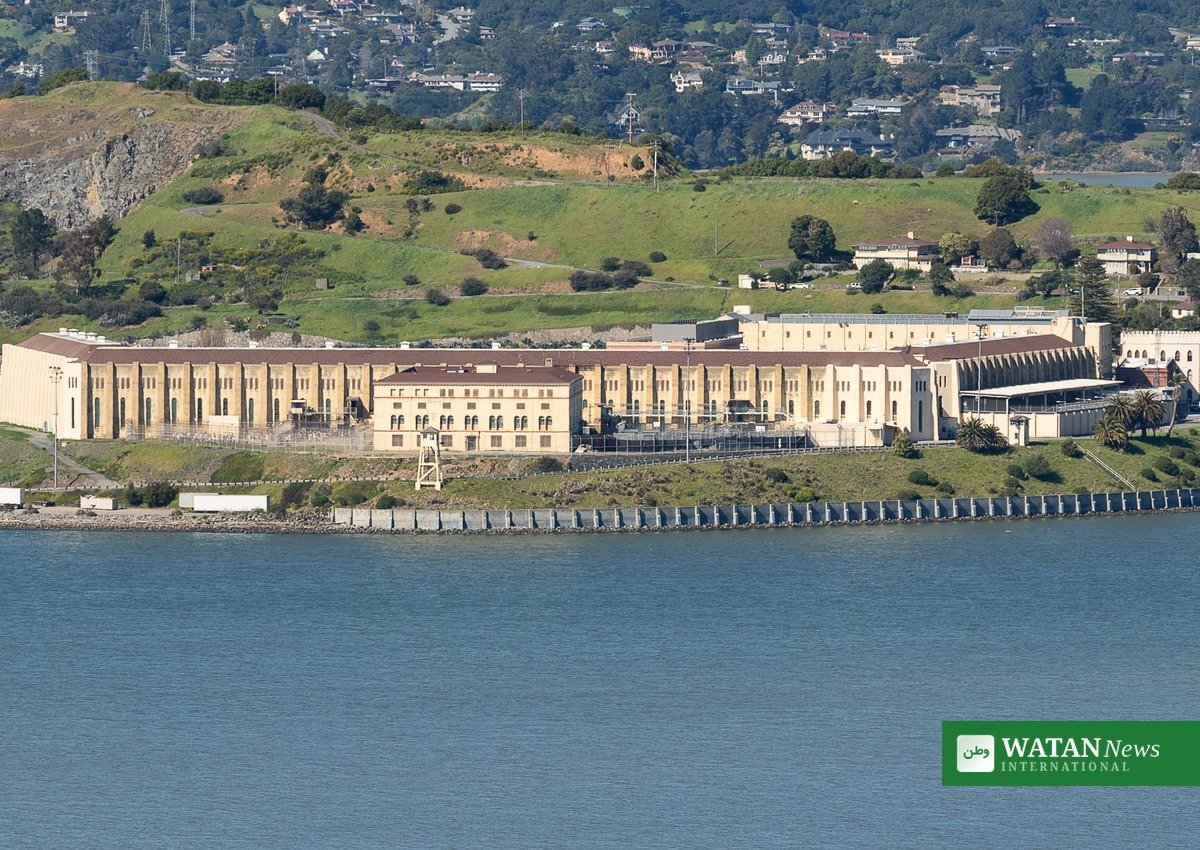
San Quentin State Prison in California, where the state’s last execution took place in 2006. (Photo: Wikimedia Commons)
California voters have repeatedly weighed in on the issue. In November 2016, they rejected Proposition 62, which sought to abolish the death penalty, and instead approved Proposition 66, which was meant to speed up the execution process. Since voters reinstated the current death penalty statute in 1978, California has carried out 13 executions, a small fraction of the 602 carried out in Texas, the nation’s leading state for executions.
Reactions
The American Civil Liberties Union praised the decision, calling it “a historic step towards ending the death penalty in California and across the country”. Its executive director, Anthony D. Romero, said the commutations “reflect what justice demands: an end to a racist, error-prone, and inhumane punishment that has burdened California for far too long”.
Mr Newsom himself acknowledged that the decision would anger some victims’ families, saying he was deeply aware of how it would trigger painful memories for those who have suffered the worst possible loss.
What Happens Next
The commutations take effect as the California Supreme Court reviews the cases that require its approval. The death penalty remains on the books in California for future cases, and no execution has taken place in the state for more than 20 years.
Mr Newsom is nearing the end of his second and final four-year term as governor, and is expected to seek the Democratic Party’s presidential nomination in 2028. More world news from Watan News is available on our World news page.
Author

usmanch0013@gmail.com
Related Posts

Copenhagen Shines as Alchemist and Kadeau Enter World’s Top 10 Restaurants
- 0
- 728 words
Alchemist placed third and Kadeau eighth in The 50 Best Restaurants 2026, unveiled in Lima on 4 November, giving Copenhagen two restaurants...
Read out all
Tankers Hit Again in Strait of Hormuz as Iran Reports Mine Strikes
- 0
- 809 words
Three more tankers were reported damaged in the Strait of Hormuz on Thursday, 5 November, as attacks on shipping continued at a...
Read out all
Eurozone Inflation Hits 4% in October as Energy Prices Surge
- 0
- 708 words
Eurozone inflation rose to 4.0 percent in October 2026, its highest in three years, as energy prices surged 20.8 percent and Asian...
Read out all
Denmark’s Citizenship Freeze Leaves 487 Applicants in Limbo
- 0
- 815 words
Two Danish opposition parties want 487 citizenship applicants granted Danish citizenship before a new screening system is introduced, after their cases were...
Read out all
40,000 Danish Students Strike Over Planned Student Grant Cuts
- 0
- 688 words
Around 40,000 Danish students from 57 schools went on strike on 4 November 2026 against planned cuts to student grants, with up...
Read out all
China Blocks SoftBank’s $5.4 Billion ABB Robotics Deal as Chip Stocks Slide
- 0
- 910 words
China has blocked SoftBank's $5.4 billion acquisition of ABB's robotics unit, the Financial Times reported on 5 November, as chip stocks including...
Read out all