- 0
- 663 words
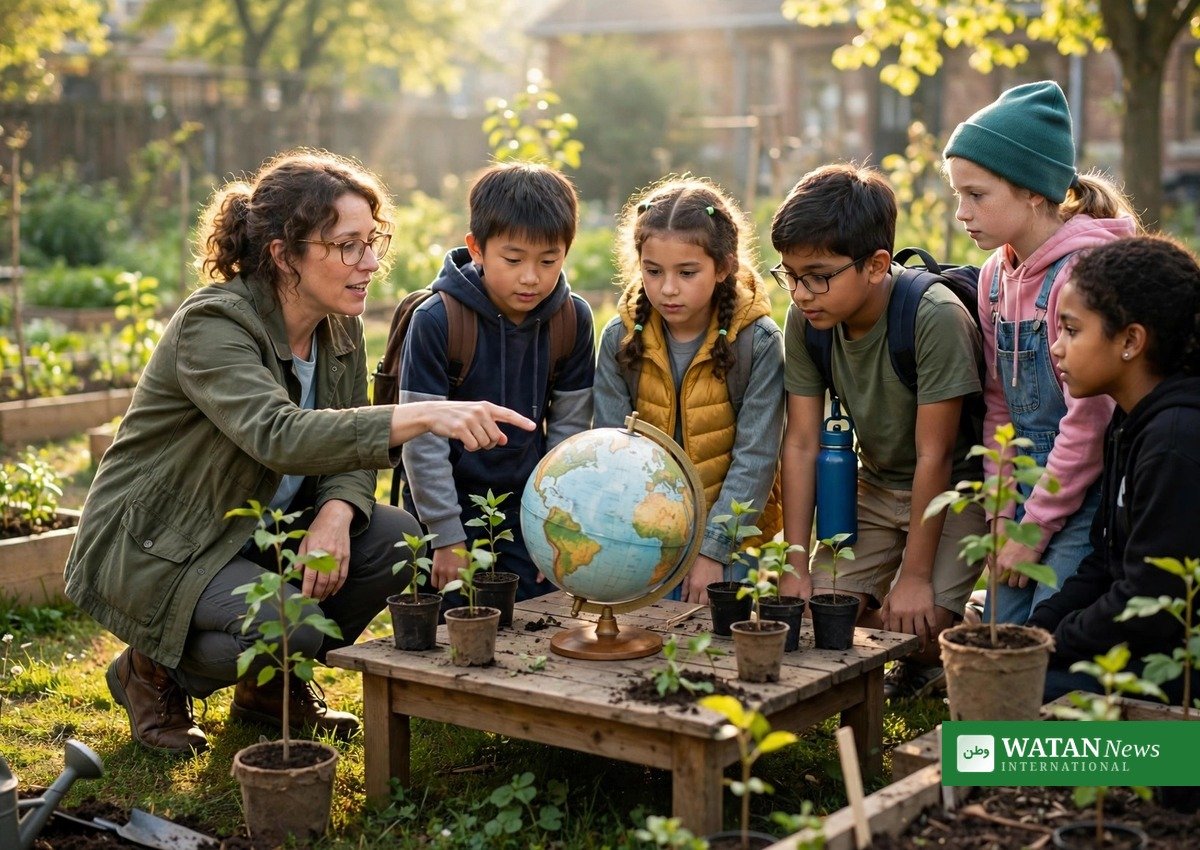
The Office for Climate Education (OCE) has announced that the fifth edition of its Teachers’ COP will be held at COP31 in Antalya, where world leaders will dedicate a full day to youth and education — even as new survey data shows that only 3 to 7 per cent of young people currently receive climate education of genuine quality.
OCE’s Guilyardi, speaking ahead of the summit, said quality climate education was “probably the most transformative climate adaptation action,” warning that global awareness of climate change must now be translated into action through quality instruction in classrooms.
Fifth Teachers’ COP to gather educators at COP31
Guilyardi announced that the fifth edition of the Teachers’ COP — a global platform OCE established five years ago — will be held at COP31 in Antalya this November. OCE is contributing to and helping organise the summit’s dedicated education day together with Turkish authorities.
The Teachers’ COP initiative was launched by OCE during COP26 in Glasgow to give teachers a voice in international climate discussions. According to OCE’s official programme, the 2026 edition will run in the context of COP31, with the event scheduled for 14 November. Watan News reported earlier how COP31 is giving youth and education centre stage as Türkiye joined UNESCO’s climate-education alliance as its 100th member.
Quality education reaches only a fraction of young people
Despite climate change now appearing in more than half of national curricula — a development that was not the case even five years ago — Guilyardi said progress remained insufficient.
“If we look at the different surveys we’ve been doing in the 30 countries where OCE is working, we estimate at the moment — it varies among countries — that between 3% and 7% of the young generation receives quality climate education,” he said.
Teachers need 30 to 80 hours of training, not a two-hour lecture
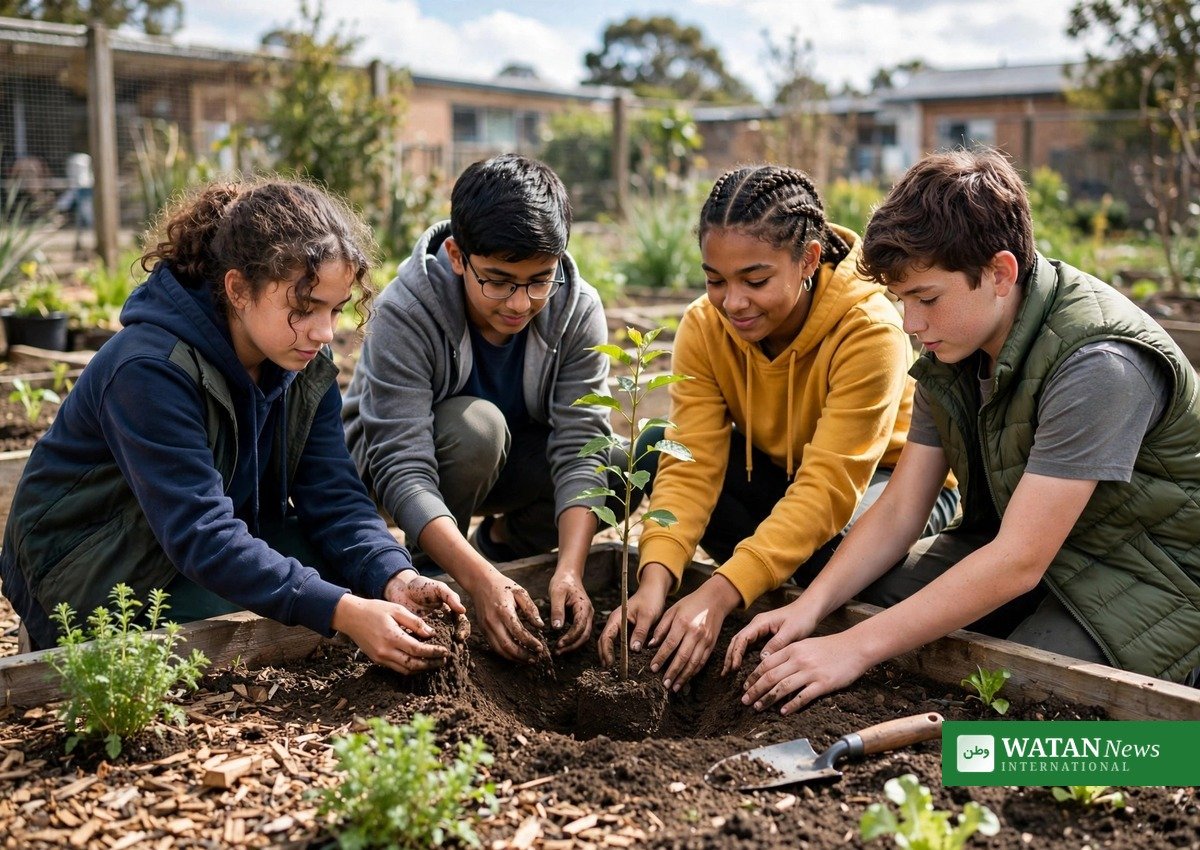
Putting teachers at the heart of climate education, Guilyardi noted that many teachers feel isolated when dealing with climate topics they do not fully master, and that changing their professional practice requires between 30 and 80 hours of training.
“This education is very different from just awareness. You’re not going to have a two-hour conference and that’s it. It’s not enough to change your professional practice in the classroom,” he said.
Local realities, not one-size-fits-all
Guilyardi stressed that climate education must be adapted to local realities, cultures and education systems: “This is absolutely key. The one-size-fits-all approach doesn’t work in this field.” OCE was created, he said, to bring together climate scientists and educators so that education systems and teachers are equipped with both the science and the associated pedagogy.
Tackling disinformation through “prebunking”
The disinformation work that started with the Belém Agenda at last year’s COP will continue at COP31, Guilyardi said. “Prebunking” — equipping young people with the capacity to discern trustworthy information from disinformation on social networks — has moved higher on the agenda, he added.
Key facts
- OCE has announced the fifth edition of the Teachers’ COP at COP31 in Antalya; the 2026 event is scheduled for 14 November.
- OCE estimates only 3–7% of the young generation in 30 surveyed countries receives quality climate education, though climate change now features in more than 50% of national curricula.
- Changing teachers’ classroom practice needs 30–80 hours of specialised training, according to OCE — far more than a single awareness session.
- COP31 will dedicate a full day to children, youth, education and skills; OCE is helping organise it with Turkish authorities.
- “Prebunking” — building young people’s resistance to climate disinformation — is a growing priority for COP31.
Guilyardi said awareness of climate change remains high globally but that the current disconnect between the climate and education sectors must be bridged. COP31, he argued, could create the platform to move quality climate education beyond mere awareness — while helping teachers address the anxiety-inducing narratives around climate that many students carry into the classroom.
Author

usman2344913@gmail.com
Related Posts

جانز ہاپکنز کا ۵۰۰ ڈالر صحافت ایوارڈ: آبادیاتی تبدیلی اور سیارہ صحت کی رپورٹنگ پر عالمی اعزاز
ایک نیا بین الاقوامی سیارہ صحافت ایوارڈ صحافیوں سے مطالبہ کر رہا ہے کہ وہ آب و ہوا کی کوریج کے کم...
Read out all
New $500 Journalism Prize Honors Reporting Linking Population Change to Planetary Health
- 0
- 551 words
A new international planetary health journalism prize is calling on journalists to report one of the least-covered intersections in climate coverage: how...
Read out all
Punjab CM Maryam Honors Teachers on World Teachers’ Day
- 0
- 739 words
Punjab Chief Minister Maryam Nawaz Sharif paid tribute to teachers on World Teachers' Day, honouring educators and pointing to Schools of Eminence,...
Read out all
Svensk undersøgelse: Elever bakker op om klimavenlige skolemåltider, når maden smager godt
- 0
- 697 words
Eleverne er hverken klart positive eller negative over for flere klimavenlige skolemåltider — og om de bakker op om grønnere menuer, afhænger...
Read out all
سویڈن کی تحقیق: ذائقہ دار ہوں تو طلبہ ماحول دوست اسکول کھانے کی حمایت کرتے ہیں
طلبہ ماحول دوست اسکول کھانوں کے بارے میں نہ واضح طور پر مثبت ہیں اور نہ واضح طور پر منفی — اور...
Read out all
Students Back Climate-Friendly School Meals When the Food Tastes Good, Swedish Study Finds
- 0
- 648 words
Students are neither clearly positive nor negative about more climate-friendly school meals — and whether they back greener menus depends far more...
Read out all