- 0
- 797 words
OpenAI and Synopsys have signed a multi-year partnership to build GPT-Synopsys, a specialized artificial intelligence model that can operate chip-design software on its own. Announced on Wednesday, September 30, 2026, the deal marks a shift from AI assistants that merely answer questions or write code to agents that run engineering tools, interpret the results and iterate toward a finished semiconductor design.
FAKTA
- Announced: September 30, 2026, by OpenAI and Synopsys (Nasdaq: SNPS).
- Product: GPT-Synopsys, a specialized AI model optimized to use Synopsys electronic design automation (EDA) tools for semiconductor design workflows.
- Structure: OpenAI and Synopsys will act as preferred partners; OpenAI licenses Synopsys EDA tools and pays a subscription fee during training.
- Revenue: Once customers deploy the model, the companies will share revenue based on performance-linked improvements to chip designs.
- Safeguards: Final designs are still verified with traditional computing-based Synopsys tools before any chip is manufactured.
- Market reaction: Synopsys shares rose as much as 7% after the announcement at its investor day.
From assistance to agency
Earlier generations of generative AI mainly helped chip engineers retrieve information, write code or summarize results. GPT-Synopsys is designed to take a design objective, run the EDA tools, interpret their outputs, make changes and iterate toward an engineer-reviewed result.
Proposed tasks include optimizing power, performance and area (PPA) — the three variables engineers trade off in every design — as well as closing timing and verification issues, work that often consumes substantial engineering time.
What GPT-Synopsys changes for engineers
OpenAI co-founder Greg Brockman said the goal is to help engineers navigate complex design trade-offs and potentially “shave off weeks, months from the design process.”
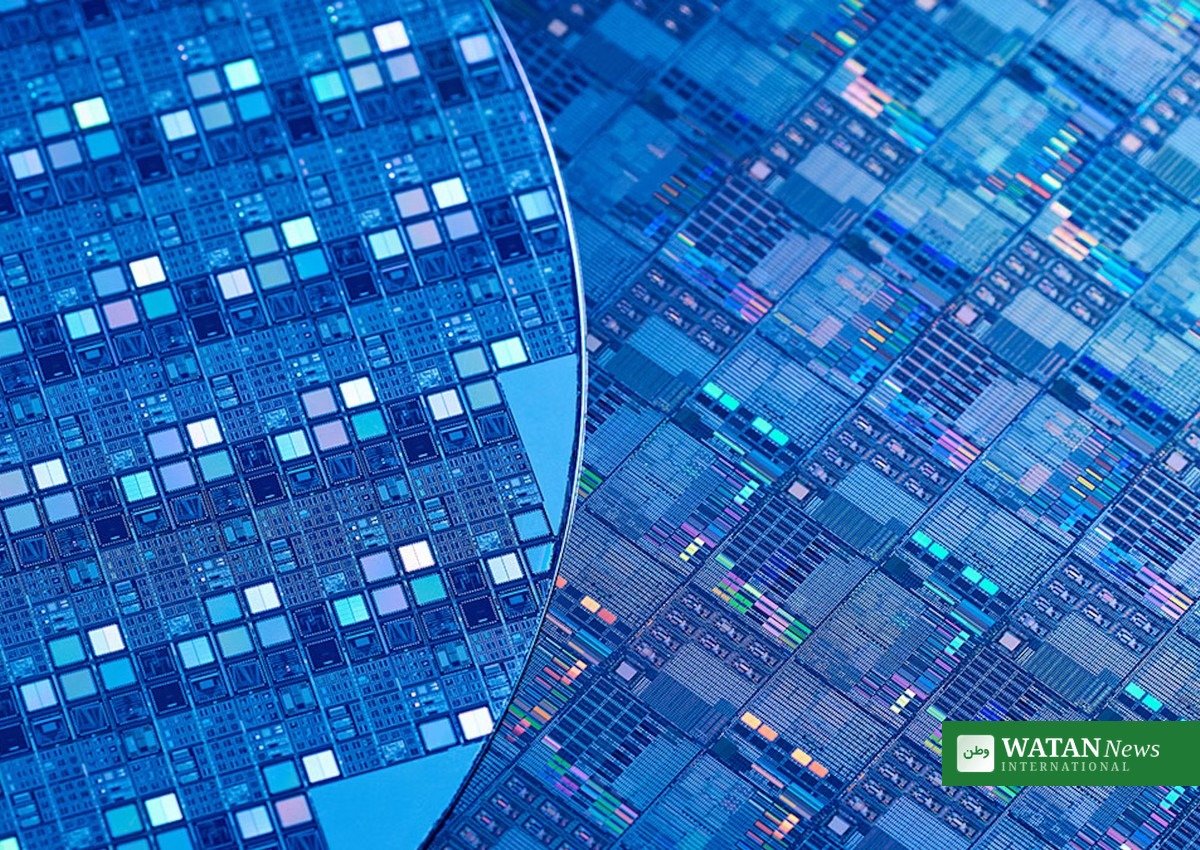
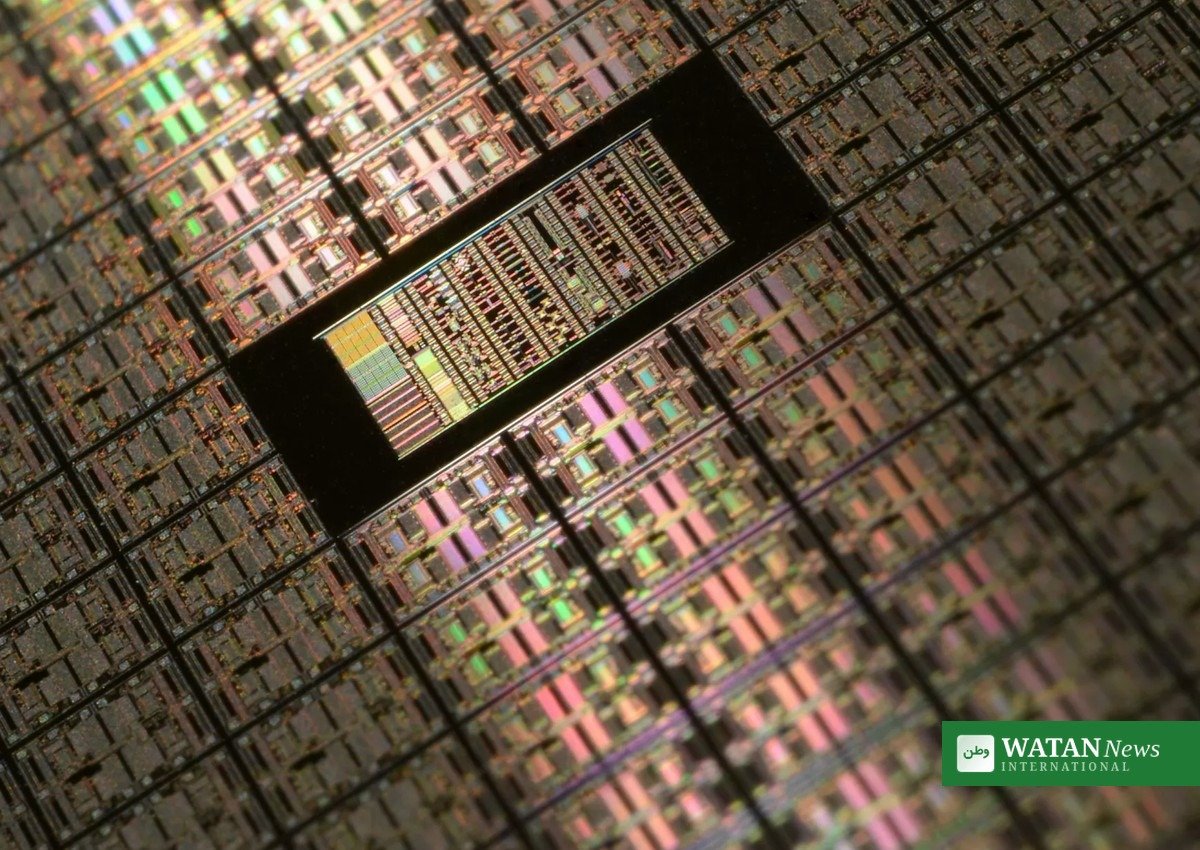
The model will learn to operate Synopsys software across chip development, from translating circuit descriptions into designs to arranging billions of transistors on silicon. Synopsys says engineers will be able to explore more design alternatives while keeping the rigor required for manufacturable silicon.
The money: licensing plus shared revenue
Under the deal, OpenAI licenses Synopsys’ EDA tools to develop and run the model, paying Synopsys a subscription fee while the model is trained to use them. Once customers deploy the product, the two companies will share revenue tied to improvements in chip designs, Synopsys chief executive Sassine Ghazi told Reuters.
“We structured the agreement in a way that it will not be cannibalizing our business,” Ghazi said. “It will be an upside to our business given we’re delivering more value to the customer.”
Synopsys unveiled the partnership at its investor day, where it also forecast 15% revenue growth for fiscal 2027 — above the 11.19% analysts had expected — with revenue of about $11.15 billion at the midpoint of its guidance range. For more technology coverage, see Watan News in English.
Guardrails stay: humans still check the physics
AI will not replace the final engineering checks. Ghazi said designs produced with the model will still be verified using Synopsys software based on traditional computing techniques to ensure they meet the physical requirements of a functioning chip.
“The model needs these guardrails in order to check the physics,” Ghazi said. “The need for validating with the highest level of fidelity, what we call sign-off or ground truth, is essential.”
Why the industry is watching
The alliance signals that AI spending is moving upstream — from the factories that fabricate chips to the software and computing infrastructure used to design them. Industry observers note that if agentic systems can safely reduce repetitive design work, value could migrate toward the digital toolchain that determines how quickly an idea becomes verified silicon.
Early technology engagements with leading semiconductor customers are already underway, and the model is being integrated with Synopsys.ai and the Synopsys Autopilot agentic AI platform.
Conclusion
GPT-Synopsys is a landmark pairing of frontier AI with the industry’s leading chip-design toolchain. If it delivers on its promise of agentic design automation with reliable verification, it could compress design cycles that currently take months — and reshape who captures value in the semiconductor industry.
FAQ
What is GPT-Synopsys?
GPT-Synopsys is a specialized AI model that OpenAI and Synopsys are jointly developing. It is optimized to operate Synopsys electronic design automation tools and perform semiconductor design workflows, from optimizing power, performance and area to closing timing and verification issues.
When was the partnership announced?
OpenAI and Synopsys announced the multi-year partnership on Wednesday, September 30, 2026.
Will AI replace chip engineers?
No. Synopsys says designs produced with the model will still be verified with traditional computing-based tools to ensure they meet the physical requirements needed for a functioning chip — what engineers call sign-off or ground truth.
How do OpenAI and Synopsys split the revenue?
OpenAI pays Synopsys a subscription fee while training the model, and once customers deploy it, the two companies share revenue based on performance-linked improvements to chip designs.
Author

usman2344913@gmail.com
Related Posts
Trump: US bombers withdrawn from RAF Fairford due to ‘threat
- 0
- 929 words
U.S. President Donald Trump stated that the United States moved its bombers from RAF Fairford due to unspecified threats against the base....
Read out all
El-Sisi at AU Meeting: Africa Must Move From Raw Exports to Value-Added Goods
- 0
- 465 words
Egyptian President Abdel Fattah el-Sisi told the 8th AU Mid-Year Coordination Meeting in New Alamein on October 4, 2026 that African nations...
Read out all
Carlos Alcaraz Storms Back From Set Down to Reach Japan Open Final in Tokyo
- 0
- 624 words
Defending champion Carlos Alcaraz came from a set down to beat fellow Spaniard Jaume Munar 5-7, 6-3, 6-1 in the Japan Open...
Read out all
Dubai Property Transactions Hit $156 Billion in Nine Months, Second-Highest on Record
- 0
- 447 words
Dubai’s real estate market has recorded AED 574.12 billion ($156.33 billion) in property transactions during the first nine months of 2026, according...
Read out all
EU Environment MEPs Set COP31 Priorities: Faster Fossil Fuel Phase-Out, More Climate Finance
- 0
- 762 words
The European Parliament's Environment Committee has adopted its COP31 draft resolution by 50 votes to 16, demanding a faster fossil fuel phase-out,...
Read out all
Google Puts AI Chips in Space as Project Suncatcher Tests Orbital Data Centers
- 0
- 749 words
On October 1, 2026, a SpaceX Falcon 9 carried Google's Project Suncatcher test satellite — four Trillium TPUs — into orbit from...
Read out all