- 0
- 944 words
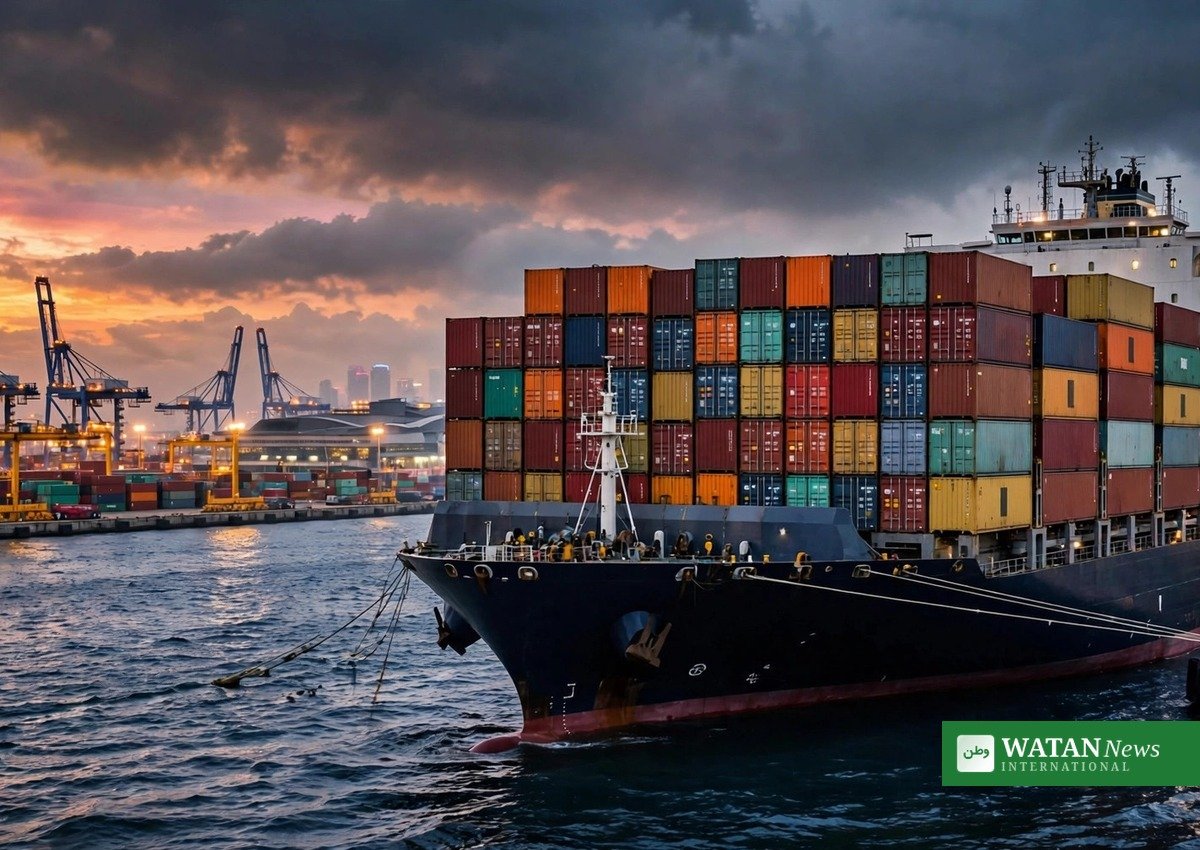
Pakistan’s exports to China recorded a sharp rise of 40.51 percent in the first eight months of 2026, climbing to $2.386 billion from $1.698 billion in the same period of 2025. The $688 million expansion, confirmed by official data from China’s General Administration of Customs (GACC), shows Pakistan’s exports to China in 2026 running at one of their strongest paces in recent years, led by copper, agricultural goods, and textiles.
KEY FACTS: Pakistan–China trade, January–August 2026
Exports: $2.386 billion in January–August 2026, up 40.51% year on year from $1.698 billion in January–August 2025 — an absolute gain of nearly $688 million.
Source: Official figures from China’s General Administration of Customs (GACC).
Top drivers: Refined copper products (+68.51%), copper anodes (+44.14%), sesame seeds (+86.90%), fishmeal (+146.95%), and broken rice.
Top Chinese destination: Zhejiang Province at $746.44 million (+42.46%, +$222.47 million), followed by Beijing ($361.67 million, +54.96%) and Guangdong ($286.07 million, +18.19%).
Context: The growth extends a strong 2026 run — exports rose 48.7% in January–May to $1.55 billion and 50.7% in the first half to $1.874 billion, with the China-Pakistan Free Trade Agreement underpinning the momentum.
How Pakistan’s Exports to China Reached $2.386 Billion
Muhammad Imran, Pakistan’s Trade and Investment Counsellor at the Consulate General in Guangzhou, attributed the acceleration to sustained Chinese industrial demand for Pakistani products. Refined metals remained the backbone of the trade, but agriculture and textiles added strong momentum through the first eight months of the year.
The monthly trend points to durable rather than one-off strength: after exports topped $1.55 billion in January–May and $1.874 billion in the first half, the August performance kept the eight-month total firmly above the previous year’s pace. March 2026 had already set a marker as a standout month, with shipments nearing $362 million.
Copper Leads the Export Surge
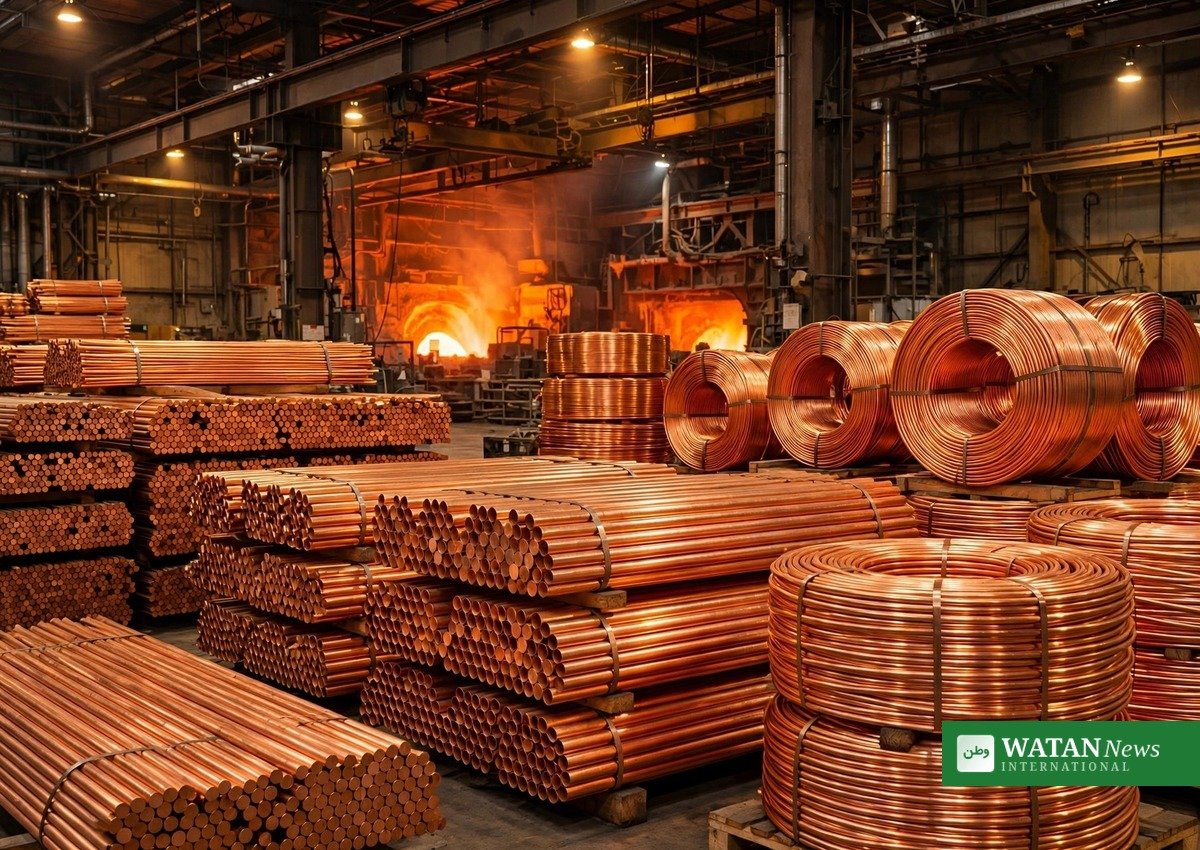
Refined copper products, particularly unwrought copper, led export volume with a 68.51 percent jump, while unrefined copper anodes rose 44.14 percent. China’s processing and manufacturing industries remain hungry for Pakistani copper, and Zhejiang’s copper-processing hub continues to absorb the largest share of these shipments.
The copper story is consistent across the year: copper products accounted for roughly 43.7 percent of total export value in the January–May period at $675 million, up 71.7 percent year on year, and have carried the growth into the eight-month figures.
Exports to China: January–August 2025 vs 2026
| Indicator | Jan–Aug 2025 | Jan–Aug 2026 | Change |
|---|---|---|---|
| Total exports to China | $1.698 billion | $2.386 billion | +40.51% (+~$688 million) |
| Unwrought refined copper | — | Largest product line | +68.51% |
| Unrefined copper anodes | — | Second metal driver | +44.14% |
| Sesame seeds | — | Fast-growing agri line | +86.90% |
| Fishmeal | — | Top agri performer | +146.95% |
| Zhejiang imports from Pakistan | ~$523.97 million | $746.44 million | +42.46% (+$222.47 million) |
Agricultural Commodities Post Strong Gains
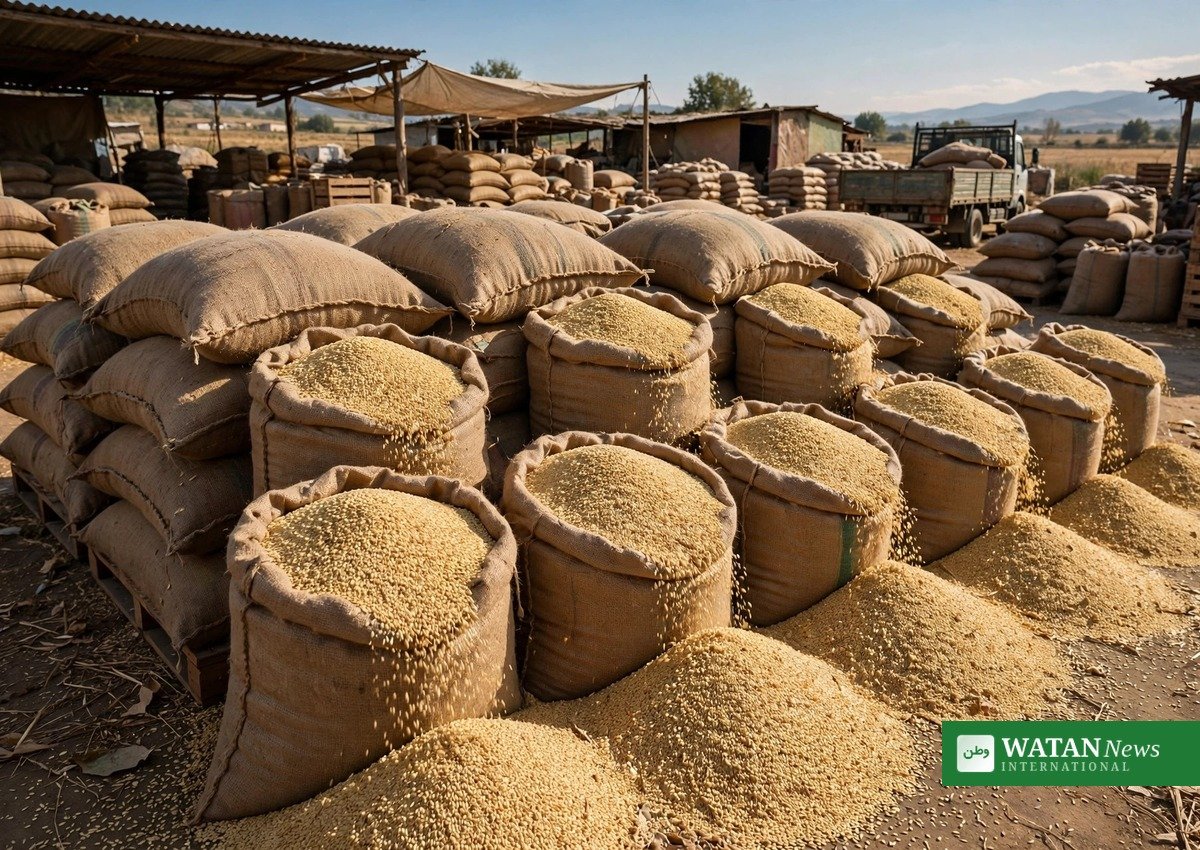
Pakistan’s farm sector capitalized on China’s opening market. Sesame seeds climbed 86.90 percent, fishmeal expanded by an impressive 146.95 percent, and rice — particularly broken rice — multiplied significantly. Business missions by Pakistani agriculture associations to Guangdong and other parts of China converted new contacts into firm deals for rice, cotton, and sesame seeds, directly lifting shipments.
Zhejiang Province Remains the Top Regional Destination
Zhejiang recorded the largest absolute growth among Chinese destinations, rising by $222.47 million — up 42.46 percent — to $746.44 million, keeping its position as Pakistan’s top regional trade destination thanks to its copper-processing industries. Beijing followed at $361.67 million, up 54.96 percent, as state buyers increased purchases of rice and sesame seeds, while Guangdong took $286.07 million, up 18.19 percent.
In southern China, Guangdong remains a cornerstone for bilateral commerce. Deliveries there grew from $242.04 million in 2025 to $286.07 million in 2026, driven by copper anodes, cotton yarn, and broken rice imports exceeding $35 million. Trade officials point to the Guangdong-Hong Kong-Macao Greater Bay Area as a key frontier for Pakistani exporters looking to expand business-to-business linkages and diversify into higher-value agricultural, marine, and processed products.
Free Trade Agreement Underpins the Momentum
Pakistani exporters are making effective use of tariff concessions under the China-Pakistan Free Trade Agreement (CPFTA Phase-II), while aligning product quality standards with Chinese market requirements. For broader context on this year’s bilateral trade performance, see CPEC Info’s report on the 50.7 percent first-half surge. Phase III of the agreement is under negotiation and could further open Chinese markets for Pakistani agriculture, textiles, halal meat, and minerals.
More coverage of Pakistan trade and economy stories on Watan News continues to track how the country performs across its export markets.
Conclusion
The 40.51 percent jump in Pakistan’s exports to China during the first eight months of 2026 marks one of the strongest bilateral trade performances in recent years. Driven by refined metals, agricultural commodities, and textiles, and supported by the free trade agreement, the trend looks set to continue as exporters consolidate gains in Zhejiang, Beijing, and Guangdong. Continued diversification into higher-value products and deeper business-to-business connections will determine how much further the partnership can grow.
Frequently Asked Questions
What is the total value of Pakistan’s exports to China in the first eight months of 2026?
Pakistan’s exports to China reached $2.386 billion during January–August 2026, according to China’s General Administration of Customs.
How much did exports grow compared to the same period in 2025?
Exports grew 40.51 percent year on year, rising from $1.698 billion in January–August 2025 — an absolute increase of nearly $688 million.
Which products drove the growth?
Refined copper products (+68.51%) and copper anodes (+44.14%) led the way, with strong support from sesame seeds (+86.90%), fishmeal (+146.95%), broken rice, cotton yarn, and textiles.
Which Chinese province imported the most from Pakistan?
Zhejiang Province remained the top destination at $746.44 million, up 42.46 percent ($222.47 million). Beijing took $361.67 million (+54.96%) and Guangdong $286.07 million (+18.19%).
What role does the China-Pakistan Free Trade Agreement play?
Pakistani exporters are using tariff concessions under CPFTA Phase-II to stay competitive, and Phase III negotiations aim to widen access further in agriculture, textiles, halal meat, and minerals.
Author

usmanjaved13132@gmail.com
Related Posts
Israeli Settlers Attack European Diplomats Near Taybeh in West Bank
- 0
- 786 words
The attack on European diplomats in the occupied West Bank has drawn strong condemnation after Israeli settlers targeted a diplomatic delegation during...
Read out all
Zelenskyy Floats Ukraine-US-Russia Meeting at G20 Summit in Miami
- 0
- 661 words
Zelenskyy G20 Miami talks could bring together Ukraine, the United States and Russia during the Group of 20 summit in Miami in...
Read out all
India Calls for Balanced, Equitable Climate Action Ahead of COP31 at UN Event
- 0
- 926 words
India has called for balanced climate action ahead of the COP31 summit, telling a special United Nations event in New York that...
Read out all
Russia Extends Drone Attacks Deeper Into Western Ukraine, Expert Warns
- 0
- 474 words
Russia is extending its drone campaign deeper into western Ukraine, with aviation experts warning that Moscow is testing new methods to guide...
Read out all
China Kindergarten Owner Jailed for Life Over Lead Poisoning of 247 Children
- 0
- 524 words
A court in northwest China has sentenced the operator of a kindergarten to life in prison after staff served tainted food that...
Read out all
Atmos Buys Nearly 1 GW Wind-Solar Portfolio from BayWa in Australia
- 0
- 935 words
Sydney: Australian renewable energy developer Atmos Renewables has bought nearly one gigawatt of wind and solar projects from European developer BayWa r.e.,...
Read out all