- 0
- 662 words
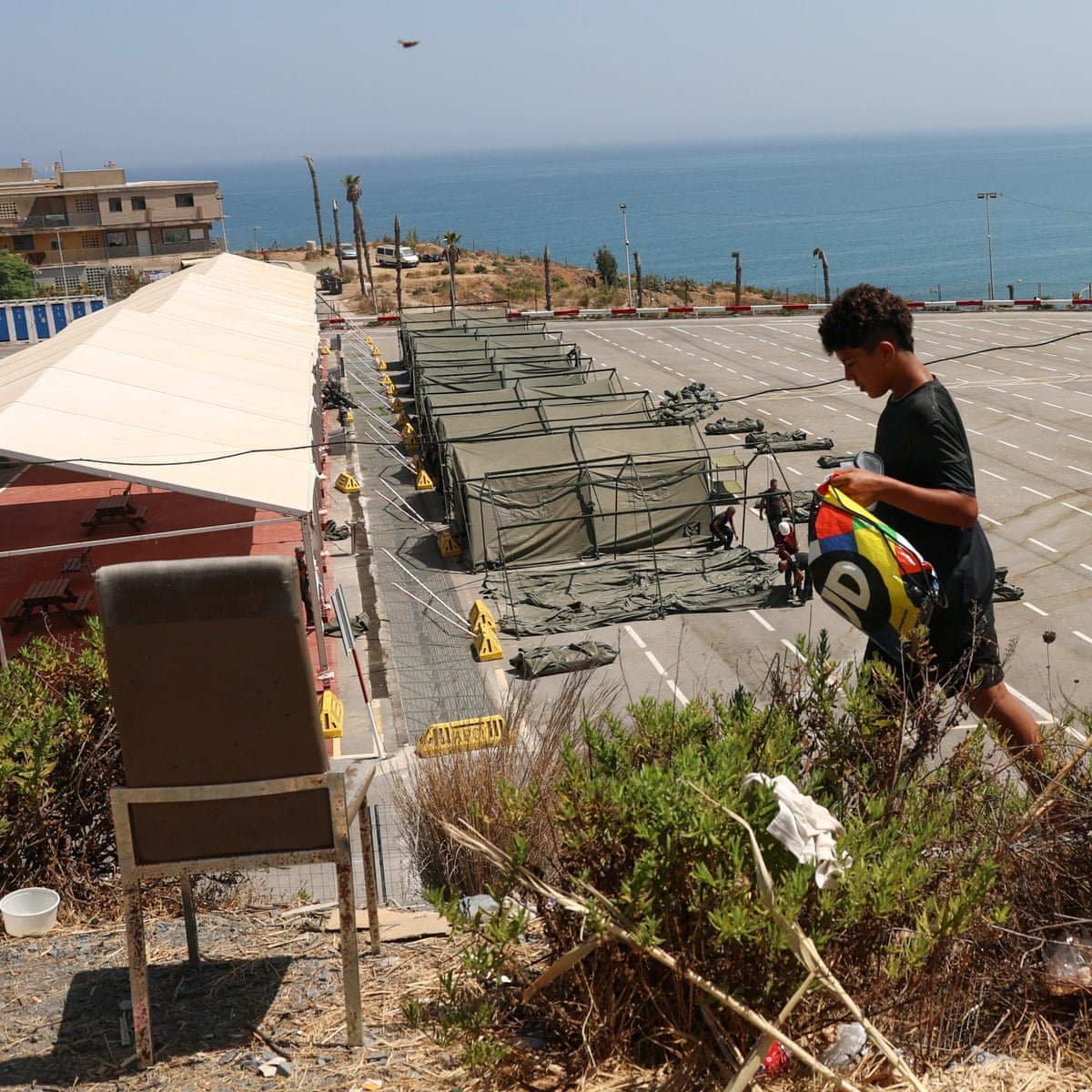
In a significant immigration policy reversal, the Spanish government has announced that it will permit 500 migrant children currently in Ceuta to relocate to the mainland. This decision marks a shift from the government’s previous stance, which emphasized that anyone entering the territory illegally would be returned. The move comes after a large influx of migrants crossed into Ceuta, a Spanish territory on the coast of North Africa, on July 30.
The majority of the estimated 70,000 individuals who entered Ceuta have since returned to Morocco. However, Spanish law dictates that the state is responsible for the care of young, unaccompanied migrants until they reach the age of 18. This legal obligation has prompted the government to reconsider its approach, leading to the decision to allow these children to move to the mainland.
- The Spanish government has decided to allow 500 migrant children in Ceuta to relocate to the mainland, a reversal of its previous immigration stance.
- Under Spanish law, the state has a duty of care to unaccompanied migrant children until they reach the age of 18, influencing the government’s decision.
- The move follows a significant influx of migrants into Ceuta on July 30, with the majority having returned to Morocco, but leaving a considerable number of unaccompanied children in need of care.
Core Details
The situation in Ceuta has been closely monitored by international observers and has sparked discussions about immigration policies and the treatment of migrants. The Spanish government’s initial response to the influx of migrants was to emphasize the importance of maintaining border security and the principle of returning those who entered illegally. However, the presence of a large number of unaccompanied children has complicated this stance, given the legal and ethical obligations towards these minors.
As the news of the government’s decision spreads, it is likely to be met with a mix of reactions from different stakeholders. Human rights organizations and advocates for migrant rights may view this move as a positive step towards recognizing the vulnerability and needs of migrant children. On the other hand, some may argue that this decision could have implications for future migration patterns and the management of the country’s borders.
Official Statements
Government officials have emphasized the importance of balancing the need to maintain effective border control with the obligation to protect and care for vulnerable individuals, such as unaccompanied minors. The decision to allow these children to relocate to the mainland is seen as a way to uphold Spain’s legal and humanitarian commitments. As Watan News continues to follow this story, it is clear that the situation remains complex and subject to further developments.
Quotes from officials and stakeholders highlight the nuanced nature of the decision, with ‘This move reflects our commitment to upholding the rights and dignity of all individuals, particularly the most vulnerable among us’. The emphasis on the duty of care towards unaccompanied minors underscores the humanitarian aspect of the government’s decision, which is likely to be a point of focus in ongoing discussions about immigration and border management.
Future Impact
The long-term implications of this decision are yet to be fully understood, but it is likely to influence not only Spain’s immigration policies but also the broader European context. As countries grapple with the challenges of migration, the need to balance security concerns with humanitarian obligations is becoming increasingly evident. The situation in Ceuta and the Spanish government’s response serve as a case study for the complexities involved in managing migration flows and the importance of considering the rights and needs of all individuals involved.
The decision to allow 500 migrant children to relocate to the mainland may also have implications for community integration and social services in the receiving areas. As these children settle into their new environments, there will be a need for targeted support to ensure their successful integration into Spanish society. This includes access to education, healthcare, and social support systems, which will be crucial for their well-being and future prospects.
Author

usmanjaved13132@gmail.com
Related Posts
Israeli Settlers Attack European Diplomats Near Taybeh in West Bank
- 0
- 786 words
The attack on European diplomats in the occupied West Bank has drawn strong condemnation after Israeli settlers targeted a diplomatic delegation during...
Read out all
Zelenskyy Floats Ukraine-US-Russia Meeting at G20 Summit in Miami
- 0
- 661 words
Zelenskyy G20 Miami talks could bring together Ukraine, the United States and Russia during the Group of 20 summit in Miami in...
Read out all
India Calls for Balanced, Equitable Climate Action Ahead of COP31 at UN Event
- 0
- 926 words
India has called for balanced climate action ahead of the COP31 summit, telling a special United Nations event in New York that...
Read out all
Russia Extends Drone Attacks Deeper Into Western Ukraine, Expert Warns
- 0
- 474 words
Russia is extending its drone campaign deeper into western Ukraine, with aviation experts warning that Moscow is testing new methods to guide...
Read out all
China Kindergarten Owner Jailed for Life Over Lead Poisoning of 247 Children
- 0
- 524 words
A court in northwest China has sentenced the operator of a kindergarten to life in prison after staff served tainted food that...
Read out all
Atmos Buys Nearly 1 GW Wind-Solar Portfolio from BayWa in Australia
- 0
- 935 words
Sydney: Australian renewable energy developer Atmos Renewables has bought nearly one gigawatt of wind and solar projects from European developer BayWa r.e.,...
Read out all