- 0
- 974 words
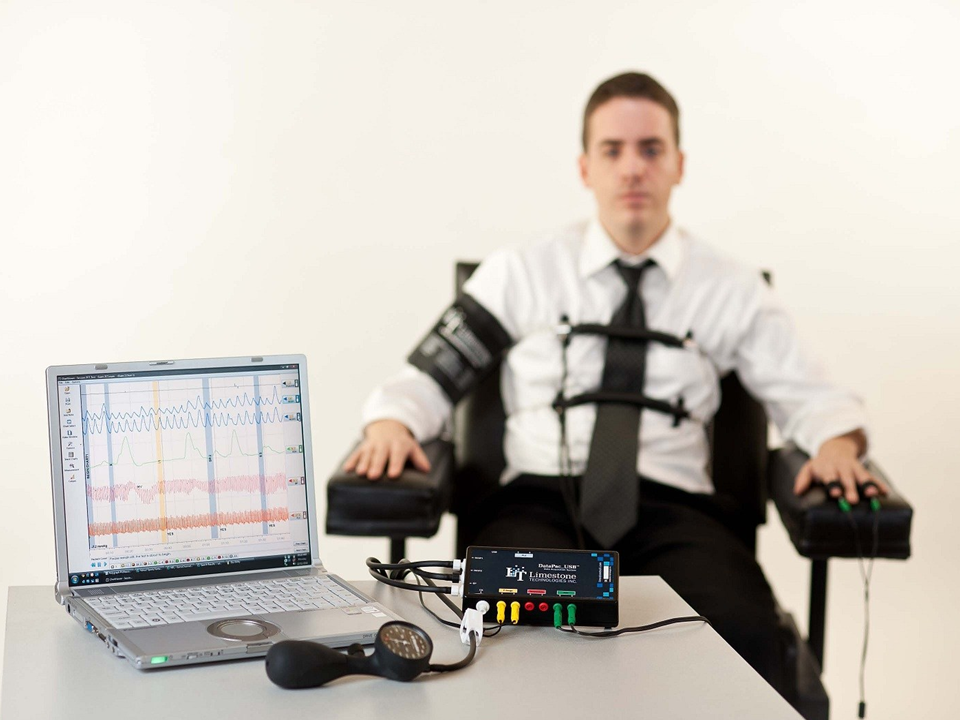
The Trump administration has taken a drastic measure to curb information leaks by ordering dozens of Pentagon officials to undergo polygraph tests. According to reports from The New York Times and CBS News, about 50 military officers and civilian officials working with the US military’s Joint Staff were subjected to polygraph examinations in August. This move is part of a wider investigation into suspected leaks of classified information about US weapons stockpiles to journalists.
The investigation was sparked by news reports in July that supplies of some critical munitions, particularly long-range missiles and Patriot interceptors, were running low. The Trump administration has strongly denied that it is low on weapons, saying it has “massive amounts” of weaponry available. However, investigators have asked Joint Staff personnel undergoing polygraphs whether they provided classified information to the news media, particularly about declining US munitions stocks.
- About 50 military officers and civilian officials underwent polygraph tests in August
- The investigation involves the Department of Justice and the FBI
- The polygraph tests are part of a wider crackdown on information leaks
- The Trump administration has denied that it is low on weapons, despite news reports suggesting otherwise
Pentagon Investigation
The Pentagon has not publicly confirmed details of the polygraph tests, but chief Pentagon spokesman Sean Parnell said that the Department takes all leaks of classified national security information extremely seriously and investigates accordingly. The investigation is intended not only to identify potential leakers but also to deter others from disclosing information in the future.
Joint Staff Involvement
Between 1,500 and 2,000 military officers and civilian officials work for the Joint Staff, which helps coordinate military operations, policy and war planning with US combatant commands around the world. General Dan Caine, chairman of the Joint Chiefs of Staff, was among senior officials who were not tested. The polygraph tests covered a range of national security matters, and two sources told CBS News that nobody failed the questions intended to establish whether officials had leaked information to the media.
Background and Context
The Trump administration has been dealing with the fallout from news reports suggesting that US weapons stockpiles are running low. The reports coincided with the US halting attacks on Iran, and the administration has since denied that it is low on weapons. However, the investigation into information leaks suggests that the administration is taking the issue seriously and is taking steps to prevent further leaks.
Impact and Implications
The polygraph tests are a significant development in the Trump administration’s efforts to curb information leaks. The move is likely to be seen as a crackdown on whistleblowers and leakers, and could have implications for the freedom of the press. As Watan News continues to monitor the situation, it is clear that the Trump administration is taking a tough stance on information leaks.
Statement from Pentagon Spokesman
“The Department does not comment on internal personnel or investigative matters but takes all leaks of classified national security information extremely seriously and investigates accordingly,” said chief Pentagon spokesman Sean Parnell. This statement suggests that the Pentagon is committed to investigating and preventing information leaks, and that the polygraph tests are part of a wider effort to achieve this goal.
Conclusion and Future Developments
In conclusion, the Trump administration’s decision to order Pentagon staff to undergo polygraph tests is a significant development in the ongoing investigation into information leaks. As the situation continues to unfold, it is likely that there will be further developments and implications for the freedom of the press and the ability of whistleblowers to come forward.
Conclusion
The polygraph tests are a clear indication that the Trump administration is taking a tough stance on information leaks, and that it is committed to investigating and preventing further leaks. As the situation continues to develop, it is likely that there will be significant implications for the freedom of the press and the ability of whistleblowers to come forward.
FAQs
Q1: What led to the Trump administration ordering Pentagon staff to undergo polygraph tests?
A1: The Trump administration ordered Pentagon staff to undergo polygraph tests amid concerns over information leaks about US weapons stockpiles. News reports in July suggested that supplies of some critical munitions were running low, and the administration has since denied that it is low on weapons.
Q2: How many Pentagon officials underwent polygraph tests?
A2: According to reports, about 50 military officers and civilian officials working with the US military’s Joint Staff underwent polygraph tests in August.
Q3: What is the purpose of the polygraph tests?
A3: The polygraph tests are part of a wider investigation into suspected leaks of classified information about US weapons stockpiles to journalists. The investigation is intended not only to identify potential leakers but also to deter others from disclosing information in the future.
Q4: Has the Pentagon commented on the polygraph tests?
A4: The Pentagon has not publicly confirmed details of the polygraph tests, but chief Pentagon spokesman Sean Parnell said that the Department takes all leaks of classified national security information extremely seriously and investigates accordingly.
Q5: What are the implications of the polygraph tests for the freedom of the press?
A5: The polygraph tests are likely to be seen as a crackdown on whistleblowers and leakers, and could have implications for the freedom of the press. The move may be perceived as an attempt to intimidate or silence journalists and sources, and could have a chilling effect on the ability of whistleblowers to come forward.
Q6: What is the current status of the investigation into information leaks?
A6: The investigation into information leaks is ongoing, and it is likely that there will be further developments and implications for the freedom of the press and the ability of whistleblowers to come forward. The Trump administration is taking a tough stance on information leaks, and it is committed to investigating and preventing further leaks.
Author

usmanjaved13132@gmail.com
Related Posts

Deadly Clashes Erupt Along Sudan-South Sudan Border, Killing at Least 26
- 0
- 503 words
At least 26 people have been killed and 82 others injured in days of intercommunal fighting in a disputed region on the...
Read out all
Foreign Secretary Holds Farewell Interaction with Diplomatic Corps
- 0
- 587 words
Pakistan’s Foreign Secretary, Sohail Mahmood, held a farewell interaction with the diplomatic corps at the Foreign Office in Islamabad, marking the end...
Read out all
COP31 presidency and OECD announce Paris partnership on climate finance and delivery
- 0
- 504 words
President-Designate Murat Kurum frames climate finance as strategic security at OECD headquarters, cites Türkiye’s SURFF urban-resilience facility as an implementation bridge, and...
Read out all
Federal Urdu University launches beginner Russian language course
- 0
- 488 words
The Federal Urdu University of Arts, Science and Technology (FUUAST) has launched a beginner Russian language course. The one month course has...
Read out all
US House passes sweeping Russia sanctions bill, sending it to Trump
- 0
- 684 words
The US House of Representatives on Wednesday approved a sweeping package of sanctions aimed at squeezing Russia’s war economy, sending the legislation...
Read out all
Morocco’s 2026 Election: A Test of Political Trust and Engagement
- 0
- 532 words
Morocco’s 2026 parliamentary election is set to take place on September 23, with 27 political parties vying for 395 seats in the...
Read out all