- 0
- 1,195 word
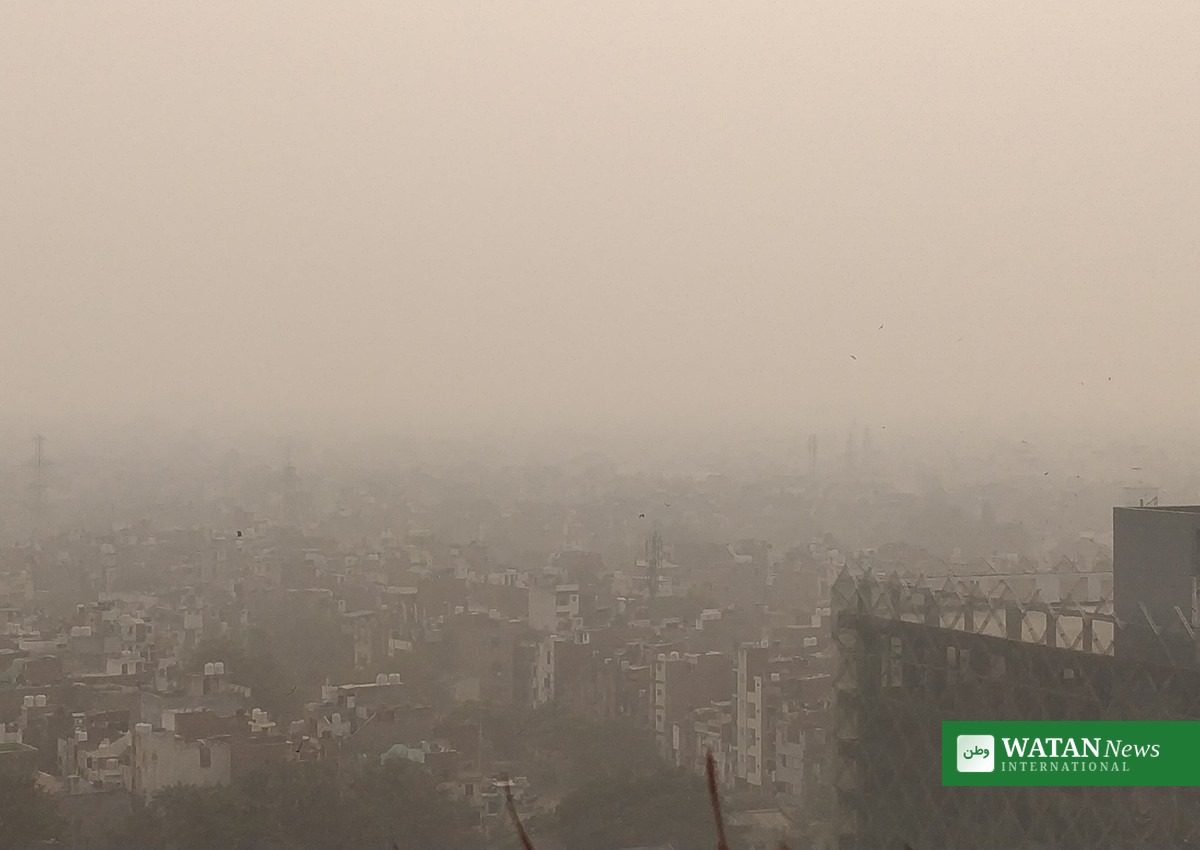
Delhi woke on Saturday, 7 November 2026, to the unwelcome title of the world’s most polluted major city, with thick haze hanging over the Indian capital a day before Diwali, the Hindu festival of lights. Swiss air-quality group IQAir put Delhi at the top of its live global ranking of major cities at 10:35 a.m., with a United States air quality index (AQI) reading of 581, about double that of Lahore in Pakistan, which stood second at 285. On the US scale, readings above 300 are classed as hazardous for the whole population, not only for sensitive groups.
Read this story on Watan News: Delhi Is the World’s Most Polluted Major City on the Eve of Diwali
FAKTA
- IQAir ranked Delhi first among the world’s major cities on Saturday morning, 7 November 2026, at 10:35 a.m., with a US AQI reading of 581.
- Lahore in Pakistan ranked second in the same live ranking, with a US AQI reading of 285, about half of Delhi’s figure.
- India’s Central Pollution Control Board (CPCB) put Delhi’s AQI at 363 at 10 a.m. on Saturday, in the “very poor” category, using a different scale and method from IQAir.
- Friday’s air quality in Delhi was the worst pre-Diwali air in eight years, according to local media reports citing official data.
- Diwali falls on Sunday, 8 November 2026, and is usually marked by the widespread use of firecrackers, which further worsen air quality.
- The Commission for Air Quality Management invoked Stage III of the Graded Response Action Plan across Delhi and the National Capital Region on 6 November, as a precautionary measure.
Delhi Most Polluted City: Two Scales, One Verdict
The two figures use different scales and are not directly comparable, but they point the same way: hazardous on the US scale, and “very poor” on India’s scale, with the official forecast warning the air could reach “severe” on Saturday.
| Reading on 7 November 2026 | Figure | Category |
|---|---|---|
| IQAir, US AQI, 10:35 a.m. | 581 | Hazardous |
| CPCB, India AQI, 10 a.m. | 363 | Very poor |
| CPCB, 24-hour average, Friday 4 p.m. | 382 | Very poor |
| Lahore, IQAir US AQI, 10:35 a.m. | 285 | Second in the ranking |
Of the 59 air-quality monitoring stations in Delhi, 18 recorded AQI in the severe category on Saturday morning. On the CPCB scale, 0 to 50 is “good”, 301 to 400 is “very poor”, and 401 to 500 is “severe”.
Why the Air Turns Toxic Every Winter
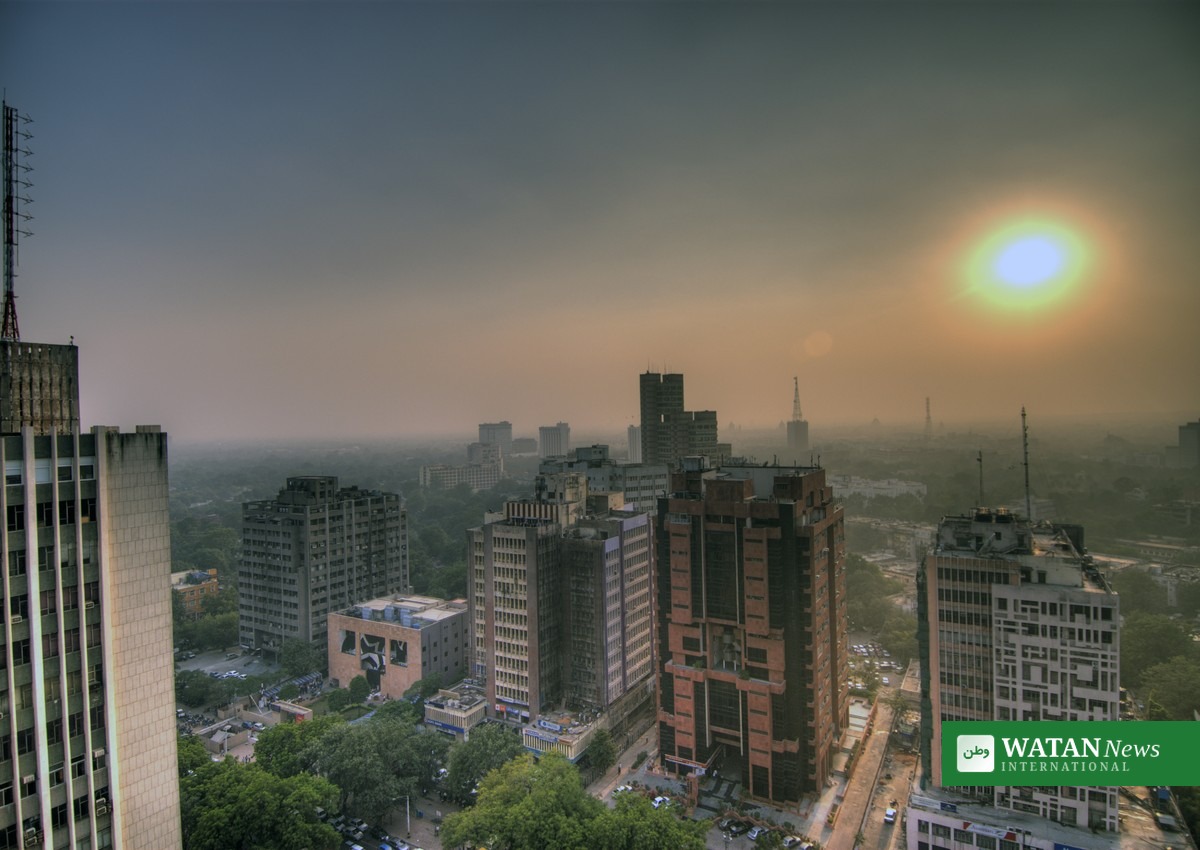
Pollution is an annual problem in northern India from the onset of winter, as cold, heavy air traps vehicle emissions, construction dust and smoke from crop-waste burning close to the ground. The same weeks bring stubble burning, festival firecrackers, traffic and dust together.
Friday’s air was the worst recorded before Diwali in eight years. Delhi’s environment minister, Manjinder Singh Sirsa, warned that conditions could deteriorate further. “From tomorrow, the weather is going to become worse, winds will completely stop, which will worsen the AQI,” he said, according to Reuters.
Diwali and the Firecracker Question
Diwali, the festival of lights, falls on Sunday, 8 November 2026. Firecrackers are a traditional part of the celebrations, and their smoke adds fine particulate matter to air that is already dangerous to breathe.
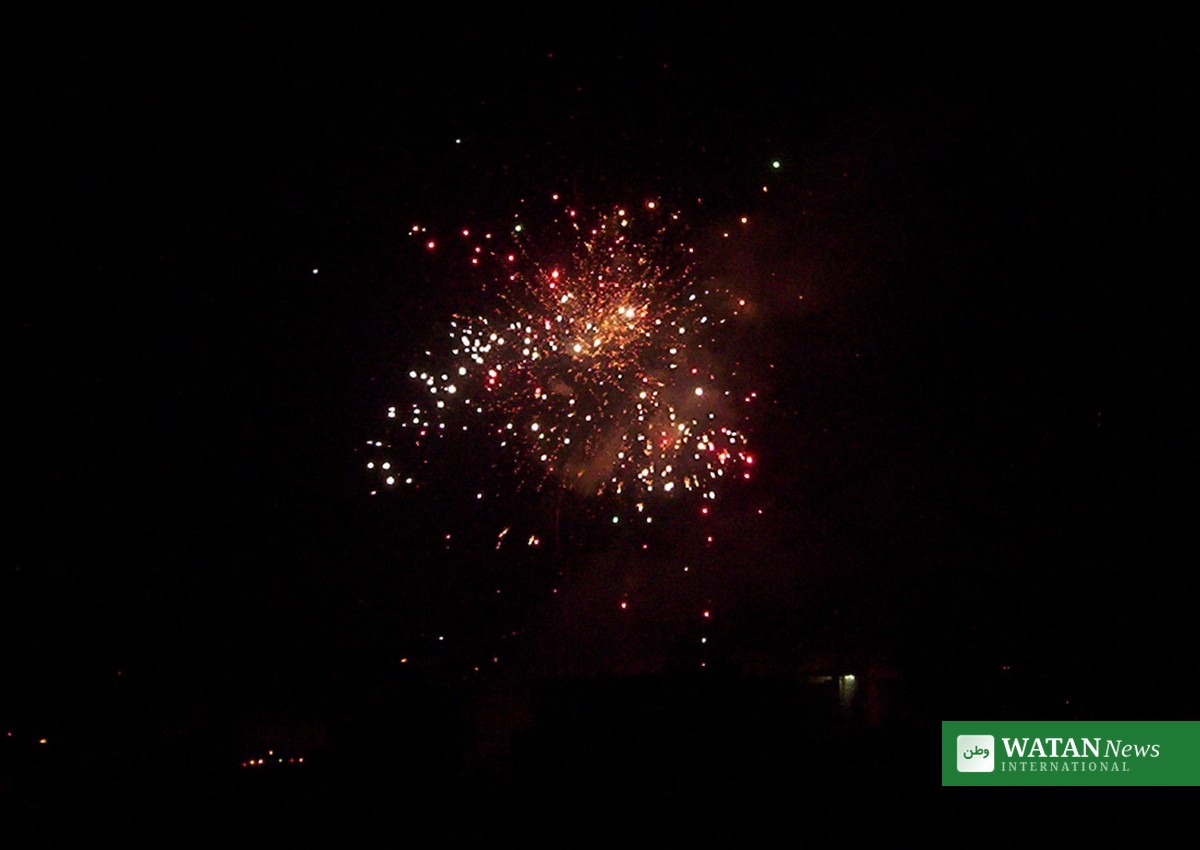
India’s Supreme Court has allowed certified green crackers in Delhi and the surrounding National Capital Region only on 7 and 8 November, subject to strict conditions, with the full firecracker ban restored from 9 November. Bursting is permitted only between 6 a.m. and 7 a.m. and between 8 p.m. and 10 p.m. Conventional crackers, series crackers and barium-based products remain prohibited.
Emergency Measures as Delhi Most Polluted City Tops the Ranking
The Commission for Air Quality Management (CAQM) invoked Stage III of the Graded Response Action Plan (GRAP) across Delhi and the National Capital Region on Friday, 6 November, as a precautionary measure, after the CPCB recorded a 24-hour average AQI of 382.
Under Stage III, non-essential construction and demolition work is banned, BS-III petrol and BS-IV diesel four-wheelers are barred in Delhi and neighbouring districts, and inter-state diesel buses face restrictions. Schools in Delhi and in Gurugram, Faridabad, Ghaziabad and Gautam Buddh Nagar must offer hybrid classes for children up to Class 5, and offices have been asked to consider 50 per cent attendance, with the rest working from home.
The Delhi government also said vehicles below BS-VI emission standards registered in other states will be banned in Delhi every year between 1 November and 31 January.
What the Air Does to Health
The main health concern is PM2.5, fine particulate matter so small that it can travel deep into the lungs and enter the bloodstream. Exposure can aggravate asthma, chronic obstructive pulmonary disease and bronchitis, irritate the eyes and airways, and increase cardiovascular risk. Children, older adults, pregnant women and people with heart or lung diseases are particularly vulnerable.
Health experts advise limiting strenuous outdoor activity during very poor or severe air quality. People who must go outside can use a well-fitting N95 or N99 respirator, which filters at least 95 per cent of airborne particles under standard testing conditions. Cloth masks and loose surgical masks offer limited protection against PM2.5. Indoors, keeping windows closed and using a HEPA air purifier, where available, can reduce exposure.
Conclusion
Delhi’s place at the top of the IQAir ranking is not a one-day surprise. It is the annual winter crisis arriving on schedule, made worse by still air and a festival that adds its own smoke. Emergency measures can soften the peak, but they do not clear the air. Until the deeper sources of pollution, from vehicles and dust to crop-waste burning, are brought down, the capital is likely to face the same grey morning again next winter.
Related Articles
- Lancet Countdown 2026: Heat Deaths Hit Record High as Experts Urge Global Health Emergency
- Bay Area Adopts Nation’s Strongest Clean Water Heater Standards from 2028
- India’s Colleges Begin BRICS Sustainable Lifestyle Week: Seven Days, Seven Green Habits
Frequently Asked Questions
Why is Delhi the world’s most polluted major city today?
IQAir ranked Delhi first on Saturday morning, 7 November 2026, with a US AQI of 581, about double Lahore’s 285. India’s CPCB index put Delhi at 363, “very poor”.
Why do IQAir and India’s official AQI give different numbers?
IQAir uses the US index, while India’s Central Pollution Control Board uses a different scale and method. The figures are not directly comparable, but both describe dangerous air.
When is Diwali in 2026, and what are the firecracker rules?
Diwali falls on Sunday, 8 November 2026. Certified green crackers are allowed only on 7 and 8 November, between 6 a.m. and 7 a.m. and 8 p.m. and 10 p.m., with the full ban restored from 9 November.
What is GRAP Stage III, and what does it change?
Stage III is a set of emergency measures invoked on 6 November 2026. It bans non-essential construction, restricts older petrol and diesel vehicles, requires hybrid classes up to Class 5, and asks offices to consider 50 per cent attendance.
What precautions do health experts recommend?
Limit strenuous outdoor activity, wear a well-fitting N95 or N99 respirator outdoors, and keep windows closed. Cloth masks do not reliably filter PM2.5.
Author

usmanch0013@gmail.com
Related Posts
Fourteen Killed, 30 Injured in Fujairah Pile-Up Involving 23 Vehicles
- 0
- 734 words
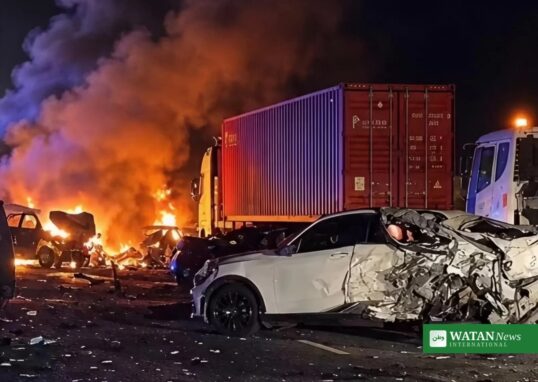
Fourteen people were killed and 30 injured in a 23-vehicle pile-up on Sheikh Khalifa bin Zayed Road at the entrance to Fujairah,...
Read out all
COP31 Finance Day: Waste Pickers Demand Climate Money Reaches Them, Not Incinerators
- 0
- 1,456 word
At COP31 in Antalya, waste pickers and zero-waste groups say climate finance must reach the people who collect, sort and compost waste...
Read out all
Ten Police Officers Killed in Militant Ambush in Pakistan’s Kohat District
- 0
- 640 words
Ten police officers, including a senior officer, were killed and 12 wounded when militants ambushed a police convoy in Kohat, Pakistan, as...
Read out all
COP31: Workers’ Just Transition Mechanism Takes Shape as Talks Show Early Progress in Antalya
- 0
- 1,626 word
Negotiators at COP31 in Antalya have begun shaping the Belém-Antalya Mechanism, with early convergence on a two-tier structure and finance as the...
Read out all
Zelenskyy Makes History as First Foreign Head of State to Address Denmark’s Parliament
- 0
- 821 words
Ukrainian President Volodymyr Zelenskyy became the first foreign head of state to address Denmark's Folketing on 11 November, thanking Denmark and urging...
Read out all
UK Economy Grows 0.7% in Third Quarter as AI Demand Lifts Output
- 0
- 772 words
The UK economy grew 0.7% in the third quarter of 2026, the fastest quarterly expansion since early 2024, as AI-related services spending...
Read out all