- 0
- 1,269 word
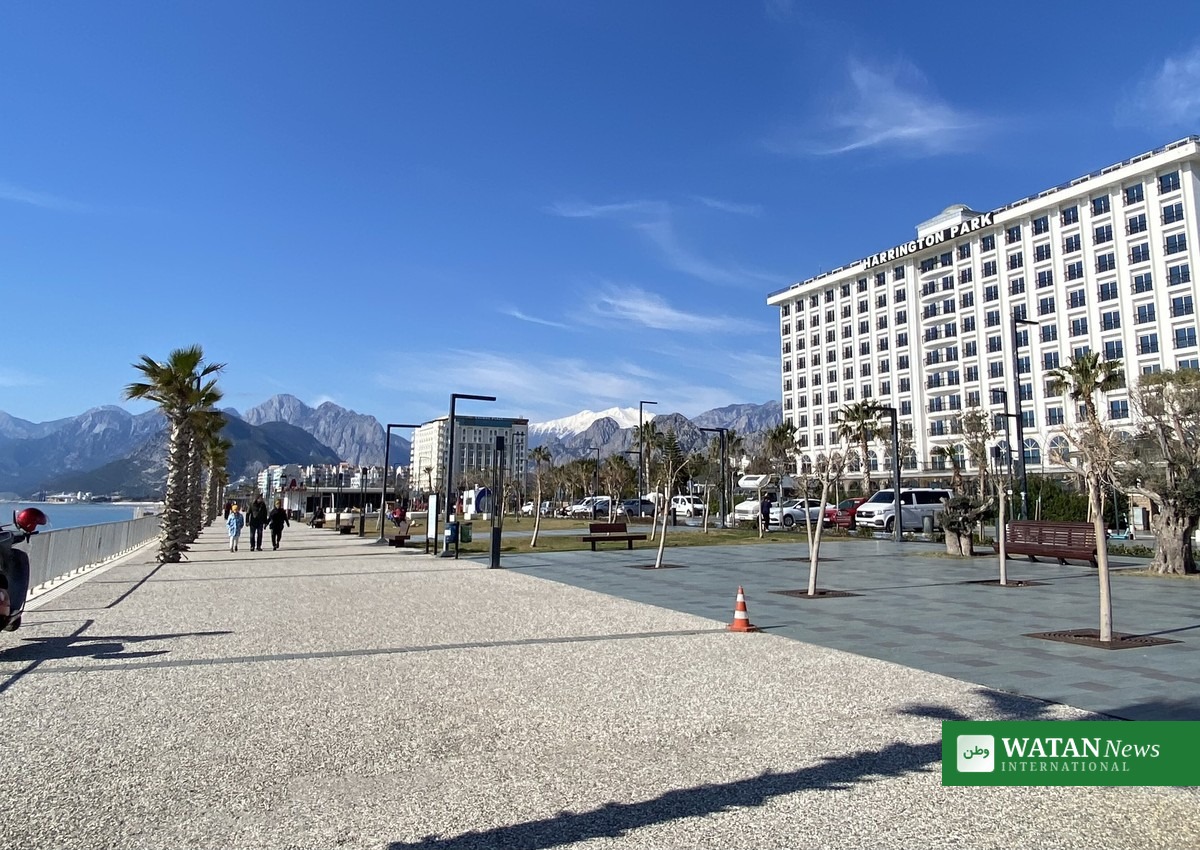
The COP31 climate finance debate takes centre stage in Antalya on 9 November 2026, when the UN climate summit opens with a blunt question: can the world turn a decade of climate promises into money, projects and real emissions cuts? The summit, held in Türkiye under a joint presidency with Australia and billed as an implementation COP, arrives with fresh UN figures showing national pledges add up to only about a 6 per cent cut in global emissions by 2035, far short of the roughly 60 per cent needed to keep warming to 1.5 degrees Celsius.
Read this story on Watan News: COP31 Opens in Antalya with Climate Finance at the Centre of an Implementation Test
FAKTA
- COP31, the 31st UN climate conference, opens in Antalya, Türkiye, on 9 November and runs until 20 November 2026.
- Türkiye holds the COP31 presidency, led by President-Designate Murat Kurum, while Australia, led by Chris Bowen, holds the presidency of negotiations.
- The New Collective Quantified Goal (NCQG), agreed at COP29 in Baku in 2024, calls for at least $300 billion a year for developing countries by 2035, as part of a wider push to $1.3 trillion a year from all sources.
- The UNFCCC 2026 NDC Synthesis Report, published 27 October 2026, covers 127 new national climate plans from 154 parties, about 71 per cent of 2019 global emissions.
- Those plans imply global emissions about 6 per cent below 2019 levels by 2035, or about 9 per cent if conditional pledges are fully delivered, against about 60 per cent needed for 1.5 degrees Celsius.
COP31 Climate Finance: The $300 Billion Question
Finance is the issue that will define whether Antalya succeeds or stalls. At COP29 in Baku in 2024, governments agreed the New Collective Quantified Goal on climate finance, replacing the old $100 billion-a-year target. Developed countries are to take the lead in mobilising at least $300 billion a year for developing countries by 2035, while all actors together are called on to scale finance to at least $1.3 trillion a year. Developing countries had asked for $1.3 trillion a year in public finance alone, so $300 billion was widely seen as a floor, not a settlement.
In Antalya, the argument moves from the size of the goal to how it is counted. Emily Gerrard, a director at legal and policy advisory firm Comhar Group, told the International Bar Association that finance was a live issue at the Bonn meeting earlier in 2026 and at October’s pre-COP meeting in Fiji, and that a major question is how the NCQG “will be measured and accounted for”. Shrinking public budgets sharpen the pressure, alongside a COP30 aspiration to triple adaptation finance between 2025 and 2035.
The Ambition Gap: 6 Per Cent Against 60 Per Cent
The summit opens against sobering arithmetic from the UN climate secretariat. Its 2026 NDC Synthesis Report, published on 27 October, examined 127 new national climate plans submitted by 154 parties between January 2024 and August 2026. If implemented, global emissions are projected to peak and fall to about 6 per cent below 2019 levels by 2035, or about 9 per cent if the conditional elements of the plans, those depending on finance or other support, are fully delivered. The report says collective progress “remains substantially off track” from the reductions science requires to keep 1.5 degrees Celsius within reach.
| Measure | Pledged or agreed | What 1.5°C needs |
|---|---|---|
| Emissions cut by 2035 vs 2019 | About 6% (about 9% with conditional pledges) | About 60% |
| Annual climate finance by 2035 | $300 billion a year (NCQG floor) | $1.3 trillion a year from all sources |
| Implied warming by 2100 | 1.7 to 2.3°C on current pledges and net-zero targets | 1.5°C |
Reporting on the synthesis puts the IPCC benchmark for a 1.5-degree path at about a 60 per cent cut over the same period. The gap is wider than a year ago: the previous UN update, based on plans from 113 countries, projected a 12 per cent cut by 2035. Climate Home News traced the fall in part to the United States leaving the Paris Agreement in January 2026, which removed its earlier pledge from the tally. The plans still imply best-estimate warming of 1.7 to 2.3 degrees Celsius by 2100, well below pre-Paris worst-case scenarios.
What Else Is on the Table in Antalya
Beyond finance, the joint presidency has set five priorities: electrification, bankable projects, finance, adaptation and oceans. The flagship electrification push is the 35 by 35 Global Electrification Pledge, seeking a global commitment to raise electricity’s share of final energy consumption to 35 per cent by 2035. The other flagship is the Climate Implementation Bridge, a platform to turn national climate plans into investment-ready projects by tackling regulatory and technical barriers. The presidency is explicit that it is not a new climate fund, but a mechanism to connect national priorities with sources of finance.
Adaptation and loss and damage will also feature heavily, with the summit seeking to operationalise the Belém-Addis Vision on Adaptation and address the first funding requests under the Fund for Responding to Loss and Damage. Unfinished business from COP30 in Brazil is on the agenda too, including the fossil fuel phase-out. As Markus Beham, co-chair of the International Bar Association’s Human Rights Law Committee, put it: “It’s important to focus on very concrete initiatives for implementation.”
What Happens Next
The first week will test whether the unusual dual presidency works in practice. Türkiye, as host and president, runs the venue and the action agenda, while Australia oversees the formal negotiations, including drafting texts and driving the final cover decision. Carbon-market talks under Article 6 are scheduled in the first week, and negotiators will also set the stage for the next Global Stocktake, due at COP33 in 2028.
Conclusion
COP31 arrives as a stress test for the Paris Agreement’s machinery. The finance goal exists, the national plans exist, and the implementation tools are on the table, yet the UN’s own numbers show the world is cutting emissions roughly a tenth as fast as the 1.5-degree pathway requires. If Antalya can agree on how the $300 billion goal is measured and turn climate plans into projects investors will fund, it will have earned its billing as an implementation COP.
Related Articles
- India Sets Out COP31 Priorities: Predictable Climate Finance, Not New Top-Down Targets
- UNEP: Developing Countries Need $305 Billion a Year to Adapt — Finance Covers a Tenth
- West Africa’s Young People Set Out Grassroots Demands for COP31, From Youth Climate Funds to Mangrove Planting
- COP31 Health Day to Put Resilient Health Systems at the Heart of Antalya Talks
Frequently Asked Questions
When and where is COP31?
COP31 takes place in Antalya, Türkiye, from 9 to 20 November 2026. Türkiye holds the presidency and Australia holds the presidency of negotiations.
What is the NCQG?
The New Collective Quantified Goal on climate finance was agreed at COP29 in Baku in 2024. Developed countries are to lead in mobilising at least $300 billion a year for developing countries by 2035, as part of a wider effort to reach $1.3 trillion a year from all sources.
What did the UN’s 2026 NDC Synthesis Report find?
It found that 127 new national climate plans from 154 parties imply global emissions about 6 per cent below 2019 levels by 2035, or about 9 per cent if conditional pledges are fully delivered, which the report says remains substantially off track for 1.5 degrees Celsius.
What is the 35 by 35 pledge?
It is COP31’s flagship electrification initiative, seeking a global commitment to raise electricity’s share of final energy consumption to 35 per cent by 2035.
Why is COP31 called an implementation COP?
The joint presidency has framed the summit around turning existing commitments into action, through the Climate Implementation Bridge and bankable project pipelines, rather than negotiating new headline targets.
Author

usmanch0013@gmail.com
Related Posts
Fourteen Killed, 30 Injured in Fujairah Pile-Up Involving 23 Vehicles
- 0
- 734 words
Fourteen people were killed and 30 injured in a 23-vehicle pile-up on Sheikh Khalifa bin Zayed Road at the entrance to Fujairah,...
Read out all
COP31 Finance Day: Waste Pickers Demand Climate Money Reaches Them, Not Incinerators
- 0
- 1,456 word
At COP31 in Antalya, waste pickers and zero-waste groups say climate finance must reach the people who collect, sort and compost waste...
Read out all
Ten Police Officers Killed in Militant Ambush in Pakistan’s Kohat District
- 0
- 640 words
Ten police officers, including a senior officer, were killed and 12 wounded when militants ambushed a police convoy in Kohat, Pakistan, as...
Read out all
COP31: Workers’ Just Transition Mechanism Takes Shape as Talks Show Early Progress in Antalya
- 0
- 1,626 word
Negotiators at COP31 in Antalya have begun shaping the Belém-Antalya Mechanism, with early convergence on a two-tier structure and finance as the...
Read out all
Zelenskyy Makes History as First Foreign Head of State to Address Denmark’s Parliament
- 0
- 821 words
Ukrainian President Volodymyr Zelenskyy became the first foreign head of state to address Denmark's Folketing on 11 November, thanking Denmark and urging...
Read out all
UK Economy Grows 0.7% in Third Quarter as AI Demand Lifts Output
- 0
- 772 words
The UK economy grew 0.7% in the third quarter of 2026, the fastest quarterly expansion since early 2024, as AI-related services spending...
Read out all