- 0
- 481 words
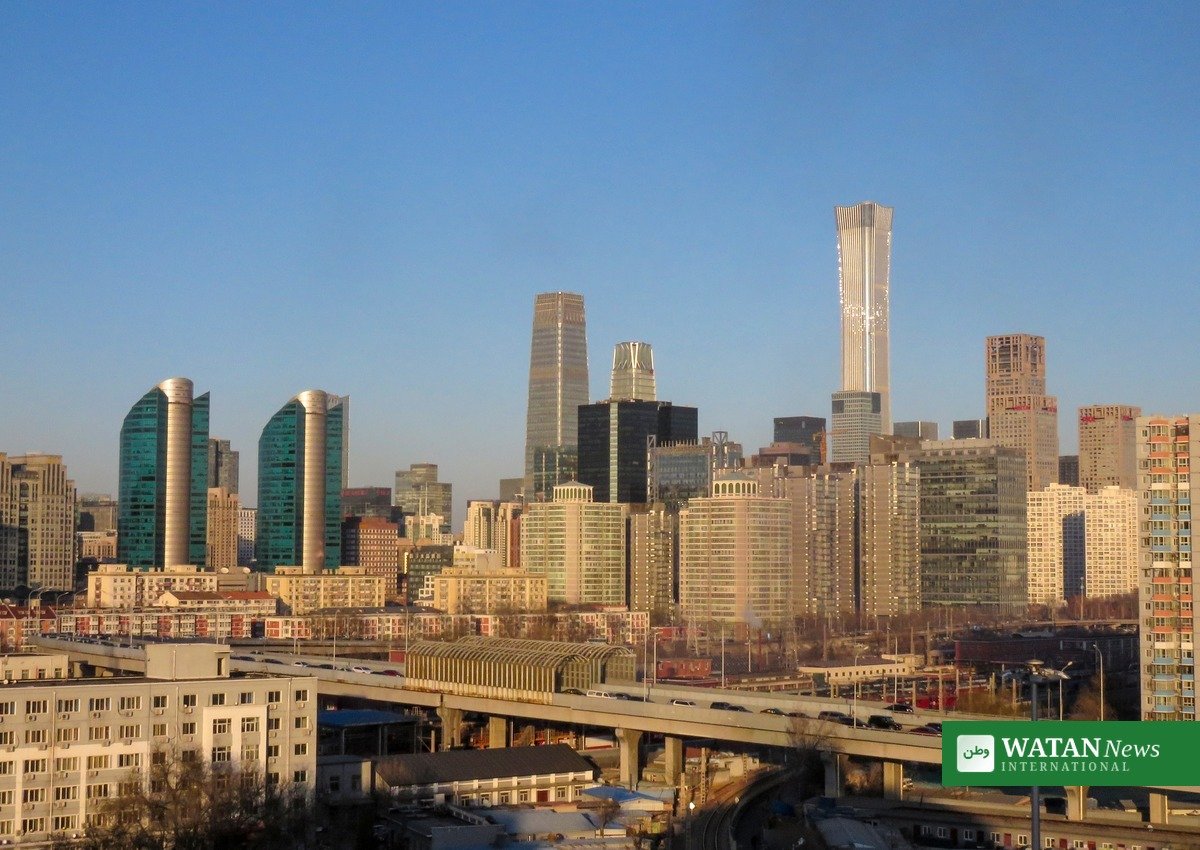
China and Switzerland have welcomed an upgraded trade agreement that will give Swiss exporters unusually broad access to the Chinese market, in a deal both sides presented as a stand against rising protectionism. Chinese President Xi Jinping and Swiss President Guy Parmelin praised the agreement during talks in Beijing on Friday, with its formal signing due the same day.
The upgraded pact revises the free trade agreement in force since 2014. It is the most open trade arrangement Beijing has granted a European country.
FAKTA
- What: An upgraded China-Switzerland free trade agreement, welcomed by Presidents Xi Jinping and Guy Parmelin in Beijing on Friday, 30 October 2026.
- Key figure: 99.8% of Swiss exports will eventually enter China duty-free, up from 53.6% today; 77.5% will qualify as soon as the deal takes effect.
- Background: The original agreement has been in force since 1 July 2014; talks on the upgrade began in September 2024 and closed on 20 August 2026 after five rounds.
- Estimated gain: About CHF 244 million a year in extra tariff savings for Swiss firms, mainly in watches, machinery and pharmaceuticals.
- What next: Both countries must approve the deal; in Switzerland parliament must vote on it, a process expected to take at least a year, and a referendum remains possible.
A deal against the protectionist tide
The timing of the agreement is central to its message. Switzerland spent months coping with a 39% tariff rate imposed by the United States before a provisional arrangement last November brought that figure down to 15%. The upgraded accord with China, by contrast, opens doors rather than closing them.
Mr Xi said the agreement showed political courage and responsibility and could bring greater certainty to trade between China and Europe. Mr Parmelin called it a new milestone in relations between the two countries.
What changes for Swiss exporters
Under the 2014 agreement, almost all Chinese goods already entered Switzerland duty-free, while only just over half of Swiss exports enjoyed the same treatment in China. The upgrade corrects that imbalance in two steps: more than three-quarters of Swiss exports become duty-free when the deal takes effect, and nearly all follow once transition periods of five to ten years run their course.
Beyond tariffs, the pact broadens cooperation into rules of origin, trade facilitation, digital trade, services, competition, and environmental and labour standards. Swiss officials stressed that it grants no new tariff benefits to Chinese industrial goods. China’s luxury tax is not covered.
What happens next
A signature is not the finish line. The agreement still needs approval in both countries, and in Switzerland the parliamentary process alone is expected to take at least a year, with a referendum possible. No date for entry into force has been set.
Mr Parmelin’s working visit to China runs until 1 November and includes the 10th Swiss-Chinese Economic Forum. He also hoped the two countries’ foreign ministers would hold their next strategic dialogue later this year. For more international news, visit Watan News.
Author

usmanch0013@gmail.com
Related Posts

Gold Slips to $4,000 as Hot US Inflation Fuels December Rate-Hike Bets
- 0
- 480 words
Gold slipped to around $4,000 an ounce on Friday as stronger US inflation data and rising oil prices raised expectations of a...
Read out all
UN Expert Warns Carbon Credit Markets May Undermine Climate Action
- 0
- 760 words
UN Special Rapporteur Elisa Morgera warns carbon credit markets may conflict with states' climate and human rights obligations, urging an urgent reassessment...
Read out all
How to Become a Green Ambassador in Your Own Community
- 0
- 712 words
An awareness explainer on what green ambassadors do, what established programmes expect, and five steps to start climate action in your own...
Read out all
G20 Foreign Ministers Meet in Atlanta Amid Deep Divisions Over Ukraine and Middle East Wars
- 0
- 846 words
Foreign ministers from the world's 20 largest economies meet in Atlanta on 30-31 October 2026, with wars in Ukraine and the Middle...
Read out all
Toxic Smoke from Indonesia’s Forest Fires Blamed for 3,560 September Deaths
- 0
- 469 words
Smoke from Indonesia's seasonal forest and land fires was linked to an estimated 3,560 deaths in September 2026, a Centre for Research...
Read out all
Bank of Japan Declares Inflation Target Met for First Time Since 2013, Holds Rate at 1.25%
- 0
- 758 words
The Bank of Japan has declared underlying inflation broadly in line with its 2% target for the first time since 2013, while...
Read out all