- 0
- 1,304 word
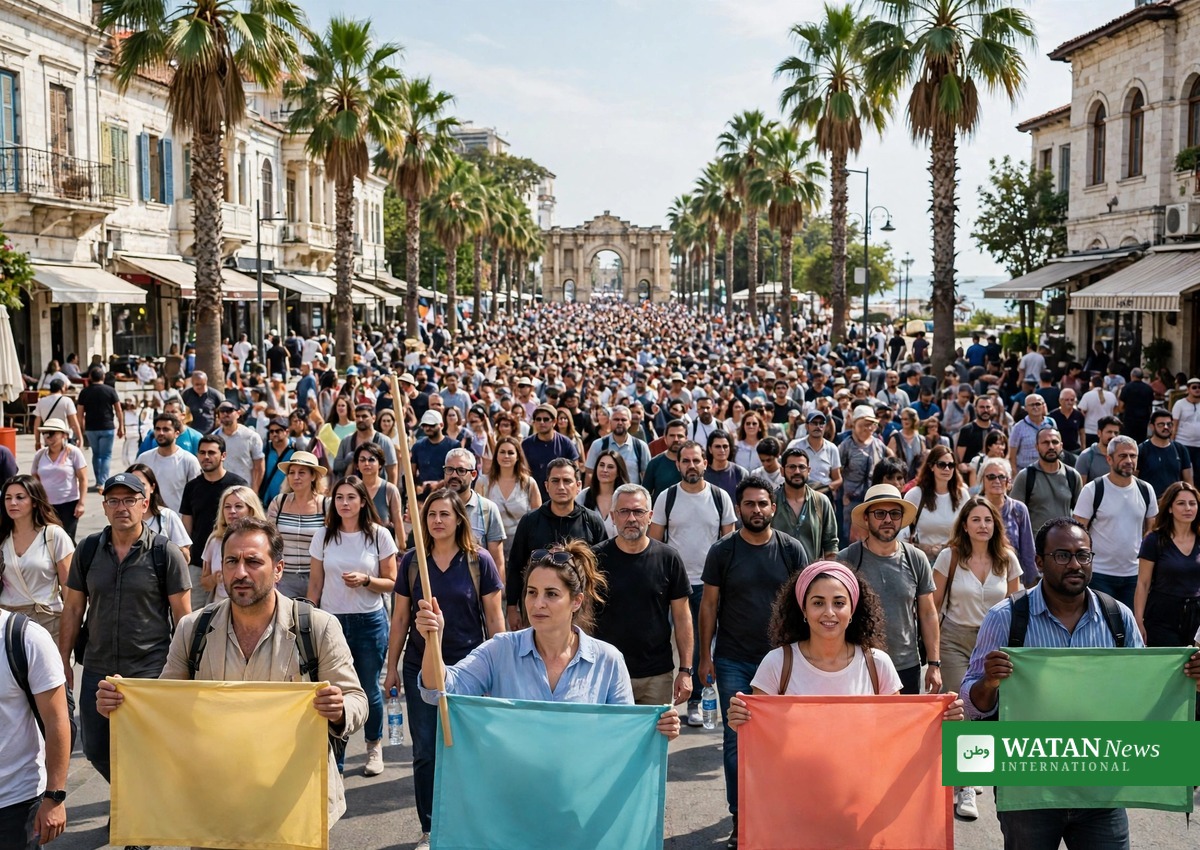
Antalya, Türkiye — More than 10,000 people marched through the streets of Antalya on Saturday, 14 November, in a COP31 climate justice march that carried the climate summit’s debates out of the conference halls and into the city. The march was part of a Global Day of Action for Climate Justice, with coordinated actions across Asia and beyond, and it came as COP31 reached its halfway point with negotiators still far from agreement on the hardest issues.
The march began at 14:00 in Aydin Kanza Park and covered a route of about one kilometre to Republic Square, according to the organisers. Marchers carried banners calling for an end to fossil fuels, climate finance for the Global South and reparations for loss and damage — demands aimed directly at the nearly 200 governments negotiating inside the COP31 venue.
The march through Antalya
According to the organisers, more than 10,000 people took part. Police put attendance at about 10,000. The authorities had authorised the march, and a large police deployment lined the route, with marchers’ bags searched and banners checked before they joined the procession.
Nil Ormanli, a spokesperson for the organising committee, told the DPA news agency that there had not been a demonstration in Türkiye with this level of participation for a long time. The march was called by numerous Turkish organisations and had the backing of trade unions, opposition parties and international groups.
Among those marching were the German State Secretary for Culture, Claudia Roth, who called for restraint from the security forces and described the mobilisation as an essential part of any climate summit, and Fridays for Future activist Luisa Neubauer. Some marchers also chanted slogans critical of the Turkish government and its coal policy.
Turkish LGBTQ+ activists marched openly with rainbow flags, and fellow marchers formed a cordon around them as they walked. Local campaigns from Soma, Akbelen and the Taurus Mountains also joined the march. Özlem Katısöz of Climate Action Network Türkiye said the march mattered because active local grassroots movements fighting to protect their villages and forests needed to see solidarity and support from the international community.
What the marchers demanded
The organisers — the campaign group 350.org, the People’s Climate Summit and a broad network of civil society organisations — set out a clear list of demands for governments at COP31:
- An end to new fossil fuel projects and a rapid, fair and fully funded transition to 100% renewable energy.
- Public, non-debt-creating climate finance for the Global South.
- Full reparations for loss and damage caused by climate change.
- Food sovereignty and protection of ecosystems and the rights of Indigenous Peoples and local communities.
- Polluters to pay for the damage they have caused.
In their announcement, the organisers said the climate crisis could not be solved through empty promises, corporate greenwashing or market-based false solutions. They also called for an end to wars, occupation and militarisation, standing in solidarity with people facing violence and displacement in Palestine, Sudan and the Democratic Republic of Congo, and argued that climate justice, peace, equality and the defence of human rights were inseparable.
Speakers at the march included representatives from Pacific island states and Uganda. Rukiya Khamis of 350.org East Africa criticised the continued delays in phasing out fossil fuels.
A spokesperson for the People’s Climate Summit said: “While world leaders meet behind closed doors at COP31, people are coming together on the streets to demand the real change our communities need. We need a just transition that puts people before profit, makes rich polluters pay and protects the planet for future generations. Our message is simple: climate justice now.”
A global day of action
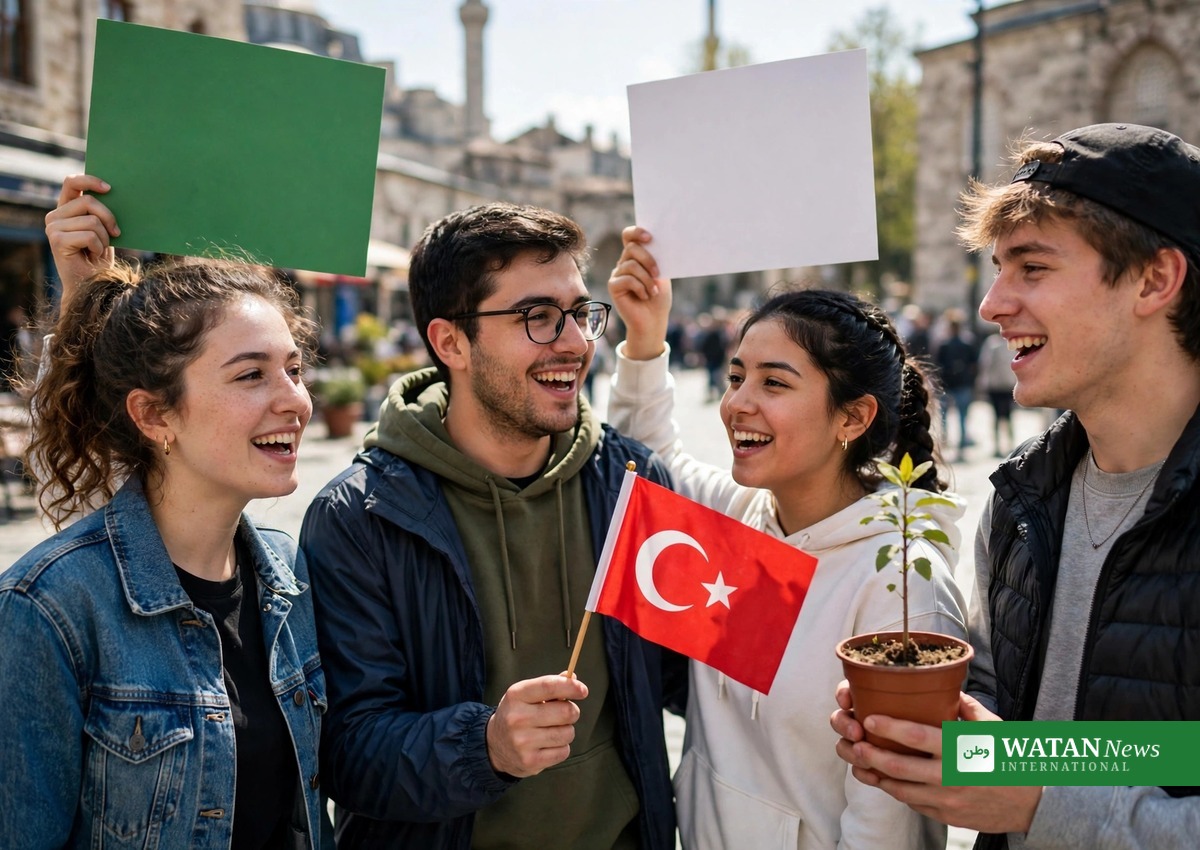
The Antalya march was one of many actions held on 14 November as part of the Global Day of Action for Climate Justice. In Manila, climate advocates and urban poor communities marched in Luneta, led by the Asian Peoples’ Movement on Debt and Development and the Philippine Movement for Climate Justice. In Bangladesh, Waterkeepers Bangladesh held bicycle rallies in 11 locations, and in India the National Hawker Federation and the All India Women’s Hawker Federation mobilised in more than 40 locations.
Lidy Nacpil, coordinator of the Asian Peoples’ Movement on Debt and Development, said two recently released UNEP reports had established that the world was set to breach the 1.5°C threshold by the 2030s. Watan News has reported on the UNEP Emissions Gap Report 2026, which found the world will overshoot 1.5°C — read it here: UNEP Emissions Gap Report 2026: world will overshoot 1.5°C.
Inside the talks: a halfway point with little progress
The march came as COP31 reached its midpoint with little progress yet on substantive issues, according to reporting from the summit. UN Climate Change Executive Secretary Simon Stiell urged governments to move swiftly to the hardest issues and avoid tactical delays as the conference entered its second week. Nearly 200 countries are working through 165 negotiating mandates.
Earlier on Saturday, children presented a Children’s Call to Action on Climate at COP31, as Watan News reported: COP31 Youth Day: Children Hand Over Climate Demands as Education Alliance Hits 100 Countries.
Louise Hutchins, a co-convener of the Make Polluters Pay international coalition, said campaigners had stood the day before with UN Secretary-General António Guterres, who told them: “You’re on the right side of history. Keep going.” She added: “Today, we’re back on the streets at COP31 with thousands of people from around the world, demanding that governments make polluters pay. We promised to keep up the fight. And we won’t stop until we win climate justice.”
A stocktaking plenary was held on Saturday evening to take stock of the first week. The COP31 venue is closed on Sunday, 15 November, for a rest and cultural programme billed as “A Breath in Antalya”, and negotiations resume on Monday, 16 November, with the final negotiations scheduled for Friday, 20 November. Read Watan News’ report on the midpoint of the talks: COP31 midpoint stocktake: ministers take over as talks enter second week.
The march showed that, halfway through COP31, the pressure on negotiators is coming not only from inside the conference halls but from the streets outside them. Whether that pressure turns into decisions in the second week will be clear by 20 November.
FAKTA: The Antalya march in numbers
- Date: Saturday, 14 November 2026
- Start: 14:00, Aydin Kanza Park, Antalya
- Route: About one kilometre to Republic Square
- Attendance: More than 10,000 people, according to the organisers; police put it at about 10,000
- Occasion: Global Day of Action for Climate Justice
- Key demands: End new fossil fuel projects; a just transition to 100% renewable energy; public, non-debt climate finance; reparations for loss and damage; polluters pay
- Alongside COP31: The People’s Climate Summit, a civil society gathering running through 18 November
Frequently asked questions
How many people joined the Antalya climate march?
More than 10,000 people, according to the organisers. Police put attendance at about 10,000.
What were the marchers demanding?
An end to new fossil fuel projects, a rapid, fair and fully funded transition to 100% renewable energy, public non-debt climate finance for the Global South, full reparations for loss and damage, food sovereignty, and protection of ecosystems and Indigenous Peoples’ rights.
Was the march part of a wider day of action?
Yes. It was part of the Global Day of Action for Climate Justice on 14 November, with coordinated actions across Asia — including marches in Manila, bicycle rallies in 11 locations in Bangladesh and mobilisations in more than 40 locations in India.
What is the People’s Climate Summit?
A civil society gathering held alongside COP31 in Antalya, running through 18 November. It brings together hundreds of Turkish and international groups, including groups excluded from the official negotiations, to discuss climate justice, environmental protection and a fossil-free future.
What happens next at COP31?
The COP31 venue is closed on Sunday, 15 November, for a rest and cultural programme. Negotiations resume on Monday, 16 November, and the final negotiations are scheduled for Friday, 20 November.
Author

usmanch0013@gmail.com
Related Posts
COP31: Over 10.000 marcherer gennem Antalya og kræver klimaretfærdighed, mens forhandlingerne når halvvejs
- 0
- 1,301 word
Over 10.000 mennesker marcherede gennem Antalya lørdag den 14. november på en global aktionsdag for klimaretfærdighed og opfordrede COP31-forhandlerne til at stoppe...
Read out all
کاپ31: انطالیہ میں دس ہزار سے زائد افراد کا موسمیاتی انصاف کے لیے مارچ، مذاکرات آدھے راستے پر
چودہ نومبر کو انطالیہ میں دس ہزار سے زائد افراد نے موسمیاتی انصاف کے عالمی یومِ عمل میں مارچ کیا اور کاپ31...
Read out all
Iraq PM Sacks Nine Officials in $30m Oil Smuggling Probe Targeting Militia Stronghold
- 0
- 560 words
Iraq's Prime Minister Ali al-Zaidi has dismissed nine senior security officials after an investigation into an alleged oil smuggling network worth up...
Read out all
COP31 ungdomsdag: Børn overdrager klimakrav, mens uddannelsesalliance når 100 lande
- 0
- 1,337 word
Børn og unge indtog hovedrollen ved COP31 den 14. november og fremlagde en børneopfordring til klimahandling, mens UNESCO's klimauddannelsesalliance nåede 100 lande.
Read out all
کاپ31 میں نوجوانوں کا دن: بچوں نے موسمیاتی مطالبات پیش کیے اور تعلیمی اتحاد 100 ملکوں تک پہنچ گیا
کاپ31 میں 14 نومبر کو بچوں اور نوجوانوں نے مرکزی کردار ادا کیا اور موسمیات پر بچوں کا مطالبہ برائے عمل پیش...
Read out all
COP31 Youth Day: Children Hand Over Climate Demands as Education Alliance Hits 100 Countries
- 0
- 1,341 word
Children and young people took centre stage at COP31 on 14 November, presenting a Children's Call to Action as UNESCO's climate-education alliance...
Read out all