- 0
- 946 words
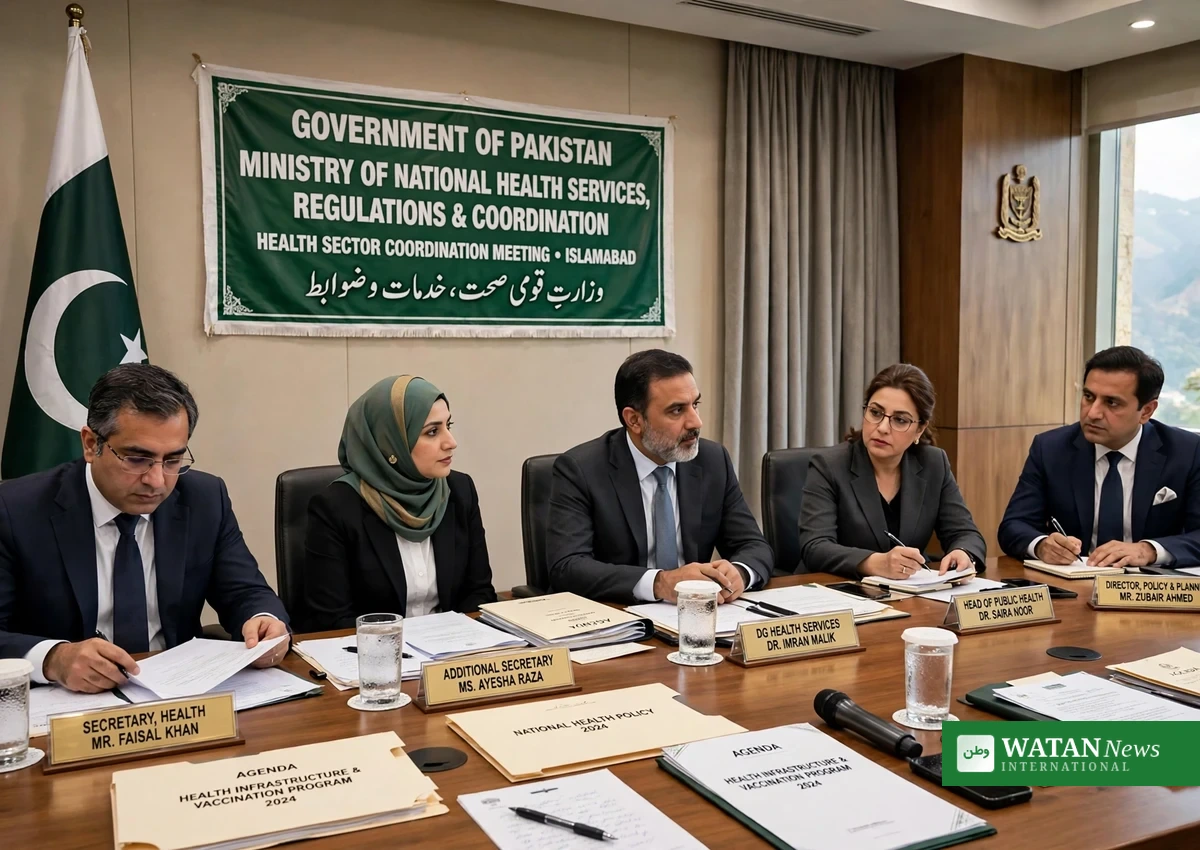
Federal Health Minister Syed Mustafa Kamal met with a delegation from the Global Fund in Islamabad on Thursday to review Global Fund Pakistan programs and the government’s public health agenda. The discussions centered on ongoing cooperation to fight HIV, tuberculosis and malaria, strengthen disease prevention, and expand access to quality healthcare across the country.
FAKTA: Global Fund Pakistan engagement in brief
- Meeting: Federal Minister for National Health Services Syed Mustafa Kamal and a Global Fund delegation, Islamabad, Thursday 1 October 2026.
- Focus: review of ongoing cooperation on public health programs — disease prevention, healthcare access, treatment facilities and program implementation.
- USD 281.5 million in Global Fund grants for TB, malaria and HIV approved for Pakistan, plus USD 5 million in catalytic funding, for the 2024–2026 cycle.
- USD 65 million allocated for HIV programs in the 2024–26 grant cycle; the minister has publicly questioned the oversight of the bulk of these funds.
- Additional Safeguard Policy (ASP): imposed by the Global Fund in August 2020 after concerns over Pakistan’s HIV and TB programs; Islamabad is seeking its revocation.
- June 9, 2026: a Global Fund delegation met Prime Minister Shehbaz Sharif in Islamabad on the ASP issue.
Global Fund Pakistan partnership against HIV, TB and malaria
The Global Fund has been a significant financial and technical partner in Pakistan’s health sector, supporting national programs against HIV, tuberculosis and malaria. During the meeting, both sides reviewed the performance of current grants and discussed ways to make implementation more effective at the provincial and district levels. The minister stressed that international collaboration remains essential for sustaining Pakistan’s public health gains, and the delegation reaffirmed the Fund’s commitment to continued partnership.
The engagement comes amid Pakistan’s push to end the Fund’s Additional Safeguard Policy, an extraordinary oversight measure imposed in August 2020 after concerns over program governance and financial oversight. Pakistani health authorities argue the country has fulfilled the conditions for its removal after nearly six years — a point a Global Fund delegation also discussed with Prime Minister Shehbaz Sharif on June 9, 2026, according to The News. For related coverage on Watan News, see the same story on watannews.dk/en.
Review of ongoing public health initiatives
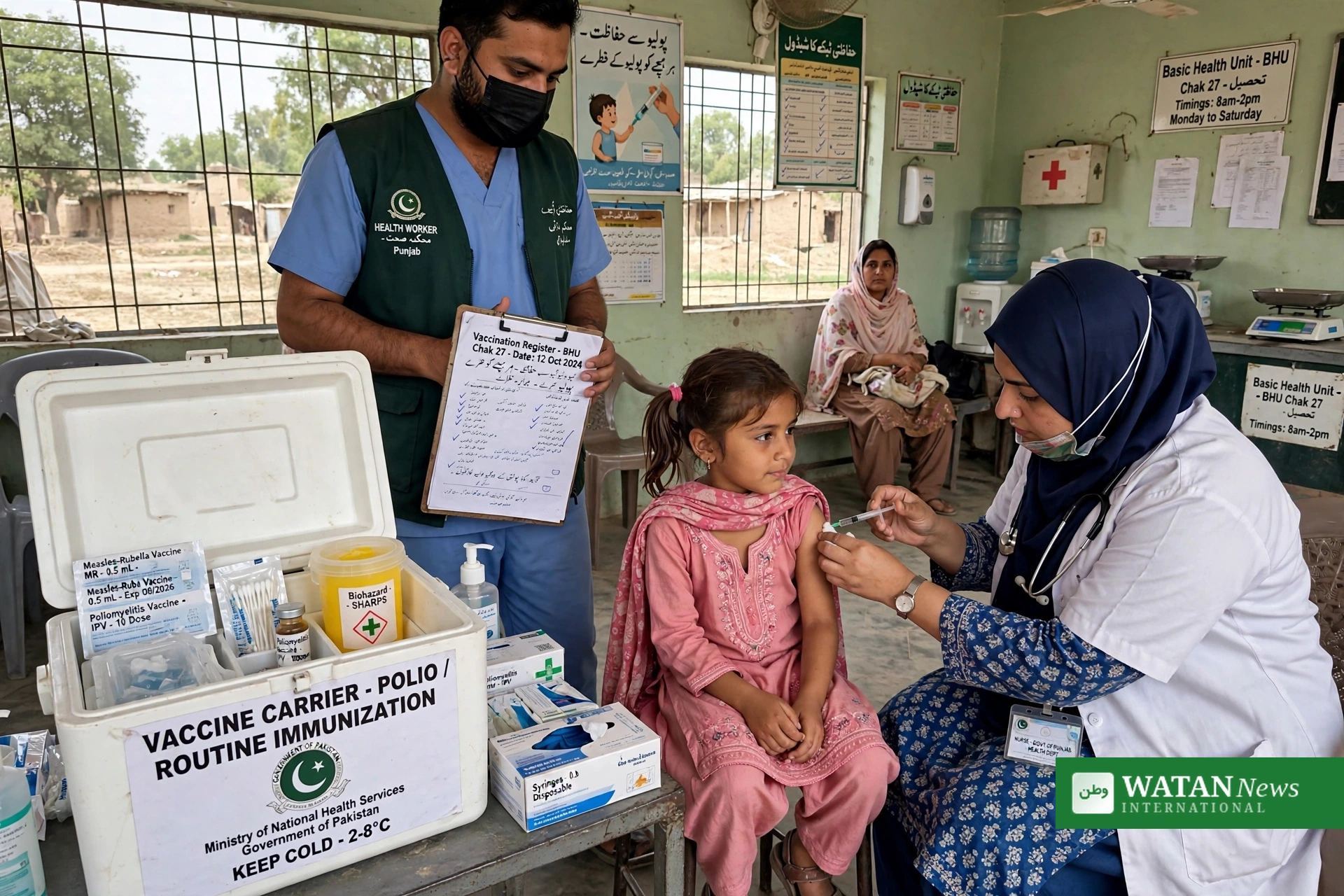
The meeting assessed progress on disease prevention strategies, the expansion of treatment facilities, and the rollout of public health interventions to underserved communities. Participants discussed efficient resource allocation and the sustainability of programs beyond the current grant cycle. Ensuring that interventions reach the most vulnerable populations — including those in remote and low-income areas — was identified as a central priority.
Accountability over fund utilization was also on the table. In April 2026, Minister Kamal publicly revealed that of the USD 65 million allocated for HIV programs in the 2024–26 cycle, more than USD 61 million had been disbursed to the United Nations Development Programme and Nai Zindagi Trust, while the federal government received only USD 3.9 million — despite being held accountable for the spread of the virus. He said at the time that the issue would be raised with the Global Fund mission expected to visit Pakistan.
Government’s commitment to quality healthcare
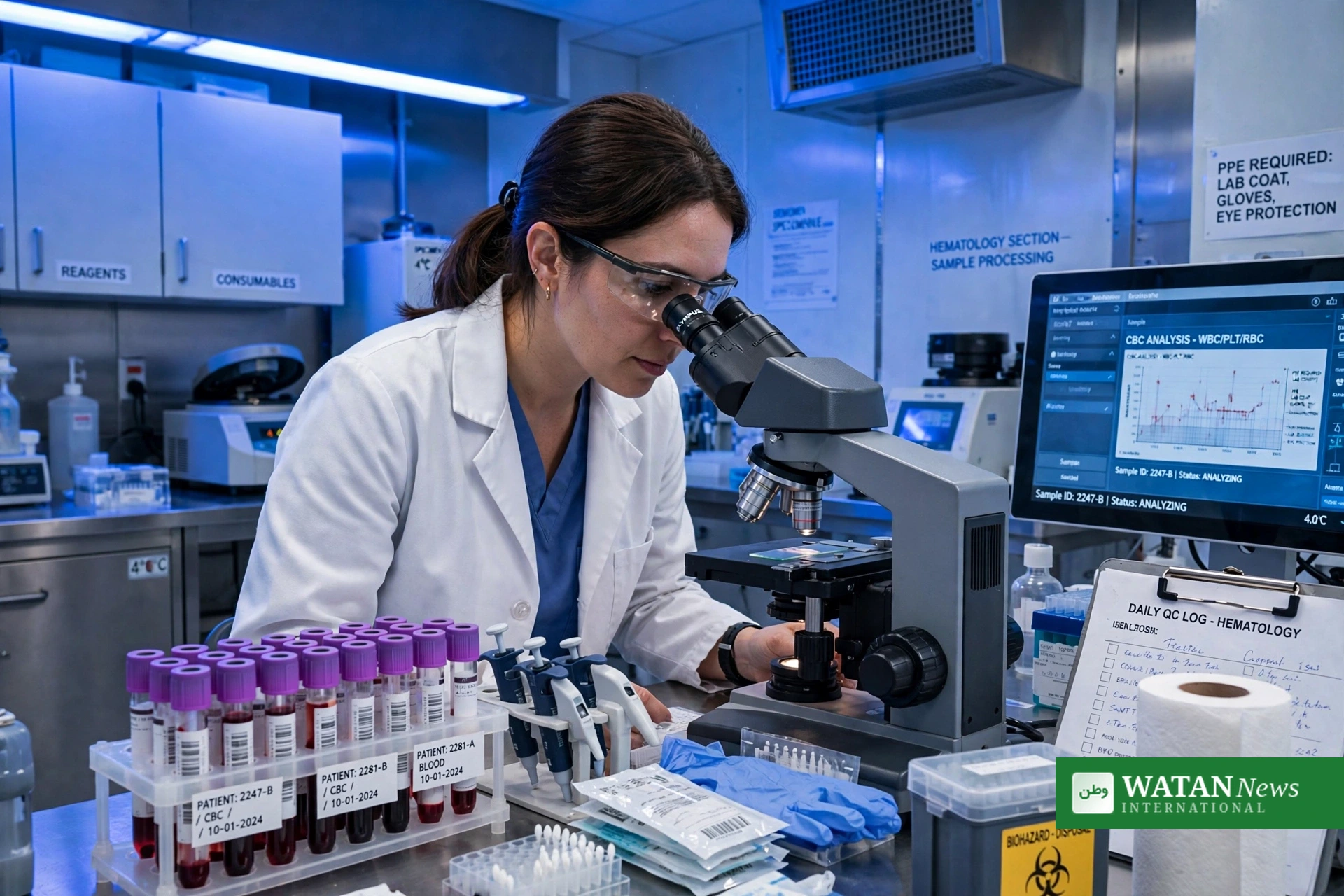
Minister Kamal reiterated that providing accessible, high-quality healthcare is a top priority for the government. He pointed to ongoing investments in health infrastructure, training and capacity-building for healthcare professionals, and policies aimed at improving the affordability of medical services. The minister has also emphasized preventive healthcare — clean drinking water, population control and safe hospital-waste disposal — as more effective and economical than curative care alone.
The Global Fund delegation concluded the meeting by reaffirming its support for Pakistan’s efforts to strengthen public health and implement healthcare reforms. Both sides described the partnership as critical to better health outcomes for the country’s population of more than 250 million.
Conclusion
The meeting between Federal Health Minister Syed Mustafa Kamal and the Global Fund delegation reinforced a partnership that underpins much of Pakistan’s fight against HIV, tuberculosis and malaria. With billions in grants on the table and the sensitive question of the Additional Safeguard Policy unresolved, the tone of cooperation matters as much as the funding itself. Continued transparency and government ownership of program implementation will determine whether the partnership delivers lasting improvements in Pakistan’s public health landscape.
Frequently Asked Questions
What was the main focus of the meeting?
The meeting reviewed cooperation between Pakistan’s health ministry and the Global Fund on public health programs, with emphasis on disease prevention, healthcare access, treatment facilities and program implementation.
How much has the Global Fund committed to Pakistan?
The Fund approved USD 281.5 million in grants for TB, malaria and HIV programs plus USD 5 million in catalytic funding for the 2024–2026 cycle; a separate USD 65 million was allocated for HIV programs in the same cycle.
What is the Additional Safeguard Policy?
It is an extraordinary risk-management measure the Global Fund imposed on Pakistan in August 2020 over concerns about HIV and tuberculosis program governance, financial oversight and implementation capacity. Islamabad says the conditions for its removal are now met and is formally seeking its revocation.
What concerns has the health minister raised about fund transparency?
In April 2026, Minister Kamal revealed that of USD 65 million allocated for HIV programs, more than USD 61 million went to the UNDP and Nai Zindagi Trust while the federal government received only USD 3.9 million — without access to detailed information on how the bulk is utilized.
Has the Global Fund engaged Pakistan’s leadership recently?
Yes — a Global Fund delegation met Prime Minister Shehbaz Sharif in Islamabad on June 9, 2026, to discuss the Additional Safeguard Policy and the broader health partnership.
Author

usmanjaved13132@gmail.com
Related Posts
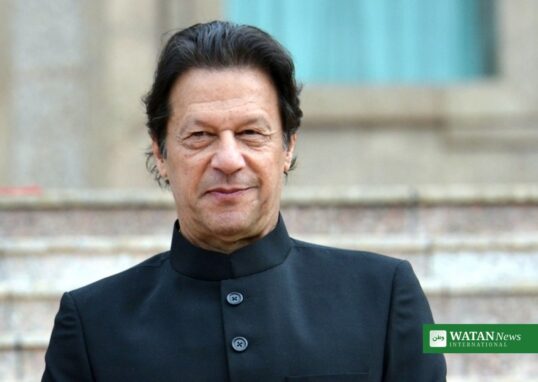
Imran Khan Appeals for Urgent Medical Help, Warns He ‘May Not Return Alive’
- 0
- 973 words
Pakistan's jailed former prime minister Imran Khan has appealed to the country's top judges for urgent medical treatment, warning that doctors say...
Read out all
3,645 Journalists Are Covering COP31 — the Second-Biggest Press Corps in COP History
- 0
- 1,087 word
A total of 3,645 journalists have registered to cover COP31 in Antalya — the second-largest press corps in COP history — as...
Read out all
Türkiye Is Running Out of Water as COP31 Turns to Nature and Land
- 0
- 1,261 word
Half of Türkiye's population faces water shortages by 2030 and 186 of the country's 250 lakes have dried up in 50 years,...
Read out all
Lapid Accuses Netanyahu of Attempted Coup Over Election-Day Action Against Arab Parties
- 0
- 494 words
Opposition leader Yair Lapid has accused caretaker Prime Minister Benjamin Netanyahu of an attempted coup after reports of police action against Arab...
Read out all
Houthis Blame Saudi Arabia for Strikes That Killed Three, Including a Child, in Yemen
- 0
- 497 words
Houthi health authorities say three people, including a child, were killed and 15 wounded in two strikes in Sanaa and Amran province...
Read out all
More Than 50 Countries Back COP31 Geothermal Ambition 2050
- 0
- 1,439 word
More than 50 countries have backed the COP31 Global Geothermal Ambition 2050, the COP31 Presidency said on 16 November — a collective...
Read out all