
- 0
- 1,184 word
Oil markets whipsawed this week in a Hormuz oil shock as fresh tanker attacks in the Strait of Hormuz pushed Brent crude back towards $100 a barrel, only days after prices had plunged on hopes of a diplomatic breakthrough. With tankers reported hit by mines, war-risk insurance costs soaring and shipping through the world’s most important oil waterway running far below normal, traders and shipowners face a market where the price of crude and the price of moving it are pulling in opposite directions.
Read this story on Watan News: Hormuz Oil Shock: Tanker Attacks Push Brent Near $100 as Shipping Stalls
FAKTA
- Reports of fresh tanker attacks in the Strait of Hormuz on 6 November put Brent crude back near $100 a barrel, with US WTI near $92.
- On 2 November, Brent had settled at $104.77 a barrel, down 7.63 percent, and WTI at $96.46, down 7.36 percent, on hopes of a negotiated settlement involving Iran, Qatar and the United States.
- Iran’s Revolutionary Guard navy said two oil tankers struck mines near the strait on 7 November and caught fire; the UK Maritime Trade Operations centre recorded 11 ships attacked in and around the strait over the past week, three of which sank.
- US Central Command says its blockade has prevented more than $25 billion in Iranian crude exports, and that 144 commercial vessels were redirected through the end of October.
- Tanker traffic through the strait was running about 70 percent below pre-war levels, and industry estimates put Hormuz oil export flows at about 8.7 million barrels per day for the week to 29 October.
- Brent reached $116 a barrel by 1 November as OPEC met, and Saudi Arabia’s economy contracted 3.8 percent under the cost of the war and disrupted exports.
The Hormuz Oil Shock: Two Shocks in One Week
The week began with a sell-off. On 2 November, oil prices plunged more than 7 percent as renewed diplomatic efforts involving Iran, Qatar and the United States raised expectations that the Middle East war could move towards a negotiated settlement. Brent crude futures settled at $104.77 a barrel, down $8.66 or 7.63 percent, while US West Texas Intermediate fell $7.66 or 7.36 percent to $96.46. No peace agreement or general restoration of commercial navigation through the strait was announced, and the relief lasted days.
Then came the attacks. Reports of fresh tanker attacks on 6 November put Brent back near $100 a barrel, according to market reporting, against the sell-off attributed to the US midterm elections. The Islamic Revolutionary Guard Corps said it was responsible for a fire on two tankers, although the damage and the cause have not been independently settled. The strait matters because almost nothing that loads inside the Gulf can avoid it: only a fraction of those barrels can be pushed around the chokepoint by pipeline, so a loading delay reaches the spot market within days.
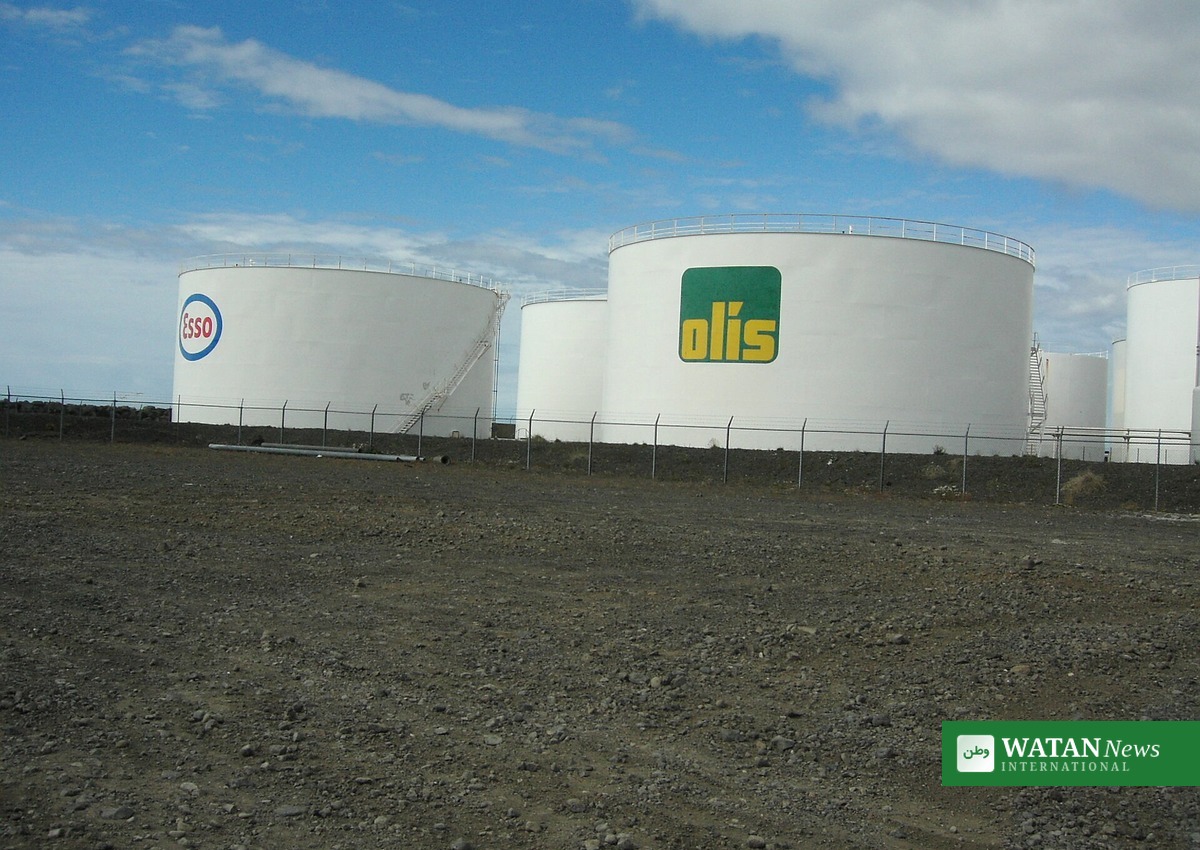
Oil terminals and tanker loadings across the Gulf depend on safe passage through the Strait of Hormuz.
Shipping Stalls as Insurance Soars
For shipowners, the price on the screen is only half the story. Tanker owners report charter cancellations, with spot availability in the upper Gulf dropping by more than 40 percent as shipowners refuse fixture orders without naval escorts, according to a maritime intelligence assessment. The Joint War Committee’s listed war-risk breach rates for the Persian Gulf and Gulf of Oman have climbed above 1.25 percent of insured hull value per seven-day voyage, up from 0.35 percent before the blockade, the same assessment said.
The physical disruption is severe. Traffic through the strait was about 70 percent below pre-war levels, and only a handful of commodity vessels crossed on some days in late August. The International Maritime Organization has said roughly 6,000 seafarers are stranded in the region. Industry estimates cited in shipping reporting put Hormuz oil export flows at about 8.7 million barrels per day for the week to 29 October, well below the roughly 18 million barrels per day that moved through the strait before the war.
The Wider Economic Damage
Brent reached $116 a barrel by 1 November as OPEC met, and Saudi Arabia’s economy contracted 3.8 percent under the cost of the war and disrupted oil exports, according to market reporting. Saudi Arabia restarted its East-West pipeline and resumed loadings at the Red Sea port of Yanbu in late September, but attacks on tankers kept traffic depressed. Iraq’s Foreign Minister, Fuad Hussein, said his country’s treasury losses from halted crude loadings through the strait had reached $60 billion.
Whether the strait reopens or the standoff resumes will decide whether US pump prices keep climbing towards $5 a gallon or fall back towards $4. For now, the market is caught between two forces: diplomacy that can cut $8 off Brent in a day, and a mine in the water that can put it straight back.
Oil Prices at a Glance
| Benchmark | Level | Move | Date |
|---|---|---|---|
| Brent crude | $116 a barrel | High as OPEC met | 1 November |
| Brent crude | $104.77 a barrel | Down 7.63% | 2 November |
| WTI crude | $96.46 a barrel | Down 7.36% | 2 November |
| Brent crude | Near $100 a barrel | Up after tanker attacks | 6 November |
| WTI crude | Near $92 a barrel | Up after tanker attacks | 6 November |
Conclusion
The Hormuz oil shock is now a story of two markets: a futures market that falls on every hint of diplomacy, and a physical shipping market that stays shut while mines float in the strait and insurers refuse to cover the risk. Until vessels can move safely through the waterway, every price rally and every sell-off will be hostage to the next incident at sea.
Related Articles
- Tankers Hit Again in Strait of Hormuz as Iran Reports Mine Strikes
- Eurozone Inflation Hits 4% in October as Energy Prices Surge
- Australia Raises Interest Rate to 4.85% in Fifth Hike of 2026 as Inflation Stays High
Frequently Asked Questions
Why is the Strait of Hormuz so important for oil?
The strait connects the Persian Gulf to the Gulf of Oman and the Arabian Sea. About a fifth of the world’s oil passes through it, and almost nothing loaded inside the Gulf can avoid it, with only a fraction able to bypass it by pipeline.
How high did Brent crude go?
Brent reached $116 a barrel by 1 November 2026 as OPEC met. It then fell to $104.77 on 2 November on diplomacy hopes, before climbing back near $100 after fresh tanker attacks on 6 November.
What happened to the tankers?
Iran’s Revolutionary Guard navy said two oil tankers struck mines near the strait on 7 November and caught fire. The UK Maritime Trade Operations centre recorded 11 ships attacked in and around the strait over the past week, three of which sank.
How badly has shipping been disrupted?
Tanker traffic through the strait was running about 70 percent below pre-war levels, charter cancellations have cut spot availability in the upper Gulf by more than 40 percent, and the International Maritime Organization says about 6,000 seafarers are stranded in the region.
What has the US blockade cost Iran?
US Central Command estimates the blockade has prevented more than $25 billion in Iranian crude oil exports, and says 144 commercial vessels were redirected through the end of October 2026.
Why did oil prices fall so sharply on 2 November?
Prices fell more than 7 percent as renewed diplomatic efforts involving Iran, Qatar and the United States raised expectations of a negotiated settlement. No peace agreement or general restoration of navigation was announced.
Author

usmanch0013@gmail.com
Related Posts

Fourteen Killed, 30 Injured in Fujairah Pile-Up Involving 23 Vehicles
- 0
- 734 words
Fourteen people were killed and 30 injured in a 23-vehicle pile-up on Sheikh Khalifa bin Zayed Road at the entrance to Fujairah,...
Read out all
COP31 Finance Day: Waste Pickers Demand Climate Money Reaches Them, Not Incinerators
- 0
- 1,456 word
At COP31 in Antalya, waste pickers and zero-waste groups say climate finance must reach the people who collect, sort and compost waste...
Read out all
Ten Police Officers Killed in Militant Ambush in Pakistan’s Kohat District
- 0
- 640 words
Ten police officers, including a senior officer, were killed and 12 wounded when militants ambushed a police convoy in Kohat, Pakistan, as...
Read out all
COP31: Workers’ Just Transition Mechanism Takes Shape as Talks Show Early Progress in Antalya
- 0
- 1,626 word
Negotiators at COP31 in Antalya have begun shaping the Belém-Antalya Mechanism, with early convergence on a two-tier structure and finance as the...
Read out all
Zelenskyy Makes History as First Foreign Head of State to Address Denmark’s Parliament
- 0
- 821 words
Ukrainian President Volodymyr Zelenskyy became the first foreign head of state to address Denmark's Folketing on 11 November, thanking Denmark and urging...
Read out all
UK Economy Grows 0.7% in Third Quarter as AI Demand Lifts Output
- 0
- 772 words
The UK economy grew 0.7% in the third quarter of 2026, the fastest quarterly expansion since early 2024, as AI-related services spending...
Read out all