- 0
- 730 words
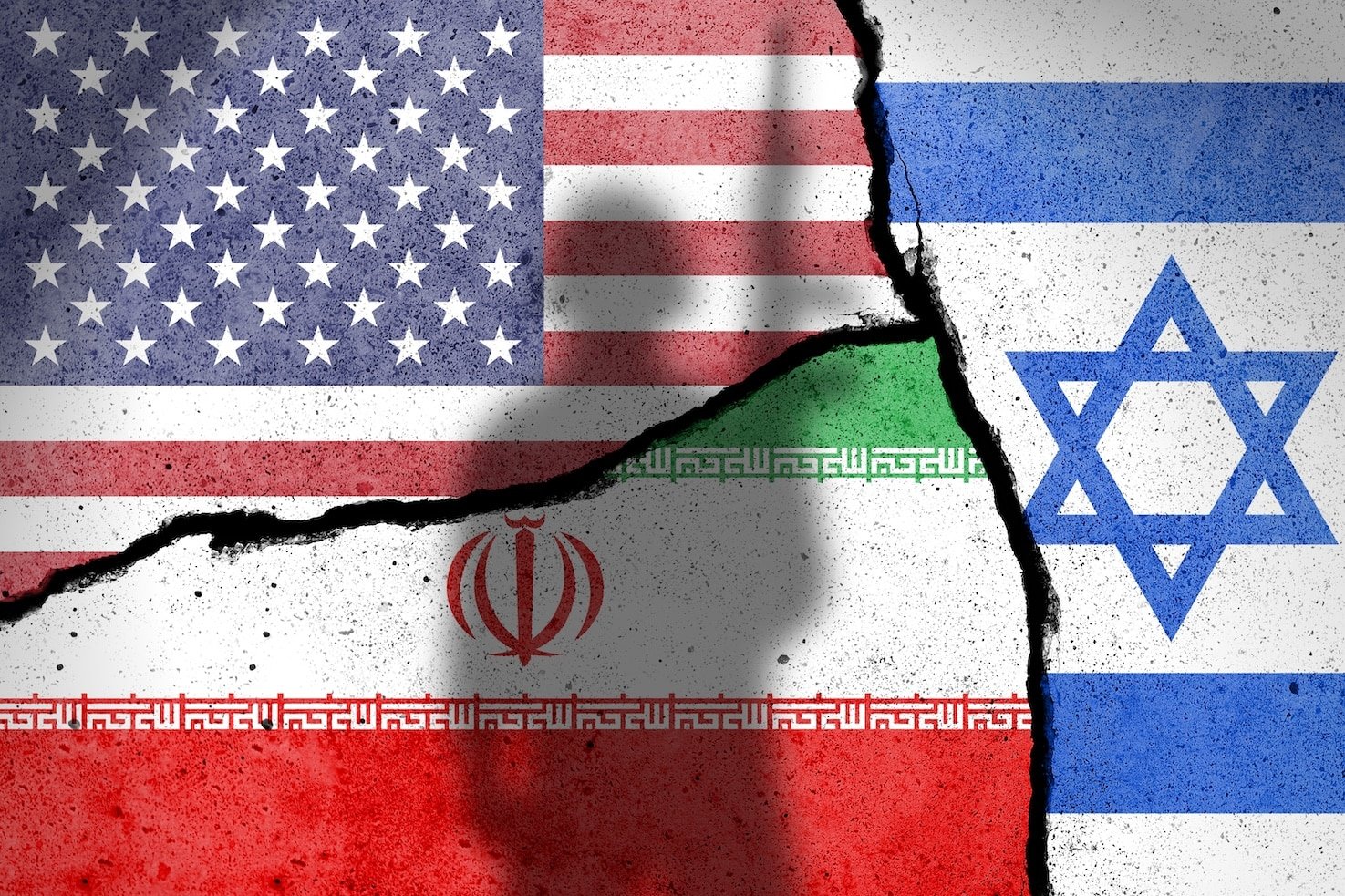
The Islamic Revolutionary Guard Corps (IRGC) of Iran has claimed responsibility for new attacks on US warships, citing the naval blockade as the reason behind the escalation. This development has raised concerns about the deteriorating relationship between Iran and the United States, with both countries engaging in a war of words and military posturing.
The IRGC’s statement comes amidst heightened tensions in the region, with the US having imposed stringent sanctions on Iran and Tehran responding with aggressive rhetoric and military maneuvers. The situation has sparked fears of a potential conflict, with global leaders calling for calm and restraint.
- IRGC claims responsibility for attacks on US warships
- Naval blockade cited as reason for escalation
- Tensions between Iran and US continue to rise
IRGC Statement and Claims
The IRGC released a statement claiming that its forces had successfully targeted US warships in the region, inflicting significant damage. The statement was met with skepticism by US officials, who have yet to confirm the extent of the damage. “We will not hesitate to defend our interests and sovereignty,” said an IRGC spokesperson. “The naval blockade is an act of aggression, and we will respond accordingly.”
US Response and Denial
US officials have denied the IRGC’s claims, stating that the attacks were unsuccessful and that the US warships are operating within international waters. “We are aware of the IRGC’s claims, but we have no reason to believe that our ships were damaged,” said a US military spokesperson. The US has maintained that its naval presence in the region is aimed at ensuring freedom of navigation and preventing Iranian aggression.
Regional Implications and Global Concerns
The escalation of tensions between Iran and the US has raised concerns among regional and global leaders. The United Nations has called for calm and restraint, while European leaders have urged both sides to engage in diplomatic efforts to resolve the crisis. The situation has also sparked fears of a potential conflict, with oil prices rising and global markets reacting to the uncertainty.
International Community Reaction
The international community has reacted with concern to the escalating tensions, with many countries calling for a peaceful resolution to the crisis. “We urge all parties to exercise restraint and engage in diplomatic efforts to resolve their differences,” said a spokesperson for the European Union. The situation remains fluid, with the potential for further escalation or de-escalation depending on the actions of the parties involved.
Future Impact and Considerations
The current situation has significant implications for the region and the world. A potential conflict between Iran and the US could have far-reaching consequences, including the disruption of global oil supplies and the destabilization of the region. The situation highlights the need for diplomatic efforts to resolve the crisis and prevent further escalation. For more information and updates, visit Watan News.
Conclusion and Next Steps
In conclusion, the situation between Iran and the US remains volatile, with the potential for further escalation or de-escalation. The international community has called for calm and restraint, and diplomatic efforts are necessary to resolve the crisis. The situation will continue to be monitored, with updates and analysis provided as more information becomes available.
FAQs
Q1: What led to the current escalation between Iran and the US?
A1: The current escalation is a result of the naval blockade imposed by the US, which Iran sees as an act of aggression. The IRGC’s claims of attacks on US warships have further heightened tensions.
Q2: Who are the key officials involved in the conflict?
A2: The key officials involved include the IRGC leadership, US military officials, and global leaders such as the United Nations Secretary-General and European leaders.
Q3: What are the potential consequences of a conflict between Iran and the US?
A3: A potential conflict could have far-reaching consequences, including the disruption of global oil supplies, the destabilization of the region, and significant humanitarian and economic costs.
Q4: What is the current stance of the international community?
A4: The international community has called for calm and restraint, with many countries urging both sides to engage in diplomatic efforts to resolve the crisis.
Q5: How can the situation be resolved?
A5: The situation can be resolved through diplomatic efforts, including negotiations and dialogue between Iran and the US. The international community can play a role in facilitating these efforts and encouraging both sides to engage in constructive talks.
Author

usmanjaved13132@gmail.com
Related Posts
Shell Signs Exclusive Deal for 150,000 Tonnes a Year of SAF From Planned Morocco Plant
- 0
- 1,016 word
Shell will exclusively buy about 150,000 tonnes a year of sustainable aviation fuel from Green Sky Manara's planned Port Nador plant in...
Read out all
Spain’s Transport Minister Óscar Puente Resigns After Deadly Urda Train Crash
- 0
- 588 words
Spain's Transport Minister Óscar Puente has resigned six days after the Urda train crash killed 69 people, saying a minister cannot stay...
Read out all
Planting Trees Can Raise Wildfire Risk, Global Study Warns — Location Matters
- 0
- 989 words
A global PNAS study of 67,248 planted-forest patches finds afforestation raised wildfire occurrence by 26% on average — with the sharpest rises...
Read out all
Western Australia Passes 5.73 Billion Containers Returned in Six Years
- 0
- 694 words
Western Australia's Containers for Change scheme has passed 5.73 billion containers returned since October 2020, generating more than $22.26 million in donations...
Read out all
India Sets Out COP31 Priorities: Predictable Climate Finance, Not New Top-Down Targets
- 0
- 757 words
India has set out its negotiating priorities for COP31 in Antalya, putting predictable, public and concessional climate finance first and insisting that...
Read out all
World Court to Rule in Rohingya Genocide Case on 19 November
- 0
- 621 words
The International Court of Justice will deliver its judgment on 19 November 2026 in Gambia's genocide case against Myanmar over the treatment...
Read out all