- 0
- 572 words
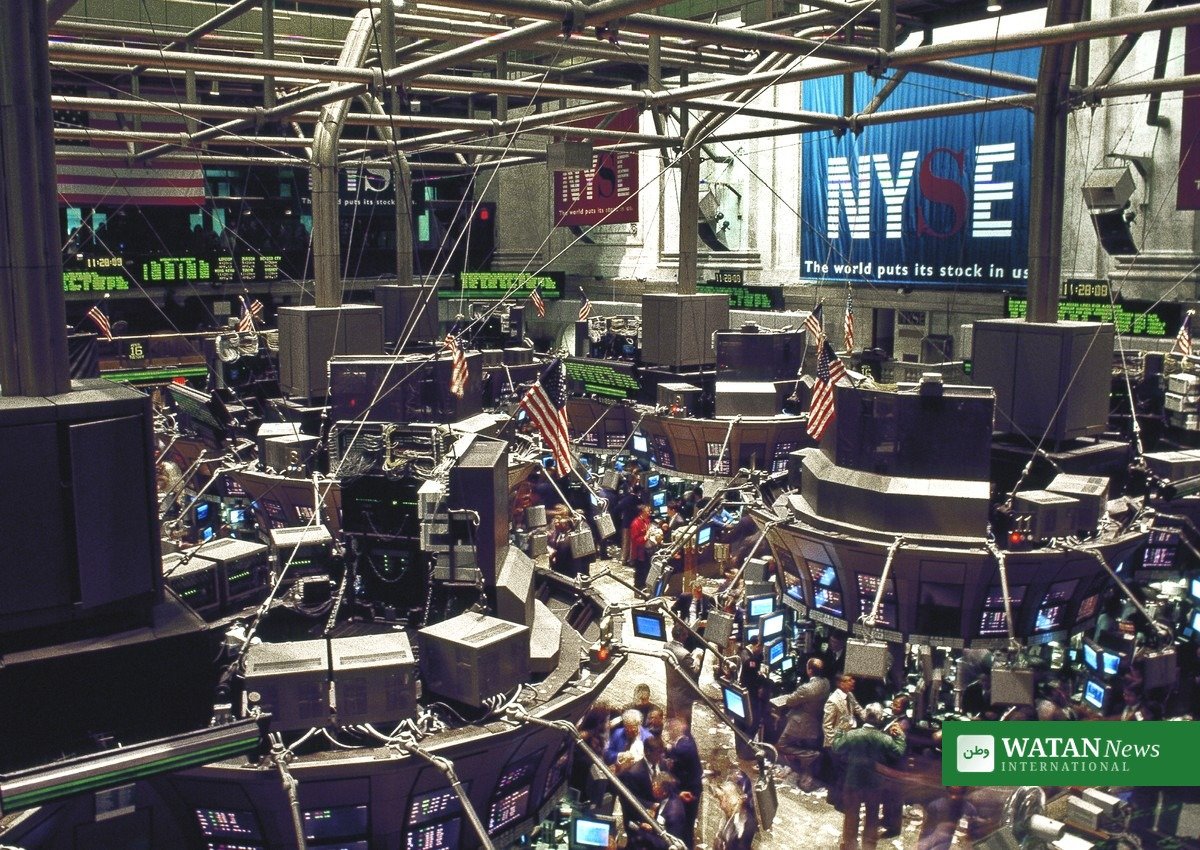
Wall Street suffered its worst day since April 2025 on Thursday, 5 November 2026, as a punishing sell-off in technology and chip stocks wiped roughly $2.5 trillion from the Nasdaq Composite. The Nasdaq correction pushed the index more than 10% below its record high, erasing the entire post-election rally in a single session.
FAKTA
- The Nasdaq Composite fell 5.52% to 24,315.00 — its worst day since April 2025 — closing more than 10% below its record high of 27,599.89 reached on 6 October.
- The S&P 500 fell 4.36% to 7,353.73, also its worst day since April 2025.
- The Dow Jones Industrial Average fell 1,833.06 points, or 3.44%, to 51,523.06 — wiping out Wednesday’s 1,569-point gain.
- The Nasdaq 100 fell 6.36% to 26,629.81, its worst day since March 2020.
- The Philadelphia Semiconductor Index fell 12.25%, its worst day in about six and a half years.
- The VIX, Wall Street’s fear gauge, surged about 70% to 28.09, its highest level in seven months.
The Nasdaq correction in numbers
The selling was broad. All 11 sectors of the S&P 500 closed lower, and the small-cap Russell 2000 fell 4.45% to 2,729.89. All told, the Nasdaq is down roughly 12% and the S&P 500 down roughly 6% since their peaks on 6 October, while the Dow is down roughly 5% since its peak on 5 August. It is the Nasdaq’s second correction this year, after it also closed in correction territory in March before rallying back to record highs in September and October.
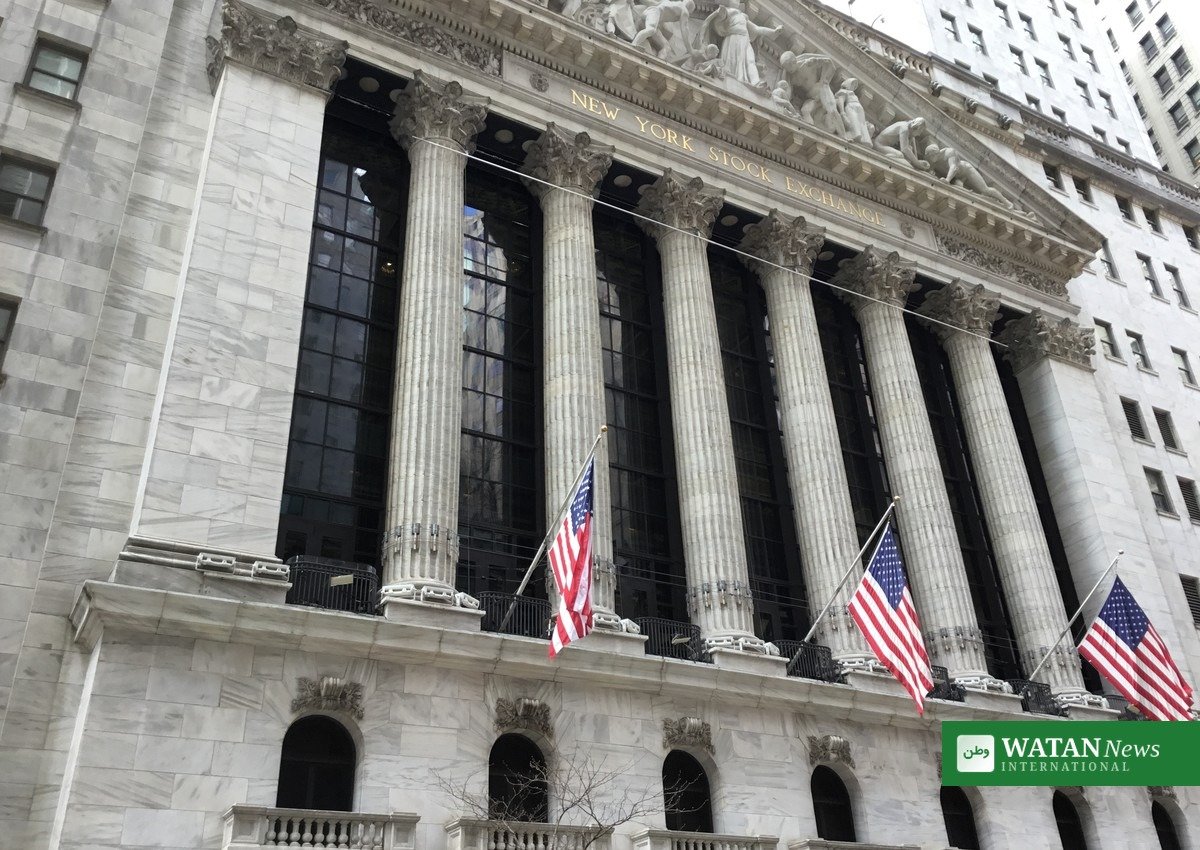
Why tech stocks led the fall
The sell-off was a sharp reversal from Wednesday, when the Dow soared 1,569 points and the Nasdaq rose 1.44% after Democrats swept both houses of Congress in the midterm elections. Underneath the surface, however, shares of semiconductor makers and companies involved in the artificial intelligence data-centre buildout were already falling — and that selling intensified on Thursday.
Investors reassessed the pace of the AI buildout after the election result, weighing the prospect of greater scrutiny of data-centre expansion. Texas, where Google, Meta, Oracle and OpenAI have made large data-centre investments, played a central role: Texas Governor-elect Gina Hinojosa campaigned on a temporary data-centre moratorium and eliminating certain tax incentives for businesses building data centres in the state.
Nvidia shares sank 9.3% on Thursday, erasing their gains for the year. Tesla shares dropped 11%, and Qualcomm fell 9.5% after the chipmaker missed estimates and said higher memory chip costs are hurting sales. CoreWeave and Nebius, two companies that rent out computing power for the AI boom, plunged roughly 10% and 15% respectively. Sentiment towards AI-linked stocks had already been deteriorating for weeks: the Nasdaq shed more than $2.5 trillion in market value in October, and earnings from Alphabet and Meta last month failed to reassure investors about the returns on AI spending.
What investors are watching next
Some market watchers see a silver lining in the pullback. “We want a slowdown in the AI buildout. It was too frenzied and speculative,” Ed Yardeni, president of Yardeni Research, said. “Now we are letting air come out of the AI bubble. It’s better to let air come out of the AI bubble than let it burst.”
Others see the sell-off as a buying opportunity in time. “In our view, the risk-reward is improving for longer-term investors,” said Keith Lerner, chief investment officer at Truist Advisory Services. Nerves about AI stocks also bolstered government bonds: the 10-year Treasury yield fell to 4.84%, its lowest level in two months.
More business coverage is available on the Business pages of Watan News.
Author

usmanch0013@gmail.com
Related Posts

Newsom Commutes All 548 California Death Row Sentences in Largest Mass Clemency in US History
- 0
- 798 words
California Governor Gavin Newsom has commuted every death sentence in the state — 548 in total — to life in prison without...
Read out all
Copenhagen Shines as Alchemist and Kadeau Enter World’s Top 10 Restaurants
- 0
- 728 words
Alchemist placed third and Kadeau eighth in The 50 Best Restaurants 2026, unveiled in Lima on 4 November, giving Copenhagen two restaurants...
Read out all
Tankers Hit Again in Strait of Hormuz as Iran Reports Mine Strikes
- 0
- 809 words
Three more tankers were reported damaged in the Strait of Hormuz on Thursday, 5 November, as attacks on shipping continued at a...
Read out all
Eurozone Inflation Hits 4% in October as Energy Prices Surge
- 0
- 708 words
Eurozone inflation rose to 4.0 percent in October 2026, its highest in three years, as energy prices surged 20.8 percent and Asian...
Read out all
Denmark’s Citizenship Freeze Leaves 487 Applicants in Limbo
- 0
- 815 words
Two Danish opposition parties want 487 citizenship applicants granted Danish citizenship before a new screening system is introduced, after their cases were...
Read out all
40,000 Danish Students Strike Over Planned Student Grant Cuts
- 0
- 688 words
Around 40,000 Danish students from 57 schools went on strike on 4 November 2026 against planned cuts to student grants, with up...
Read out all