- 0
- 958 words
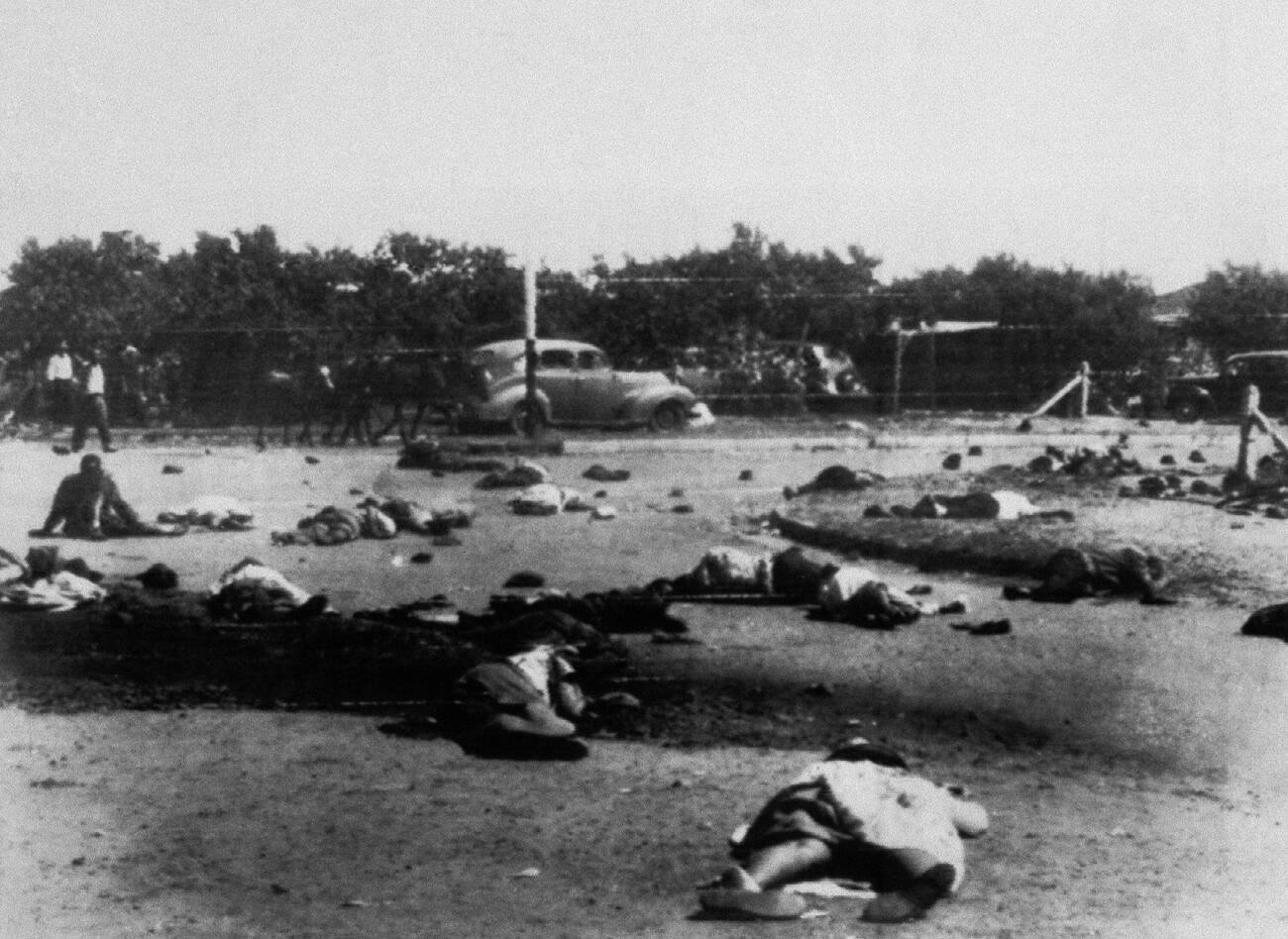
The Sharpeville massacre, a pivotal moment in South Africa’s struggle against apartheid, occurred on March 21, 1960, when white police opened fire on protesters demonstrating against the law requiring Africans to carry passes, killing 69 people and injuring 180. Sixty-six years later, families of the victims continue to wait for justice, with many still seeking redress through the courts.
One such family is that of Paulina Mathinye, who was just five years old when her father left home for a meeting near the police station in Sharpeville, never to return. Her father had joined other men from the community in protesting apartheid’s pass laws, which required Black South Africans to carry documents restricting where they could live and work.
- The Sharpeville massacre resulted in the deaths of 69 people, with some estimates as high as 91, and injured 180, with some estimates as high as 238.
- March 21 is now commemorated as Human Rights Day in South Africa.
- Lawyers for Human Rights has filed an application in the Gauteng High Court challenging the continued existence of the Indemnity Act 61 of 1961, an apartheid-era law that prevented survivors and dependants of those killed from pursuing civil and criminal proceedings arising from the massacre.
Background to the Massacre
The Sharpeville massacre was a defining moment in South Africa’s struggle against apartheid, with the event becoming a rallying cry for the anti-apartheid movement. The massacre led to widespread international condemnation and increased pressure on the South African government to reform its apartheid policies.
Apartheid-Era Laws and the Indemnity Act
The Indemnity Act 61 of 1961, which is still in effect today, prevented survivors and dependants of those killed from pursuing civil and criminal proceedings arising from the massacre. Lawyers for Human Rights argue that this law is unjust and has prevented families from seeking justice for their loved ones.
The Ongoing Pursuit for Justice
Survivors and relatives of those killed in the Sharpeville massacre are seeking redress through the courts, with Lawyers for Human Rights filing an application in the Gauteng High Court to challenge the continued existence of the Indemnity Act. The applicants are also seeking certification of a class action involving survivors who were shot and dependants of those killed.
Personal Stories of Loss and Struggle
For Paulina Mathinye, the legal fight is inseparable from the life that followed her father’s death. Her father had been the family’s breadwinner, and after he was killed, her mother worked as a domestic worker to support five children. Mathinye recalls the struggles her family faced, including going to bed with empty stomachs and having no electricity or access to education.
“We sometimes go to bed with empty stomach. We sometimes go to school and when we come back from school we find nothing to eat,” Mathinye said. “There was no light. There was no library. Struggle even to buy a candle, a mere candle.”
Conclusion and Future Implications
The Sharpeville massacre serves as a reminder of the ongoing struggle for justice and human rights in South Africa. As the country continues to grapple with the legacy of apartheid, it is essential that the government and courts address the concerns of survivors and families of those killed. The outcome of the court case will have significant implications for the pursuit of justice and accountability in South Africa.
For more information on this story and other news from around the world, visit Watan News.
Conclusion
The Sharpeville massacre is a painful reminder of the brutal suppression of human rights during the apartheid era. The ongoing pursuit for justice by survivors and families of those killed is a testament to the enduring power of the human spirit and the quest for accountability and redress.
FAQs
Q1: What was the Sharpeville massacre, and what were the circumstances surrounding the event?
A1: The Sharpeville massacre occurred on March 21, 1960, when white police opened fire on protesters demonstrating against the law requiring Africans to carry passes, killing 69 people and injuring 180. The protesters were gathered near the police station in Sharpeville, a township south of Johannesburg, to protest against the apartheid government’s pass laws.
Q2: What is the significance of the Sharpeville massacre in South African history?
A2: The Sharpeville massacre is a pivotal moment in South Africa’s struggle against apartheid, marking a turning point in the anti-apartheid movement and leading to increased international pressure on the South African government to reform its apartheid policies.
Q3: What is the current status of the court case challenging the Indemnity Act 61 of 1961?
A3: The court case is ongoing, with Lawyers for Human Rights having filed an application in the Gauteng High Court to challenge the continued existence of the Indemnity Act. The applicants are also seeking certification of a class action involving survivors who were shot and dependants of those killed.
Q4: How has the Sharpeville massacre affected the families of those killed and injured?
A4: The Sharpeville massacre has had a profound impact on the families of those killed and injured, with many struggling to come to terms with the loss of their loved ones and the lack of justice and accountability. The massacre has also had significant economic and social implications for the families, with many struggling to access education and employment opportunities.
Q5: What are the implications of the Sharpeville massacre for human rights in South Africa today?
A5: The Sharpeville massacre serves as a reminder of the ongoing struggle for human rights in South Africa, highlighting the need for continued efforts to address the legacy of apartheid and ensure accountability for past human rights abuses. The outcome of the court case will have significant implications for the pursuit of justice and accountability in South Africa, and will shape the country’s approach to human rights and transitional justice in the years to come.
Author

usmanjaved13132@gmail.com
Related Posts
Deadly Clashes Erupt Along Sudan-South Sudan Border, Killing at Least 26
- 0
- 503 words
At least 26 people have been killed and 82 others injured in days of intercommunal fighting in a disputed region on the...
Read out all
Foreign Secretary Holds Farewell Interaction with Diplomatic Corps
- 0
- 587 words
Pakistan’s Foreign Secretary, Sohail Mahmood, held a farewell interaction with the diplomatic corps at the Foreign Office in Islamabad, marking the end...
Read out all
COP31 presidency and OECD announce Paris partnership on climate finance and delivery
- 0
- 504 words
President-Designate Murat Kurum frames climate finance as strategic security at OECD headquarters, cites Türkiye’s SURFF urban-resilience facility as an implementation bridge, and...
Read out all
Federal Urdu University launches beginner Russian language course
- 0
- 488 words
The Federal Urdu University of Arts, Science and Technology (FUUAST) has launched a beginner Russian language course. The one month course has...
Read out all
US House passes sweeping Russia sanctions bill, sending it to Trump
- 0
- 684 words
The US House of Representatives on Wednesday approved a sweeping package of sanctions aimed at squeezing Russia’s war economy, sending the legislation...
Read out all
Morocco’s 2026 Election: A Test of Political Trust and Engagement
- 0
- 532 words
Morocco’s 2026 parliamentary election is set to take place on September 23, with 27 political parties vying for 395 seats in the...
Read out all